Rainbow Delight Cookies with Gel Pigments
Butter, sugar, and flour create these Rainbow Delight Cookies. Check out what each ingredient does a...
70 Mins
Find clear, step-by-step recipes for weeknight dinners, meal prep, global fusion dishes and sustainable cooking, with realistic times and handy substitutions.

Chocolate Covered Strawberries are a show-stopping treat for any party. Bone dry berries ensure the chocolate shell sticks. Ready in 45 minutes.
View Recipe
Butter, sugar, and flour create these Rainbow Delight Cookies. Check out what each ingredient does a...

Master this steak fajitas recipe with our step-by-step timing guide. Includes citrus marinade tips a...

This Dump and Go Crockpot Meal is a healthy chicken and rice crockpot recipe. Use our common mistake...

Wondering how to make white long grain rice perfectly fluffy? I’ll share my best tips and tricks f...

Looking for a delightful dish? This Boiled Asparagus with Creamy Hollandaise recipe is my go-to for ...

Looking to elevate your pottery game? I'm excited to share my favorite way to mix Cone 10 Black Stai...
Recipes grouped by theme for your next meal
Find 30 crockpot soup recipes, from creamy chicken and potato soups to lentil, split pea, beef, chil…
View Collection →Find cozy soup recipes for winter nights, from creamy potato and ground beef soups to healthy vegeta…
View Collection →Plan healthy crockpot freezer meals with chicken, beef, chili, soup, and dump bags for busy nights, …
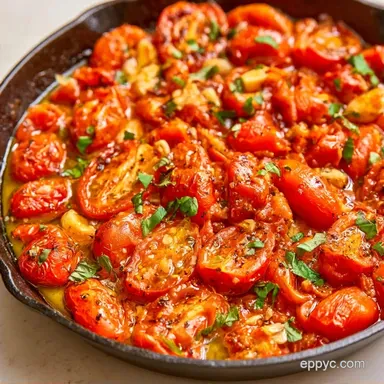
View Collection →Find 16 Roma tomato recipes for roasted sauces, fresh pasta, chicken skillets, slow roasted tomatoes…
View Collection →
Dependable everyday recipes for the dishes people cook again and again, from soups to cookies to…

Dishes that borrow techniques and flavors from more than one kitchen, from Greek spanakopita and…

Fast dinners and snacks, most ready in 15 to 45 minutes, for nights when time is the main…

Seasonal vegetable dishes, soups and leftover-friendly meals that make the most of what is already…
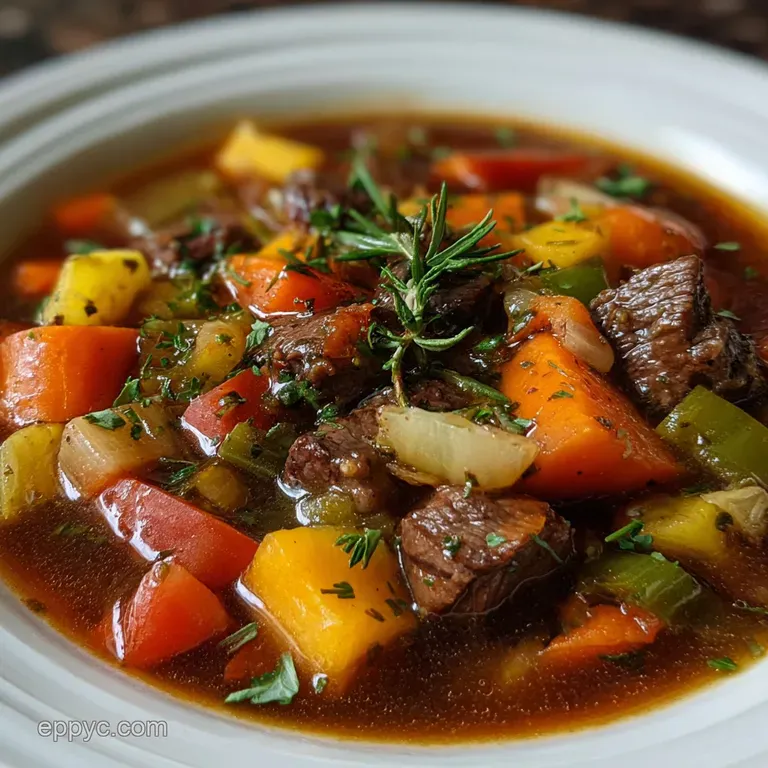
Discover the best slow cooker soups with this hearty beef stew recipe. Features melt-in-your-mouth beef and tender root vegetables.
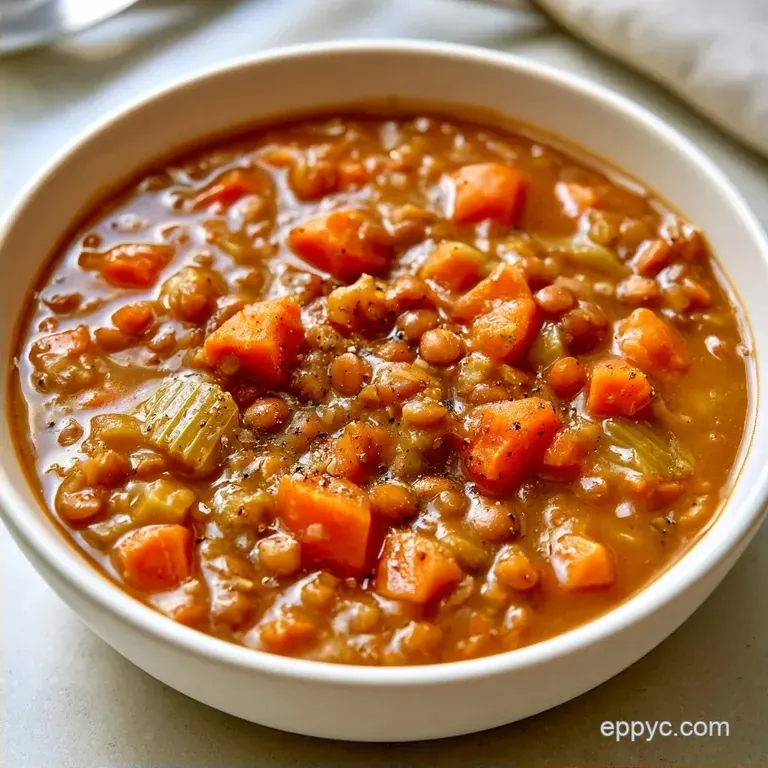
Use a set-and-forget method for this Slow Cooker Lentil Soup. The ingredient breakdown helps you prepare a hearty meal in a total time of 8h 10min.

Want a hearty Crockpot Minestrone Soup? This plant-based version is ready in 4 hours and includes a helpful ingredient role guide for easy swaps.

Ground beef, Italian sausage, and red pepper make this Slow Cooker Lasagna Soup. This hearty meal takes 4h 20min and includes step-by-step instructions.

Grab our best chicken taco soup recipe for an easy, healthy dinner. This simple chicken taco soup recipe with cream cheese is ready in 40 minutes!

Discover my go-to split pea crock pot recipes! This hearty ham and split pea soup recipe is so easy and perfect for gatherings. Try it today!
Four authors share their focus areas: fusion comfort food, plant-based cooking, pastry and desserts, and Japanese home cooking.
Learn how our recipes are written and checked.
About usEPPYC is a collection of home-cooking recipes written to be followed in a normal kitchen, on a normal weeknight. Each recipe lists ingredients, steps, realistic times and serving sizes, so you can decide in a minute whether a dish fits your evening. Below is a short tour of how the site is organized and how to get the most out of the recipes.
Recipes are grouped into five categories, so you can start from the kind of cooking you need rather than from a cuisine.
Smart Kitchen Basics is the largest section and the best place to begin. It covers the dishes most households cook again and again: Minestrone Soup for 6 Servings, Egg Salad, No Mayo Potato Salad, Pumpkin Pie, Chicken Spaghetti Casserole and Parmesan Herb Roasted Acorn Squash. Expect clear methods for soups, bakes, sides, breakfasts and desserts.
Global Fusion mixes flavors and techniques from different kitchens. You will see dishes such as Aloo Gobi, a Punjabi dry curry, next to Sheet Pan Steak Fajitas and other recipes that borrow ideas across cuisines.
Quick Tech Meals is for short evenings: Iced Almond Milk Latte in 5 Minutes, Buffalo Chicken Dip in 30 Minutes, Tuna Melt Chaffle and similar dishes with brief prep and few pans.
Sustainable Smart Cooking focuses on getting more from what you buy: one-pan dinners, vegetable-forward sides and recipes that make good use of pantry staples and leftovers.
Digital Meal Prep gathers recipes that suit cooking ahead, such as Baked Chicken Meal Prep Bowl for 4 and Best Overnight Oats, with portions and storage in mind.
Beyond the categories, themed collections group recipes around a single idea. A few examples:
Each collection is one theme among many, so use them as shortcuts when you already know what you are in the mood for.
A few habits make any recipe turn out better.
Read the whole recipe first. Check the timing, the equipment and any resting or chilling steps before you turn on the stove. Prep time and cook time are listed separately for a reason.
Adjust times to your own kitchen. Ovens run hot or cool, and pans differ in thickness. Treat the times as a guide and rely on the visual cues in the steps: golden edges, a gentle simmer, a set center.
Substitute with care. Swapping one herb for another or using a different cheese usually works. Changing flour types, sweeteners or leavening in baking can change the texture, so make one change at a time. Where a swap is known to work, the recipe notes it.
Check allergens yourself. Always read the labels on packaged ingredients, since nuts, dairy, gluten, eggs and soy can turn up in sauces, broths and spice blends.
Recipes on EPPYC are developed and then edited for clarity: steps are put in a logical order, times and temperatures are checked for realism, ingredient amounts are matched to the stated servings, and substitution and food-safety notes are added where they help. The recipes are written by our authors, each with a particular strength.
Maya Thorne writes fusion comfort food, Julian Ashcroft modern plant-based comfort dishes, Serena Holloway pastry and desserts, and Theo Nakamura Japanese home cooking. Every cook's kitchen is different, so use your own judgement, taste as you go and confirm doneness with a thermometer.
Questions, corrections or suggestions are welcome through the contact page, and you can learn more about the site on the About Us page.