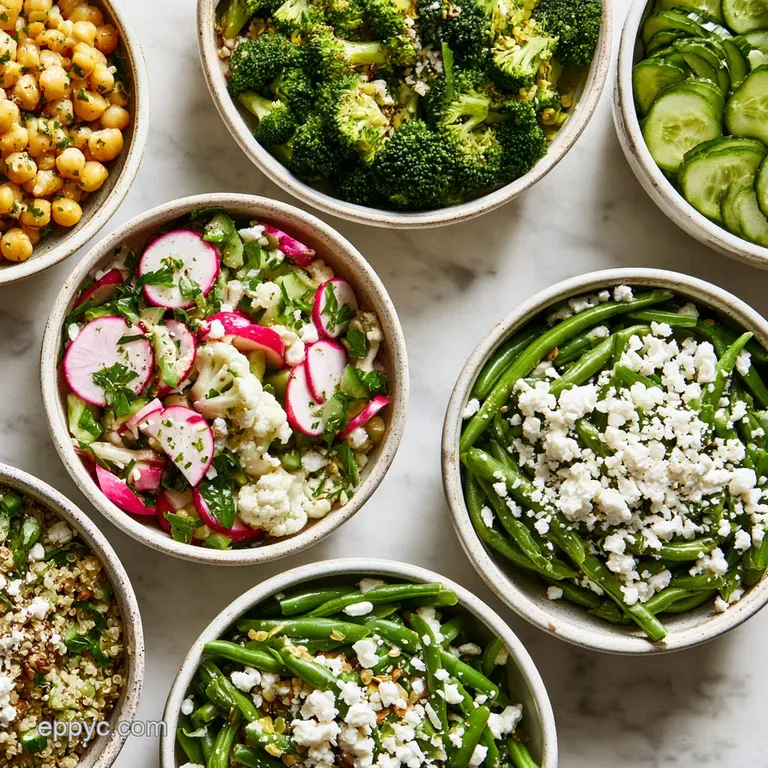
Fresh vegetable salads are the backbone of balanced meal planning, offering a quick way to add fiber and crunch to any dinner plate. Whether you're prepping a light lunch for the office or looking for a refreshing side to serve with grilled proteins, these recipes focus on raw textures and vibrant vinaigrettes.
Using whole vegetables and simple dressings keeps the prep time low without sacrificing variety. These options range from Mediterranean-inspired bowls with feta to classic broccoli slaws that hold up well for days in the fridge.
Mediterranean Salads with Feta Cheese
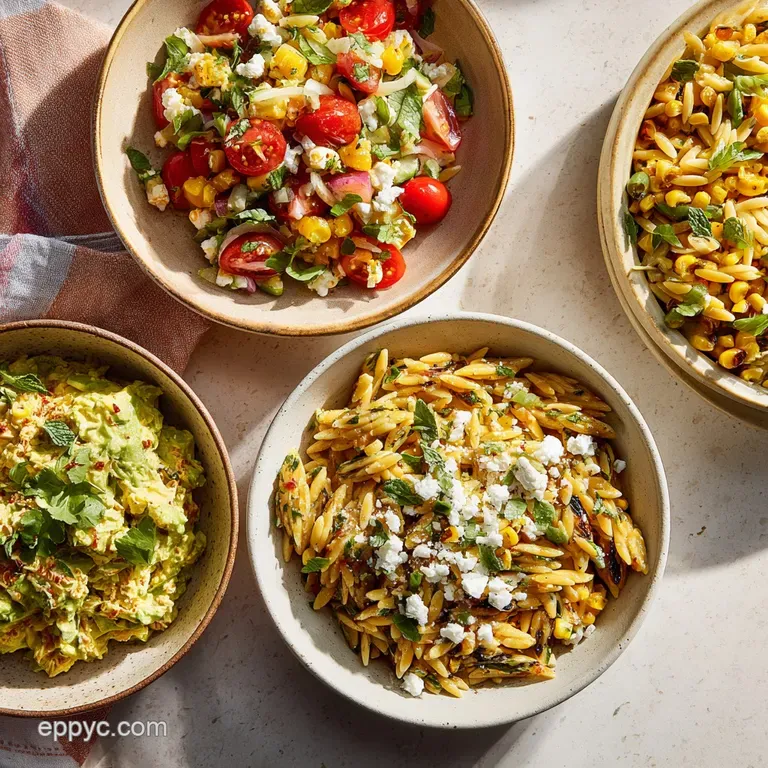
These bowls focus on the combination of salty cheese and olive oil-based dressings. They are distinguished by their Mediterranean flavor profiles and use of softer ingredients like avocado and canned chickpeas to create a more substantial dish.
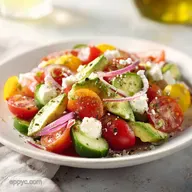
Creamy avocado meets salty feta in this Mediterranean salad. It is a quick assembly that provides healthy fats alongside traditional garden vegetables like sun-ripened tomatoes and crisp cucumbers.
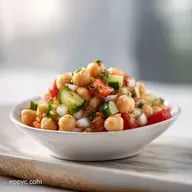
Protein-focused and fast, this bowl uses canned chickpeas and a tangy red wine vinaigrette. It is a reliable pantry-staple salad that holds up beautifully during transport or office lunches.
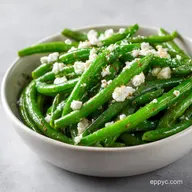
Briefly blanched green beans provide a snappy bite that pairs perfectly with crumbled feta and lemon. It is a bright alternative to traditional leaf-based salads for summer evening dining.
High-fiber ingredients and crisp textures define this group of recipes. Unlike the softer Mediterranean bowls, these focus on cruciferous vegetables, cooling roots, and whole grains that provide a more substantial bite and hold up well in storage.
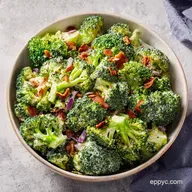
A fiber-forward option that swaps heavy mayo for a yogurt-based broccoli salad dressing. It maintains its crisp texture even after a few hours, making it ideal for outdoor gatherings.
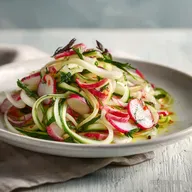
This cooling cucumber radish salad uses a distinct salting technique to ensure the vegetables stay vibrant. The maple dill dressing adds a refreshing, slightly sweet finish to every bite.
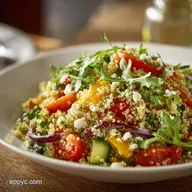
This filling Mediterranean quinoa salad works as a standalone lunch or a substantial side dish. It combines cooked grains with fresh vegetables for a meal-prep friendly result that lasts.
How do I keep vegetable salads from getting soggy?
Generally, it is best to add dressings right before serving, especially for leaf-based or cucumber salads. For hardier vegetables like broccoli or green beans, you can dress them earlier to help soften the texture slightly.
Can I prepare these salads for meal prep?
Most of these recipes work well for prep if you keep the dressing separate. Grain-based salads like quinoa or legume-based chickpea salads typically last longer in the fridge than fresh cucumber or avocado versions.
What is the best way to wash broccoli for salads?
Submerge the florets in cold water and swirl them to remove any debris, then dry them thoroughly with a clean towel or salad spinner. Dry florets allow the broccoli salad dressing to cling better to the surface.
How do I choose between a grain-based or vegetable-only salad?
Choose a grain-based salad when you need a more filling, standalone meal. Vegetable-only options are better suited as light sides for heavier main courses like grilled chicken or steak.
Should I dress the salad immediately or wait until serving?
For the crispest results with cucumber and radish, wait until just before eating. However, broccoli and quinoa salads often taste better after sitting for an hour to absorb the vinaigrette.