30Minute Beef Stir Fry with Vegetables
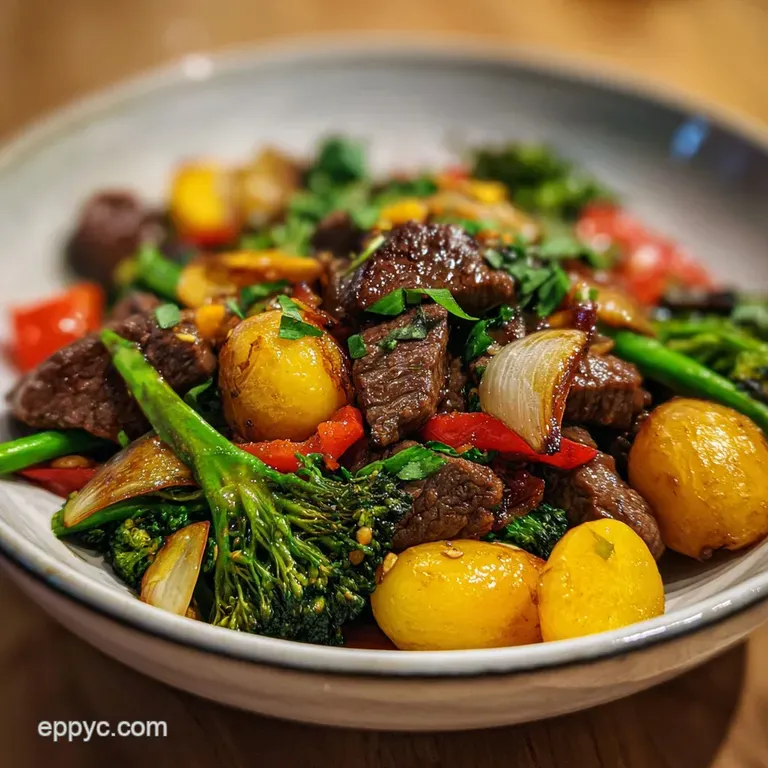
- Time: Active 15 minutes, Passive 10 minutes, Total 25 minutes
- Flavor/Texture Hook: Velvety beef and shattering vegetable crunch
- Perfect for: High pressure weeknights and budget-friendly meal prep
- Perfect 30Minute Beef Stir Fry with Vegetables
- Science of High Heat Sizzle
- Quick Specs for Cooking Success
- Component Analysis Deep Dive
- Selecting the Best Fresh Ingredients
- Essential Tools for Busy Cooks
- Master the Flash Frying Process
- Fix Common Stir Fry Mistakes
- Adjusting for Different Batch Sizes
- Debunking Stir Fry Kitchen Myths
- Storage and Zero Waste Tips
- Best Serving and Plating Ideas
- Very High in Sodium
- Recipe FAQs
- 📝 Recipe Card
Perfect 30Minute Beef Stir Fry with Vegetables
The sizzle of a screaming hot pan hitting cold, marinated beef is the sound of a successful Tuesday night in my kitchen. I remember the first time I tried making this; I crowded the pan, the heat dropped, and instead of a beautiful sear, I ended up with gray, boiled looking meat that felt like chewing on a rubber band.
It was a total disaster, but it taught me the most important lesson in stir frying: heat management is everything.
Now, I use my digital kitchen timer like a stopwatch for a race. This recipe is designed to empower you to stop fearing the high flame and start embracing the intentional char. We're not just throwing things in a pan; we are strategically layering textures to create something that feels like it cost forty dollars at a bistro, all while keeping our budget in check.
You'll love how the ginger hits your nose the second it touches the oil, followed by the deep, salty aroma of the oyster sauce. This isn't just about getting food on the table; it's about the technology of the wok or your favorite heavy skillet and how we can use simple physics to get that specific "wok hei" flavor at home.
Let's get into the mechanics of why this works so well.
Science of High Heat Sizzle
Protein Denaturation: Slicing the beef against the grain shortens muscle fibers, while the cornstarch coating creates a protective barrier that prevents moisture from escaping during over high heat contact.
The Maillard Reaction: Rapidly heating the beef at 375°F triggers a chemical reaction between amino acids and reducing sugars, producing the deep brown color and complex savory flavors.
Starch Gelatinization: The cornstarch in the sauce absorbs the beef broth and soy sauce, swelling and thickening into a glossy film that clings to the vegetables instead of pooling at the bottom.
| Thickness | Internal Temp | Rest Time | Visual Cue |
|---|---|---|---|
| 1/4 inch strips | 145°F | 2 minutes | Opaque brown with no red juice |
| 1/2 inch cubes | 150°F | 3 minutes | Slightly firm to the touch |
| 1/8 inch shards | 140°F | 1 minute | Immediate color change upon contact |
The table above helps you decide exactly when to pull your beef off the heat. Since we are working with thin 1/4 inch strips, the transition from raw to tender happens in seconds, not minutes. If you are looking for more ways to use these techniques, you might enjoy my Beef Broccoli Recipe which uses a similar over high heat approach.
Quick Specs for Cooking Success
This recipe is a masterclass in efficiency, focusing on the interplay between wet and dry heat. We use the moisture from the vegetables to lightly steam them while the beef benefits from the direct conduction of the pan.
It is a delicate balance that ensures the carrots are soft enough to bite but the snap peas still provide a literal "snap" when you eat them.
Component Analysis Deep Dive
| Ingredient | Science Role | Pro Secret |
|---|---|---|
| Cornstarch | Texture modifier | Always whisk into cold liquid to prevent clumping. |
| Toasted Sesame Oil | Aromatic fat | Add at the end of marinades to preserve its volatile scent. |
| Brown Sugar | Caramalization agent | Balances the sodium while helping the sauce "stick" to the beef. |
| Fresh Ginger | Enzyme tenderizer | Contains zingibain, which helps break down tough protein fibers. |
The choice of flank steak is intentional for our budget smart goals. It is lean and flavorful but can be tough if handled incorrectly. By using a "velveting" technique marinating it in cornstarch and soy sauce we create a silky texture that mimics more expensive cuts like tenderloin.
Selecting the Best Fresh Ingredients
- 1 lb flank steak: Sliced against the grain into 1/4 inch strips. Why this? It absorbs marinades beautifully and cooks in under 3 minutes.
- Substitute: Sirloin tips or flat iron steak.
- 1 tbsp cornstarch (for beef): Used to "velvet" the meat. Why this? Creates a silky exterior and locks in internal juices.
- Substitute: Arrowroot powder.
- 1 tbsp light soy sauce: Adds initial seasoning to the beef. Why this? Seasons the meat from the inside out.
- Substitute: Tamari for a gluten-free option.
- 1 tsp toasted sesame oil: Provides a nutty base. Why this? A little goes a long way for depth.
- Substitute: Peanut oil with a drop of tahini.
- 1/2 cup low sodium beef broth: The liquid base for the sauce. Why this? Controls salt levels while adding meaty flavor.
- Substitute: Vegetable broth or even water in a pinch.
- 1/4 cup soy sauce: The primary salt source for the sauce. Why this? Gives the classic umami backbone.
- Substitute: Coconut aminos (use 1.5x the amount).
- 2 tbsp oyster sauce: Adds thickness and complexity. Why this? It is the secret to that restaurant style "dark" sauce.
- Substitute: Vegetarian mushroom sauce.
- 1 tbsp brown sugar: Provides a hint of sweetness. Why this? Rounds out the sharp saltiness of the soy.
- Substitute: Honey or maple syrup.
- 1 tbsp fresh ginger: Grated finely. Why this? Essential for that bright, zingy bite.
- Substitute: 1 tsp ground ginger.
- 3 cloves garlic: Minced. Why this? Aromatics are the heart of any stir fry.
- Substitute: 1 tsp garlic powder.
- 1 tbsp cornstarch (for sauce): The thickening agent. Why this? Creates the glossy, translucent finish.
- Substitute: Potato starch.
- 2 cups broccoli florets: Cut into bite sized pieces. Why this? The "trees" soak up the sauce perfectly.
- Substitute: Cauliflower.
- 1 large bell pepper: Sliced into strips. Why this? Adds sweetness and a pop of color.
- Substitute: Sliced zucchini.
- 1 cup snap peas: Trimmed. Why this? Provides an essential crunchy texture.
- Substitute: Snow peas or green beans.
- 1 medium carrot: Julienned. Why this? Cooks quickly and adds visual appeal.
- Substitute: Pre shredded coleslaw mix.
- 3 stalks green onions: Cut into 1 inch pieces. Why this? Adds a fresh, sharp finish.
- Substitute: Chives.
- 3 tbsp neutral oil: Such as canola or grapeseed. Why this? High smoke point is required for searing.
- Substitute: Avocado oil.
Essential Tools for Busy Cooks
I always tell my friends that a digital thermometer is a cook’s best friend, but in stir frying, your ears and eyes are your most important sensors. You need a large carbon steel wok or a heavy 12 inch cast iron skillet.
The goal is heat retention; thin aluminum pans will lose temperature the second you add the food, leading to soggy vegetables.
Chef Tip: Freeze your beef for 15 minutes before slicing. This firms up the fat and muscle, allowing you to get those paper thin, professional strips without the meat sliding around under your knife.
Master the Flash Frying Process
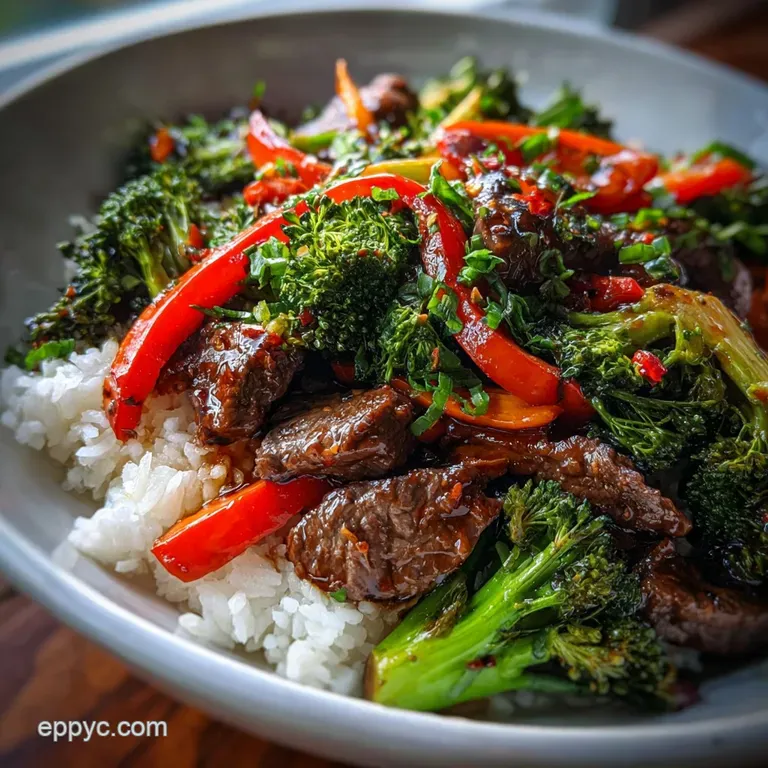
- Prep the beef. Toss the 1 lb sliced flank steak with 1 tbsp cornstarch, 1 tbsp light soy sauce, and 1 tsp sesame oil in a bowl. Note: Let this sit for 10 minutes to allow the cornstarch to bond with the meat fibers.
- Whisk the sauce. In a separate jar, combine the 1/2 cup beef broth, 1/4 cup soy sauce, 2 tbsp oyster sauce, 1 tbsp brown sugar, grated ginger, minced garlic, and the remaining 1 tbsp cornstarch. Note: Shake well right before using as the starch settles at the bottom.
- Heat the pan. Add 2 tbsp of neutral oil to your skillet over high heat until the oil is shimmering and just starting to smoke.
- Sear the meat. Add the beef in a single layer, working in two batches if necessary. Cook 2 minutes until deeply browned and slightly crispy on the edges.
- Remove beef. Transfer the cooked steak to a plate. Note: We do this to prevent the beef from overcooking while the vegetables soften.
- Sauté the vegetables. Add the remaining 1 tbsp of oil, then toss in the 2 cups broccoli and julienned carrot. Cook 2 minutes until the broccoli turns a vibrant, neon green.
- Add quick cook veggies. Throw in the 1 cup snap peas and sliced bell pepper. Stir constantly for 1 minute until the peppers slightly soften.
- Combine. Return the beef and any juices on the plate back into the pan with the vegetables.
- Thicken the sauce. Pour the sauce mixture over the ingredients. Cook 1-2 minutes until the liquid bubbles and turns translucent and glossy.
- Final touch. Stir in the green onions and remove from heat immediately. Serve while the vegetables are still bright and the sauce is velvety.
Fix Common Stir Fry Mistakes
One of the biggest hurdles I see with this 30Minute Beef Stir Fry with Vegetables is "skillet stewing." This happens when the pan isn't hot enough or you add too many vegetables at once, causing them to release water and steam rather than fry.
Why Your Beef is Tough and Chewy
If the meat feels like leather, you likely sliced it with the grain rather than against it. Muscle fibers are like a bundle of straws; if you cut across the straws, they are easy to chew. If you cut along them, you are trying to bite through long, unbroken strings.
| Problem | Root Cause | Solution |
|---|---|---|
| Watery Sauce | Starch didn't reach boiling | Ensure the sauce bubbles for at least 30 seconds to activate the cornstarch. |
| Soggy Vegetables | Pan overcrowding | Cook in batches or use a larger pan to allow moisture to evaporate. |
| Burnt Garlic | Added too early | Add aromatics like garlic and ginger with the sauce or only in the last 30 seconds of frying. |
Common Mistakes Checklist
- ✓ Pat the beef dry with a paper towel before marinating to ensure a better sear.
- ✓ Cut all vegetables to a uniform size so they cook at the same rate.
- ✓ Never use cold beef straight from the fridge; let it sit out for 10 minutes.
- ✓ Whisk the sauce slurry immediately before pouring into the pan.
- ✓ Use an oil with a high smoke point (avoid extra virgin olive oil).
Adjusting for Different Batch Sizes
When you need to feed a crowd, don't just double everything and throw it in one pan. For scaling up (2x), you must cook the beef in four batches and the vegetables in two.
If you crowd the pan, you will lose the "fry" and end up with a "braise." Spices should be increased to 1.5x only to avoid an overpowering saltiness, as the surface area of the meat doesn't double in the same way the volume does.
If you are scaling down (1/2), keep the cook times mostly the same, but use a smaller 8 inch skillet to prevent the sauce from evaporating too quickly. For a different take on these flavors, you might want to try a Slow Cooker Beef recipe if you're not in a 30 minute rush.
| Premium Ingredient | Budget Alternative | Flavor Impact | Savings |
|---|---|---|---|
| Fresh Ginger Root | Ground Ginger | Less "bite", more earthy | $2.00 |
| Flank Steak | Sliced Chuck Roast | Slightly fattier, need thinner slices | $4.00 |
| Snap Peas | Frozen Green Beans | Softer texture, similar sweetness | $3.00 |
Debunking Stir Fry Kitchen Myths
"You need a wok to make a good stir fry." This is simply untrue. While a wok has high sides for tossing, a heavy bottomed stainless steel or cast iron skillet has better heat retention for most home stoves, which often lack the BTU power of a commercial wok burner.
"The sauce needs to marinate for hours." In a over high heat stir fry, the sauce is a coating, not a deep penetrating brine. The 10 minutes it takes to prep your vegetables is all the time the beef needs to benefit from the cornstarch and soy.
Storage and Zero Waste Tips
Storage: Keep leftovers in an airtight glass container in the fridge for up to 3 days. When reheating, do it in a pan over medium heat with a splash of water to loosen the sauce, rather than the microwave, which can turn the beef rubbery.
Zero Waste: Don't toss those broccoli stalks! Peel the woody outer layer, slice the tender core into matchsticks, and throw them in with the carrots. They have a wonderful sweetness and add extra volume to the meal for zero extra cost.
If you have leftover bell pepper scraps, dice them and freeze them for your next morning omelet.
Best Serving and Plating Ideas
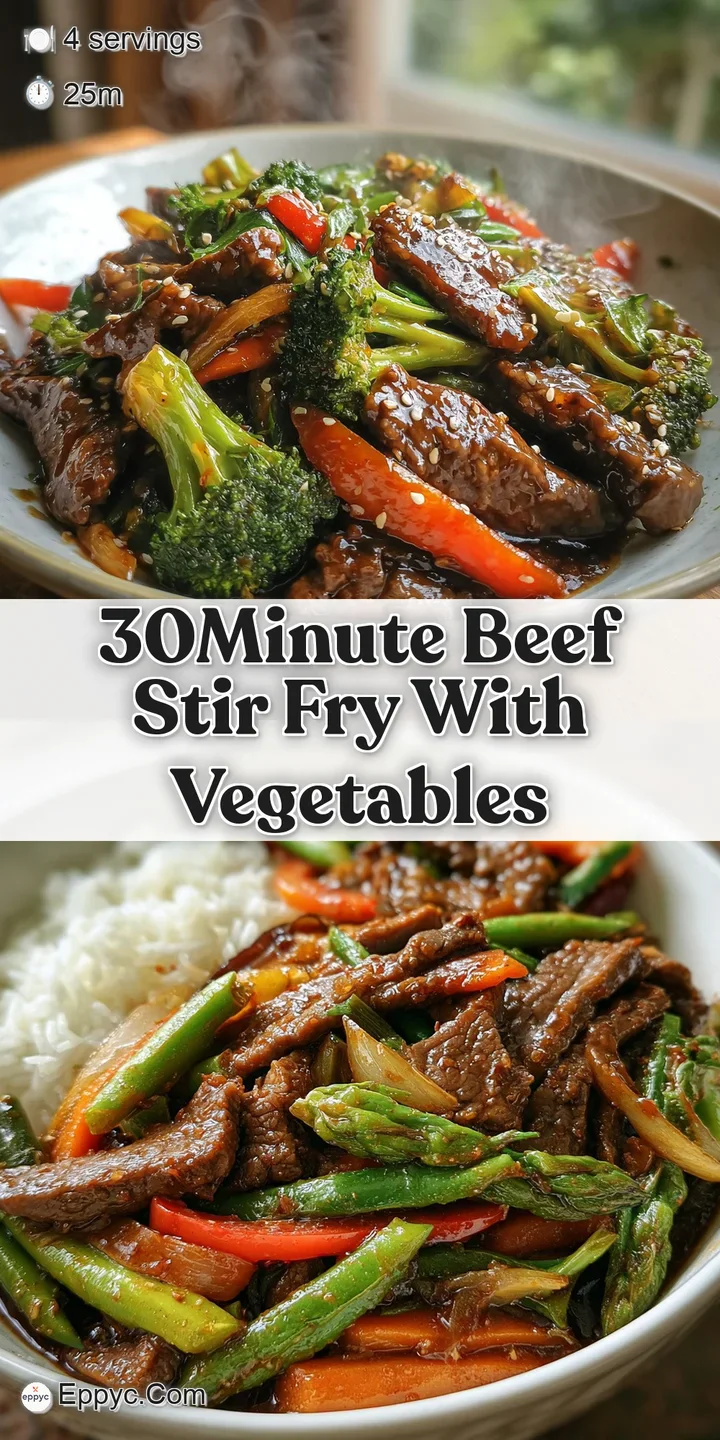
I usually serve this over a bed of fluffy jasmine rice or rice noodles to soak up every drop of that glossy sauce. If you want a low carb swap, cauliflower rice works surprisingly well because the bold flavors of the ginger and garlic mask the vegetable's neutral taste.
For a true restaurant feel, garnish with a sprinkle of toasted sesame seeds and some extra sliced green onions at a sharp diagonal. If you want to take it a step further, a drizzle of chili oil adds a tech forward "upgrade" to the flavor profile that balances the sweetness of the brown sugar perfectly.
It's a heartfelt meal that proves you don't need a lot of time or money to eat like royalty.
Very High in Sodium
1480 mg mg of sodium per serving (64% % of daily value)
American Heart Association recommends limiting sodium intake to about 2,300mg per day.
Sodium Reduction Strategies for Stir Fry Recipe
-
Low-Sodium Broth-30%
Swap regular beef broth with a low-sodium or no-sodium alternative. This can significantly reduce the overall sodium content.
-
Reduce Soy Sauce-20%
Decrease the amount of regular soy sauce used and replace it with low-sodium soy sauce or tamari. Start with half the amount and adjust to taste.
-
Oyster Sauce Alternative-20%
Oyster sauce is high in sodium. Use a smaller amount, or replace it with a homemade sauce using low-sodium soy sauce, a touch of brown sugar, and cornstarch.
-
Marinade Adjustments-15%
Control the sodium content in the flank steak marinade by using more fresh ginger, garlic, and sesame oil while reducing the light soy sauce to a minimum or consider omitting it altogether.
-
Spice It Up!
Enhance the flavor with sodium free herbs and spices like black pepper, red pepper flakes, garlic powder (instead of garlic salt), or onion powder to compensate for reduced salt.
Recipe FAQs
Can I stir fry meat and vegetables together?
Yes, but not for the entire duration. Cook the beef separately first until seared, then remove it. Add the vegetables next, and only combine the meat back into the pan right before adding the sauce to prevent the beef from overcooking.
What are some good 30-minute meals?
This beef stir fry is an excellent option for rapid weeknight dinners. Quick meals rely on high heat and thinly sliced proteins, allowing for nearly instantaneous cooking. For another fast option utilizing similar flavor principles, try the Mongolian Ground Beef recipe.
How many minutes to cook beef stir fry?
The active cooking time is approximately 15 minutes, making the total time under 30 minutes. The key is high heat; the thinly sliced beef only needs about 2 minutes per side to achieve the perfect sear.
What is the secret ingredient in stir fry?
The secret is the combination of oyster sauce and cornstarch for texture and depth. Oyster sauce provides that complex, savory backbone, while the cornstarch protects the beef through velveting and thickens the sauce to a glossy coating.
How to properly slice beef for a fast stir fry?
Freeze the beef for 15 minutes until slightly firm before slicing. Slice the flank steak thinly (about 1/4 inch strips) directly against the grain to ensure the muscle fibers are short, resulting in tender bites.
Is it true I must use a wok for stir frying?
No, this is a common misconception. A heavy bottomed cast iron skillet retains heat very well and can achieve the necessary high temperatures for searing, especially if you cook the meat in batches.
What liquid ingredient can I use instead of beef broth for the sauce?
You can use vegetable broth or even plain water if you compensate slightly with more soy sauce. If you prefer a slow cooked, deeply flavored dish instead of a high heat, quick version, consider adapting this flavor profile to our Slow Cooker Soups recipe.
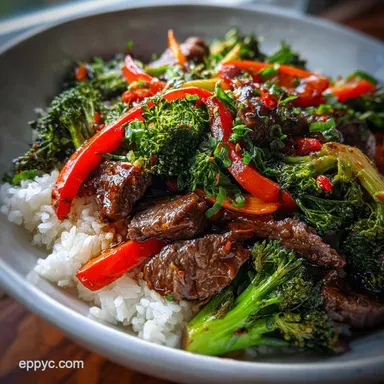
30 Minute Beef Stir Fry
Ingredients:
Instructions:
Nutrition Facts:
| Calories | 418 kcal |
|---|---|
| Protein | 27.4 g |
| Fat | 22.5 g |
| Carbs | 19.8 g |
| Fiber | 3.4 g |
| Sugar | 7.2 g |
| Sodium | 1480 mg |
