Authentic Spanish Rice Recipe
- Time: Active 10 minutes, Passive 25 minutes, Total 35 minutes
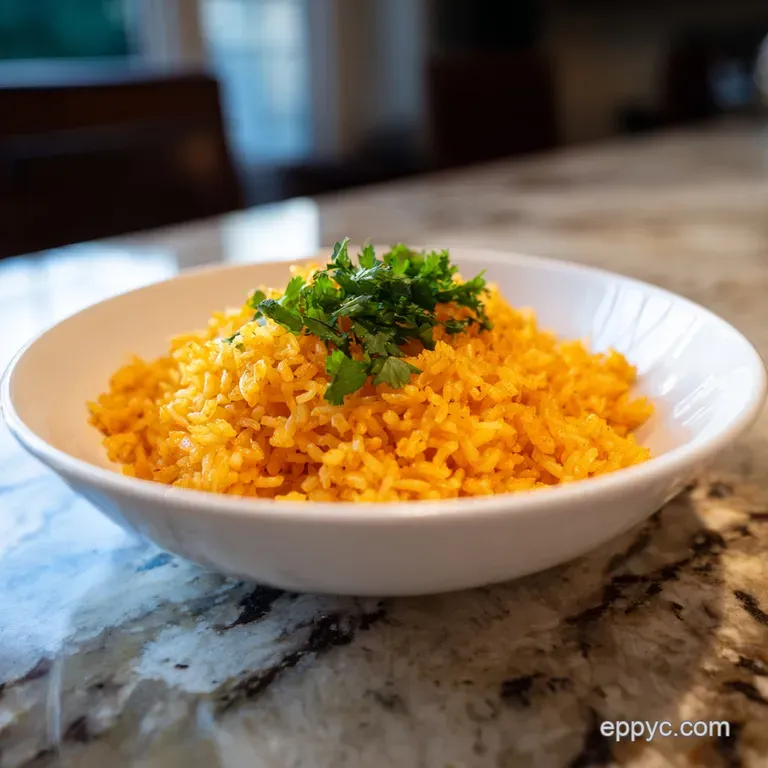
- Flavor/Texture Hook: Fluffy, separate grains with a smoky, citrus bright finish
- Perfect for: Hearty weeknight sides or a base for grilled proteins
- Why This Spanish Rice Recipe Always Wins
- Science of the Golden Toast
- Performance Data and Timing
- Essential Elements for Flavor
- Tools for Culinary Success
- Executing the Cooking Flow
- Solving Common Texture Issues
- Swapping Ingredients for Variety
- Smart Storage and Recovery
- Finishing and Presentation
- Recipe FAQs
- 📝 Recipe Card
Why This Spanish Rice Recipe Always Wins
The first time I really nailed a spanish rice recipe, it wasn't because of some expensive gadget or a secret spice from a hidden market. It was the sound. I remember standing over my heavy skillet, heart racing, as I tossed the dry grains into shimmering olive oil.
That specific, frantic sizzle the sound of rice hitting heat is where the magic starts. Within seconds, the kitchen filled with a scent that I can only describe as "toasted sunshine." It was nutty, warm, and promised something far better than the mushy, orange tinged rice I’d struggled with for years.
We’ve all been there, right? You follow the back of the box, and you end up with a sticky, lukewarm clump that tastes mostly of salt and disappointment. But when you get this right, the rice doesn't just sit on the plate; it commands it.
Each grain stays separate, coated in a velvety layer of tomato and spice, yielding just enough to the tooth without being crunchy. It’s a heartfelt tribute to the Sunday family dinners I used to watch through the steam of a crowded kitchen.
Honestly, the trick is to stop treating rice like a side dish and start treating it like a technology of flavor. You have to understand how the heat interacts with the starch and how the aromatics build a foundation that supports the rest of the meal.
Once you master this flow, you’ll never look at a bag of long grain rice the same way again. Let’s get into the mechanics of why this works so you can empower your own cooking with total confidence.
Science of the Golden Toast
Dextrinization: Heating the dry rice grains in oil breaks down surface starches into dextrins, which creates a nutty flavor profile and prevents the grains from sticking together into a gummy mass.
Fat Soluble Infusion: Smoked paprika and saffron release their primary flavor compounds much more effectively when toasted in oil (extra virgin olive oil) rather than just being boiled in water.
Starch Gelatinization: By maintaining a strict 1:2 ratio of rice to liquid (4 cups broth for 2 cups rice), we ensure the grains absorb just enough moisture to soften without rupturing the cell walls.
| Method | Time | Texture | Best For |
|---|---|---|---|
| Stovetop | 35 minutes | Defined grains with a slight "bite" | Maximum flavor control and traditional results |
| Instant Pot | 22 minutes | Softer, more uniform hydration | Busy weeknights when you need hands off prep |
| Rice Cooker | 40 minutes | Extremely fluffy and airy | Beginners who want guaranteed results every time |
Choosing the right method depends on your digital toolset and how much you want to engage with the cooking process. The stovetop method remains my favorite because you can smell the transition from raw to toasted, which is a sensory cue no machine can replicate.
Performance Data and Timing
To truly empower your kitchen workflow, you need to know exactly what is happening at every stage. Cooking is often a series of precise checkpoints that ensure the final result matches your vision. This isn't just about following steps; it's about understanding the timing and the state of your ingredients.
- Checkpoint 1 (Grain State): After 5 minutes of toasting, the rice should be opaque and smell like popcorn.
- Checkpoint 2 (The Simmer): Once the lid is on, the liquid should maintain a gentle, rhythmic bubbling, not a violent boil.
- Checkpoint 3 (Internal Temperature): Though rarely measured, the rice is finished when it hits approximately 98°C internally, which coincides with the full absorption of the broth.
Essential Elements for Flavor
Success in this spanish rice recipe depends heavily on the quality of your components. I always reach for extra virgin olive oil because its low smoke point isn't an issue here, and its fruity undertones are vital for authenticity.
Using low sodium chicken broth is a digital age must; it allows you to control the seasoning precisely without the broth dictates the salt levels for you.
Component Analysis
| Ingredient | Science Role | Pro Secret |
|---|---|---|
| Long grain white rice | Structural base | Rinse twice to remove excess surface starch dust before toasting |
| Tomato paste | Umami & Color | Sauté until it turns a deep rust color to remove the metallic "raw" taste |
| Smoked paprika | Aromatic depth | Use Pimentón de la Vera for that authentic, campfire smoky finish |
| Saffron threads | Floral complexity | Crush them between your fingers to increase surface area for better infusion |
For the rice base, stick to 2 cups of long grain white rice. It has the right amylose content to stay separate. If you’re looking to explore other rice textures, you might find the techniques in our How to Perfectly recipe useful for understanding shorter grain behavior.
For the Aromatics and Color
- White onion (1 small): Provide the sweetness and foundational moisture.
- Garlic (3 cloves): Mince them finely, or even better, use a microplane to create a paste that melts into the grains.
- Red bell pepper (1 chopped): Adds a subtle crunch and a pop of color that mirrors the paprika.
For the Garnish
- Fresh parsley (1/4 cup): Adds a much needed grassy brightness to cut through the smoke.
- Lemon wedges (1 lemon): The acid wakes up the saffron and balances the richness of the olive oil.
Tools for Culinary Success
You don't need a high end laboratory, but a few specific pieces of equipment will make your life much easier. I highly recommend a heavy bottomed skillet or a Dutch oven (like those from Le Creuset). The heavy base prevents hot spots that can scorch the rice before the center is cooked.
A digital timer is also your best friend here. Rice is sensitive to time; 2 minutes too long and it's dry, 2 minutes too short and it's crunchy. Finally, a tight fitting lid is non negotiable.
If your lid is loose, place a clean kitchen towel between the pot and the lid to create a "steam seal" that keeps the moisture where it belongs.
Executing the Cooking Flow
Right then, let's get into the rhythm of the cook. This is where your focus pays off. Don't rush the toasting; it's the most important part of the entire spanish rice recipe.
- Prep and Rinse. Place your 2 cups of long grain rice in a fine mesh sieve. Rinse under cold water until the cloudy starch disappears. Note: This prevents the rice from becoming a sticky glob later.
- The Golden Toast. Heat 3 tbsp of olive oil in your pan over medium heat. Add the rice and stir constantly for 5 minutes until grains are opaque and smelling nutty.
- Aromatic Base. Toss in the diced onion and red bell pepper. Sauté for 3 minutes until the onion turns translucent and soft.
- The Garlic Bloom. Add the 3 cloves of minced garlic. Stir for 30 seconds just enough to smell it without letting it brown.
- Tomato Intensification. Stir in 2 tbsp of tomato paste. Cook for 2 minutes until it darkens and clings to the rice.
- Spicing Up. Sprinkle in 1 tsp smoked paprika, 1 tsp salt, 1/2 tsp pepper, and the crushed saffron. Stir to coat every grain in the red gold mixture.
- The Simmer. Pour in 4 cups of chicken broth. Bring to a boil, then immediately turn the heat to low and cover.
- The Waiting Game. Let it simmer undisturbed for 18 minutes. Do not lift the lid.Note: Lifting the lid drops the temperature and ruins the steam cycle.
- The Rest. Turn off the heat. Keep the lid on for 5 more minutes. This allows the moisture to redistribute through the grains.
- The Fluff. Remove the lid and use a fork to gently lift the rice. Fold in the fresh parsley and serve with lemon wedges.
This flow is very similar to the technique used in our How to Perfectly recipe, where the focus is on maintaining heat consistency to build that perfect texture.
Solving Common Texture Issues
Rice can be temperamental. If things don't go according to plan, don't panic. Most issues can be traced back to heat management or liquid ratios. If you've ever ended up with a pot of "rice soup," you likely didn't have a tight enough seal on your lid.
Why is my rice mushy?
This usually happens because there was too much liquid or the rice was over stirred during the simmering phase. Stirring releases starch, which creates a creamy texture great for risotto, but bad for Spanish rice. Next time, ensure you're using exactly 4 cups of broth and leave the spoon alone once the lid goes on. Check out my How to Make recipe if you're looking for that specific, more hydrated arroz style that leans toward the wetter side.
Why is my rice crunchy?
If the middle is still hard, the liquid evaporated too quickly before the starch could fully gelatinize. This often happens if the heat was too high or the lid didn't fit properly.
| Problem | Root Cause | Solution |
|---|---|---|
| Grains are scorched on bottom | Heat was too high during the simmer | Use a heat diffuser or a lower burner setting |
| Rice is bland | Under toasting the spices or lack of salt | Toast paprika in oil for 30 seconds before adding broth |
| Grains are sticky | Surface starch wasn't rinsed or toasted | Rinse until water is clear and toast until opaque |
Common Mistakes Checklist:
- ✓ Skipping the rinse: This is the number one cause of "clumpy" rice.
- ✓ Peeking under the lid: Every time you look, you add 2 minutes to the cook time and lose steam.
- ✓ Boiling too hard: A violent boil breaks the grains; keep it to a gentle simmer.
- ✓ Forgetting the rest: The 5 minute rest period is when the grains actually finish "setting."
- ✓ Using cold broth: While not fatal, using room temp or warm broth helps the pot return to a boil faster.
Swapping Ingredients for Variety
One of the things I love about this spanish rice recipe is how adaptable it is. If you're out of chicken broth, vegetable broth works beautifully and keeps it vegetarian friendly. If you want a bit more heft, you can turn this into a Spanish Rice Recipe with Ground Beef by browning 500g of beef before you start the rice and setting it aside to mix back in at the end.
| Original Ingredient | Substitute | Why It Works |
|---|---|---|
| Smoked Paprika | Chipotle Powder | Adds a similar smokiness but with significantly more heat. |
| Tomato Paste | Saffron infused Tomato Sauce | Provides moisture and color. Note: Reduce broth by 1/4 cup. |
| Saffron | Turmeric (1/2 tsp) | Provides a similar yellow hue. Note: Misses the floral aroma. |
If you are looking for a Spanish Rice Recipe Instant Pot version, reduce the chicken broth to 2.5 cups for the same 2 cups of rice, as there is almost zero evaporation in a pressure cooker. Set it for 7 minutes on high pressure with a 10 minute natural release.
Smart Storage and Recovery
Storing leftovers properly is a heartfelt gift to your future self. This rice keeps remarkably well because the oil coating on the grains prevents them from drying out into a solid brick.
- Fridge: Store in an airtight container for up to 4 days.
- Freezer: This rice freezes beautifully! Place cooled rice in a freezer bag, flatten it out, and store for up to 3 months.
- Zero Waste Tip: If you have leftover scraps of the bell pepper or onion, finely mince them and freeze them in an ice cube tray with a little oil. These "flavor bombs" are perfect for starting your next batch of rice or a quick stir fry.
- Reheating: To regain that velvety texture, add a tablespoon of water or broth per cup of rice before microwaving. Cover it so it steams as it heats.
Finishing and Presentation
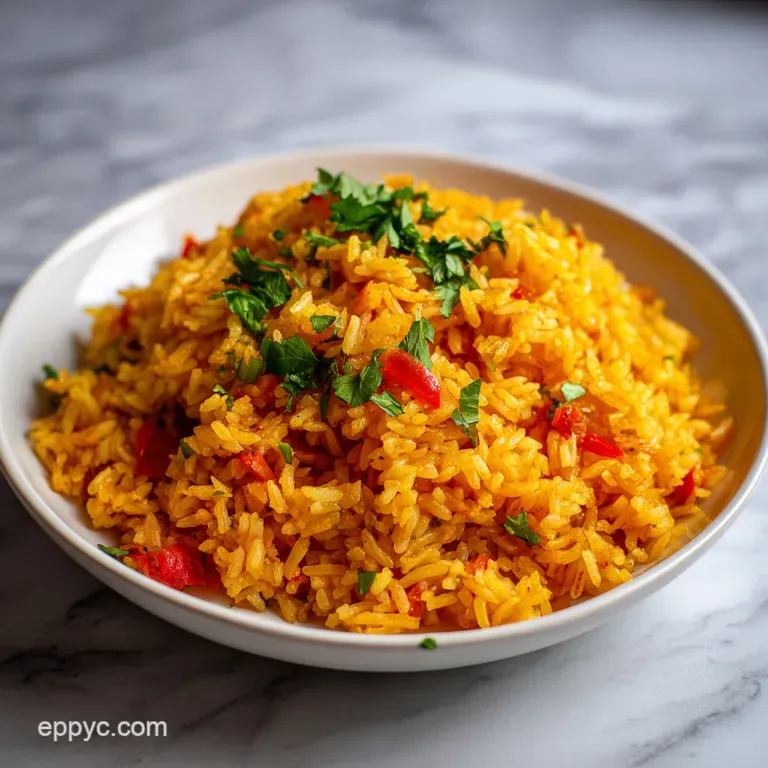
Don't just scoop this onto a plate. The way you finish the dish empowers the flavors to reach their full potential. I always suggest a heavy hand with the fresh parsley it provides a visual and flavor contrast to the deep reds of the rice.
Achieving Non Sticky Grains
The secret to that "shatter" of individual grains is all in the fluffing. Never use a spoon; it crushes the rice. Use a wide pronged fork to gently lift and separate. This incorporates air and stops the cooking process instantly.
For a Spicy Kick
If you like heat, dice a jalapeño and sauté it with the bell peppers. Alternatively, a drizzle of hot honey or a dash of cayenne pepper added with the paprika can provide a modern twist to this traditional Spanish rice dish.
The Importance of Carryover Steam
Remember that the rice is still cooking even after you turn the burner off. That 5 minute rest is when the last bits of moisture in the center of the grain move to the outside, ensuring a uniform texture. It’s the difference between "good" rice and "the best spanish rice recipe" your friends have ever tasted.
Trust the process, keep the lid on, and let the steam do the heavy lifting. Now, grab those lemon wedges and let's eat!
Recipe FAQs
What are the ingredients of Spanish rice?
The core ingredients are long grain white rice, olive oil, tomato paste, chicken or vegetable broth, onion, garlic, and essential spices like smoked paprika and saffron. The toasting of the rice in oil and spices is crucial for developing the signature smoky, nutty flavor base before adding the liquid.
What is the difference between Mexican rice and Spanish rice?
Generally, Mexican rice (or Arroz Rojo) heavily features tomato puree or sauce, resulting in a distinctly red color and a brighter, more acidic flavor profile. Traditional Spanish rice (Arroz a la Mexicana, or sometimes a simpler Saffron Rice) relies more on saffron for color and often uses less
tomato, focusing instead on depth from toasted grains and aromatics.
Why does Mexican restaurant rice taste better?
Restaurant rice achieves superior flavor depth primarily through the toasting of the dry rice grains in oil before liquid is added, combined with properly blooming the spices. They also often use high-quality, rich chicken broth instead of water. If you master this toasting step, you'll see immediate improvement; see how that foundational flavor building works in our How to Cook recipe.
What seasoning goes in Mexican rice?
The essential seasonings are salt, cumin, garlic powder, and onion powder, combined with tomato (paste or sauce) for color and body. Authentic Spanish versions substitute the cumin/garlic powder blend with saffron threads and smoked paprika for a warmer, earthier tone.
Do I need to rinse the rice before making Spanish rice?
Yes, rinsing the rice until the water runs clear is highly recommended for that fluffy, non-gummy texture. Rinsing removes the excess surface starch that would otherwise turn into a starchy paste during cooking, leading to overly sticky results.
Can I substitute saffron with something else for color?
Yes, you can substitute saffron with a small amount of turmeric for color, but you will sacrifice the unique floral aroma. Turmeric provides the characteristic yellow hue but lacks saffron's complex flavor profile. If you enjoyed balancing the flavor intensity here, you might appreciate how we handle subtle color and flavor shifts when cooking with specialty grains in our How to Make recipe.
How long should I toast the dry rice grains?
Toast the rice in hot oil over medium heat for about 5 to 7 minutes until the grains turn opaque and smell faintly of toasted nuts or popcorn. This critical step coats the exterior of the starch, sealing it so it absorbs the broth slowly and stays separate, rather than turning into a homogeneous mass.
Authentic Spanish Rice Recipe
Ingredients:
Instructions:
Nutrition Facts:
| Calories | 304 kcal |
|---|---|
| Protein | 5.9 g |
| Fat | 7.1 g |
| Carbs | 52.4 g |
| Fiber | 1.8 g |
| Sugar | 2.1 g |
| Sodium | 448 mg |
