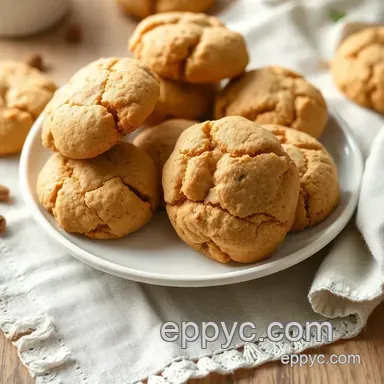
Classic Vanilla Cookies Without Brown Sugar in 27 Minutes
- Time: 15 min active + 12 min baking
- Flavor/Texture Hook: Pale golden edges with a soft, buttery center
- Perfect for: Quick afternoon cravings or a simple tea time treat
There is something truly blissful about the aroma of warm vanilla filling a home. It's a comforting scent that demands your full attention and a fresh cookie. I once believed brown sugar was essential for that "bakery style" softness, but the secret actually lies in how you work the butter.
Achieving a gourmet result doesn't require an array of specialty sugars. These cookies are light and crisp in flavor, highlighting a rich, buttery vanilla base. Omitting the brown sugar creates a lighter crumb and allows the vanilla to take center stage.
The objective is a cookie that melts in your mouth while maintaining its structure. When preparing these Classic Vanilla Cookies Without Brown Sugar, aeration and precise timing are key. It is an effortless process that yields an impressive result with minimal work.
Classic Vanilla Cookies Without Brown Sugar
The trick is all in the air. When you beat white sugar into room temperature butter for a few minutes, you're creating tiny air pockets. These pockets expand when they hit the oven heat, giving the cookies a lift and a tenderness that usually comes from the acidity in brown sugar.
Because we aren't using molasses, the dough stays pale. This means the cookies don't brown as quickly, so you have to rely on your nose and the very edge of the cookie to know when they're done. If you wait until the whole cookie is brown, you've overbaked them.
The Ingredient Logic
Getting the balance of fat and flour is what keeps these from spreading into one giant pancake. The all purpose flour provides the structure, while the butter ensures they stay tender. If you want a more intense profile, using homemade vanilla essence adds a depth that store-bought versions sometimes miss.
Since we are using only white sugar, the flavor is very "clean." Here is how the fresh versus shortcut approach changes the outcome:
| Component | Fresh Approach (Vanilla Bean) | Shortcut Approach (Extract) | Impact on Result |
|---|---|---|---|
| Flavor | Deep, floral, visible specks | Bright, consistent, standard | Bean is more complex |
| Cost | Higher per batch | Very low | Extract is budget friendly |
| Prep | Scraping pods takes time | Instant pour | Extract is faster |
And here is exactly what each part of the dough is doing for you:
| Component | Purpose | Substitute Notes |
|---|---|---|
| Unsalted Butter | Provides richness and lift | Salted butter: Reduce added salt by 1/4 tsp |
| White Sugar | Sweetness and crisp edges | Caster sugar: Results in a finer crumb |
| All Purpose Flour | Structural base | Almond flour: Much softer, may spread more |
| Baking Powder | Chemical lift | Baking soda: Use 1/4 tsp + 1/2 tsp cream of tartar |
The Essential Shopping List
Grab these items from your pantry. Make sure your egg and butter are actually at room temperature, or the dough will break and look curdled.
- Unsalted butter (225g / 1 cup), softened Why this? Creates the aerated base for softness
- White granulated sugar (200g / 1 cup) Why this? Provides a clean sweetness
- Large egg (50g / 1), room temperature Why this? Binds ingredients and adds moisture
- Pure vanilla extract (10ml / 2 tsp) Why this? The primary flavor profile
- All purpose flour (310g / 2 ½ cups) Why this? Gives the cookie its shape
- Baking powder (5g / 1 tsp) Why this? Helps the cookies rise
- Fine sea salt (3g / ½ tsp) Why this? Balances the sugar
The Right Tools
While you can make these with basic equipment, a few items help. I like using a stand mixer to beat the butter until it's light and airy, though a hand mixer is perfectly fine.
Prepare two large baking sheets lined with parchment paper. Silicone mats are a great alternative as they offer more even heat distribution. To ensure uniform baking, use a tablespoon or a small cookie scoop for consistent sizing.
Step by step Instructions
Get your oven hot at 175°C (350°F). Line your pans with parchment paper so nothing sticks.
- Cream butter and sugar. Beat the softened butter and white sugar on medium high speed for 3 minutes until the mixture looks pale and fluffy. Note: This is where the air gets trapped for softness.
- Add wet ingredients. Mix in the room temperature egg and vanilla extract. Beat until the batter is smooth and fully combined.
- Whisk dry ingredients. In a separate bowl, stir together the flour, baking powder, and salt.
- Combine mixtures. Turn your mixer to low speed and gradually add the flour mixture. Stop mixing the moment the white streaks of flour disappear. Note: Over mixing makes the cookies tough.
- Scoop the dough. Place rounded tablespoons of dough on your sheets, leaving 2 inches of space between each one.
- Bake the cookies. Bake for 10–12 minutes. Remove them the moment the edges are barely golden.
- Check the center. The centers should still look slightly soft and underbaked when you pull them out.
- Cool and set. Let them firm up on the hot pan for 5 minutes before moving them to a wire rack.
Solving Common Baking Issues
Temperature is the primary factor in cookie mishaps. When butter becomes too soft, the air pockets fail, leading to flat discs rather than plump cookies.
Cookies Spreading Too Much
This often occurs when the butter is overly warm or the dough is over mixed, which causes the fat to melt too quickly in the oven. If the dough feels oily, refrigerate the scooped balls for 15 minutes before baking.
A Dry or Crumbly Texture
The main cause here is overbaking. Because these cookies lack brown sugar, they don't darken significantly. If they feel hard, you likely left them in for an extra 2-3 minutes.
A Grainy Mouthfeel
This is a result of sugar not fully dissolving into the butter. Be sure to cream the butter and sugar for the full 3 minutes.
| Problem | Root Cause | Solution |
|---|---|---|
| Flat cookies | Butter too warm | Chill dough 15 mins |
| Hard/Dry | Overbaked | Remove when edges just turn gold |
| Grainy texture | Under creamed | Beat butter/sugar longer |
Fun Twists and Swaps
If you want to change the vibe, you can easily tweak this base. For something a bit more fancy, try my frosted sugar cookies by adding a simple buttercream on top.
- For a citrusy lift
- Add the zest of one lemon to the sugar.
- For an almond note
- Swap 1 tsp of vanilla for almond extract.
- For a chocolate version
- Replace 30g of flour with cocoa powder.
Chef's Note: If you're making a double batch, lower your oven temperature by about 15°C (25°F) and bake for a few minutes longer. This prevents the edges from burning while the center sets.
- For a crispier edge
- Bake for exactly 13 minutes.
- For a softer center
- Pull them at 10 minutes.
- For more height
- Chill the dough for 30 minutes before scooping.
Storage and Freezing Tips
To maintain their softness, store these in an airtight plastic container. They will stay fresh on your counter for up to 5 days. I recommend adding a slice of white bread to the tub; the cookies draw moisture from the bread to keep from drying out.
If you prefer to freeze them, the best method is to freeze the raw dough balls on a tray first. Once they have hardened, move them into a freezer bag. You can bake them directly from frozen simply add 2 minutes to the bake time. They will last in the freezer for roughly 3 months.
Because the ingredients are so basic, there is minimal waste. If you have a small scrap of dough remaining, just flatten it into a little "tester" coin and bake it for 8 minutes to taste the batch.
Plating for Total Joy
Since these treats are so pale and refined, they offer a wonderful opportunity for creative plating. You can adjust the presentation based on who you are serving.
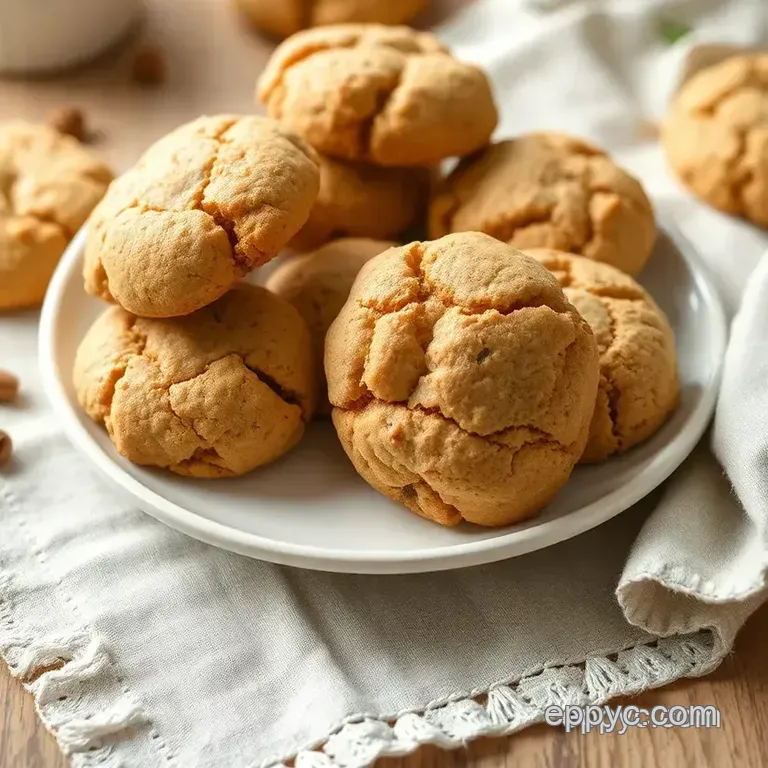
The Simple Stack Pile three cookies slightly askew on a small ceramic plate. It’s a relaxed, honest presentation that is ideal for a quick snack.
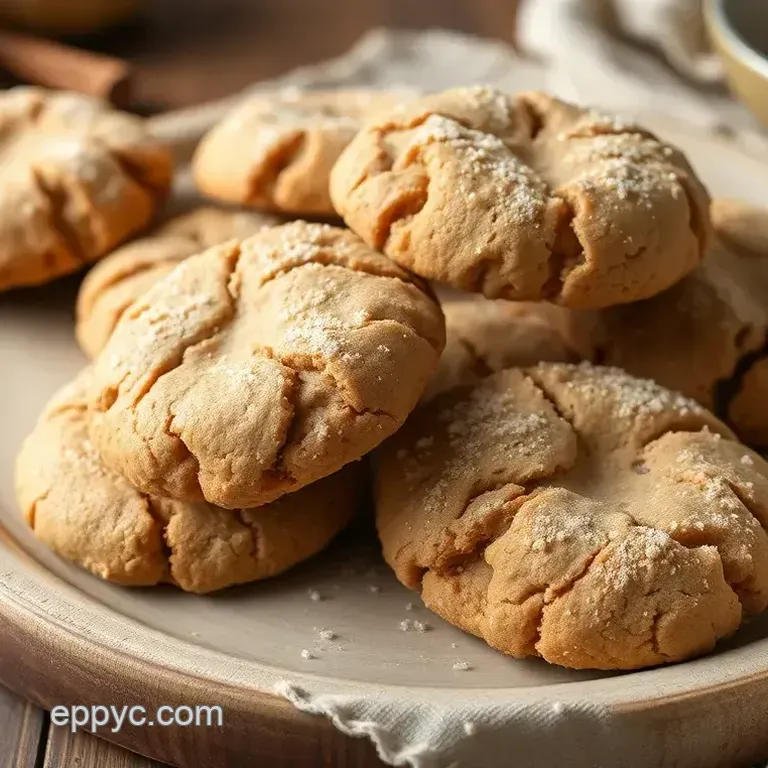
The Polished Plate Set the cookies in a circle and add a light dusting of powdered sugar across the top. Place a single raspberry or a fresh mint leaf in the center for a vibrant pop of color.
The Restaurant Style Position two cookies side-by-side. Pipe a small, smooth dollop of whipped mascarpone or crème fraîche between them. Complete the look with a drizzle of raspberry coulis and a few micro mint leaves for a velvety finish.
| Plating Level | Key Element | Vibe |
|---|---|---|
| Simple | Vertical stack | Homey |
| Polished | Powdered sugar | Tea party |
| Restaurant | Coulis and cream | Fine dining |
And that's everything. Once you experience how simple it is to prepare Classic Vanilla Cookies Without Brown Sugar, you'll see that minimalism is often the key to a high end result. Happy baking!
Recipe FAQs
What happens if I make cookies without brown sugar?
The cookies become crispier and lighter in color than those made with molasses rich sugars.
Tip: avoid overbaking to maintain a slight chew in the center.
Which sugar works best if brown sugar is missing?
White granulated sugar creates a clean, classic vanilla flavor.
Tip: cream the butter and sugar for a full 3 minutes to add air and lift.
Can regular sugar replace brown sugar in this recipe?
Yes, this recipe is specifically designed to use only white granulated sugar.
Tip: ensure your butter is softened to room temperature for a smooth emulsion.
Is it possible to skip brown sugar entirely?
You can omit it completely and still get a delicious, buttery result.
Tip: add an extra splash of vanilla extract for more depth of flavor.
How to bake these vanilla cookies perfectly?
Bake at 350°F (175°C) for 10 to 12 minutes until edges are barely golden.
Tip: use parchment paper to prevent sticking and ensure even browning.
Why use baking powder instead of baking soda?
Baking powder provides the necessary lift without requiring an acidic ingredient like brown sugar.
Tip: whisk your dry ingredients together first to prevent clumps.
How to maintain a soft texture after baking?
Store the cookies in a sealed plastic tub at room temperature.
Tip: place a slice of white bread in the container to keep them moist.
Is it true that only brown sugar makes cookies chewy?
Not at all. The chewiness is achieved by properly creaming the butter and sugar and adhering to precise baking times.
Tip: To see this same approach to consistency in another recipe, explore our Tate's style cookies guide.
Bake Classic Cookies Without Brown Sugar