Bow Tie Pasta: Silky Garlic Butter
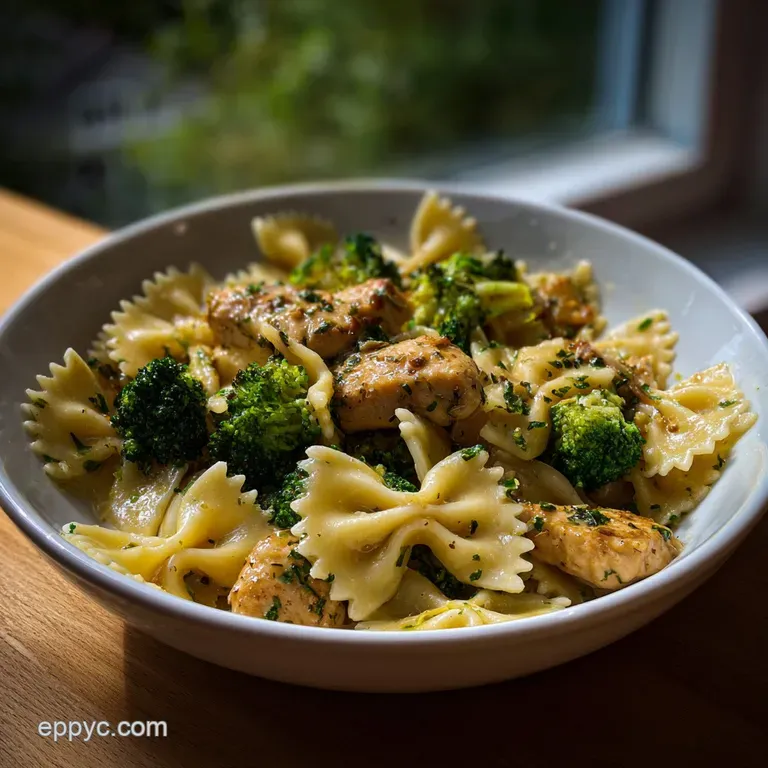
- Time: Active 15 minutes, Passive 10 minutes, Total 25 minutes
- Flavor/Texture Hook: Silky garlic butter with a zesty lemon finish
- Perfect for: Busy weeknights, budget-friendly meal prep, and beginner cooks
- Quick Garlic Butter Bow Tie Pasta
- The Science of Better Flavor
- Component Analysis
- Essential Ingredients and Smart Swaps
- Tools for Kitchen Efficiency
- Mastering the Cooking Process
- Avoiding Common Cooking Mistakes
- Creative Ways to Change Flavors
- Scaling the Recipe
- Myths About Pasta Cooking
- Saving and Reheating Leftovers
- The Best Side Dish Ideas
- Bow Tie Pasta FAQs
- 📝 Recipe Card
Quick Garlic Butter Bow Tie Pasta
You know those nights when you’re staring at the fridge, the light is dim, and you just want something that feels like a hug in a bowl? We’ve all been there. For a long time, I thought "good" pasta required hours of simmering or expensive imported cheeses. I was wrong.
I spent way too many nights eating dry, clumpy noodles before I figured out the secret isn't more oil, it’s the science of the water itself.
This recipe is my absolute go to because it uses basic chicken and broccoli but treats them with a bit of culinary respect. We aren't just boiling things. We’re building layers of flavor.
It’s about that specific moment when the butter hits the garlic and the aroma fills your kitchen, signaling that a real meal is actually happening. No fancy tech required here, though I do love using my digital kitchen timer to make sure the pasta doesn't turn into mush.
Honestly, don't even bother with the pre grated parmesan in the green shaker bottle. It has cellulose to prevent clumping, which means it won't melt into your sauce properly. Spend the extra two dollars on a wedge of real Parmesan. It’s a small digital age investment in your own happiness.
We’re going to use the starch from the pasta to empower this sauce to be the best version of itself. Trust me on this one.
The Science of Better Flavor
Building a better bowl of pasta isn't magic, it’s chemistry. When we talk about a "sauce," we're really talking about a delicate balance of fats and liquids. Here is why this specific method works so well in your kitchen.
- Starch Emulsification: The reserved pasta water contains dissolved amylose, which acts as a bridge between the fat (butter) and the liquid (broth), creating a silky glaze.
- Maillard Reaction: Searing the chicken at high heat creates new flavor molecules by rearranging amino acids and sugars, providing a savory depth.
- Aromatic Infusion: Fats like butter are excellent carriers for flavor; heating garlic in butter allows the fat to absorb the essential oils, distributing garlic flavor evenly.
- Acid Balance: Lemon juice provides citric acid, which cuts through the heavy fats and "brightens" the perception of salt on your palate.
| Chicken Thickness | Internal Temp | Rest Time | Visual Cue |
|---|---|---|---|
| 0.5 inch strips | 165°F | 3 minutes | No pink, fibers pull apart |
| 1 inch cubes | 165°F | 5 minutes | Golden exterior, firm touch |
| Paper thin shaved | 165°F | 1 minute | Translucent to opaque white |
Using a digital thermometer is the best way to empower your cooking. It removes the guesswork so you never have to serve dry, overcooked poultry again. This is especially important for this recipe because the chicken continues to cook slightly when tossed with the hot pasta.
Component Analysis
Choosing the right ingredients is the difference between a "fine" dinner and a "wow" dinner. Since we are keeping the budget in check, we want to maximize the impact of every single item in the pan.
| Ingredient | Science Role | Pro Secret |
|---|---|---|
| Bow Tie Pasta | High surface area | The "wings" trap sauce while the center stays firm. |
| Fresh Garlic | Allicin release | Mince it 10 minutes before cooking to peak the flavor. |
| Unsalted Butter | Fat medium | Use unsalted to control the sodium levels precisely. |
| Lemon Zest | Essential oils | The zest holds more flavor than the juice alone. |
Getting the pasta right is the foundation of the whole meal. If you want to try a different flavor profile for another night, you might enjoy the richness of my Classic Italian Spaghetti Sauce recipe. Both recipes rely on that perfect al dente texture to carry the weight of the sauce.
Essential Ingredients and Smart Swaps
Before you start, clear your counter. Having everything ready to go (what chefs call mise en place) prevents that frantic "where is the lemon?" moment while the garlic burns.
- 1 lb bow tie pasta (Farfalle): The star of the show. Why this? The center "pinch" provides a satisfying chewiness compared to flat noodles.
- Substitute: Penne or Fusilli. Both have ridges that catch the garlic butter well.
- 2 tbsp sea salt: For the pasta water. Why this? It seasons the dough from the inside out.
- Substitute: Kosher salt. Use 3 tbsp as it is less dense than sea salt.
- 1 lb chicken breast, sliced into thin bite sized strips: Lean protein that cooks fast. Why this? Slicing thin increases surface area for better browning.
- Substitute: Chicken thighs. More fat, more flavor, but slightly higher calorie count.
- 3 cups broccoli florets: Fresh and vibrant. Why this? The "trees" soak up the butter sauce like a sponge.
- Substitute: Sliced zucchini or frozen peas.
- 2 tbsp extra virgin olive oil: For the over high heat sear. Why this? It has a higher smoke point than butter.
- Substitute: Avocado oil or grapeseed oil.
- 4 tbsp unsalted butter: The base of our silky sauce. Why this? Adds a creamy mouthfeel that oil can't replicate.
- Substitute: high-quality margarine, though the flavor will be less "rich."
- 5 cloves fresh garlic, minced: Don't use the jarred stuff. Why this? Fresh garlic has a sharp, pungent kick that jarred garlic loses.
- Substitute: 1 tsp garlic powder in a pinch, but it won't be the same.
- 0.5 cup chicken broth: Adds depth to the sauce. Why this? More flavorful than just using plain water.
- Substitute: Dry white wine (like Pinot Grigio) for a more sophisticated edge.
- 0.5 cup reserved pasta water: Our "liquid gold." Why this? The starch acts as a natural thickener.
- Substitute: No real sub for this. Just remember to scoop it out!
- 0.5 cup grated Parmesan cheese: For salt and tang. Why this? It melts into the sauce to create a velvety finish.
- Substitute: Pecorino Romano for a saltier, funkier bite.
- 0.5 tsp red pepper flakes: For a tiny hint of heat. Why this? It balances the richness of the butter.
- Substitute: A dash of cayenne pepper.
- 0.5 lemon, zested and juiced: For brightness. Why this? The acid cuts through the fat of the butter and cheese.
- Substitute: 1 tsp of white wine vinegar.
| Original Ingredient | Substitute | Why It Works |
|---|---|---|
| Chicken Breast | Canned Chickpeas (15oz) | Provides protein and a nutty flavor. Note: Best for a budget friendly vegetarian twist. |
| Chicken Broth | Vegetable Broth | Maintains the liquid volume without the meat flavor. |
| Parmesan Cheese | Nutritional Yeast (3 tbsp) | Adds a cheesy, savory umami flavor. Note: Different texture, will not melt the same way. |
Budget cooking is all about being smart with what you have. If you find a great deal on sausages, this recipe handles that swap beautifully. It’s similar to how I adjust the protein in my Proper Chicken Spaghetti recipe depending on what’s on sale at the local market.
Tools for Kitchen Efficiency
You don't need a professional kitchen, but a few specific tools will make this much easier. I always tell my friends to invest in a large 12 inch skillet. If the pan is too small, you'll end up steaming your chicken instead of searing it.
- Large Stockpot: To give the pasta plenty of room to dance in the boiling water.
- 12 inch Skillet: Cast iron or heavy stainless steel is best for heat retention.
- Microplane or Fine Grater: Crucial for zesting that lemon without hitting the bitter white pith.
- Tongs: The best tool for tossing the pasta and sauce together without breaking the noodles.
- Digital Thermometer: To ensure the chicken hits 165°F exactly.
Mastering the Cooking Process
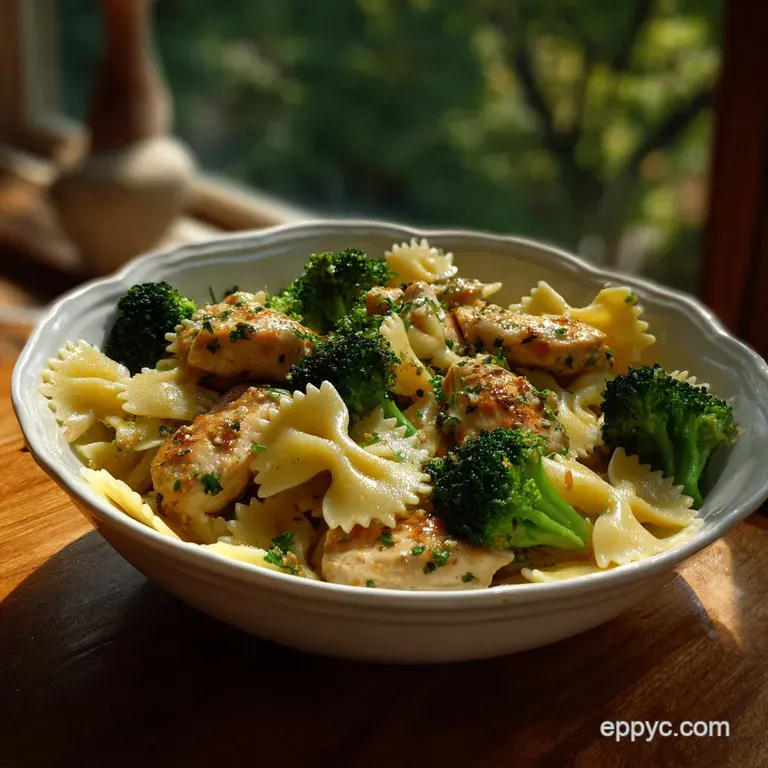
Let’s crack on. This moves fast once you start, so keep your ingredients close by.
- Boil the water. Fill a large pot with water and add the 2 tbsp sea salt. Note: It should taste like the ocean; this is your only chance to season the pasta itself.
- Cook the pasta. Add the 1 lb bow tie pasta. Cook for 8 minutes until it has a slight bite in the center (al dente).
- Save the liquid. Before draining, scoop out 0.5 cup of the cloudy pasta water. Note: This is the most important step for a silky sauce.
- Sear the chicken. Heat 2 tbsp olive oil in your skillet over medium high heat. Add the chicken strips. Cook for 5-6 minutes until golden brown and the edges are slightly crispy.
- Steam the broccoli. Add the 3 cups broccoli florets to the pan with the chicken. Add 2 tbsp of the chicken broth and cover with a lid for 2 minutes until the broccoli turns a vibrant, electric green.
- Sauté the aromatics. Push the chicken and broccoli to the edges. Melt the 4 tbsp unsalted butter in the center. Add the 5 cloves minced garlic and 0.5 tsp red pepper flakes. Cook for 1 minute until the garlic smells fragrant but hasn't turned brown.
- Build the sauce. Pour in the remaining chicken broth and the reserved pasta water. Bring to a simmer. Note: The liquid should start to look slightly creamy as it bubbles.
- Combine everything. Toss the cooked pasta into the skillet. Sprinkle over the 0.5 cup Parmesan cheese and the lemon zest/juice.
- Emulsify. Toss vigorously with tongs for 2 minutes until the sauce coats every piece of pasta and looks shimmering and velvety.
- Serve immediately. Garnish with extra cheese if you're feeling fancy.
Avoiding Common Cooking Mistakes
Even a simple dish can go sideways if you aren't careful. I’ve learned these lessons the hard way so you don't have to.
Why Your Sauce Is Watery
If your sauce looks like a puddle at the bottom of the bowl, you likely skipped the "tossing" phase. The mechanical action of stirring the pasta with the butter and starchy water is what creates the emulsion. If it’s still thin, simmer it for another minute on medium heat to reduce the liquid.
| Problem | Root Cause | Solution |
|---|---|---|
| Tough Chicken | Overcooking | Use a digital thermometer; pull at 160°F (carryover takes it to 165°F). |
| Gummy Pasta | Overboiling | Set a timer for 1 minute less than the box instructions. |
| Bitter Sauce | Burnt Garlic | Add garlic only after the butter has melted and lowered the pan temp. |
Why Your Broccoli Is Mushy
Broccoli should have a "snap." If you boil it with the pasta, it often gets waterlogged. By "steam searing" it in the skillet with the chicken, you preserve the cell structure and the bright color.
Common Mistakes Checklist
- ✓ Pat the chicken strips dry with a paper towel before searing to get a better crust.
- ✓ Don't rinse the pasta after draining; you need that surface starch for the sauce.
- ✓ Grate your own Parmesan from a block for a smoother melt.
- ✓ Wait until the very end to add lemon juice to keep the flavor fresh and bright.
- ✓ Let the pan get hot before adding the oil to prevent the chicken from sticking.
Creative Ways to Change Flavors
One of the best things about this recipe is how adaptable it is. Once you master the basic garlic butter technique, you can pivot in a dozen different directions.
Using Sausage Instead
If you want a deeper, more rustic flavor, swap the chicken for Italian sausage. Remove the casings and brown the meat in the skillet, breaking it into small crumbles. The rendered fat from the sausage will mix with the butter to create an incredibly savory base.
This version is a classic "bow tie pasta with sausage" that feels very traditional.
Cold Pasta Salad Version
To turn this into a "bow tie pasta salad recipe," cook the pasta and broccoli as directed, but let them cool completely. Instead of melting the butter, whisk the garlic and lemon into the olive oil to make a vinaigrette. Toss everything together with some cherry tomatoes and feta cheese for a perfect picnic side.
Vegetarian Garlic Butter Option
Skip the chicken and double the broccoli. You can also add sliced mushrooms or bell peppers. For an extra boost of protein, toss in a can of rinsed chickpeas. The "garlic butter bow tie pasta" base is so strong it doesn't even need the meat to feel like a complete meal.
| Cooking Method | Time | Texture | Best For |
|---|---|---|---|
| Stovetop Skillet | 15 minutes | Crispy chicken, bright veg | Quick weeknight dinner |
| Oven Baked | 30 minutes | Melted cheese crust | Feeding a larger crowd |
| Slow Cooker | 3 hours | Very soft, stew like | Set and forget prep |
Scaling the Recipe
Adjusting this for a bigger crowd or a solo dinner is easy if you follow a few simple rules.
Scaling Down (½ Recipe): If you’re just cooking for two, use a smaller 10 inch skillet. You can still use a whole egg if a recipe calls for it, but for this one, just halve the measurements exactly. Be careful with the garlic; 2-3 cloves is usually plenty for a half batch.
Scaling Up (2x-4x): When doubling this for a party, the biggest mistake is overcrowding the pan. Sear the chicken in two batches so it actually browns. For the salt and red pepper flakes, only increase them by 1.5x at first, then taste and add more.
Too much salt in a large batch can be hard to fix later.
Myths About Pasta Cooking
Myth 1: Adding oil to the pasta water prevents sticking. This is a total waste of oil. The oil just floats on top and then coats the pasta as you drain it, which prevents the sauce from sticking to the noodles.
The real way to prevent sticking is to use a large pot of water and stir the pasta frequently during the first 2 minutes of boiling.
Myth 2: You must rinse pasta with cold water. Please, don't do this unless you're making a cold pasta salad. Rinsing washes away the starch that we need to emulsify the sauce. If you rinse it, your garlic butter will just slide right off the noodles and pool at the bottom of the plate.
Myth 3: Fresh pasta is always better than dried. Not true! For a dish like this, dried pasta is often superior because it has a firmer structure that holds up better to being tossed in a heavy skillet. Save the fresh pasta for delicate cream sauces or simple olive oil and herbs.
Saving and Reheating Leftovers
Pasta is one of those things that can be tricky to reheat because the noodles continue to soak up moisture as they sit.
Storage: Place leftovers in an airtight container. It will stay fresh in the fridge for up to 3 days. I don't recommend freezing this specific dish because the broccoli can become quite mushy upon thawing, and the butter sauce may break (separate into oil and solids).
Reheating: Avoid the microwave if you can. It tends to make the chicken rubbery and the pasta unevenly hot. Instead, put a splash of water or chicken broth in a skillet over medium low heat. Add the pasta and toss gently until heated through.
The extra liquid will help "re emulsify" the sauce so it becomes creamy again.
Zero Waste Tip: Don't throw away those broccoli stems! Peel the woody outer layer with a vegetable peeler, slice the tender core into coins, and sauté them right along with the florets. They have a wonderful, slightly sweet flavor that is actually better than the tops.
Also, if you have leftover Parmesan rind, toss it into your next soup or stew to add a massive hit of umami.
The Best Side Dish Ideas
While this is a full meal on its own, sometimes you want a little something extra on the side. A crisp green salad with a sharp balsamic vinaigrette is a great contrast to the rich butter sauce.
If you want to keep the Italian theme going, a few slices of toasted sourdough rubbed with a raw garlic clove are excellent for mopping up any leftover sauce. This dish also pairs beautifully with a light, chilled white wine like a Sauvignon Blanc or a Pinot Grigio, which echoes the lemon notes in the pasta. For more inspiration on hearty pasta dishes, you might want to look at my Chicken Spaghetti Casserole recipe, which is a different take on the classic chicken and pasta combo.
Bow Tie Pasta FAQs
What is bow tie pasta called?
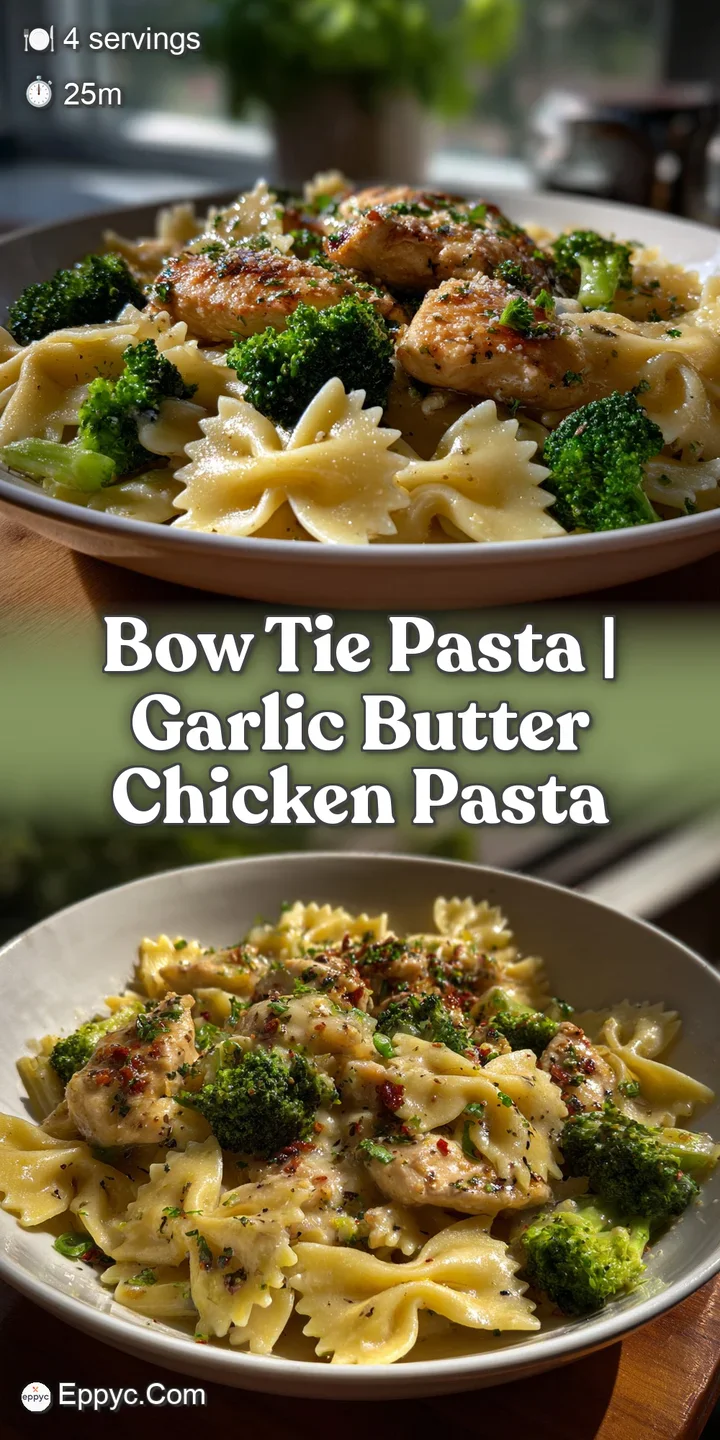
It is also known as farfalle. This Italian word translates to "butterflies," which describes the pasta's distinctive shape.
What are bow tie noodles good for?
They are versatile and excellent for catching sauces. Their pinched center and ruffled edges hold creamy, chunky, or lighter sauces exceptionally well, making them ideal for many dishes.
What sauce is best for bow tie pasta?
Creamy or chunky sauces are typically best. The shape excels at holding ingredients, so sauces with small vegetables, meat pieces, or a rich, velvety base pair wonderfully. You can explore this technique in our Easy Weeknight Dinner with Sticky Garlic Noodles.
How long do you cook bow tie pasta for?
Typically 8-12 minutes for al dente. Always check the package directions, as cooking times can vary slightly between brands. Aim for a tender but firm texture with a slight bite in the center.
Can bow tie pasta be used in pasta salad?
Yes, absolutely. Its sturdy shape holds up well when chilled and mixed with dressings and other ingredients, making it a fantastic choice for a cold pasta salad.
Does bow tie pasta hold up well in baked dishes?
Yes, it holds up well. The pasta's structure doesn't become too soft when baked, and its shape helps it capture cheesy sauces and small mix-ins, making it a good candidate for casseroles.
Is bow tie pasta good with light sauces?
Yes, but with a caveat. While light sauces like simple olive oil and herbs can work, the pasta's large surface area is even better utilized with sauces that have a bit more body to cling to its folds. For a delightful tangy option, consider Simple Macaroni Salad Recipe: Velvety & Tangy.
Bow Tie Pasta Delight
Ingredients:
Instructions:
Nutrition Facts:
| Calories | 781 kcal |
|---|---|
| Protein | 46 g |
| Fat | 27 g |
| Carbs | 86 g |
| Fiber | 5 g |
| Sugar | 3 g |
| Sodium | 485 mg |
