Broccoli Cauliflower Casserole: Velvety & Sharp
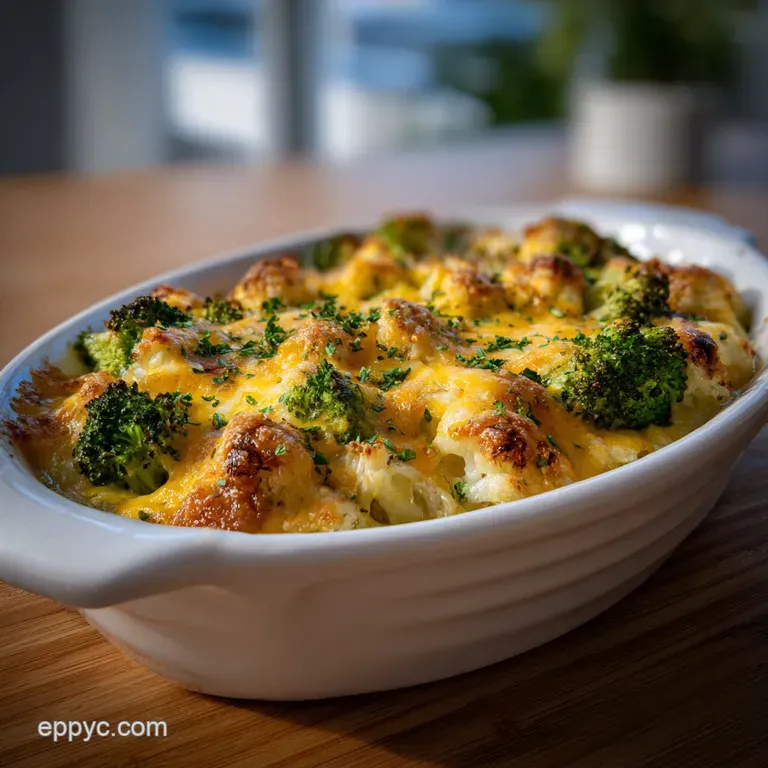
- Effort/Time: Low-intensity assembly / 45 minutes
- Flavor Hook: Smoked paprika and sharp cheddar create a deep, umami-rich profile with a shattering panko finish.
- Perfect for: Make-ahead holiday sides, weeknight comfort-food rotations, and potluck-friendly gatherings.
- Achieving the Ultimate Textural Balance in Your Broccoli Cauliflower Casserole
- The Scientific Rationale for Combining Cruciferous Vegetables and Cheese
- Precision Timing and Yield Metrics for Home Kitchens
- The Structural Components: Choosing High-Performance Elements
- Essential Culinary Tools for Optimal Thermal Conductivity
- A Masterclass in Layering Flavors and Textural Contrasts
- How to Solve Moisture Migration and Sauce Separation
- Flavor Architecture: Adapting Your Dish for Different Palates
- ⚗️ The Scaling Lab: The Physics of Quantity
- Preserving Integrity Through Correct Cooling and Reheating Protocols
- Elevating the Presentation: Pairings and Finishing Touches
- Recipe FAQs
- 📝 Recipe Card
Achieving the Ultimate Textural Balance in Your Broccoli Cauliflower Casserole
There is nothing more soul crushing than spending $30 on fresh produce only to pull a watery, gray, and mushy mess out of the oven. I once served a side dish so liquidy it bled into the mashed potatoes, turning a high stakes family dinner into a soggy technical failure.
The culprit wasn't the ingredients themselves, but a lack of understanding regarding the cellular structure of cruciferous vegetables.
I destroyed at least five pans of broccoli cauliflower casserole before I stopped rushing the pre-cook phase and started focusing on moisture management. My biggest mistake was thinking "raw to oven" would save time.
Instead, it just steamed the vegetables in their own released juices, resulting in a limp texture and a broken, oily sauce. You cannot bypass the physics of water release if you want that velvety mouthfeel.
The breakthrough came when I applied the principle of pectin stabilization. By par-blanching the florets in highly salted water, we set the vegetable's color and "lock" the cell walls. This ensures the broccoli cauliflower casserole emerges from the oven with a tender crisp bite rather than a pulverized puree.
The result is a mahogany colored crust that shatters under the fork, revealing a creamy, stabilized interior that holds its shape on the plate.
The Scientific Rationale for Combining Cruciferous Vegetables and Cheese
Cruciferous vegetables like broccoli and cauliflower contain complex sulfur compounds that can become pungent when overcooked. However, the fat molecules in sharp cheddar and sour cream act as a flavor buffer, binding to these volatile aromatics and transforming them into a mellow, savory profile.
The Science of Why it Works: This recipe relies on "Pectin Methylesterase" activation during the brief par-boil, which strengthens the cell walls against thermal breakdown. Plus,, the emulsifiers in the cream of mushroom soup prevent the cheese from "oiling off" during the 30 minute bake.
- Enzymatic Stability: Briefly heating the vegetables to 140°F (60°C) activates enzymes that make the pectin more resistant to further softening during the over high heat baking phase.
- Emulsion Management: The milk and sour cream create a secondary emulsion that prevents the proteins in the cheddar from tightening and squeezing out fat, which causes graininess.
- Maillard Synergy: The combination of melted butter and panko breadcrumbs reaches the 300°F (150°C) threshold required for the Maillard reaction, producing a nutty, toasted fragrance.
Precision Timing and Yield Metrics for Home Kitchens
| Metric | Specification |
|---|---|
| Total Yield | 8 standard servings |
| Prep Time | 15 minutes |
| Cook Time | 30 minutes |
| Active Labor | 12 minutes |
| Thermal Range | 350°F (175°C) |
The Structural Components: Choosing High Performance Elements
Selecting the right elements for your broccoli cauliflower casserole is the difference between a side dish and a centerpiece. High moisture vegetables require a high fat binder to prevent the "weeping" effect. Similar to how we balance the roux in our My Classic Green recipe, the ratio of milk to sour cream here is calculated to maintain a thick, coating consistency.
Ingredient Chemistry Breakdown
| Ingredient | Chemical/Physical Role (Science) | The Pro Secret (Why This Matters) |
|---|---|---|
| 2 cups Sharp Cheddar | Casein protein network provides structure | Aged cheddar has less moisture, preventing a greasy casserole surface. |
| 1/2 cup Sour Cream | Lactic acid denatures proteins gently | Adds "tang" and stabilizes the sauce against curdling at high heat. |
| 1 cup Panko | High surface area-to-volume ratio | Absorbs butter efficiently to create a rigid, shattering crust. |
| 1/4 tsp Smoked Paprika | Oil-soluble carotenoids for color | Depth of flavor mimics "bacon" notes without the extra rendering fat. |
- 1 lb fresh broccoli florets
- Why this? Fresh contains more intact pectin than frozen, ensuring a superior crunch.
- 1 lb fresh cauliflower florets
- Why this? Matches broccoli's density for even cooking during the par-boil.
- 1 tsp Diamond Crystal sea salt
- Used for osmotic seasoning during blanching.
- 1/2 cup whole milk
- Hydrates the soup concentrate for a pourable viscosity.
- 1/2 cup Daisy sour cream
- Adds fat-soluble richness and acidity.
- 1/2 tsp garlic powder
- Disperses flavor evenly throughout the sauce.
- 1/4 tsp smoked paprika
- Provides a visual "toasted" hue and smoky undertone.
- 1 cup panko breadcrumbs
- Provides the essential textural contrast.
- 1/4 cup Parmesan cheese, grated
- Low moisture and high salt content for a savory "crust" effect.
Essential Culinary Tools for Optimal Thermal Conductivity
To achieve the perfect broccoli cauliflower casserole, you need tools that distribute heat evenly to prevent scorched bottoms and cold centers.
- 9x13-inch Le Creuset Stoneware Dish: Porcelain enamel provides consistent thermal mass, ensuring the edges bubble at the same rate as the center.
- 6 Quart All-Clad Stockpot: High volume allows the vegetables to move freely during the par-boil without dropping the water temperature significantly.
- Box Grater: Essential for shredding your own cheddar to avoid the anti clumping starches found in pre-shredded bags.
- Silicone Whisk: Best for incorporating the sour cream and soup into a homogenous, velvety emulsion without introducing too much air.
A Masterclass in Layering Flavors and Textural Contrasts
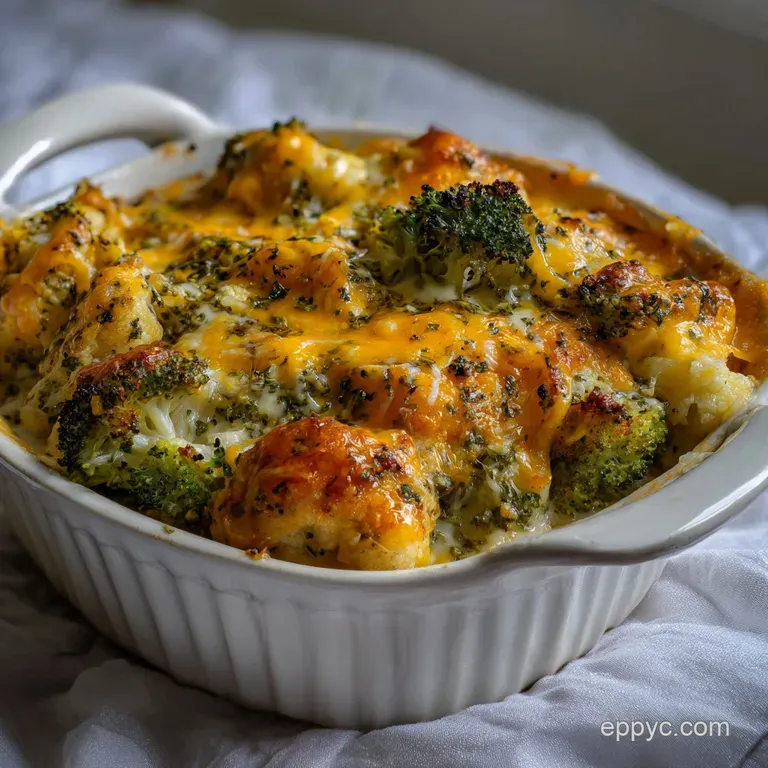
- Preheat the oven to 350°F (175°C). Note: Ensures immediate Maillard reaction upon entry.
- Boil 4 quarts of water with 1 tsp sea salt in your stockpot. Note: Salt increases the boiling point and seasons the vegetables internally via osmosis.
- Blanch the 1 lb broccoli and 1 lb cauliflower for 3 minutes until colors brighten and a knife pierces the stem with slight resistance.
- Drain vegetables thoroughly in a colander and pat dry with a lint free towel. Note: Eliminating surface moisture prevents the sauce from thinning out during baking.
- Whisk 10.5 oz cream of mushroom soup, 1/2 cup milk, 1/2 cup sour cream, 1/2 tsp garlic powder, and 1/4 tsp smoked paprika in a large bowl until the mixture is completely smooth and pale orange.
- Fold 1.5 cups of the shredded cheddar into the liquid base. Note: Reserving 0.5 cups for the top ensures a visible cheese pull.
- Incorporate the blanched vegetables into the sauce, tossing gently until every floret is encapsulated in a velvety coating.
- Transfer the mixture to the 9x13 dish, spreading it into an even layer until no large gaps remain.
- Combine 1 cup panko, 2 tbsp melted butter, 1/4 cup Parmesan, and the remaining 0.5 cup cheddar in a small bowl until the crumbs look like wet sand.
- Sprinkle the topping over the casserole and bake for 30 minutes until the edges are aggressively bubbling and the top is a deep mahogany gold.
Chef's Tip: Freeze your block of cheddar for 10 minutes before grating. This prevents the fat from softening from the friction of the grater, resulting in cleaner, distinct shreds that won't clump in the sauce.
How to Solve Moisture Migration and Sauce Separation
Why Your Casserole is Watery
When cruciferous vegetables are heated, their cell walls collapse, releasing intracellular water. If this water isn't managed, it dilutes the emulsion of your broccoli cauliflower casserole. This is known as "syneresis," where the liquid separates from the solid components of the sauce.
| Problem | Root Cause | The Fix | Pro Protocol |
|---|---|---|---|
| Watery base | Surface moisture on veg | Pat blanched vegetables bone dry | Use a salad spinner after blanching to centrifugalize water away. |
| Grainy sauce | Cheese protein denaturation | Use full fat sour cream/milk | Avoid "fat-free" dairy; the fat protects the proteins from tightening. |
| Soggy topping | Early topping application | Add panko in the last 15 mins | If your oven runs humid, toast panko in a pan before adding to the dish. |
Why Your Cheese Sauce "Oils Off"
If the oven temperature is too high, or if you use pre-shredded cheese with cellulose, the fat will separate from the protein solids. This creates an oily slick on top of your broccoli cauliflower casserole. If you're experiencing this, you might find the technique in our Cheesy Hashbrown Casserole Recipe helpful, as it manages fat-to-starch ratios similarly.
Flavor Architecture: Adapting Your Dish for Different Palates
While the standard broccoli cauliflower casserole with cheese is a classic, you can adjust the profile through simple substitutions.
| Original Ingredient | Substitute | Why It Works |
|---|---|---|
| Panko (1 cup) | Crushed Ritz Crackers | Higher fat content; adds a buttery, salty finish. |
| Sharp Cheddar | Smoked Gouda | Adds a complex, wood fired aroma to the vegetable base. |
| Cream of Mushroom | Cream of Celery | Provides a brighter, more vegetal flavor profile. |
| Whole Milk | Heavy Cream | Increases viscosity and mouthfeel for a more decadent "holiday" version. |
Low-Carb/Keto Friendly Swap
To make this a broccoli cauliflower casserole keto version, replace the panko with crushed pork rinds and swap the milk for heavy cream. The pork rinds provide the necessary "crunch" without the glycemic impact of wheat.
The "Spicy Tex-Mex" Twist
Swap the smoked paprika for 1 tsp of chipotle powder and use Pepper Jack cheese instead of cheddar. This adds a capsaicin kick that cuts through the richness of the sour cream.
⚗️ The Scaling Lab: The Physics of Quantity
When you decide to double this broccoli cauliflower casserole for a large crowd, the thermodynamics of the dish change significantly.
- The Evaporation Paradox: If you double the ingredients but use a deeper dish rather than two separate pans, the surface area to volume ratio decreases. Reduce the milk by 2 tbsp to account for the fact that less steam will escape from the center.
- Thermal Mass Delay: Doubling the batch increases the "cold start" time. Your oven will drop in temperature more sharply when the heavy dish is inserted. Increase initial bake time by 10 15 minutes and use a probe thermometer to ensure the center reaches 165°F (74°C).
- The Salt Limit: When doubling, scale the sea salt to 1.5x, not 2x. Salt's perceived intensity increases non-linearly in large volume creamy dishes.
Preserving Integrity Through Correct Cooling and Reheating Protocols
Storage: Store leftovers in an airtight glass container for up to 4 days. Glass is preferred over plastic as it doesn't retain the sulfurous odors of the broccoli.
- Freezing
- You can freeze the unbaked broccoli cauliflower casserole for up to 2 months.
- Crucial
- Do not add the panko topping until you are ready to bake.
- Thaw
- Defrost in the fridge for 24 hours before baking.
Reheating: Avoid the microwave, which turns the panko into a damp sponge. Instead, place a single serving in an air fryer at 325°F for 5 minutes. The rapid air circulation re-crisps the panko while the "velvety" cheese sauce returns to its liquid state.
💡 ZERO WASTE PHILOSOPHY: Don't discard broccoli and cauliflower stems. Transform: Peel the woody exterior, dice the tender cores, and blanch them along with the florets. Science: Stems contain more fiber and "sweet" sugars than the florets, adding depth and reducing food waste. For more ways to use these vegetables, check out our & Creamy Broccoli recipe.
Elevating the Presentation: Pairings and Finishing Touches
This broccoli cauliflower casserole bake is a heavy hitter in the "side dish" category. Because it is rich and creamy, it needs an acidic or lean partner to balance the palate.
- Protein Pairings: Serve alongside a lemon herb roasted chicken or a balsamic glazed pork loin. The acid in the glaze cuts right through the sharp cheddar fat.
- Visual Garnish: A dusting of fresh chives or finely chopped parsley adds a "shattered" green aesthetic that signals freshness.
- The Crunch Factor: For an extra layer of texture, add 1/4 cup of sliced almonds to the panko mixture before baking. The almonds will undergo a secondary toast, providing a "snap" that complements the "shatter" of the breadcrumbs.
- Myth
- You should use frozen vegetables to save time.
- Truth
- Frozen vegetables are blanched and then frozen, which breaks the cell walls via ice crystal formation. This leads to a significantly more watery broccoli cauliflower casserole.
- Myth
- Covering the dish with foil makes it cook faster.
- Truth
- Foil traps steam, which prevents the panko from crisping. Keep the dish uncovered to allow the Maillard reaction to flourish.
Trust me, once you master the par-blanching and moisture wicking steps, this broccoli cauliflower casserole will become your most requested holiday side. Let's crack on and get that oven preheated!
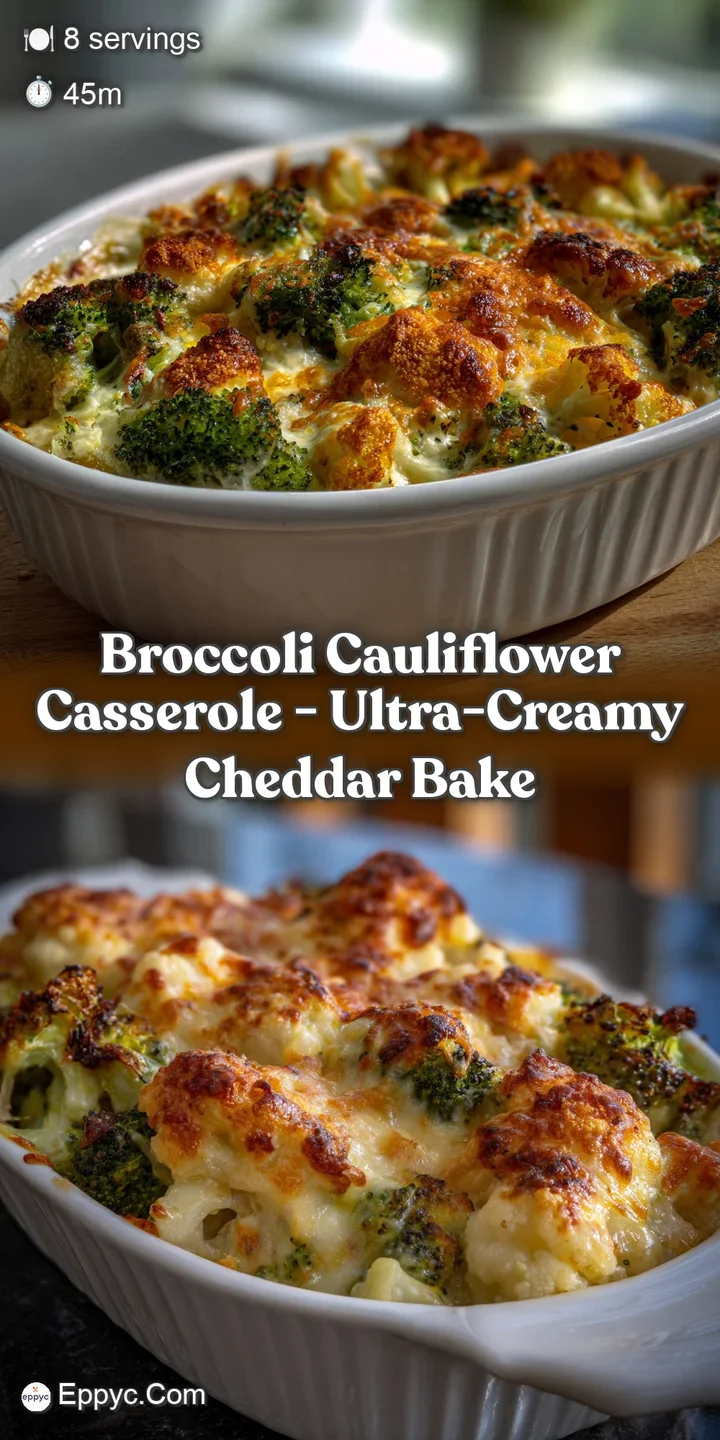
Recipe FAQs
how to make broccoli cauliflower casserole?
Blanch florets 3 minutes, pat dry, mix with cheese sauce (soup, dairy, cheddar), top with buttered panko, and bake at 350°F for 30 minutes. If you enjoyed mastering the texture control here, see how the same principle applies when managing moisture in our Best Chicken and Broccoli Casserole Without Soup.
how to make broccoli cauliflower bake?
Par-blanch vegetables until bright green, then bake in a high fat, starch stabilized sauce. This sets the pectin before the long bake. Ensure the dish reaches an internal temperature of 165°F for safety and optimal texture setting.
how to make broccoli cauliflower cheese casserole?
Use freshly shredded, high fat cheddar cheese (minimum 2-year aged). Temperature shock denatures casein proteins, creating grainy texture instead of smooth emulsion.
- Remove pan from heat first
- Add cheese in small handfuls
- Use fresh grated Gruyère (pre-shredded has cellulose coating)
how to make broccoli and cauliflower bake with cheese?
Use a roux based sauce or commercial soup stabilizer for texture. This prevents the cheese proteins from separating when exposed to the high heat required for vegetable caramelization. The added fat content helps emulsify the sauce.
how to make broccoli and cauliflower bake south africa?
Substitute traditional cream of mushroom with white sauce (béchamel) and use local sharp cheddar. A béchamel offers superior stability compared to pre-made soups.
If you master a scratch béchamel here, you can apply that emulsion skill to our The Ultimate Creamy Chicken Egg Noodle Casserole Scratch Béchamel.
Can I use frozen vegetables for this casserole?
No. Frozen vegetables release excessive water when thawed. Ice crystal formation during freezing ruptures cell walls, leading to a watery final product that compromises the sauce emulsion.
Can I make this dish ahead of time?
Assemble fully, but omit the panko topping until just before baking. The dairy and starch mixture can sit overnight, but the topping will absorb moisture and clump if added too early.
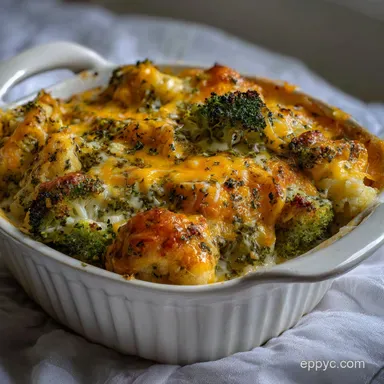
Broccoli Cauliflower Casserole Bake
Ingredients:
Instructions:
Nutrition Facts:
| Calories | 283 kcal |
|---|---|
| Protein | 12.9 g |
| Fat | 19.2 g |
| Carbs | 16.6 g |
| Fiber | 3.1 g |
| Sugar | 3.8 g |
| Sodium | 562 mg |
