Southern Candied Yams Recipe
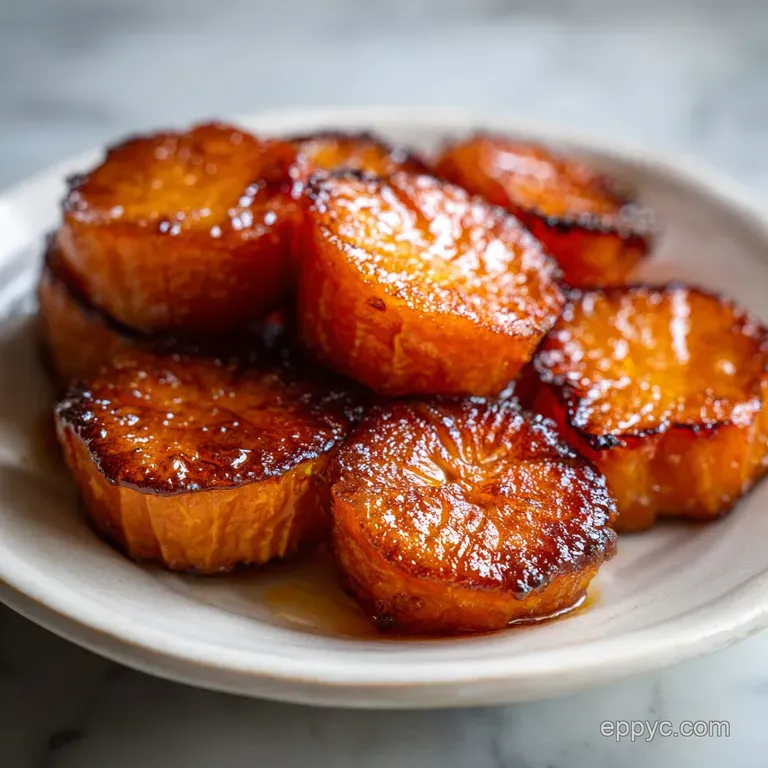
- Time: Active 15 minutes, Passive 45 minutes, Total 1 hours
- Flavor/Texture Hook: Velvety, caramelized edges with a toasted marshmallow crunch
- Perfect for: Holiday gatherings, budget-friendly Sunday dinners, or beginner meal prep
- Unlocking My Family Candied Yams Recipe
- Mastering the Science of Caramelization
- Component Analysis and Ingredient Roles
- Detailed Preparation and Timing Specs
- Core Ingredients and Smart Substitutes
- Essential Gear for Optimal Heat
- Layering and Baking Process Steps
- Correcting Common Texture Mistakes
- Adjusting Portions for Any Crowd
- Creative Flavor and Diet Variations
- Handling Leftovers and Food Waste
- Main Courses for Perfect Pairing
- Southern Candied Yams Truths
- Recipe FAQs
- 📝 Recipe Card
Unlocking My Family Candied Yams Recipe
Walk into my kitchen while these are in the oven and the first thing you'll notice isn't just sugar; it's the warm, grounding aroma of toasted nutmeg and sizzling butter. I remember the first time I tried to make a southern candied yams recipe on my own, I ended up with a watery mess because I didn't understand the relationship between the potato’s natural moisture and the sugar's hygroscopic nature.
It was a sugary soup, and honestly, I almost gave up on the dish entirely until I started treating the process like a digital algorithm where every variable thickness, temperature, and timing had to be precise.
Since then, I’ve spent years refining this candied yams recipe to ensure it delivers that thick, "liquid gold" syrup every single time. We aren't just boiling potatoes in sugar here; we are performing a slow braise that allows the sugars to deeply penetrate the starch.
It’s about empowering you to take a few basic, budget friendly ingredients and turn them into something that feels like a heartfelt hug on a plate. You don't need expensive syrups or rare spices to get that authentic flavor.
In this guide, we’ll look at why we use two types of sugar and how a tiny splash of lemon juice acts like a reset button for your taste buds. This isn't just another side dish; it's a lesson in flavor balancing and heat management.
Whether you're a seasoned pro or a kitchen tech enthusiast looking for a reliable "win," this method will give you the confidence to own the holiday table without breaking the bank.
Mastering the Science of Caramelization
Starch Gelatinization: At 350°F, the sweet potato starches break down and absorb the buttery syrup, creating a velvety interior texture.
Acid Balance: Lemon juice provides citric acid which cleaves sucrose into glucose and fructose, preventing the syrup from graining or re crystallizing.
Maillard Reaction: The combination of amino acids in the potatoes and the reducing sugars in the glaze creates deep, savory sweet flavor compounds during the final 15 minutes of baking.
Osmotic Pressure: High sugar concentration in the glaze draws a controlled amount of moisture out of the potatoes, thickening the sauce as it cooks.
| Method | Time | Texture | Best For |
|---|---|---|---|
| Stovetop | 30 mins | Softer, more uniform | Quick weeknight meals |
| Oven (This Recipe) | 45 mins | Caramelized edges, glazed top | Holiday depth and presentation |
| Slow Cooker | 4 hours | Extremely tender, very dark syrup | Hands off party prep |
The oven method is the gold standard for this candied yams recipe because the dry heat of the oven allows for evaporation, which is what actually thickens that glaze. When you cook these on the stovetop, you often lose that beautiful toasted top and the pecans don't get that satisfying shatter when you bite into them. If you are looking for a main dish to go with this, it pairs beautifully with a Knockout Buffalo Wings recipe for a sweet and spicy contrast.
Component Analysis and Ingredient Roles
| Ingredient | Science Role | Pro Secret |
|---|---|---|
| Garnet Sweet Potatoes | Structural Starch | Slice exactly 1/2 inch for even cooking |
| Light Brown Sugar | Moisture & Molasses | Pack it tight to ensure correct volume |
| Unsalted Butter | Emulsifier & Fat | Use cold pats to slow the melting process |
| Kosher Salt | Flavor Contrast | Sharpens the perception of the spices |
Every ingredient in this homemade candied yams setup serves a specific technological purpose in the final outcome. The salt isn't just there for seasoning; it actually suppresses the bitterness of the spices, allowing the ginger and nutmeg to shine through the heavy sugar profile.
Using unsalted butter gives us total control over that salt balance, which is vital when you're working with high sugar concentrations.
Detailed Preparation and Timing Specs
- Total Weight: 3 lbs of potatoes provides the ideal ratio for the 1.5 cups of total sugar.
- Slicing Precision: Use a sharp chef’s knife or a mandoline to ensure every round is 1/2 inch thick; uneven slices lead to a mix of mushy and crunchy potatoes.
- Oven Calibration: Preheat to 350°F (180°C) for at least 20 minutes before the dish goes in to ensure the thermal mass of the oven is stable.
Core Ingredients and Smart Substitutes
- 3 lbs Garnet or Jewel Sweet Potatoes: These varieties have higher moisture and sugar content than white sweet potatoes.
- Substitute: Beauregard sweet potatoes (similar texture). Why this? Maintains structural integrity during long braising.
- 1/2 cup Unsalted Butter: Provides the velvety mouthfeel and carries the fat soluble spice flavors.
- Substitute: Margarine or flavored shortening. Why this? High fat content is necessary for the syrup emulsion.
- 1 cup Light Brown Sugar: Adds moisture and a hint of molasses flavor.
- Substitute: Dark brown sugar. Why this? Dark sugar adds deeper caramel notes but more moisture.
- 1/2 cup Granulated White Sugar: Provides clean sweetness and helps with the "set" of the syrup.
- Substitute: Raw cane sugar. Why this? Helps stabilize the glaze without adding extra moisture.
- 1 tbsp Vanilla Extract: Rounds out the earthy notes of the tubers.
- Substitute: 1 tsp vanilla bean paste. Why this? high-quality extract mimics the complexity of the potato's natural aromatics.
- 1.5 tsp Ground Cinnamon: The primary aromatic driver.
- Substitute: Apple pie spice blend. Why this? Adds warmth and a nostalgic holiday scent profile.
- 1/2 tsp Ground Nutmeg: Adds a woody, slightly peppery depth.
- Substitute: Ground mace. Why this? Complements the earthiness of the sweet potatoes perfectly.
- 1/4 tsp Ground Ginger: Provides a tiny bit of heat to cut through the sugar.
- Substitute: 1/2 tsp freshly grated ginger. Why this? Brightens the overall flavor profile of the dense syrup.
- 1/2 tsp Kosher Salt: Essential for balancing the 56.4g of sugar per serving.
- Substitute: Sea salt (use slightly less). Why this? Enhances the perception of sweetness while preventing it from being cloying.
- 1 tbsp Fresh Lemon Juice: The secret to a clear, non grainy syrup.
- Substitute: Apple cider vinegar. Why this? Acid prevents sugar crystallization and balances the richness.
- 2 cups Miniature Marshmallows: The classic "cloud" topping.
- Substitute: Large marshmallows cut into quarters. Why this? Provides a textural contrast to the soft potatoes.
- 1/2 cup Chopped Pecans: Adds a necessary crunch and healthy fats.
- Substitute: Chopped walnuts or sunflower seeds. Why this? The oils in pecans toast beautifully in the oven's heat.
Essential Gear for Optimal Heat
Using the right tools is like having the right software for a task; it just makes everything smoother. I highly recommend a 9x13-inch ceramic or glass baking dish. Metal pans conduct heat too quickly and can scorch the high sugar glaze before the potatoes are tender.
You'll also want a large mixing bowl to toss the potatoes so every slice gets coated.
Chef's Tip: If you want an even deeper flavor, toast your pecans in a dry pan for 3 minutes before adding them to the dish. This "activates" the oils and ensures they don't taste raw under the marshmallows.
Another trick I've learned is to use a digital thermometer to check the internal temperature of the largest potato slice. You're looking for 205°F for that perfectly velvety texture. If you're also baking bread, like my favorite Sourdough Bread recipe, remember that the humidity from the yams can affect your crust, so bake them separately if possible.
Layering and Baking Process Steps
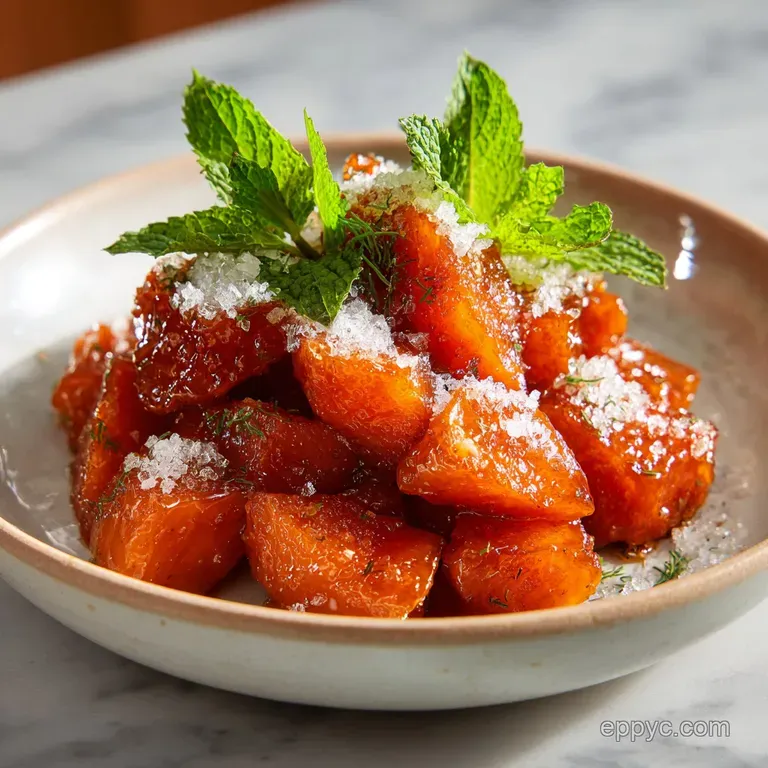
- Prep the potatoes. Peel the 3 lbs of sweet potatoes and slice them into 1/2 inch rounds. Note: Consistent thickness ensures they all finish at the same time.
- Arrange the base. Place the rounds in a 9x13 baking dish, overlapping them slightly like shingles. Note: This allows the syrup to pool between the layers.
- Mix the dry glaze. In a small bowl, combine 1 cup light brown sugar, 1/2 cup white sugar, and all the spices. Note: Mixing them first prevents "spice clumps" in your final dish.
- Add liquid aromatics. Drizzle the 1 tbsp vanilla and 1 tbsp lemon juice over the potatoes. Note: The lemon juice starts working on the starches immediately.
- Distribute the fat. Place the 1/2 cup of sliced butter pats evenly over the top of the potatoes. Note: As the butter melts, it carries the sugar and spices down into the gaps.
- Cover and braise. Seal the dish tightly with foil and bake at 350°F for 30 minutes until the potatoes are tender when pierced with a fork.
- Uncover and glaze. Remove the foil and spoon some of the accumulated liquid over the top of the potatoes. Note: This basting step is what creates the sticky exterior.
- The caramelization phase. Bake uncovered for another 10 minutes until the syrup is bubbling and starting to thicken.
- Apply the topping. Sprinkle the 2 cups of marshmallows and 1/2 cup of pecans over the top. Note: Don't do this too early or the marshmallows will disappear into the syrup.
- The final sizzle. Bake for 5 more minutes until the marshmallows are golden brown and starting to shatter at the edges.
Correcting Common Texture Mistakes
Why Your Yams Are Watery
If your dish looks more like soup than syrup, the culprit is usually trapped steam or under baking. Sweet potatoes release a lot of water as their cell structures collapse. If you don't uncover the dish for that final 15 minutes, that water has nowhere to go.
You need that evaporation phase to concentrate the sugars into a proper glaze.
Why Your Sugar Grainy
This happens when the sugar crystals don't fully dissolve or if they re crystallize during the cooling process. This is exactly why we use lemon juice. The acid breaks down the sucrose, making it much harder for those gritty crystals to reform.
Always make sure you're whisking your sugar and spices well before they hit the heat.
| Problem | Root Cause | Solution |
|---|---|---|
| Hard Potato Centers | Slices too thick | Stick to 1/2 inch or increase covered bake time |
| Burnt Marshmallows | Placed too high in oven | Use the middle rack and watch closely after 3 mins |
| Greasy Syrup | Butter didn't emulsify | Whisk the liquid in the pan halfway through baking |
Common Mistakes Checklist
- ✓ Never use canned yams for this specific recipe; the texture will turn to mush.
- ✓ Don't skip the salt; it's the digital "logic" that makes the sugar make sense.
- ✓ Ensure the foil seal is tight during the first 30 minutes to steam the starch.
- ✓ Let the dish sit for 10 minutes after baking; the syrup thickens as it cools.
- ✓ Avoid low-fat butter substitutes; they contain too much water and won't glaze.
Adjusting Portions for Any Crowd
When scaling down this southern candied yams recipe for a smaller household, you can easily halve the ingredients and use an 8x8-inch pan. You should reduce the initial covered baking time by about 5-8 minutes, but keep the uncovered "glazing" time the same, as you still need that evaporation to occur.
If you're only using half an egg for a different recipe mix, beat it first and then measure, but for this recipe, the ratios are quite forgiving.
Scaling up for a massive holiday party (2x or 3x) requires a bit more care. Don't just double the salt and spices start at 1.5x and taste the syrup halfway through. If you overcrowd a single large pan, the potatoes in the middle will stay hard while the edges burn.
It’s much better to use two separate 9x13 dishes. This ensures the heat can circulate around each pan, giving you that consistent sizzle and velvety finish on every single serving.
Creative Flavor and Diet Variations
If you want to move away from the traditional southern candied yams recipe, try a "Spiced Orange" version. Swap the lemon juice for 2 tablespoons of fresh orange juice and add a teaspoon of orange zest to the sugar mix.
The citrus oils in the zest provide a bright, floral note that cuts through the richness of the butter perfectly. It's a small change that makes the dish feel entirely new.
For those who find marshmallows a bit too sweet, a "Streusel Topping" is a fantastic alternative. Mix 1/2 cup of flour, 1/2 cup of brown sugar, and 4 tablespoons of cold butter until it looks like wet sand.
Add your pecans to this mixture and crumble it over the potatoes for the final 15 minutes of baking. This creates a cobbler like crust that offers a different kind of textural shatter compared to the chewy marshmallows.
Handling Leftovers and Food Waste
Storage: Store any leftover candied yams in an airtight container in the fridge for up to 4 days. The syrup will thicken significantly as it chills, almost becoming a jelly.
To reheat, add a splash of water or a tiny pat of butter and microwave in 30 second bursts, or place in a 300°F oven until the syrup liquefies and starts to sizzle again.
I don't recommend freezing this dish, as the cell structure of the sweet potatoes tends to become "stringy" and the marshmallows will turn into a sticky, unappealing mess upon thawing.
Zero Waste: Don't throw away those potato peels! Toss them with a little oil and salt and bake them at 400°F for 10 minutes for a crispy kitchen snack. If you have extra syrup left in the pan after the potatoes are gone, it’s basically a spiced caramel.
Drizzle it over vanilla ice cream or use it as a glaze for a ham the next day. It's concentrated flavor that shouldn't go down the drain.
Main Courses for Perfect Pairing
Since this yams recipe is quite rich and sweet, you want to pair it with proteins that have a bit of salt, smoke, or acidity. A smoked turkey or a salt crusted roast chicken is the traditional choice, but I've found it also works incredibly well with spicy dishes.
The sugar in the yams acts as a cooling agent for the palate.
- Spicy Contrast
- These yams are the perfect sidekick for a Knockout Buffalo Wings recipe if you're doing a non traditional feast.
- Savory Balance
- Pair them with The Hearty Stuffed recipe for a meal that hits every flavor note from savory beef to sweet glaze.
- Starchy Pair
- Serve alongside a fresh loaf made from my Sourdough Bread recipe to mop up that extra "liquid gold" syrup.
Southern Candied Yams Truths
One of the biggest misconceptions is that "yams" and "sweet potatoes" are the same thing. In most American grocery stores, what is labeled as a "yam" is actually just a soft variety sweet potato with orange flesh.
True yams are starchy tubers from Africa and Asia with bark like skin and are rarely found in standard supermarkets. For this candied yams recipe, we are technically using sweet potatoes, but we embrace the "yam" label as a nod to the soulful, southern culinary tradition.
Another myth is that you must boil the potatoes before baking them. This is actually a mistake! Boiling the potatoes first causes them to absorb excess water, which prevents the sugar syrup from penetrating the core of the vegetable.
By starting with raw slices and "braising" them in the butter and sugar under foil, we ensure the flavor is built from the inside out. The result is a much denser, more flavorful potato that doesn't fall apart the second your fork touches it.
Recipe FAQs
What is the secret to candied yam?
Use both brown and white sugar with a touch of acid. The dual sugars ensure complexity: brown sugar provides molasses depth while white sugar helps the glaze set cleanly. The acid, usually lemon juice, prevents the sugar from re-crystallizing into a grainy texture.
What ingredients do I need for candied yams?
Sweet potatoes, butter, brown sugar, white sugar, vanilla, cinnamon, nutmeg, ginger, salt, lemon juice, and marshmallows. These form the core structure for the glazed potato and the final toasted topping. The balance of fat, starch, and sugar is key to achieving the signature velvety texture.
What's the difference between candied yams and candied sweet potatoes?
In most US markets, there is virtually no difference as "yams" are usually orange fleshed sweet potatoes. True yams are starchier and rarely used in this dish. For this recipe, use orange fleshed sweet potatoes as they break down perfectly to absorb the glaze.
Do you have to peel sweet potatoes for candied yams?
Yes, peeling is highly recommended for this recipe. The skin does not soften enough during the braising process and creates an undesirable, chewy texture against the soft glazed interior. You want uniform softness throughout the slice.
How do I prevent the sugar glaze from becoming grainy?
Add a small amount of acid to the liquid base. A tablespoon of fresh lemon juice or vinegar breaks down the sucrose into glucose and fructose, preventing the crystals from reforming during the long bake.
This technique is similar to how acid stabilizes emulsions, a concept you can also apply when making [The Piquant Chicken recipe] if you are trying to balance richness.
How do I get a thick, sticky syrup instead of a watery sauce?
Bake the dish uncovered for the final 15 minutes. This crucial step allows the water released from the sweet potatoes to evaporate, concentrating the sugars, butter, and spices into a thick, sticky coating. If you skip uncovering it, you will end up with sugary soup.
Can I substitute marshmallows with a different topping?
Yes, a buttery pecan streusel makes an excellent crunchy alternative. Mix flour, brown sugar, and cold butter until crumbly, add pecans, and scatter over the yams for the last 15 minutes.
This technique of creating a contrasting texture works well in many baked desserts; if you enjoyed learning how to manage texture here, you might also enjoy the crisp elements in [The Homemade Key recipe].
Candied Yams Recipe
Ingredients:
Instructions:
Nutrition Facts:
| Calories | 484 kcal |
|---|---|
| Protein | 4.4 g |
| Fat | 17.1 g |
| Carbs | 82.1 g |
| Fiber | 5.2 g |
| Sugar | 56.4 g |
| Sodium | 163 mg |
