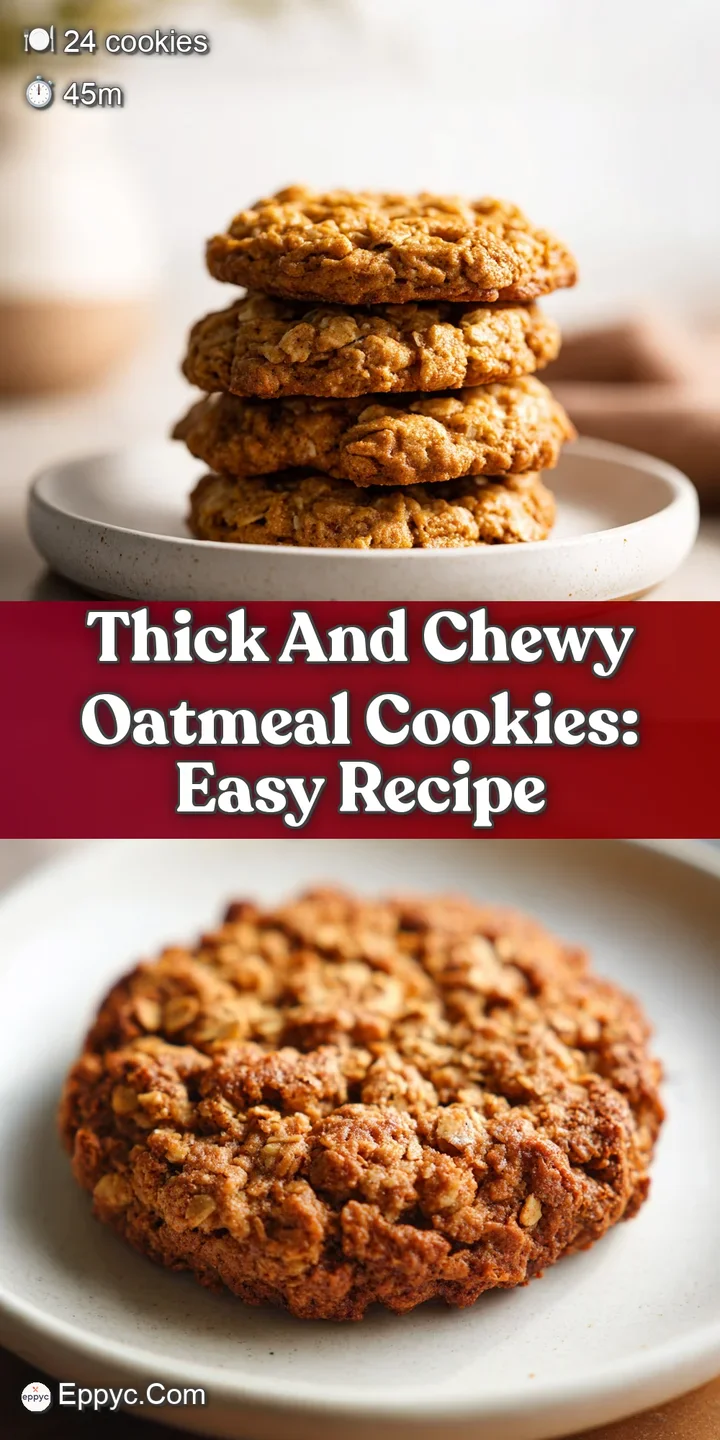
Thick and Chewy Oatmeal Cookie Recipe
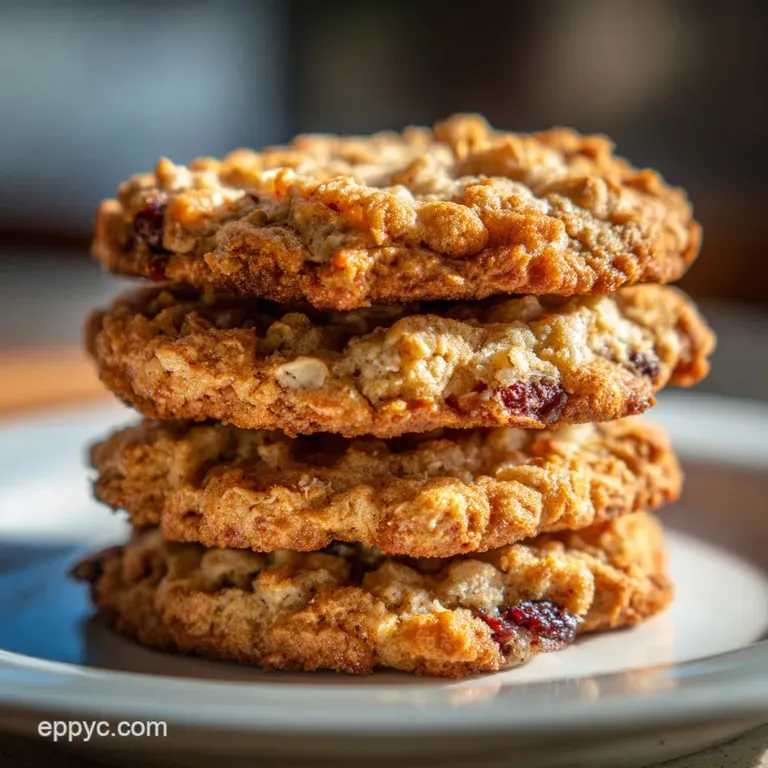
- Time: Active 35 minutes, Passive 10 minutes, Total 45 minutes
- Flavor/Texture Hook: Buttery, cinnamon spiced with a chewy center and golden, crisp edges
- Perfect for: Busy weeknight treats, school lunchbox surprises, or beginner bakers
- Mastering an Iconic Oatmeal Cookie Recipe
- Essential Recipe Success Specs
- Components for the Perfect Bake
- Tools for Minimalist Efficiency
- Step-by-Step Production Guide
- Troubleshooting Your Cookie Batch
- Customizing Your Flavor Profile
- Preservation and Revitalization Tips
- Flavor Pairing Strategies
- Recipe FAQs
- 📝 Recipe Card
Mastering an Iconic Oatmeal Cookie Recipe
I still remember the first time a batch of cookies truly humbled me. I was trying to impress a friend who literally lives for sweets, and I’d pulled out every digital gadget I owned, thinking technology would solve my lack of intuition.
Instead of thick, chewy circles of joy, I ended up with thin, greasy puddles that looked more like lace than a snack. It was a mess, honestly, and I nearly gave up on the idea of a reliable oatmeal cookie recipe altogether.
But then I stripped everything back. I stopped worrying about fancy equipment and started focusing on how the ingredients actually behave when they hit the heat. That’s when it clicked. The aroma of toasted oats and the warm sizzle of butter hitting the sugar isn't just a smell; it's a signal.
When you get that right, the kitchen feels like the most empowered place on earth.
We're going to use minimal tools here just a couple of bowls and a sturdy spoon if you don't want to drag out the heavy mixer. This approach is all about reliable steps that fit into a busy life.
Trust me on this, once you see how the edges start to shatter under your teeth while the middle stays velvety and soft, you’ll never go back to store-bought again. Let's crack on with what makes this work.
Essential Recipe Success Specs
The Physics of the Spread: Dark brown sugar contains molasses, which is acidic and reacts with the alkaline baking soda to create carbon dioxide. This chemical reaction ensures the cookies rise and then settle into that signature chewy, dense texture rather than becoming cakey.
- Butter Aeration: Creaming the butter and sugar for a full 5 minutes incorporates tiny air pockets that expand in the oven.
- Oat Hydration: Allowing the dough to rest for just ten minutes before scooping lets the oats soak up moisture, preventing a dry, sandy crumb.
- Heat Distribution: Using a heavy duty baking sheet ensures the bottom of the treat doesn't burn before the center is set.
- The Chill Factor: Using room temperature eggs prevents the creamed butter from curdling, maintaining a smooth emulsion.
| Cook Method | Time | Texture | Best For |
|---|---|---|---|
| Standard Oven | 10 minutes | Crisp edges, chewy center | The classic, reliable result |
| Stovetop (No Bake style) | 5 minutes | Fudge like and dense | Quick fixes without heat |
| Air Fryer | 8 minutes | Extra crunchy exterior | Small batches for one or two |
Using an oven at 180°C is the gold standard for this oatmeal cookie recipe because it allows for the Maillard reaction to fully develop that deep, caramelized flavor we all crave. While the stovetop method is faster for some treats, it misses out on the structural integrity that a steady bake provides. If you're looking for another cozy project, my How to Bake recipe uses a similar oat heavy base but transforms it into a stunning streusel cake.
Components for the Perfect Bake
| Ingredient | Science Role | Pro Secret |
|---|---|---|
| Old Fashioned Oats | Provides structural integrity and chew | Toast them in a dry pan for 3 minutes to unlock a nutty aroma |
| Dark Brown Sugar | Adds hygroscopic moisture and deep color | Pack it tight in the cup to ensure the correct molasses ratio |
| Unsalted Butter | Controls the "spread" and richness | Use high-quality butter with at least 82% fat for a velvety finish |
Tools for Minimalist Efficiency
You don't need a spaceship to bake a decent cookie. A large mixing bowl, a whisk for the dry stuff, and a solid spatula are your primary pieces of technology here. I’ve made these in a tiny apartment kitchen with nothing but a wooden spoon and sheer determination, and they turned out brilliant.
If you have a hand mixer, use it, but don't feel like you're failing if you're doing it by hand it’s actually a great workout!
For the Dry Base
- 1.5 cups (190g) all purpose flour
- 1 tsp ground cinnamon Why this? Essential for that nostalgic, warm flavor profile.
- 1 tsp baking soda
- 0.5 tsp kosher salt
For the Creamed Mixture
- 1 cup (225g) unsalted butter, softened
- 1 cup (200g) dark brown sugar, packed Why this? Dark brown sugar provides more moisture than light brown sugar.
- 0.5 cup (100g) granulated white sugar
- 2 large eggs, room temperature
- 1 tbsp pure vanilla extract
For the Mix ins
- 3 cups (240g) old fashioned rolled oats
- 1 cup (150g) semi sweet chocolate chips
| Original Ingredient | Substitute | Why It Works |
|---|---|---|
| Dark Brown Sugar (1 cup) | Light Brown Sugar (1 cup) | Similar moisture. Note: Will have a slightly milder caramel flavor |
| All Purpose Flour (1.5 cups) | Oat Flour (1.5 cups) | Keeps it gluten-free. Note: Texture will be much softer and more fragile |
| Chocolate Chips (1 cup) | Raisins (1 cup) | Classic swap. Note: Adds chewiness instead of melting richness |
Adding a little technology to your pantry swaps can empower you to bake regardless of what's in the cupboard. For example, if you run out of dark brown sugar, you can actually make your own by mixing a tablespoon of molasses into regular white sugar. It’s a heartfelt little hack that has saved my Sunday baking sessions more than once. If you’re a fan of traditional textures, you might also enjoy my Classic Sugar Cookies recipe, which relies on a very similar creaming method for success.
step-by-step Production Guide
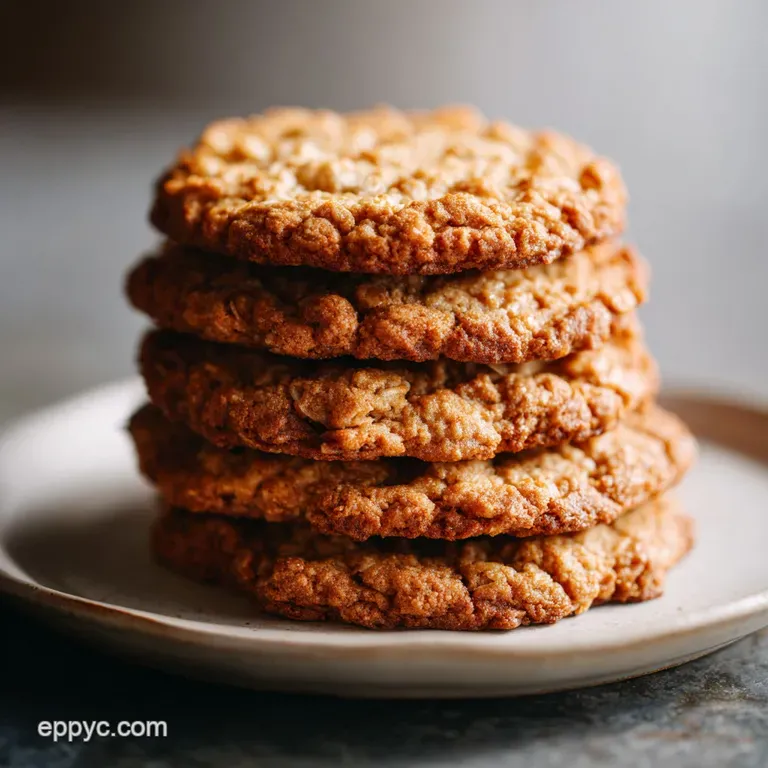
1. The Aeration Phase
Cream the 1 cup of softened butter with both the 1 cup dark brown sugar and 0.5 cup white sugar. Note: Continue until the mixture is pale and fluffy, usually about 5 minutes.
2. The Emulsion Phase
Add the 2 large eggs one at a time, followed by the 1 tbsp vanilla extract. Note: Beating well after each egg ensures the fat and water in the dough don't separate.
3. The Dry Integration
Whisk together the 1.5 cups flour, 1 tsp cinnamon, 1 tsp baking soda, and 0.5 tsp salt in a separate bowl.
4. The Incorporation Phase
Slowly fold the dry ingredients into the butter mixture. Stop as soon as the last streak of flour disappears to avoid overworking the gluten.
5. The Hearty Texture
Stir in the 3 cups of old fashioned rolled oats and 1 cup of semi sweet chocolate chips by hand.
6. The Hydration Rest
Let the dough sit at room temperature for 10 minutes. Watch the oats lose their sheen as they absorb the liquid from the eggs and butter.
7. The Precision Scoop
Using a cookie scoop, drop rounded tablespoons of dough onto a parchment lined tray.
8. The Golden Bake
Bake at 180°C (350°F) for 10 minutes until the edges are golden and the centers look slightly underbaked.
9. The Carryover Finish
Let the cookies rest on the hot baking sheet for 5 minutes. Note: The residual heat finishes cooking the center without drying out the edges.
10. The Final Cool
Move the treats to a wire rack to cool completely. Listen for the faint crackle as the sugar sets into its final, crispy structure.
Troubleshooting Your Cookie Batch
The Puddle Problem
If your cookies spread into one giant sheet, the butter was likely too warm or you didn't measure the flour correctly. This is why I love using a digital scale it’s a simple piece of technology that removes all the guesswork.
If the butter is oily when you start, the dough won't hold its shape in the oven.
The Dry Crumble Mistake
If the treats fall apart the moment you touch them, you probably used quick oats instead of old fashioned rolled oats. Quick oats absorb moisture much faster and can leave the rest of the dough "thirsty," leading to a sandy texture that doesn't bind.
The Over Bake Trap
Oatmeal cookies are notorious for looking raw in the middle when they are actually done. If you wait until the center looks solid, you’ve gone too far. You want to see "the wiggle" a center that looks soft but edges that are firmly set and starting to brown.
| Problem | Root Cause | Solution |
|---|---|---|
| Cookies are flat | Butter was too soft/melted | Chill dough for 30 mins before baking |
| Cookies are tough | Overmixed the flour | Mix only until flour is just incorporated |
| Burnt bottoms | Dark baking sheet | Use parchment paper or a silicone mat |
Common Mistakes Checklist
- ✓ Ensure eggs are at room temperature to maintain a stable emulsion
- ✓ Don't skip the 10 minute rest; it’s vital for oat hydration
- ✓ Use "Old Fashioned" oats, not "Steel Cut" (which stay rock hard)
- ✓ Check that your baking soda isn't expired by dropping a pinch in vinegar
- ✓ Space cookies at least 2 inches apart to allow for natural spread
Customizing Your Flavor Profile
If you want to scale this recipe down for just yourself, you can easily halve the ingredients. For the eggs, just beat one egg in a small cup and use half of the liquid. If you’re scaling up for a party, I recommend doubling the oats and chocolate but only increasing the cinnamon and salt to 1.5 times the original amount to keep the flavors balanced.
Chef's Tip: Add a pinch of flaky sea salt to the top of the cookies the second they come out of the oven. It cuts through the richness of the dark brown sugar and makes the chocolate "pop" in a way that feels totally gourmet.
If you are looking for a deeper flavor, you can also brown the butter before starting. Melt it in a pan until it smells nutty and has little brown specks, then let it solidify back to room temperature. This adds a layer of complexity that feels like you’ve used some secret digital infusion, but it’s just pure, heartfelt technique. For those who love a classic, my Classic Oatmeal Cookie recipe is a great baseline to compare against these variations.
Preservation and Revitalization Tips
Store these treats in an airtight container at room temperature for up to 5 days. If you find they are starting to get a bit firm, toss a piece of white bread into the container. The cookies will actually pull the moisture out of the bread, keeping them soft for another couple of days.
It’s a low tech hack that works every single time.
For long term storage, these freeze beautifully. You can freeze the baked cookies for up to 3 months, or better yet, freeze the raw dough balls. When you have a sudden craving, just pop a couple of frozen dough balls into the oven and add 2 minutes to the baking time.
It empowers you to have a "freshly baked" moment whenever the mood strikes.
Flavor Pairing Strategies
The classic cold pair is, obviously, a tall glass of milk. But if you want to be a bit more adventurous, try crumbling these over a bowl of high-quality vanilla bean ice cream. The texture of the oats provides a fantastic contrast to the silky cream.
- The Gourmet Sandwich: Smash a scoop of salted caramel gelato between two cookies for a decadent handheld treat.
- The Morning Kick: These are actually brilliant alongside a strong cup of black coffee; the bitterness of the coffee balances the sweet molasses notes perfectly.
- The Autumn Spread: Try dipping a plain oatmeal cookie (minus the chocolate chips) into some Homemade Apple Butter recipe for a cozy, spiced experience.
Debunking Cookie Myths
One common myth is that you must use a mixer to get a good cookie. In reality, hand mixing often prevents over aeration, which can lead to cookies that collapse. Another myth is that "more oats equals healthier." While oats have fiber, the structure of the cookie still relies on the sugar fat bond, so don't try to double the oats without increasing the liquid, or you'll end up with a dry mess.
Finally, many believe you can't use salted butter. You absolutely can; just reduce the added kosher salt by a quarter teaspoon.
Right then, you're now armed with everything you need to dominate this oatmeal cookie recipe. Go get that oven preheated and enjoy the process!
Recipe FAQs
What are the most common mistakes making oatmeal cookies?
Using the wrong oats or having overly warm butter. The most frequent errors involve substituting Old Fashioned oats for Quick oats, which leads to a dry crumb, or starting with butter that is too soft, causing excessive spreading.
Are oat cookies actually healthy?
No, they are cookies, but oats offer dietary benefits. While oats provide fiber and complex carbohydrates, the sugar and fat content firmly place them in the treat category, not a health food.
What kind of oatmeal is best for oatmeal cookies?
Use Old Fashioned Rolled Oats. These provide the best balance of structure and chewiness; quick oats absorb too fast and result in a sandy texture, while steel cut oats won't soften enough during baking.
What is the healthiest cookie to eat?
It depends entirely on ingredient substitution, but generally, those with less fat and sugar. Cookies using whole grain flour and replacing some fat with applesauce tend to be lower in calories, similar to principles we use when we explore baking classic cookies without brown sugar.
How do I prevent my oatmeal cookies from spreading too thin?
Chill the dough for at least 30 minutes before scooping. Cold fat melts slower in the oven, allowing the structural components (oats and flour) time to set before the cookie spreads completely.
Why are my oatmeal cookies tough and dry?
You likely overworked the dough after adding the flour. Overmixing develops gluten, leading to a tough structure, or you omitted the brown sugar, which is crucial for moisture retention due to its molasses content.
Is it necessary to brown the butter for the best flavor?
No, browning the butter is optional but highly recommended for depth. Browning the butter toasts the milk solids, adding a nutty, complex flavor; if you master the technique here, apply that thermal control to our How to Bake recipe for superior results.
Chewy Oatmeal Cookie Recipe
Ingredients:
Instructions:
Nutrition Facts:
| Calories | 220 kcal |
|---|---|
| Protein | 2.6 g |
| Fat | 10.5 g |
| Carbs | 29.1 g |
| Fiber | 1.2 g |
| Sugar | 15.6 g |
| Sodium | 115 mg |
