Chicken Alfredo Recipe: Silky & Quick
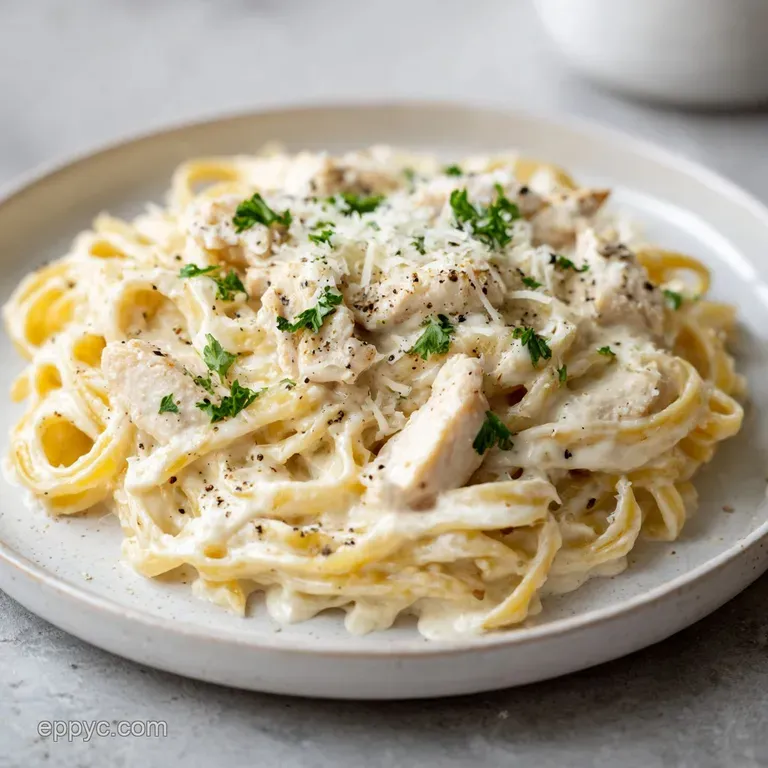
- Time: Active 10 minutes, Passive 15 minutes, Total 25 minutes
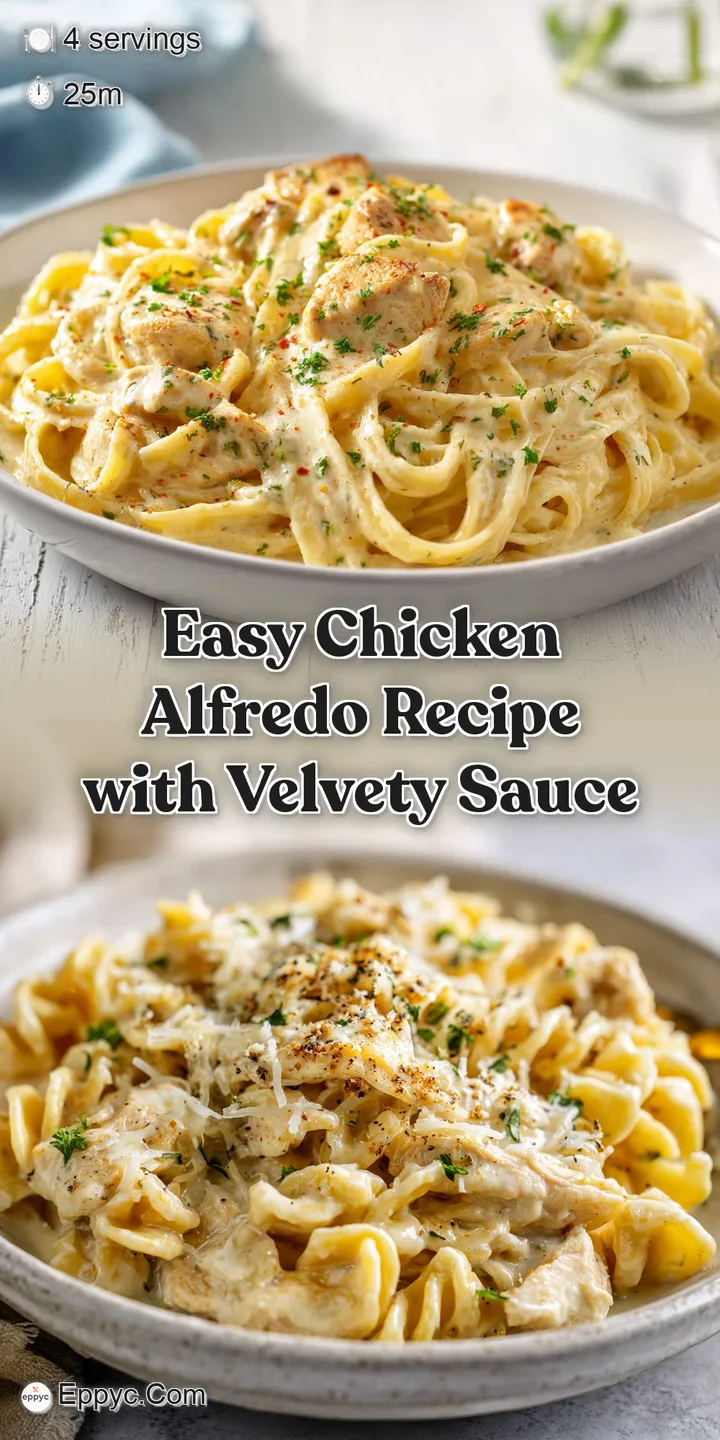
- Flavor/Texture Hook: Velvety, nutty parmesan sauce with a golden, seared chicken crunch.
- Perfect for: High pressure weeknights or impressing a date with a "from scratch" classic.
- A Foolproof Creamy Chicken Alfredo Recipe
- Why This Sauce Stays Velvety
- Component Analysis
- Essentials for Your Pasta Night
- The Tools for Success
- Steps to Pasta Perfection
- Fixing Common Sauce Struggles
- Variations and Scaling Methods
- Storage and Reheating Tips
- What to Serve Alongside
- Very High in Sodium
- Recipe FAQs
- 📝 Recipe Card
A Foolproof Creamy Chicken Alfredo Recipe
Listen, we've all been there. It is 6:00 PM on a Tuesday, you're starving, and that blue jar of white sauce in the pantry is whispering your name. I used to reach for it too, until I realized that the "gloop" in the jar tastes mostly like preservatives and disappointment.
The first time I ditched the jar and heard the rhythmic sizzle of chicken hitting a hot pan, followed by the nutty aroma of fresh Parmigiano Reggiano melting into half and half, I knew I could never go back.
Making a real chicken alfredo recipe at home isn't about being a professional; it's about understanding how a few simple ingredients can lean on each other to create something incredible. I remember my first attempt ended in a clumpy, oily mess because I used the pre shredded cheese in the green can. Big mistake.
Once I learned the secret of pasta water and fresh grating, it changed my entire kitchen game. This is the version I make when I need comfort but also want to feel like a digital age chef who knows exactly what they're doing.
We are going for a sauce that actually clings to the pasta rather than pooling at the bottom of the bowl. It's about that velvety drape and the way the broccoli adds a fresh snap to the richness.
You don't need a culinary degree or expensive gear just a solid skillet and the willingness to grate a little cheese. Trust me on this, once you see how easy it is to empower your dinner routine with these steps, the jarred stuff will stay on the shelf forever.
Why This Sauce Stays Velvety
Starch Stabilization: The reserved pasta water contains dissolved starches that act as a bridge between the fats in the butter and the liquids in the half and half.
Temperature Control: Adding cheese off the heat prevents the proteins from tightening and turning into rubbery clumps.
The Maillard Reaction: Pounding the chicken to a uniform thickness ensures a wide surface area for browning, creating deep savory notes that cut through the cream.
Enzymatic Breakdown: Freshly grated Parmigiano Reggiano melts at a lower temperature than aged, pre shredded varieties because it lacks anti caking cornstarch.
| Thickness | Internal Temp | Rest Time | Visual Cue |
|---|---|---|---|
| 1/2 inch | 165°F (75°C) | 5 minutes | Opaque center, juices run clear |
When you are deciding between a fast weeknight version and a classic slow simmered approach, the biggest difference is how you handle the fat content. This version uses half and half for a lighter feel that doesn't leave you feeling weighed down, while still hitting those rich notes you crave from a classic chicken alfredo recipe. If you find yourself wanting to experiment with other Italian inspired flavors, you might also enjoy my Classic Chicken Piccata Recipe for a zesty, lemon forward alternative.
Component Analysis
| Ingredient | Science Role | Pro Secret |
|---|---|---|
| Pasta Water | Emulsifier | Never toss it; it is the "liquid gold" that binds the sauce. |
| Parmigiano Reggiano | Flavor/Thickener | Buy the wedge and grate it fine for a silkier melt. |
| Half and Half | Fat Source | Bring it to room temp to prevent curdling in the hot pan. |
Essentials for Your Pasta Night
To make this chicken alfredo recipe truly sing, the quality of your elements matters more than the quantity. We are keeping it simple but intentional.
- 1 lb Chicken Breasts: Pounded to 1/2 inch thickness. Why this? Ensures even cooking and maximum golden crust.
- 10 oz Fettuccine: The wide surface area is built to hold onto heavy sauces. Why this? Substitutes well with linguine if you're out of fettuccine.
- 3 tbsp Unsalted Butter: Using unsalted lets you control the final seasoning perfectly.
- 3 Cloves Garlic: Freshly minced is non negotiable here. Why this? Jarred garlic has an acidic aftertaste that ruins the cream.
- 1.5 cups Parmigiano Reggiano: Must be freshly grated. Why this? Pre shredded cheese contains cellulose which makes sauces grainy.
- 1 cup Half and Half: A middle ground between milk and heavy cream.
- 2 cups Broccoli Florets: Steamed or tossed in with the pasta during the last 3 minutes.
- 1 tsp Kosher Salt: Enhances the natural nuttiness of the parmesan.
- 1/2 tsp Black Pepper: Freshly cracked adds a sharp bite.
- 1 tsp Garlic Powder: For seasoning the chicken directly.
- 2 tbsp Extra Virgin Olive Oil: For that over high heat sear.
- 1/4 tsp Nutmeg: The secret ingredient that makes the dairy taste richer.
| Original Ingredient | Substitute | Why It Works |
|---|---|---|
| Half and Half | Whole milk + 1 tbsp butter | Adds necessary fat back into the thinner milk. |
| Fettuccine | Penne or Rigatoni | Ridged pasta captures the sauce inside the tubes. |
| Parmigiano Reggiano | Pecorino Romano | Saltier and tangier; use slightly less salt in the recipe. |
| Chicken Breast | Boneless Chicken Thighs | High fat content keeps them juicy, but they take longer to sear. |
I've found that using a digital meat thermometer is the best way to empower your cooking. It takes the guesswork out of the chicken, so you never have to cut into a piece to check if it is done. If you're looking for another gourmet style dish that uses similar prep techniques, check out this Classic Chicken Francaise Recipe.
The Tools for Success
You don't need a pantry full of technology to nail this, but a few specific items make the flow much smoother. First, a heavy bottomed skillet preferably stainless steel or cast iron is vital for getting that golden sear on the chicken.
A non stick pan won't give you those beautiful browned bits (the fond) that add flavor to the sauce later.
You'll also want a large pot for the fettuccine and a Microplane or fine grater for the cheese. I can't stress this enough: do not use the coarse side of a box grater. You want the cheese to be almost like snow so it disappears into the liquid instantly.
A pair of tongs is also your best friend for tossing the pasta and ensuring every strand is coated in that velvety goodness.
Steps to Pasta Perfection
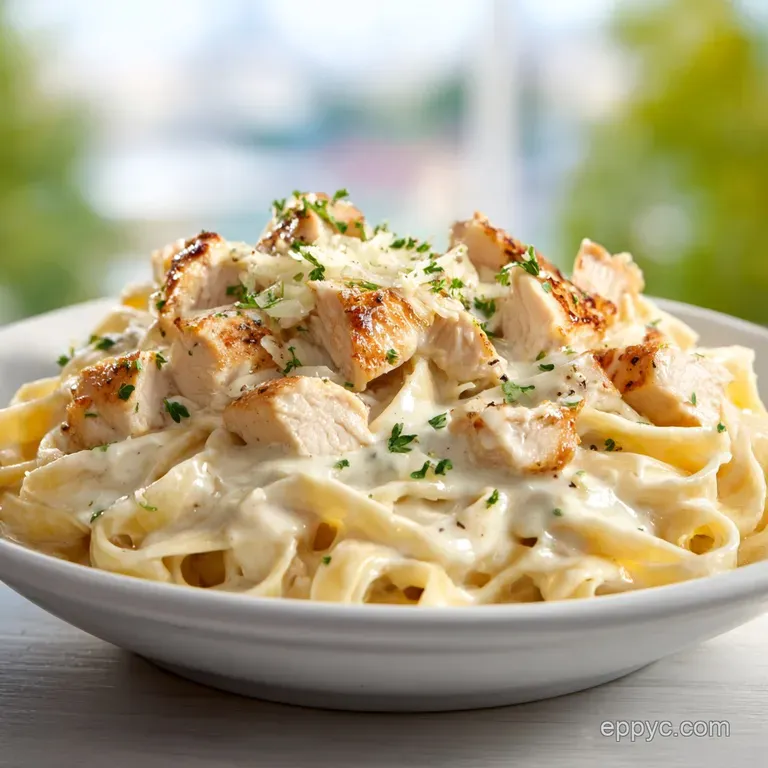
1. Achieving the Golden Sear
Season your 1 lb of pounded chicken breasts with 1 tsp salt, 1/2 tsp pepper, and 1 tsp garlic powder. Heat 2 tbsp olive oil in your skillet over medium high heat. Place the chicken in the pan and cook for 5-7 minutes per side until the surface is a deep golden brown.
Note: Resist the urge to move the chicken too early; it needs contact time to develop flavor.
2. Boiling the Foundation
While the chicken sears, bring a large pot of salted water to a boil. Add 10 oz fettuccine and cook for 8-10 minutes until it is al dente. Note: Al dente means it still has a slight bite, which is crucial because it will finish cooking in the sauce.
3. Integrating Fresh Greens
In the last 3 minutes of the pasta's boiling time, drop the 2 cups of broccoli florets directly into the pasta water. Cook until the broccoli is bright green and tender crisp.
4. Reserving the Liquid
Before draining, scoop out at least 1/2 cup of the pasta water and set it aside. This is your insurance policy for a smooth sauce. Drain the pasta and broccoli.
5. Building the Aromatics
Remove the chicken from the skillet and let it rest on a cutting board. Lower the heat to medium and add 3 tbsp unsalted butter. Once melted, add 3 cloves of minced garlic and sauté for 1 minute until the aroma fills the kitchen.
6. Crafting the Creamy Alfredo
Pour in 1 cup of half and half and add 1/4 tsp nutmeg. Bring to a gentle simmer, scraping up the browned bits from the bottom of the pan. Simmer for 2-3 minutes until the liquid reduces slightly.
7. Melting the Cheese
Turn the heat to the lowest setting. Gradually whisk in 1.5 cups of freshly grated Parmigiano Reggiano. Whisk constantly until the sauce is smooth and the cheese is fully integrated.
8. Integrating the Components
Add the cooked pasta and broccoli into the skillet. Toss vigorously with tongs, adding the reserved pasta water 1 tablespoon at a time until the sauce transforms from watery to a thick, glossy coating.
9. The Final Touch
Slice your rested chicken into strips. You'll notice the juices have redistributed, keeping the meat moist. Place the chicken on top of the pasta.
10. Serving
Give it one last crack of black pepper and a sprinkle of extra cheese. Serve immediately while the emulsion is at its peak stability.
Fixing Common Sauce Struggles
Why Your Sauce Is Grainy
This usually happens for one of two reasons: either you used pre shredded cheese which is coated in starch, or the sauce got too hot. When cheese proteins get too much heat, they tighten and separate from the fat. To avoid this, always turn the heat down or off before adding your parmesan.
If it's already grainy, adding a splash of very hot pasta water and whisking like your life depends on it can sometimes save it.
Why Your Sauce Is Too Thin
If the sauce looks more like soup than a coating, it just needs a little more time or a little more help. Most people panic and add flour, but that ruins the flavor. Instead, keep tossing the pasta in the pan over low heat. The pasta will continue to absorb liquid and release starch, naturally thickening the sauce.
You can also add an extra handful of cheese to help bind it together.
| Problem | Root Cause | Solution |
|---|---|---|
| Broken/Oily Sauce | Heat was too high after adding cheese | Whisk in a tablespoon of cold half and half off the heat |
| Dry Pasta | Not enough reserved water or pasta sat too long | Add more pasta water and a knob of butter; toss quickly |
| Bland Flavor | Not enough salt in the pasta water | Add a pinch of salt and a squeeze of lemon juice at the end |
Common Mistakes Checklist
- ✓ Never rinse your pasta; you need that surface starch for the sauce to stick.
- ✓ Ensure the chicken rests for 5 minutes before slicing so the juices don't run out.
- ✓ Use room temperature dairy to prevent the sauce from "breaking" or curdling.
- ✓ Don't overcrowd the pan when searing the chicken; work in batches if your skillet is small.
- ✓ Grate the cheese as fine as possible for a faster, smoother melt.
Variations and Scaling Methods
If you are cooking for a crowd, doubling this chicken alfredo recipe is straightforward, but you have to watch your pan size. You'll need a very large heavy bottomed pot to toss everything at the end.
When scaling up, only increase the salt and spices by 1.5x initially; you can always add more later, but you can't take it away. For the liquids, reduce the total amount by about 10% to ensure the sauce doesn't become too thin.
If you're scaling down for one or two people, it's even easier. Use a smaller skillet and reduce the cook time for the sauce by about 20% since a smaller volume of liquid evaporates faster. If you find yourself with half an egg from a different recipe, don't throw it in here; it will turn into scrambled eggs.
Stick to the dairy and cheese for the creamy factor.
| Method | Time | Texture | Best For |
|---|---|---|---|
| Standard Skillet | 25 minutes | Silky and balanced | Traditional family dinner |
| One Pot Method | 20 minutes | Extra starchy/thick | Quick cleanup weeknights |
| Baked Version | 40 minutes | Bubbly with a crust | Potlucks and meal prep |
Kitchen Myths Debunked
One of the biggest myths is that you need to add oil to your pasta water to keep the noodles from sticking. Don't do it! The oil coats the pasta and prevents the sauce from clinging to the strands. Just use a large pot of water and give it a good stir in the first 2 minutes.
Another myth is that heavy cream is the only way to get a rich sauce. As we've seen, the combination of half and half, butter, and starchy water creates a velvety texture that is actually more flavorful because it doesn't mask the nutty parmesan.
Storage and Reheating Tips
Storage: Keep leftovers in an airtight container in the fridge for up to 3 days. I don't recommend freezing this dish. The dairy and pasta often separate and turn mushy when thawed, losing that signature velvety texture.
Zero Waste: If you have leftover broccoli stalks, don't toss them! Peel the woody outer layer, dice the tender center, and sauté them with the garlic. They add a wonderful crunch.
If you have leftover sauce but no pasta, use it as a dip for crusty bread or a topping for baked potatoes the next day.
Reheating: This is the tricky part. If you microwave it on high, the sauce will break and turn oily. Instead, put the pasta in a skillet with a splash of milk or water over low heat. Cover it for a minute to let the steam loosen the noodles, then toss gently until it's creamy again.
It takes an extra 3 minutes, but it is worth it.
What to Serve Alongside
To balance the richness of a chicken alfredo recipe, you really want something with acidity or a crisp texture. A simple arugula salad with a sharp lemon vinaigrette is my go to. The peppery greens cut right through the heavy cheese sauce.
If you want to go the classic route, a piece of toasted garlic bread is perfect for mopping up any leftover sauce at the bottom of the bowl.
If you are feeling adventurous, a side of roasted red peppers or a quick tomato bruschetta provides a bright contrast to the white sauce. Since this dish is quite filling on its own, keep the sides light and fresh.
You want your guests (or just yourself!) to finish the meal feeling satisfied, not like they need a three hour nap. Empower your dinner table by mixing and matching these textures for the best experience.
Questions You Might Have
What kind of cheese is best? Always go for Parmigiano Reggiano if the budget allows. It has a protected status and a much deeper, complex flavor than generic "parmesan." If you need a budget friendly swap, a high-quality domestic parmesan block is fine as long as you grate it yourself.
Can I make this gluten-free? Absolutely. Swap the fettuccine for your favorite gluten-free pasta. Just be aware that gluten-free pasta water isn't always as starchy, so you might need to simmer the sauce a minute longer to reach your desired thickness.
Is it okay to use milk instead of half and half? You can, but the sauce will be thinner and less stable. If you use whole milk, I'd suggest adding an extra tablespoon of butter and a bit more cheese to help it emulsify properly.
Avoid skim or 1% milk, as they tend to curdle when they hit the garlic and heat.
Very High in Sodium
1140 mg mg of sodium per serving (50% of daily value)
American Heart Association recommendation: Limit sodium intake to about 2,300mg per day for overall cardiovascular health.
Tips to Reduce Sodium in Your Fettuccine Alfredo
-
Reduce Parmesan-15%
Parmesan cheese is a significant source of sodium. Reduce the amount of Parmigiano Reggiano by half, using only 3/4 cup, for a noticeable reduction in sodium. Consider adding a small amount of nutritional yeast for a cheesy flavor boost without the sodium.
-
Limit Added Salt-25%
The recipe calls for 1 tsp of kosher salt. Reduce this to 1/2 tsp or even 1/4 tsp, tasting and adjusting only if needed. Salt can always be added, but it cannot be taken away.
-
Use Unsalted Butter-10%
Ensure you're using truly unsalted butter. Even a small amount of salt in the butter can contribute to the overall sodium content. Double check the label to be sure.
-
Fresh Broccoli
Continue using fresh broccoli florets; these are naturally low in sodium. Avoid frozen broccoli that might contain added salt or preservatives.
-
Enhance with Herbs
Boost flavor with sodium free herbs and spices like Italian seasoning, fresh parsley, or red pepper flakes. Experiment with different combinations to find what you enjoy most!
Recipe FAQs
What are the ingredients for Chicken Alfredo?
Key ingredients include: Fettuccine, chicken breasts, unsalted butter, minced garlic, half and half, freshly grated Parmigiano Reggiano, and nutmeg. You also need simple seasonings like salt, pepper, and garlic powder for the chicken.
What makes Chicken Alfredo taste better?
Using freshly grated Parmigiano Reggiano is essential. Pre-shredded cheese contains anti caking agents that prevent smooth melting, leading to a grainy texture. Also, properly searing the chicken develops deep, savory notes that cut through the creaminess.
What's the secret to good Alfredo?
The secret is reserved starchy pasta water. This liquid contains starches that act as a powerful emulsifier, binding the fat from the butter and cream into a stable, glossy sauce that clings to the noodles.
If you enjoyed mastering the heat control needed for this emulsion, see how the same principle works when creating a stable base for our Turkey Neck Gravy recipe.
What are common mistakes when making Alfredo?
Adding cheese over high heat or using pre-shredded cheese are the top mistakes. High heat causes the cheese proteins to seize up, resulting in a broken, oily, or clumpy sauce instead of a velvety one. Always reduce the heat before incorporating the parmesan.
Can I substitute heavy cream for half and half?
Yes, you can substitute heavy cream, but adjust your liquid. If using heavy cream, you will likely need to add an extra splash of pasta water or milk, as the cream is much thicker and evaporates slower. Alternatively, if you wanted a similar rich base but for a baked dish, look at our recipe for Chicken Pot Pie recipe.
How do I prevent the Alfredo sauce from becoming oily when reheating?
Reheat the sauce gently over low heat with added moisture. Place the leftovers in a skillet, add a splash of fresh milk or water, and cover to let the steam penetrate the sauce. Vigorously tossing over low heat will help re-emulsify the fats.
Should I use chicken thighs instead of breasts?
No, chicken breasts are generally preferred for classic presentation. Breasts pound easily to an even thickness, achieving the ideal Maillard crust quickly without overcooking the interior. Thighs work, but they require a longer sear time, which can scorch your garlic aromatics.
Chicken Alfredo Recipe Classic
Ingredients:
Instructions:
Nutrition Facts:
| Calories | 782 kcal |
|---|---|
| Protein | 54.4 g |
| Fat | 38.2 g |
| Carbs | 56.8 g |
| Fiber | 3.2 g |
| Sugar | 3.5 g |
| Sodium | 1140 mg |
