Chicken Casserole
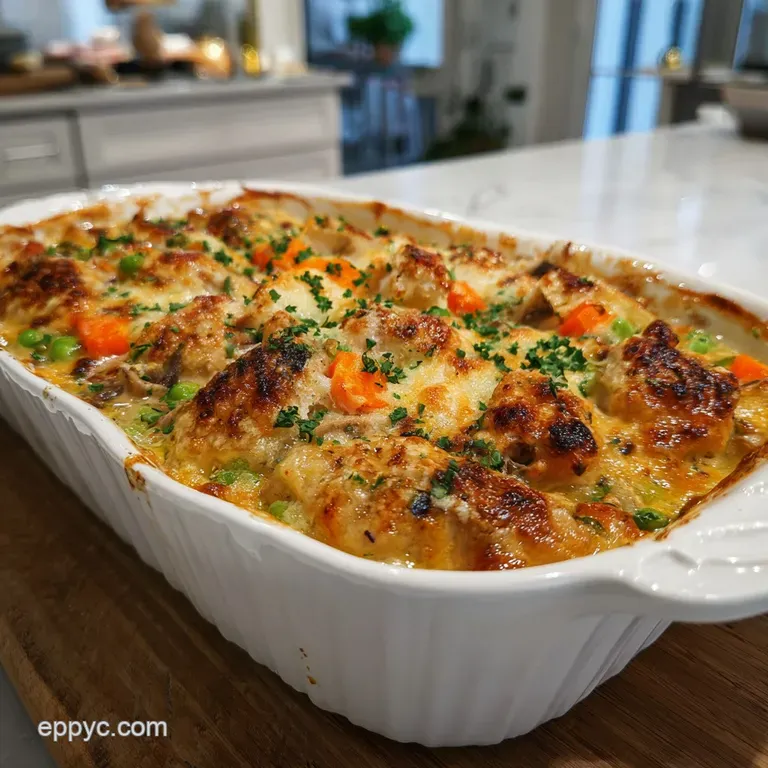
- Time: Active 15 minutes, Passive 30 minutes, Total 45 minutes
- Flavor/Texture Hook: Velvety cream base with a buttery Ritz cracker shatter
- Perfect for: Stress free weeknight dinners and budget-friendly meal prepping
Honestly, there is nothing quite like the aroma of melting butter and garlic wafting through the house on a Tuesday night. I remember the first time I tried making a version of Paula Deens Amazing Chicken Casserole, and it hit me how comfort food doesn't need to be expensive or complicated to be world class.
We are talking about that classic, creamy nostalgia that makes everyone at the table reach for seconds before they've even finished their first serving.
This isn't just another soggy bake that disappears into a mushy mess. I have spent years tweaking the ratios to ensure the noodles stay firm and the sauce stays glossy rather than breaking.
We are using smart, budget conscious swaps like Greek yogurt to add a sophisticated tang without the heavy price tag of premium creams. It's a method that empowers you to clear out your fridge while still serving something that feels intentional and heartfelt.
You can expect a dish that balances the savory depth of rotisserie chicken with a bright, onion scented cream sauce. It's a reliable staple that has saved my sanity more times than I can count.
If you are looking for a meal that feels like a warm hug but actually fits into your digital, fast paced lifestyle, this is it. Let's get into the details of how to make this work perfectly every single time.
Why This Works
- Starch Gelatinization: The starches in the egg noodles absorb the flavorful chicken broth during the bake, which prevents the sauce from becoming watery or thin.
- Protein Denaturation: Since we use pre cooked chicken, the secondary bake simply allows the proteins to bind with the fats in the cheese, creating a cohesive, tender bite.
- Maillard Reaction: The butter soaked Ritz crackers undergo rapid browning, developing complex, nutty flavor compounds that contrast the creamy interior.
- Emulsification Stability: Using Greek yogurt instead of just heavy cream provides a stable acid fat balance that resists "breaking" or curdling under high heat.
Component Analysis
| Ingredient | Science Role | Pro Secret |
|---|---|---|
| Shredded Chicken | Structural Protein | Use cold rotisserie chicken; it holds its shape better than warm, freshly boiled meat. |
| Greek Yogurt (2%) | Acidic Emulsifier | Whisk it at room temperature to prevent the sauce from graining when hitting the oven. |
| Ritz Crackers | Textural Contrast | Crush them by hand for irregular shards that catch more butter and brown unevenly. |
This specific combination of ingredients relies on the balance of moisture and fat. When you mix the low sodium condensed cream of chicken soup with the yogurt, you create a thick matrix that suspends the peas and carrots perfectly. It is a much more reliable method than the one I used in my Classic Chicken Piccata Recipe where the sauce is built in the pan.
The chicken broth plays a vital role here too. It thins the initial mixture just enough so that as the noodles sit in the oven, they can drink up that extra hydration without becoming dry. If you skip the broth, you often end up with a "tight" casserole that feels heavy on the palate.
Selecting Your Kitchen Ingredients
- 10.5 oz low sodium condensed cream of chicken soup: Why this? Provides a pre emulsified thickener that won't break during the 30 minute bake. (Substitute: 300ml homemade velouté sauce)
- 1 cup plain Greek yogurt (2%): Why this? Adds a necessary lactic tang that cuts through the heavy fat content. (Substitute: Sour cream)
- 0.5 cup low sodium chicken broth: Why this? Hydrates the noodles during the bake so they don't pull moisture from the sauce. (Substitute: Vegetable stock)
- 1 tsp onion powder: Why this? Distributes flavor evenly without the texture of raw onion pieces. (Substitute: Shallot salt)
- 1 tsp garlic powder: Why this? Provides a foundational savory note that complements the cheddar cheese. (Substitute: Granulated garlic)
- 0.5 tsp black pepper: Why this? Adds a subtle heat to balance the creamy elements. (Substitute: White pepper)
- 4 cups cooked shredded rotisserie chicken: Why this? Pre seasoned and tender, it saves significant prep time on busy nights. (Substitute: Poached chicken breast)
- 12 oz whole wheat egg noodles, cooked al dente: Why this? The higher fiber content keeps the noodles from turning to mush. (Substitute: Regular egg noodles)
- 1 cup frozen peas and carrots: Why this? Flash frozen at peak ripeness to provide a snap of sweetness. (Substitute: Cut green beans)
- 1.5 cups reduced fat sharp cheddar cheese, shredded: Why this? Offers a punchy flavor while keeping the calorie count budget friendly. (Substitute: Colby Jack)
- 1 sleeve reduced fat Ritz crackers, crushed: Why this? The signature buttery crunch that defines this classic comfort dish. (Substitute: Panko breadcrumbs)
- 2 tbsp unsalted butter, melted: Why this? Acts as the adhesive and browning agent for the cracker topping. (Substitute: Olive oil)
- 1 tbsp fresh parsley, chopped: Why this? Provides a visual pop and a clean, herbaceous finish. (Substitute: Dried parsley)
Necessary Tools for Success
You don't need a high tech kitchen to master this, but a few specific tools make the process much smoother. I always recommend using a large 9x13 inch (23x33 cm) ceramic baking dish because ceramic holds heat more evenly than glass, which helps prevent the bottom from scorching.
A sturdy silicone spatula is also a must have. You'll want something that can scrape the bottom of your mixing bowl to ensure all that onion and garlic powder is fully integrated into the soup base. If you leave clumps of powder, you'll end up with uneven flavor pockets.
I also like to use a simple zip top bag to crush the Ritz crackers. It's digital age technology at its simplest - no mess, no fuss, and you can get the kids to help with the "smushing" part.
Chef's Tip: Freeze your butter for 10 minutes before melting it. It sounds counterintuitive, but cold stored butter that is quickly melted retains a different milk solid structure that helps the crackers stay crispier for longer.
Essential Preparation Steps
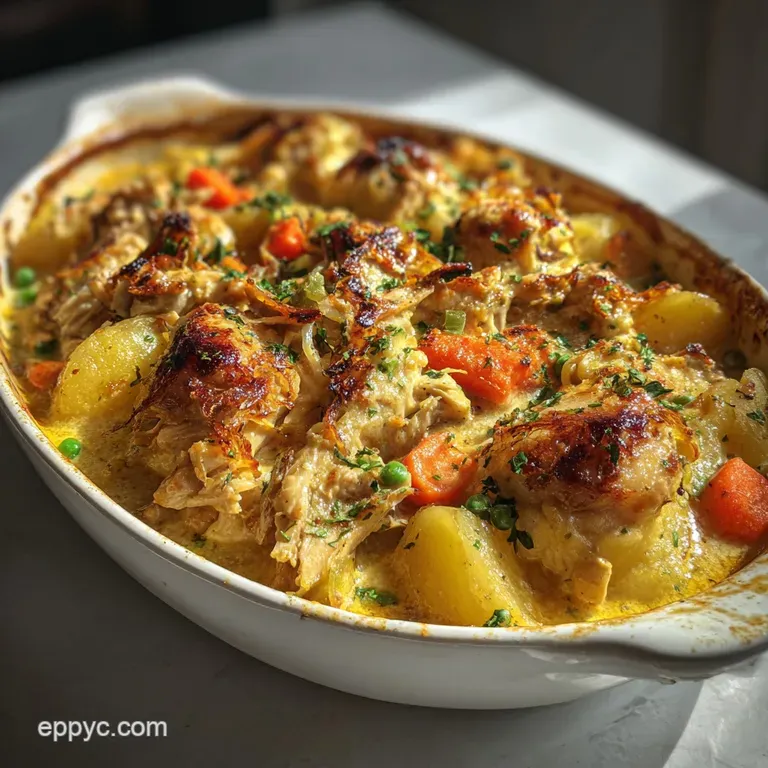
- Preheat the oven to 175°C (350°F). Note: This ensures the casserole starts cooking the moment it enters the chamber.
- Combine the condensed cream of chicken soup, Greek yogurt, chicken broth, onion powder, garlic powder, and black pepper in a large mixing bowl.
- Whisk the mixture vigorously until the base is completely smooth and looks like heavy velvet.
- Fold in the 4 cups of shredded rotisserie chicken and 1 cup of frozen peas and carrots using a spatula.
- Add the 12 oz of cooked whole wheat egg noodles to the bowl. Note: Stir gently so you don't break the delicate noodles.
- Transfer the entire mixture into your prepared baking dish and spread it into an even layer with your spatula.
- Sprinkle the 1.5 cups of shredded cheddar cheese over the top, covering the corners thoroughly.
- Toss the crushed Ritz crackers with 2 tbsp of melted butter in a separate small bowl until they are evenly coated.
- Layer the buttery crackers over the cheese.
- Bake for 30 minutes until the edges are bubbling and the topping is golden brown.
Precision Checkpoints
- Temp
- Ensure the internal temperature reaches 74°C (165°F) to guarantee the cheese and sauce are fully fused.
- Time
- Do not exceed 35 minutes in the oven, or the whole wheat noodles will lose their structural integrity.
- Weight
- Aim for 340g (12 oz) of noodles; too many will soak up all the sauce and leave the dish dry.
Fast vs Classic Comparison
| Feature | Fast Method (This Recipe) | Classic Method (From Scratch) |
|---|---|---|
| Prep Time | 15 minutes | 45 minutes |
| Protein | Rotisserie Chicken (Ready to go) | Raw breast (Requires poaching/shredding) |
| Sauce Base | Condensed soup & Yogurt | Flour, butter, milk roux (Risk of lumps) |
Fix Common Cooking Mistakes
One mistake I once made was using regular yogurt instead of Greek. The higher water content in regular yogurt caused the whole thing to turn into a soup. It tasted fine, but the texture was all wrong. If you find your bake looks a little liquidy when you pull it out, don't panic.
Let it sit on the counter for 5 to 10 minutes. This allows the starches in the noodles to finish their "carryover" absorption.
Why Your Topping is Soggy
The most common heartbreak is a soft cracker lid. This usually happens if you cover the dish with foil while it bakes. Steam gets trapped, and those beautiful crackers just soak it up like a sponge.
Always bake this uncovered to allow the moisture to escape and the Maillard reaction to do its magic on the Ritz crackers.
Why Your Sauce is Grainy
If the cheese looks oily or the sauce looks split, it is likely because the oven was too hot or the cheese was pre shredded with too much cellulose (the stuff they add to keep it from sticking in the bag). I always try to grate my own cheese when I have the extra two minutes. It melts into a much silkier pool of gold.
| Problem | Root Cause | Solution |
|---|---|---|
| Dry Noodles | Not enough chicken broth | Add 2-3 tbsp extra broth next time before baking. |
| Bland Flavor | Under seasoned chicken | Taste your rotisserie chicken first; add a pinch of salt if it's unseasoned. |
| Oily Surface | High fat cheese separation | Use reduced fat cheddar as called for in the recipe. |
Creative Flavor Variations
If you want to shake things up, there are so many ways to modify this Deens Amazing Chicken Casserole base. One of my favorites is the "Southwest" version. I just swap the peas and carrots for a can of drained black beans and some corn. I might even throw in a small can of diced green chiles for a little kick.
It’s a great way to use the same basic technique but keep your family from getting bored.
Decision Shortcut: Customizing Your Bake
- If you want a crunchier lid, use Panko breadcrumbs mixed with the crackers at a 1:1 ratio.
- If you want a lighter meal, double the frozen vegetables and reduce the noodles by half.
- If you want more depth, add 1 tsp of Dijon mustard to the creamy base before mixing.
For those who need a gluten-free option, you can find some really great brown rice egg noodles these days. They hold up surprisingly well in a bake. Just make sure you cook them about 2 minutes less than the package directions because they will continue to soften in the sauce. It's a simple adjustment that makes this dish accessible to everyone. This versatility is exactly why I love it as much as my Grandmas Chicken Pot recipe, which is another family treasure.
Storage and Reheating Tips
This bake is a meal prep superstar. You can store leftovers in an airtight container in the fridge for up to 4 days. When you go to reheat it, the noodles will have soaked up even more sauce. To bring back that velvety texture, I like to add a tiny splash of milk or broth before popping a portion into the microwave.
Freezing: You can freeze the entire assembled casserole (minus the cracker topping) for up to 3 months. Wrap it tightly in plastic wrap and then foil to prevent freezer burn. When you are ready to eat, thaw it in the fridge overnight.
Add the fresh cracker and butter topping just before you bake it at the usual temperature, though you might need to add 10 to 15 minutes to the cook time if it's still very cold.
Zero Waste Tip: Don't throw away the bones from that rotisserie chicken! I always toss them into a pot with some water, onion scraps, and celery ends to make a quick "scrap broth." You can use that broth for the next time you make this Amazing Chicken Casserole recipe.
It’s budget friendly and ensures you are getting every bit of value out of your ingredients.
Ideal Side Dish Pairings
While this is a fairly complete meal on its own, a little bit of green on the side never hurts. A simple arugula salad with a bright lemon vinaigrette provides a necessary acidic contrast to the rich, creamy sauce of the bake. The bitterness of the greens cuts right through the cheddar and butter.
If you are feeling extra hungry, a crusty piece of sourdough or a side of garlic bread is perfect for mopping up any extra sauce left on the plate. Trust me, you won't want to leave a single drop behind. This dish reminds me of the comfort found in a Classic Chicken Francaise Recipe, where the sauce is the real star of the show.
Scaling This Recipe
- Down (Half Batch): Use an 8x8 inch pan. Reduce the bake time to 20-25 minutes as the thinner layer will heat through faster.
- Up (Double Batch): Use two 9x13 pans. Do not try to double the depth in one pan or the middle will stay cold while the edges burn. Increase spices to 1.5x rather than a full 2x to avoid overpowering the chicken.
Kitchen Myths Debunked
One big myth is that you must use fresh, home cooked chicken for an Amazing Chicken Casserole to taste good. In reality, rotisserie chicken is often more flavorful because it has been slow roasted and seasoned deeply. It’s a smart shortcut that doesn't compromise the final result.
Another common misconception is that you need to rinse your pasta after boiling. Please, don't do this! The light coating of starch left on the noodles is exactly what helps the creamy sauce cling to them.
If you rinse them, the sauce will just slide right off to the bottom of the dish, leaving you with naked noodles and a puddle of soup.
Finally, some people think you can't use reduced fat cheese in bakes. While it's true that non fat cheese doesn't melt well, a high-quality reduced fat sharp cheddar (like the one we use here) still provides excellent flavor and a decent melt without the heavy grease of full fat versions.
It’s a practical way to keep the dish a bit lighter without losing that heartfelt comfort we all crave. This Chicken Casserole is a testament to how smart cooking and digital age efficiency can create something truly timeless.
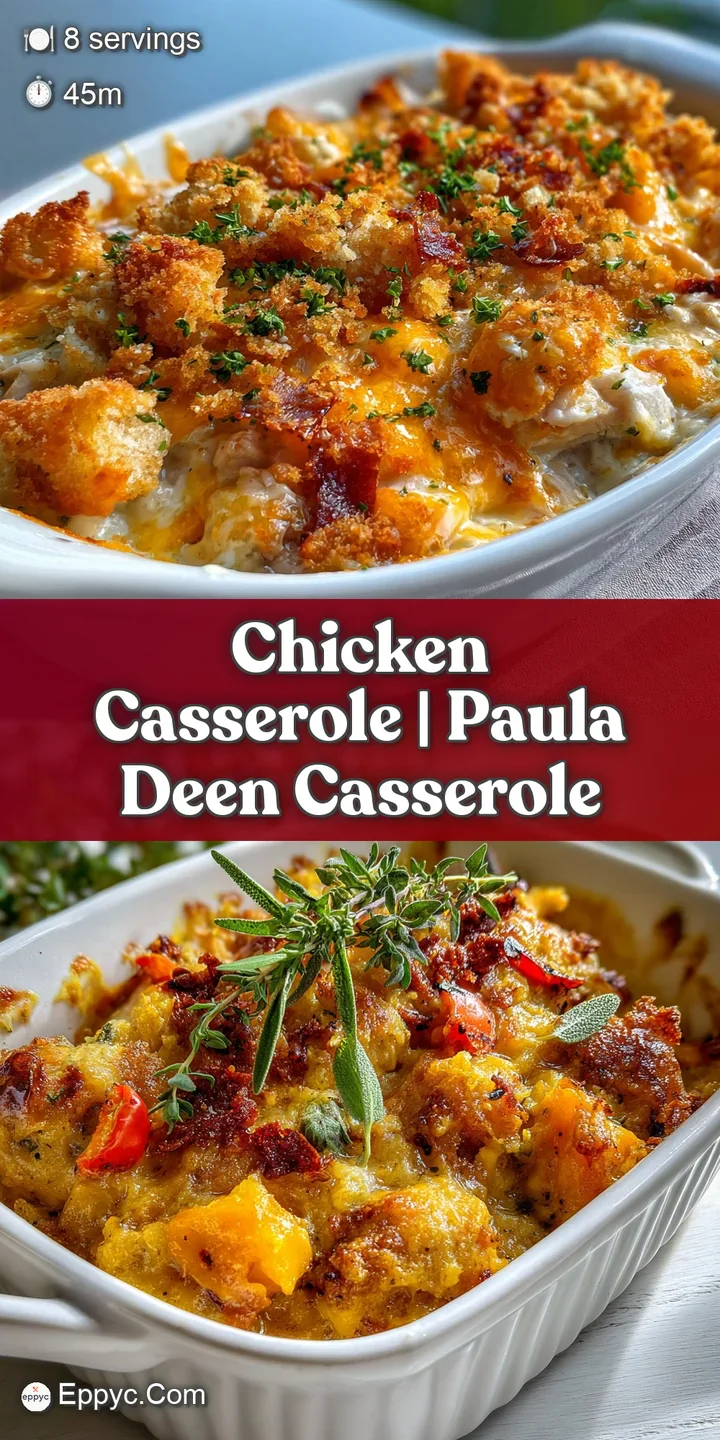
Recipe FAQs
Can I use pre-cooked rotisserie chicken for this casserole?
Yes, absolutely. Rotisserie chicken is ideal as it's already seasoned and tender, saving you significant prep time. It holds its shape well in the casserole, making it a smart shortcut for busy weeknights.
What is the best way to prevent a soggy cracker topping?
Bake uncovered and toss crackers with butter. The key is to let moisture escape the casserole during baking so the crackers can brown properly. Avoid covering the dish with foil, which traps steam and makes the topping soft.
My sauce looks watery after baking. What went wrong?
You likely didn't use enough thickener or the noodles didn't absorb enough liquid. Ensure you use the specified condensed soup and consider adding a tablespoon or two of extra chicken broth next time if your noodles seem dry after baking.
How do I make this gluten-free?
Substitute the egg noodles with brown rice egg noodles. These hold up well in bakes, but cook them about 2 minutes less than package directions as they'll continue softening in the sauce. This technique is similar to how we manage pasta texture in our Grandmas Chicken Pot recipe.
Can I freeze this chicken casserole?
Yes, you can freeze it before baking. Assemble the casserole but hold off on the cracker topping. Wrap it tightly and freeze for up to 3 months. Add the fresh topping and bake, potentially adding extra time, after thawing.
Is it true that I shouldn't rinse pasta after boiling it for casseroles?
No, this is a common misconception. Do NOT rinse your pasta for casseroles. The starch left on the noodles is crucial for helping the creamy sauce adhere properly. Rinsing washes off this starchy coating, leading to a looser sauce.
What are some creative flavor variations for this casserole?
Consider a "Southwest" twist by adding black beans, corn, and diced green chiles. You can also swap the peas and carrots for other vegetables like broccoli florets or mushrooms. If you enjoy creamy chicken dishes, you might also like our Easy Recipe for White Sauce Chicken Enchiladas: Creamy Family Favorite.
Chicken Casserole
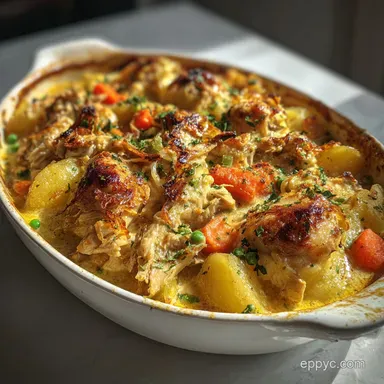
Ingredients:
Instructions:
Nutrition Facts:
| Calories | 392 kcal |
|---|---|
| Protein | 35.8 g |
| Fat | 16.2 g |
| Carbs | 25.4 g |
| Fiber | 2.1 g |
| Sugar | 2.3 g |
| Sodium | 485 mg |
