Homemade Chicken Tikka Masala
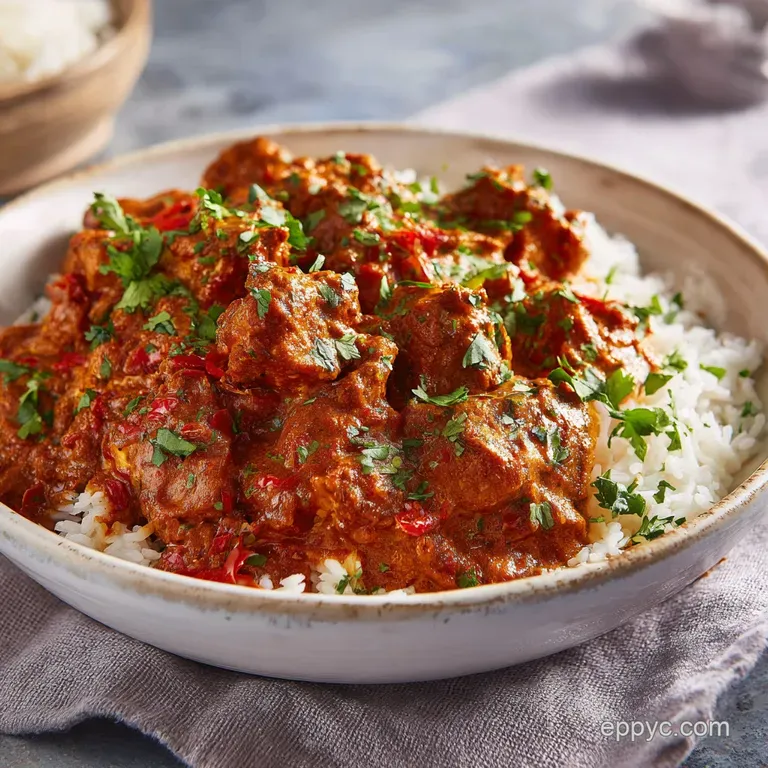
- Time: Active 20 minutes, Passive 30 minutes, Total 50 minutes
- Flavor/Texture Hook: Charred, smoky chicken nestled in a velvety, spiced silk sauce
- Perfect for: Impressing guests or a high end weeknight meal prep
- Crafting the Ultimate Velvety Chicken Tikka Masala at Home
- Why This Spiced Emulsion Works
- Component Analysis for Perfect Curry
- Curating the Perfect Spice Pantry
- Essential Tools for Curry Success
- The Step-by-Step Cooking Flow
- Preventive Measures for Sauce Perfection
- Smart Swaps for Dietary Needs
- Debunking Traditional Curry Beliefs
- Storing and Reheating Your Leftovers
- Completing the Full Indian Feast
- Recipe FAQs
- 📝 Recipe Card
Crafting the Ultimate Velvety Chicken Tikka Masala at Home
The first time I tried to make this at home, I ended up with a pale, watery mess that tasted more like tomato soup than a proper curry. I was devastated because I could still smell that intoxicating, smoky aroma from my favorite local spot, but my kitchen just smelled like... well, canned tomatoes.
The sizzle was missing, and that signature mahogany char on the chicken was nowhere to be found. I realized I was treating the chicken like it was being poached instead of being grilled.
Everything changed when I stopped being afraid of the heat. You need to hear that aggressive crackle when the marinated chicken hits the pan. It's a digital age kitchen miracle when you realize that achieving that deep orange hue isn't about food coloring, but about the technology of heat and the right ratio of spices.
Now, every time I pull a batch of this Chicken Tikka Masala together, the aroma fills my hallway before I even finish the sauce. It feels heartfelt, powerful, and honestly, a bit like magic.
We’re going to use tech driven precision today think digital thermometers and specific heat management to empower you to ditch the takeout menu forever. This isn't just about following steps; it’s about understanding the "why" so you never have to settle for a mediocre curry again.
Let's get that ghee shimmering and transform these simple ingredients into something truly velvety.
Why This Spiced Emulsion Works
- Lactic Acid Tenderization: The full fat Greek yogurt contains lactic acid that gently breaks down protein fibers without making them mushy.
- Maillard Reaction Catalyst: over High heat searing of the yogurt coated chicken creates complex flavor compounds and that essential smoky "tikka" char.
- Fat Soluble Spice Extraction: Blooming the spices in shimmering ghee releases essential oils that are otherwise trapped in the dry powder.
- Emulsified Cream Stability: Adding heavy cream at the very end at a lower temperature prevents the fats from separating, ensuring a silky finish.
| Thickness | Internal Temp | Rest Time | Visual Cue |
|---|---|---|---|
| 1 inch cubes | 74°C | 5 minutes | Charred edges, no pink center |
| 1.5 inch cubes | 74°C | 7 minutes | Dark mahogany spots on yogurt |
| 2 inch chunks | 74°C | 8 minutes | Firm to touch, sizzling surface |
Getting the temperature right is the difference between rubbery poultry and succulent bites. While some people eyeball it, I always rely on my digital probe to hit exactly 74°C. It's a small tech upgrade that guarantees a heartfelt meal every single time. If you enjoy this level of precision, you might also find the technique in my Classic Chicken Francaise Recipe equally rewarding for a different flavor profile.
Component Analysis for Perfect Curry
| Ingredient | Science Role | Pro Secret |
|---|---|---|
| Greek Yogurt | Protein Buffer | Use full fat only to prevent curdling during the over high heat sear. |
| Ghee | High Smoke Point | Provides a nutty depth and survives the heat required for the char. |
| Tomato Paste | Umami Concentrator | Sautéing this until it turns brick red removes the metallic "tin" taste. |
| Kashmiri Chili | Pigment & Heat | Provides the iconic vibrant red color without the mouth searing spice level. |
The foundation of any great curry is the fat. Using ghee isn't just a traditional choice; it's a functional one because it won't burn as easily as butter. This allows you to really push the temperature when you're looking for those charred "tikka" spots on your 680 grams of chicken thighs.
Curating the Perfect Spice Pantry
- Chicken Thighs (680g): Boneless and skinless for the best fat to meat ratio. Why this? Thighs stay juicy at high temperatures compared to lean breast meat. (Substitute: Chicken breast, but reduce cook time by 5 minutes)
- Greek Yogurt (120 ml): The thick, full fat variety works best. Why this? Provides the necessary acidity and a thick coating for searing. (Substitute: Sour cream)
- Ghee (30 ml): Clarified butter. Why this? High smoke point and rich, buttery flavor profile. (Substitute: Neutral oil with a drop of butter)
- Tomato Sauce (425g): Plain canned tomato sauce or passata. Why this? Creates a smooth, consistent base for the gravy. (Substitute: Crushed tomatoes blended until smooth)
- Kashmiri Chili Powder (1 tsp): A mild, bright red chili powder. Why this? Essential for that specific restaurant style orange red glow. (Substitute: 0.5 tsp paprika + 0.5 tsp cayenne)
- Heavy Cream (120 ml): For the finishing touch. Why this? Provides the signature velvety mouthfeel. (Substitute: Full fat coconut milk)
- Ginger Garlic Paste (15 ml): A 50/50 blend of fresh ginger and garlic. Why this? Distributes flavor more evenly than chopped pieces. (Substitute: Finely minced fresh ginger and garlic)
Essential Tools for Curry Success
You don't need a Tandoor oven to make great Chicken Tikka Masala, but a heavy bottomed pan is non negotiable. I personally swear by a large cast iron skillet or a heavy stainless steel pan to get that perfect sear.
The thick metal holds onto the heat, so when you drop your marinated chicken in, the temperature doesn't plummet.
A digital meat thermometer is your best friend here. It's the ultimate tool to empower any home cook, taking the guesswork out of "is it done?" and ensuring every piece is perfectly cooked.
Also, grab a silicone spatula it’s great for scraping up all those browned bits (the fond) from the bottom of the pan, which is where all the concentrated flavor lives.
The step-by-step Cooking Flow
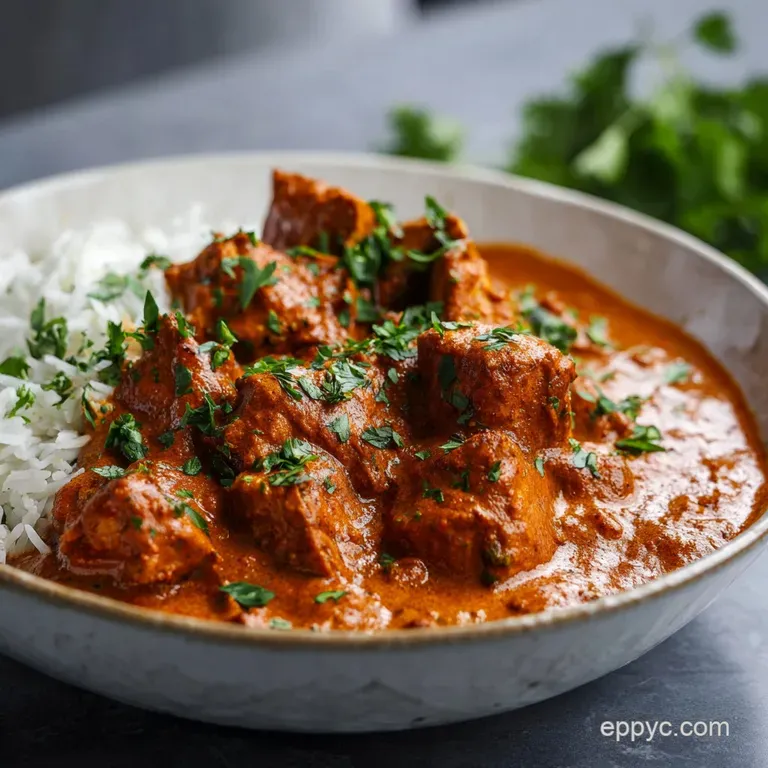
Phase 1: The Acid Hybrid Marinade
- Whisk the yogurt, lemon juice, ginger garlic paste, 7.5 ml garam masala, 2.5 ml turmeric, cumin, and Kashmiri chili in a large glass bowl. Note: Using glass prevents the spices from staining your containers.
- Coat the 680 grams of chicken pieces thoroughly in the mixture until every crevice is covered.
- Chill for at least 30 minutes, or up to 24 hours. Note: The longer it sits, the more the acid tenderizes the meat.
Phase 2: Achieving the Mahogany Char
- Heat 15 ml of ghee in a large skillet over medium high heat until shimmering and slightly smoking.
- Sear the chicken in batches, making sure not to overcrowd the pan. Cook 3 minutes per side until charred and deep brown. Note: Don't worry if the chicken isn't cooked through yet; it finishes in the sauce.
- Transfer the charred chicken to a plate and set aside.
Phase 3: Building the Aromatic Gravy
- Sauté the diced onion in the remaining 15 ml of ghee until translucent and golden at the edges.
- Stir in the minced garlic, grated ginger, and tomato paste. Cook 2 minutes until the paste turns a deep rust color.
- Deglaze the pan with the tomato sauce, scraping up all the browned chicken bits. Add the remaining garam masala, turmeric, coriander, and sugar.
Phase 4: The Final Velvety Emulsion
- Simmer the sauce on low for 10 minutes, then return the chicken and any juices to the pan.
- Pour in the heavy cream and stir gently until the sauce turns a creamy orange.
- Garnish with fresh cilantro and serve while the steam is rising and fragrant.
Preventive Measures for Sauce Perfection
Correcting Common Sauce Texture Issues
If your sauce looks a bit grainy or the oil is separating aggressively, don't panic. This usually happens if the heat was too high when the cream was added or if the yogurt in the marinade "broke" during the sear. The fix is usually just a bit of mechanical energy and temperature control.
| Problem | Root Cause | Solution |
|---|---|---|
| Gritty Texture | Ginger/Garlic not minced fine enough | Use a microplane or blender for the aromatics next time. |
| Curdled Sauce | Cold cream added to boiling sauce | Temper the cream by mixing it with a little hot sauce first. |
| Too Thin | Excess moisture from onions | Simmer uncovered for 5-8 minutes to reduce the liquid. |
Similar to the technique I use in my Proper Chicken Spaghetti recipe, maintaining a gentle simmer after adding dairy is key. High heat is the enemy of a smooth, velvety finish.
- ✓ Common Mistakes Checklist:
- ✓ Always pat the chicken dry before adding the marinade to ensure the yogurt sticks.
- ✓ Don't skip the sugar; it balances the high acidity of the tomato sauce.
- ✓ Use room temperature cream to prevent the sauce from breaking.
- ✓ Give the spices at least 60 seconds to "bloom" in the fat before adding liquid.
- ✓ Let the chicken rest for 5 minutes after searing to keep the juices inside.
Smart Swaps for Dietary Needs
Adjusting a recipe shouldn't feel like a compromise. If you need to scale this recipe down for a solo dinner, simply halve all ingredients and use a smaller 20cm skillet to keep the sauce from evaporating too quickly.
For scaling up to feed a crowd (2x), keep the salt and spices at about 1.5x the original amount first, then taste and adjust spices don't always scale linearly and can become overpowering.
| Original Ingredient | Substitute | Why It Works |
|---|---|---|
| Heavy Cream | Full fat Coconut Milk | Similar fat content. Note: Adds a distinct tropical flavor. |
| Ghee | Avocado Oil | High smoke point allows for the necessary sear. |
| Sugar | Honey or Agave | Provides the necessary sweetness to balance the acid. |
Chef's Tip: If you want a leaner Indian chicken breast recipe, you can use breast meat, but I highly recommend poaching it in the sauce for the last 5 minutes of cooking rather than searing it as long, as it dries out much faster than thighs.
Debunking Traditional Curry Beliefs
One massive misconception is that you need a specialized tandoor oven to get "real" flavor. While the clay oven adds a specific smokiness, you can replicate that depth by letting your marinated chicken actually catch a bit of a "burn" in the pan. That charred yogurt is where the soul of the dish lives.
Another myth is that the "red" color must come from food dye. In reality, a high-quality Kashmiri chili powder or even a good hit of paprika and tomato paste provides all the pigment you need. If your curry looks yellow, you likely used too much turmeric and not enough tomato concentration.
Storing and Reheating Your Leftovers
This dish is one of those rare beauties that actually tastes better the next day. The spices continue to meld and the chicken absorbs more of the sauce's richness. Keep it in an airtight container in the fridge for up to 4 days.
When reheating, do it gently on the stovetop over low heat; adding a splash of water or a tiny bit more cream will help loosen the sauce back to its original velvety state.
For freezing, Chicken Tikka Masala holds up remarkably well for about 3 months. Just be sure to freeze it in portions so you aren't thawing the whole batch at once. To minimize waste, if you have extra ginger garlic paste, freeze it in an ice cube tray!
It's a digital era prep hack that empowers you to have flavor bombs ready for your next meal in seconds.
Completing the Full Indian Feast
To really do this recipe justice, serve it alongside some fluffy basmati rice or warm garlic naan. The rice acts like a sponge for that incredible sauce, while the naan is the perfect tool for "cleaning" the plate.
If you’re looking for a vegetable side, a quick roasted cauliflower with turmeric and cumin pairs beautifully.
| Method | Time | Texture | Best For |
|---|---|---|---|
| Stovetop (Classic) | 50 minutes | Velvety and rich | Maximum flavor development |
| Oven Broiler (Fast) | 35 minutes | Extra charred chicken | Getting that "tandoori" smokiness |
| Slow Cooker | 4 hours | Ultra tender meat | Low effort prep days |
Whether you're making this for a cozy night in or a big family gathering, remember that cooking is an act of empowerment. You've taken raw ingredients and used heat, science, and a bit of kitchen tech to create something truly heartfelt. Enjoy that first, spicy, velvety bite you earned it!
Recipe FAQs
What's the secret to a great tikka masala?
Achieving a deep mahogany char on the chicken. This maillard reaction is essential; don't be afraid of high heat when searing the marinated meat after the initial yogurt marinade. That smoky char translates directly into the final sauce flavor, much like the deep browning required for a rich sauce base, which you can compare to the flavor base in a good Classic Italian Spaghetti Sauce recipe.
Is chicken tikka masala British or Indian?
It is widely considered a British creation. While it draws heavily from Indian flavors and cooking techniques, the dish was popularized in the UK, likely originating in Glasgow or London restaurants seeking to appeal to Western palates.
Which is better, tikka masala or butter chicken?
Neither is objectively better; they serve different flavor profiles. Tikka Masala is defined by its slightly tangier, often brighter tomato base and smokier chicken char, whereas Butter Chicken (Murgh Makhani) is significantly richer, sweeter, and relies more heavily on cream and butter for its
luxurious texture.
Is chicken tikka masala very hot?
Generally, no, it is mild to medium heat. Traditional restaurant versions use Kashmiri chili powder primarily for vibrant red color rather than intense heat. If you find it too mild, increase the cayenne pepper, but start by keeping the Kashmiri chili dominant.
How to prevent the yogurt marinade from separating when I sear the chicken?
Use only full fat Greek yogurt and use very high heat for a quick sear. The lactic acid in the yogurt tenderizes the meat, but the fat content is necessary to hold the coating together against the extreme temperature. If you master this high heat searing technique, you can apply the same principle of rapid crust formation to recipes like our Homemade Taco Seasoning recipe where rapid spice blooming is key.
Can I skip searing the chicken and just simmer it in the sauce?
No, you should never skip the charring step. Simmering plain chicken will result in a pale, flat tasting curry without the signature "tikka" flavor depth. The high heat char creates essential complex smoky compounds the sauce relies on.
What is the best way to make the sauce extra velvety?
Temper the heavy cream before adding it to the sauce. Pour a ladleful of the hot sauce into the cream, whisk well, and then pour the warmed mixture back into the main pot at a low simmer.
This gradual temperature equalization prevents the fats in the cream from shocking and separating into an oily texture.
Chicken Tikka Masala Recipe
Ingredients:
Instructions:
Nutrition Facts:
| Calories | 608 kcal |
|---|---|
| Protein | 35.6 g |
| Fat | 32.4 g |
| Carbs | 12.8 g |
| Fiber | 2.4 g |
| Sugar | 7.1 g |
| Sodium | 785 mg |
