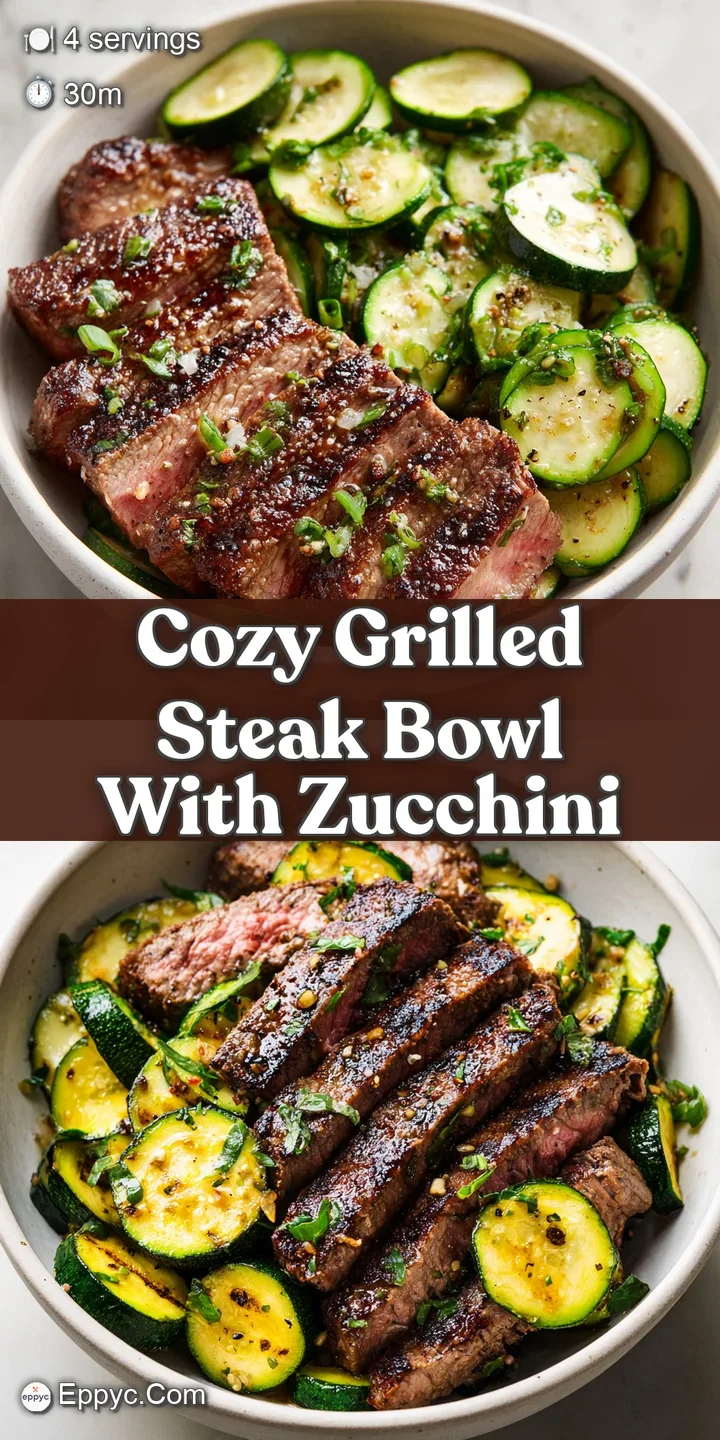
Cozy Grilled Steak Bowl with Zucchini
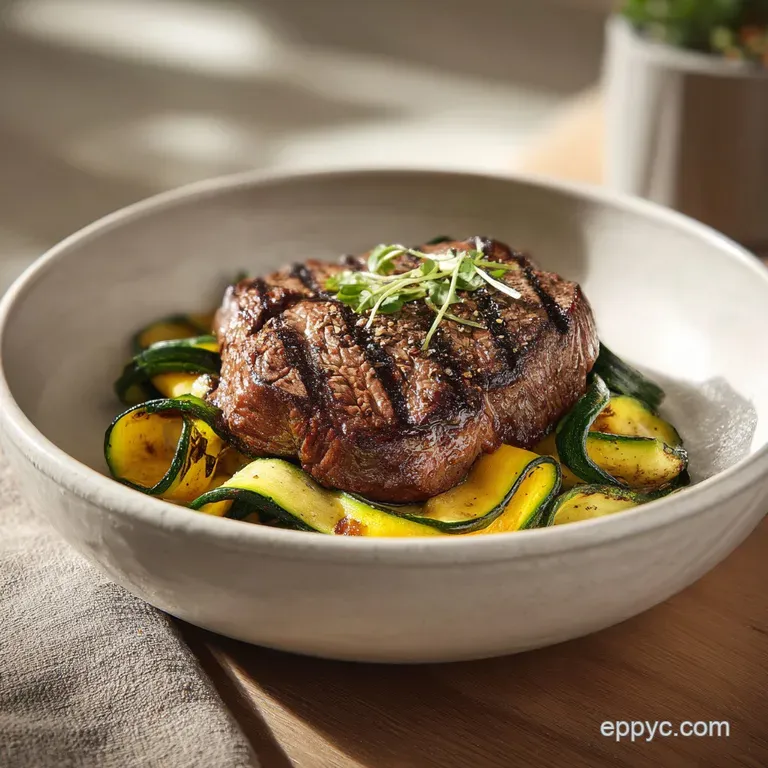
- Time: Active 15 minutes, Passive 15 minutes, Total 30 minutes
- Flavor/Texture Hook: Smoky, charred edges with a velvety rice finish
- Perfect for: High protein meal prep or a revitalizing post work dinner
- Scientific Principles Behind the Flavor
- Strategic Ingredients for Flavor Architecture
- Digital Tools for Precision Cooking
- Step-By-Step Path to Culinary Success
- Practical Fixes for Common Errors
- Scaling for Different Group Sizes
- Myths Regarding over High heat Searing
- Preservation Tips and Waste Reduction
- Balanced Sides for Complete Dining
- Recipe FAQs
- 📝 Recipe Card
Scientific Principles Behind the Flavor
Understanding the chemistry of your ingredients allows you to cook with intuition rather than just following a script. When we look at this specific combination, several reactions are happening simultaneously to create that deep, complex flavor profile you'd find in a professional kitchen or a high end SteakhouseStyle Steak with recipe.
- Enzymatic Tenderization: The balsamic vinegar acts as a mild acid that begins breaking down tough muscle fibers in the sirloin before it ever touches the heat.
- Maillard Browning: Smoked paprika contains trace sugars that, when combined with the steak's proteins at 285°F, create the mahogany crust and savory aroma we crave.
- Starch Retrogradation: Using jasmine rice is strategic because its specific amylopectin content ensures a soft, slightly sticky texture that clings to the steak juices.
- Lipid Solubilization: Garlic and oregano are fat soluble; by mixing them with olive oil first, we ensure their flavor molecules are evenly distributed across the meat's surface.
Precision Doneness Decision Guide
| Thickness | Target Internal Temp | Rest Time | Visual/Sensory Cue |
|---|---|---|---|
| 0.75 inch | 135°F (Medium Rare) | 5 minutes | Firm surface, red juice beads |
| 1.0 inch | 145°F (Medium) | 7 minutes | Bouncy texture, pink center |
| 1.25 inch | 155°F (Medium Well) | 8 minutes | Stiff resistance, clear juices |
When you are working with top sirloin, precision is your best friend because it’s a lean cut that can transition from juicy to chewy in a matter of seconds. Using a digital probe thermometer takes the guesswork out of the equation and empowers you to hit that perfect internal temperature every single time.
Strategic Ingredients for Flavor Architecture
Selecting the right components is the first step in building a meal that tastes intentional rather than accidental. Each element in this bowl serves a specific functional purpose, from moisture retention to acidity balance.
| Component | Science Role | Pro Secret |
|---|---|---|
| Top Sirloin | Protein Structure | Pat dry with paper towels to ensure a sear, not a steam. |
| Balsamic Vinegar | Acid Catalyst | The sugars in the vinegar accelerate the browning of the meat crust. |
| Zucchini | Moisture Balance | Slice into 0.5 inch half moons to maintain a "snap" after grilling. |
| Smoked Paprika | Aromatic Depth | Toast it slightly in the oil to release the oil soluble flavor compounds. |
Every ingredient has been chosen to play a part in the final harmony of the dish. If you find yourself missing something, don't worry most of these have excellent alternatives that won't compromise the integrity of your meal.
- 1.5 lbs top sirloin steak: The lean, beefy star. Why this? Offers great flavor to cost ratio and cooks very quickly when trimmed.
- Substitute: Ribeye (richer, more fat) or Flank Steak (requires thinner slicing).
- 500g zucchini: Adds a fresh, earthy crunch. Why this? High water content provides a refreshing contrast to the dense steak.
- Substitute: Yellow summer squash or thick cut asparagus spears.
- 3 cups cooked jasmine rice: The fluffy, aromatic base. Why this? Absorbs the balsamic juices better than long grain white rice.
- Substitute: Quinoa for more protein or cauliflower rice for lower carbs.
- 1 tbsp balsamic vinegar: The tenderizing agent. Why this? Provides both acidity and a hint of sweetness for caramelization.
- Substitute: Red wine vinegar with a pinch of sugar.
- 2 tbsp feta cheese crumbles: The salty, creamy finish. Why this? Its tang cuts through the richness of the seared beef.
- Substitute: Goat cheese or a dollop of Greek yogurt.
Digital Tools for Precision Cooking
While you can certainly make this with basic gear, having a few specific items will make the process more efficient and the results more consistent. I always recommend using technology to take the stress out of timing.
- Heavy Cast Iron Skillet: Essential for heat retention; it creates that "shatter" crust on the steak that stainless steel often misses.
- Digital Instant Read Thermometer: This is non negotiable for steak lovers; it prevents the tragedy of an overcooked sirloin.
- Wide Chef's Knife: A sharp, 8 inch blade ensures clean cuts through the zucchini and precise slicing of the rested steak.
- Large Stainless Steel Mixing Bowl: For tossing the zucchini in oil and spices without making a mess on the counter.
- Silicone Tongs: Best for flipping the steak and zucchini half moons without piercing the meat and losing precious juices.
step-by-step Path to Culinary Success
Efficiency in the kitchen starts with your prep flow. I like to get the rice going first so it can rest and fluff up while I focus on the over high heat elements. It feels like conducting an orchestra each part needs to hit its cue perfectly.
- Prep the steak. Trim any heavy silver skin from the 1.5 lbs top sirloin and cut into 1 inch cubes. Note: Uniform pieces ensure everything finishes cooking at the exact same moment.
- Marinate the beef. Whisk 2 tbsp olive oil, 3 cloves minced garlic, 1 tbsp balsamic vinegar, 1 tsp smoked paprika, 1 tsp salt, and 0.5 tsp pepper in a bowl; toss with steak.
- Slice the zucchini. Cut 500g zucchini into 0.5 inch half moons and toss with 1 tbsp avocado oil, 0.5 tsp dried oregano, and a pinch of red pepper flakes until evenly coated.
- Heat the pan. Set your cast iron skillet over medium high heat for 3 full minutes until a drop of water dances and evaporates instantly.
- Sear the steak. Add the beef in a single layer, working in batches if needed. Cook 2-3 minutes per side until a dark, mahogany crust forms.
- Rest the meat. Remove the steak to a plate and tent loosely with foil. Note: This allows the muscle fibers to relax and reabsorb their velvety juices.
- Char the zucchini. In the same hot pan, add the zucchini. Cook for 3-4 minutes until the edges are softened and slightly blackened.
- Fluff the rice. Use a fork to aerate the 3 cups of cooked jasmine rice.
- Assemble the bowls. Divide rice among four bowls, then top with the seared steak cubes and charred zucchini.
- Add the finish. Sprinkle with 2 tbsp feta, 0.25 cup chopped parsley, and serve with a fresh lemon wedge until the bright citrus aroma fills the air.
Chef's Tip: To get that restaurant quality sear, don't move the steak for the first 2 minutes. Let the Maillard reaction do its work undisturbed to create a deep, flavorful crust.
Practical Fixes for Common Errors
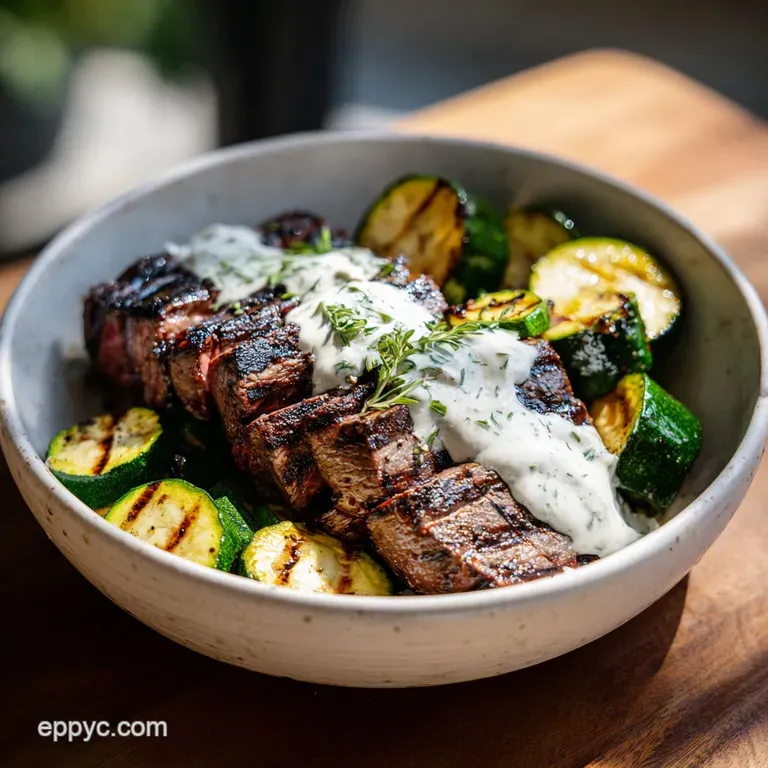
Even the most seasoned cooks run into digital or physical glitches in the kitchen. If things don't go exactly as planned, don't panic. Most issues with this bowl are easily salvaged with a quick pivot.
Overcoming the Sieve Effect
If your steak is releasing too much liquid and looks grey instead of brown, your pan wasn't hot enough or was overcrowded. The meat is essentially boiling in its own juices. To fix this, immediately remove the meat, pour off the liquid, crank the heat until the pan is smoking, and then return the meat in smaller batches to finish the sear.
Rescuing Mushy Vegetables
Zucchini is notorious for turning into a watery mess if cooked too long. If you've overshot the mark, don't toss it. Instead, mash it slightly with a fork, add an extra splash of lemon juice and a pinch of feta, and turn it into a rustic zucchini "jam" that you can stir directly into the rice.
| Problem | Root Cause | Solution |
|---|---|---|
| Tough Steak | Overcooked/No Rest | Slice meat thinner across the grain; add a splash of beef broth. |
| Bland Rice | Lack of Seasoning | Fold in a teaspoon of butter and an extra pinch of kosher salt. |
| Burnt Garlic | Heat Too High Early | Scrape out burnt bits; add fresh garlic only in the last 60 seconds. |
- ✓ Pat the steak dry before adding the marinade to ensure the oil clings effectively.
- ✓ Ensure the rice is hot when assembling to help slightly melt the feta.
- ✓ Don't skip the lemon wedge; the acidity is essential to balance the smoked paprika.
- ✓ Slice the zucchini thick; thin slices will turn to mush before they get a good char.
- ✓ Use avocado oil for the zucchini because it has a higher smoke point than extra virgin olive oil.
Scaling for Different Group Sizes
Adjusting this recipe for a solo dinner or a larger gathering requires more than just doubling the numbers. You have to account for pan space and seasoning ratios to keep the flavors balanced.
Cooking for One or Two
When cutting the recipe in half, use a smaller skillet to maintain heat density. You can beat one egg and use half if you're making a side, but for this recipe, simply halving the steak and zucchini works perfectly.
Reduce the total cooking time by about 20% since the pan will stay hotter with less cold food being added.
Feeding a Crowd
If you are doubling or tripling the recipe, do not try to cook all the steak at once. You must work in batches. If you overcrowd the pan, the temperature will drop, and you'll lose that beautiful sear. For spices like smoked paprika and salt, increase them to 1.5x the original amount first, then taste and adjust. Using a Grilled Flank Steak recipe approach for the meat can also save time when cooking for 8 or more people.
Myths Regarding over High heat Searing
There is a lot of outdated information floating around about how to handle steak. Let's clear up some of the most common misconceptions so you can cook with confidence.
- Searing "seals in" juices. This is one of the oldest myths in the book. Searing is actually for flavor (Maillard reaction), not moisture retention. In fact, seared meat loses slightly more moisture than unseared meat, but the trade off in flavor is 100% worth it.
- You should only flip a steak once. Science shows that flipping steak more frequently (every 30-60 seconds) actually helps it cook more evenly and can reduce the total cook time by up to 30%. It prevents one side from overcooking while the other stays cold.
- The "poke test" is a reliable way to check doneness. Everyone's hands feel different, and every cut of meat has a different density. Relying on how the meat feels against your palm is a recipe for a dry steak. Use your digital thermometer for the only measurement that actually matters.
Preservation Tips and Waste Reduction
This bowl is a meal prep champion because the components hold up remarkably well. However, you need to store them correctly to maintain the "cozy" factor when you reheat them the next day.
Storage Guidelines: Store the steak, zucchini, and rice in an airtight container in the fridge for up to 4 days. I recommend keeping the feta and lemon wedges separate until you are ready to eat.
If you want to freeze this, the steak and rice freeze well for up to 3 months, but the zucchini will lose its texture upon thawing it's best to cook fresh zucchini when you're ready to serve.
Zero Waste Strategies: If you have leftover zucchini ends or slightly wilted parsley, don't throw them away. Finely chop the zucchini nubs and sauté them into an omelet the next morning.
Leftover parsley stems have incredible flavor; toss them into a freezer bag to use the next time you're making a homemade beef or vegetable stock. If you find yourself with extra rice, it's the perfect base for a quick fried rice the following night.
Balanced Sides for Complete Dining
While this bowl is a complete meal on its own, sometimes you want to expand the spread for a more formal dinner feel. Finding pairings that echo the Mediterranean inspired flavors will make the whole experience feel more cohesive.
A crisp green salad with a light vinaigrette is a classic choice, but if you want something heartier, a side of roasted root vegetables works wonders. If you're looking for more inspiration on how to treat your vegetables, my How to Make recipe for roasted zucchini offers some great technical tips that apply here too.
To really round out the meal, consider a side of warm pita bread or even a small bowl of hummus. The creaminess of the hummus provides a lovely textural contrast to the charred steak. Whatever you choose, keep the flavors bright and acidic to match the balsamic and lemon notes in the main dish.
Heartfelt cooking is all about creating a balance that leaves you feeling empowered and satisfied.
Recipe FAQs
Do zucchini and steak go together?
Yes, absolutely. Zucchini's mild, slightly sweet flavor and high water content create a refreshing textural contrast to rich, deeply seared steak.
Should you marinate zucchini before grilling?
No, keep it simple. Marinating zucchini can draw out too much moisture, making it soggy during grilling; toss it only with high heat oil, salt, and herbs instead.
How to grill zucchini without getting soggy?
Use high heat and slice consistently. Ensure your grill or pan is ripping hot, and cut the zucchini into thick half inch pieces so the exterior chars before the interior releases too much liquid.
What sauce is good for a steak bowl?
A bright, acidic sauce is best to cut through the richness. A simple squeeze of fresh lemon juice over the feta and steak works wonders, or you could try a creamy tahini dressing similar to what we use in Savory Chicken Shawarma Wraps with Garlic Tahini Sauce.
Is it true that top sirloin needs a long marinade?
No, this is a common misconception. Sirloin benefits from a short marinade, about 15 minutes, primarily using acid like balsamic vinegar to lightly tenderize the surface proteins.
Why does my steak taste bland after searing?
You likely skipped the resting step or under seasoned. Resting allows internal juices to redistribute, and using fat-soluble spices like smoked paprika in olive oil ensures flavor molecules evenly coat the meat.
What is a good non-meat protein substitute for this bowl?
Halloumi cheese or firm tofu works well. If you pan-fry the halloumi until it has a golden crust, it mimics the texture of seared steak beautifully; if using tofu, press it very firmly first to manage moisture, similar to how we manage texture in Ramen Noodle Asian Salad recipe.
Cozy Grilled Steak Bowl
Ingredients:
Instructions:
Nutrition Facts:
| Calories | 498 kcal |
|---|---|
| Protein | 42.7 g |
| Fat | 17.9 g |
| Carbs | 39.6 g |
| Fiber | 2.4 g |
| Sugar | 3.1 g |
| Sodium | 672 mg |
