Cozy Marry Me Salmon Dinner Recipe
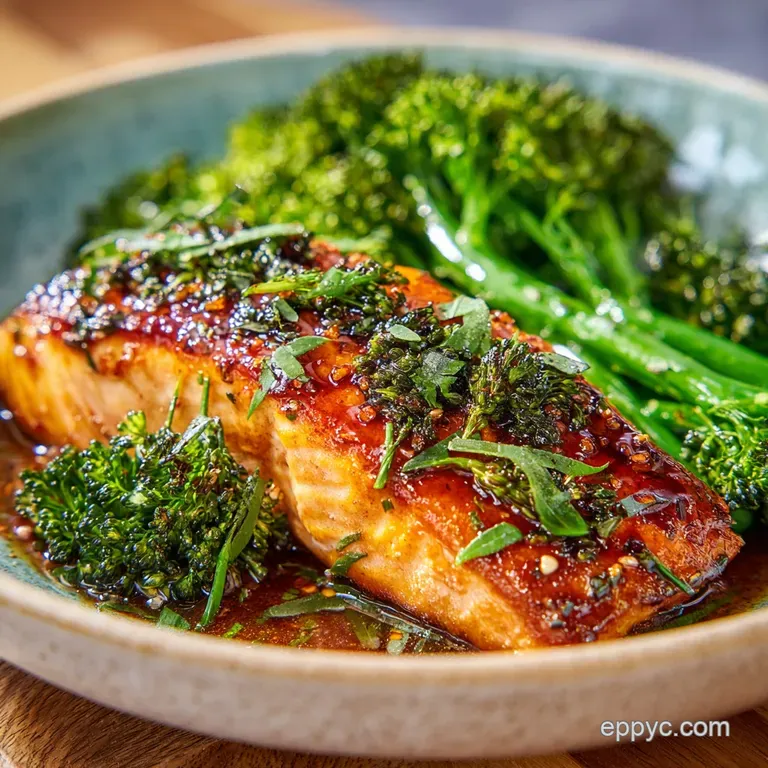
- Time: Active 10 minutes, Passive 15 minutes, Total 25 minutes
- Flavor/Texture Hook: Silky cream meets the sharp tang of sun dried tomatoes
- Perfect for: Romantic date nights or high impact dinner parties
- Making Your Cozy Marry Me Salmon Dinner
- Thermodynamics of a Flaky Sear
- Component Analysis for Salmon Success
- Timeline for This Weeknight Meal
- Sourcing Elements for Velvet Sauce
- Essential Gear for Crisp Skin
- Step-by-Step Flow to Success
- Avoiding Rubbery Fish and Separation
- Creative Twists on the Classic
- Preserving That Tender Texture
- Plating Your Heartfelt Creation
- Dispelling Common Kitchen Tales
- Very High in Sodium
- Recipe FAQs
- 📝 Recipe Card
Making Your Cozy Marry Me Salmon Dinner
The rhythmic sizzle of cold salmon hitting a shimmering cast iron pan is my favorite kitchen soundtrack. I remember the first time I attempted this "Marry Me" sauce; I was worried it would be too heavy or hide the delicate flavor of the fish.
Instead, the kitchen filled with the scent of toasted oregano and pungent garlic, and I realized this wasn't just another viral trend, it was a fundamental lesson in balancing fat, acid, and heat.
This recipe is about empowering you to master the flip and the simmer. We aren't just tossing things in a pan; we're using technology driven precision to ensure the salmon doesn't turn into a rubbery puck.
You’ll learn how to manage the temperature so the skin gets that satisfying shatter while the interior stays tender and pink.
We’ve all seen recipes that promise the world and deliver a greasy mess. This one is different because we focus on the emulsification of the cream and cheese. It’s a heartfelt approach to cooking that relies on simple, high-quality elements and a bit of kitchen physics to get that glossy finish every single time.
Thermodynamics of a Flaky Sear
The Maillard Reaction: High heat causes proteins and sugars on the salmon's surface to rearrange, creating a savory, mahogany crust and complex aromas. Carryover Heat: Removing the fish at 125°F-130°F allows internal energy to finish the job, preventing the fibers from tightening into a dry texture.
Fat Emulsification: Heavy cream and Parmesan cheese contain natural emulsifiers that, when whisked into the warm broth, create a stable, velvety liquid that clings to the fish.
| Salmon Thickness | Internal Temp | Rest Time | Visual Cue |
|---|---|---|---|
| 1 inch (2.5 cm) | 125°F - 130°F | 3 minutes | Flaky layers separate easily |
| 1.5 inches (4 cm) | 130°F | 5 minutes | Center is opaque but moist |
| 0.5 inch (1.2 cm) | 120°F | 2 minutes | Edges are crisp and golden |
Using a digital thermometer is the most reliable way to empower your cooking. While the visual cues are helpful, the science of internal temperature never lies when you're aiming for that specific, buttery mouthfeel.
Component Analysis for Salmon Success
| Ingredient | Science Role | Pro Secret |
|---|---|---|
| Heavy Cream | Provides fat for a stable, viscous sauce base. | Use room temperature cream to prevent the sauce from breaking. |
| Sun dried Tomatoes | Adds concentrated acidity and umami to balance the fat. | Use a splash of the packing oil for a deeper tomato punch. |
| Parmesan Cheese | Acts as a thickener and flavor enhancer via glutamates. | Grate it fresh; pre shredded cheese has cellulose that prevents melting. |
A simple trick I've learned is to treat your ingredients like software modules. Each one has a specific job, and when they are "installed" in the pan in the correct order, the whole system runs flawlessly. If you’re looking for a different flavor profile, you might enjoy the citrus notes in this King Salmon Recipe.
Timeline for This Weeknight Meal
- Phase 1: Preparation (10 minutes): Pat the salmon bone dry and season. Mince the garlic and julienne the tomatoes. Grate the Parmesan and measure the cream and broth.
- Phase 2: The Sear (8 minutes): Get the pan shimmering hot. Sear the salmon undisturbed to build that crust, then flip briefly and remove to a warm plate.
- Phase 3: The Sauce (7 minutes): Sauté the aromatics, deglaze with broth, and simmer the cream. Whisk in the cheese until glossy, then reunite the salmon with the sauce.
| Original Ingredient | Substitute | Why It Works |
|---|---|---|
| Heavy Cream (1/2 cup) | Full fat Coconut Milk | Similar viscosity. Note: Adds a subtle tropical undertone to the dish. |
| Sun dried Tomatoes (1/3 cup) | Roasted Red Peppers | Sweet and acidic. Note: Lacks the intense umami of dried tomatoes. |
| Chicken Broth (1/4 cup) | Dry White Wine (Pinot Grigio) | Adds brightness and cuts through the heavy cream fats. |
The choice of liquid can drastically change the vibe of your dinner. Using a dry wine instead of broth adds a sophisticated acidity that makes the whole dish feel lighter and more modern.
Sourcing Elements for Velvet Sauce
- 4 center cut salmon filets: Look for vibrant color and firm flesh. Why this? Center cuts have uniform thickness for even cooking.
- 1 tbsp neutral oil: Avocado or grapeseed oil works best. Why this? High smoke points prevent the oil from burning during the sear.
- 1 tsp kosher salt: Use for drawing out surface moisture.
- 1/2 tsp cracked black pepper: Adds a subtle heat.
- 3 cloves garlic, minced: The aromatic backbone of the sauce.
- 1/2 cup heavy cream: Essential for that silky, luxurious texture.
- 1/4 cup low sodium broth: Provides the liquid base without over salting.
- 1/3 cup sun dried tomatoes: Packed in oil for maximum flavor.
- 1/2 cup Parmesan cheese: Grate it yourself for a smooth melt.
- 1 tsp dried oregano: Earthy notes that pair with the tomatoes.
- 1/2 tsp red pepper flakes: Just enough kick to wake up the palate.
- Fresh basil leaves: For a bright, herbaceous finish.
Essential Gear for Crisp Skin
To get that restaurant style finish, you need a heavy bottomed pan. I swear by a 12 inch cast iron skillet or a high-quality stainless steel pan. These materials hold heat effectively, ensuring the temperature doesn't plummet when the fish hits the surface.
A fish spatula is another digital age "tool" you’ll love; its thin, flexible blade slides right under the delicate skin without tearing it.
If you don't have a cast iron skillet, a heavy non stick pan will work, but you won't get the same mahogany crust. Always ensure your pan is large enough so the filets aren't crowded; overcrowding creates steam, and steam is the enemy of a crisp sear.
step-by-step Flow to Success
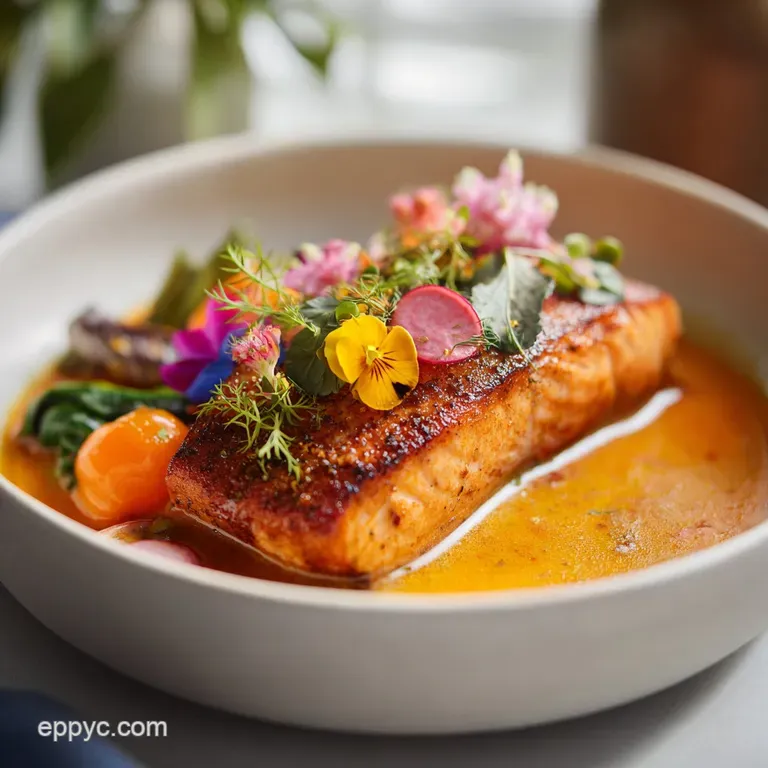
- Dry the salmon. Use paper towels to remove every trace of moisture from the skin and flesh. Note: Dry skin is the only way to achieve a shatter crisp texture.
- Season the filets. Sprinkle 1 tsp kosher salt and 1/2 tsp pepper evenly over both sides.
- Heat the pan. Add 1 tbsp neutral oil to the skillet over medium high heat until it shimmers and slightly smokes.
- Sear the fish. Place salmon skin side down. Press gently for 10 seconds. Cook for 5 minutes until the skin is golden and releases easily.
- Flip and finish. Turn the filets and cook for 2 more minutes. Remove to a plate. Note: The interior should still be slightly translucent.
- Sauté aromatics. Lower heat to medium. Add 3 minced garlic cloves and 1/3 cup tomatoes. Cook 1 minute until the garlic is fragrant.
- Deglaze the skillet. Pour in 1/4 cup broth. Scrape the bottom to release the browned bits (the fond).
- Simmer the cream. Stir in 1/2 cup heavy cream, 1 tsp oregano, and 1/2 tsp red pepper flakes. Let it bubble for 2 minutes until slightly thickened.
- Whisk in cheese. Add 1/2 cup Parmesan. Stir constantly until the sauce is velvety and smooth.
- Combine and serve. Return salmon to the pan. Spoon sauce over the top and garnish with fresh basil.
Avoiding Rubbery Fish and Separation
Preventing Fish from Sticking
The most common mistake is trying to flip the salmon too early. When the protein is properly seared, it will naturally release from the pan. If you feel resistance, give it another 30 seconds. This is the Maillard reaction at work; the crust needs time to form a solid structure.
Fixing a Curdled Sauce
If your sauce looks grainy or separated, it’s usually because the heat was too high when the cheese was added. To fix this, remove the pan from the heat and whisk in a tablespoon of warm broth or water. This helps re emulsify the fats and liquids into a smooth state.
| Problem | Root Cause | Solution |
|---|---|---|
| Gray, soggy skin | Excess moisture or low heat | Pat salmon bone dry; ensure oil is shimmering hot. |
| Dry, tough interior | Overcooking the filets | Pull fish at 125°F; use carryover cooking. |
| Broken, oily sauce | Adding cheese to boiling cream | Reduce heat to low before whisking in Parmesan. |
Common Mistakes Checklist
- ✓ Skipping the drying step (results in steamed, rubbery fish).
- ✓ Using cold cream directly from the fridge (can cause the sauce to break).
- ✓ Crowding the pan with too many filets at once.
- ✓ Using pre grated cheese with anti clumping agents.
- ✓ Forgetting to scrape the "fond" (browned bits) off the bottom for flavor.
Creative Twists on the Classic
If you want a more substantial meal, this sauce is the perfect companion for a Marry Me Salmon Pasta Recipe. Simply double the sauce ingredients and toss with al dente linguine before placing the salmon on top. The starch from the pasta water will help the sauce cling even better to the noodles.
For a lighter, Healthy Marry Me Salmon version, swap the heavy cream for full fat coconut milk and add two handfuls of fresh spinach at the very end. The leaves will wilt into the sauce in about 30 seconds, adding a pop of color and extra nutrients without sacrificing that heartfelt, cozy vibe.
Chef's Tip: If you want a deeper flavor, add a teaspoon of tomato paste along with the garlic. It intensifies the umami and gives the sauce a beautiful sunset hue.
Preserving That Tender Texture
Storage: Keep any leftovers in an airtight container in the fridge for up to 2 days. Because salmon is delicate, it doesn't love the microwave.
Reheating: To keep the fish flaky, reheat it in a skillet over low heat with a splash of broth. Cover the pan to create a little steam, which will warm the fish through without drying it out.
Freezing: I don't recommend freezing the assembled dish, as the cream sauce will likely break and become grainy upon thawing. However, you can freeze the seared salmon separately for up to 2 months. If you find yourself with extra salmon, it's actually great for making a Salmon Dip Recipe the next day!
Zero Waste: Don't throw away the oil from the sun dried tomato jar. Use it to sauté your veggies or as a base for a vinaigrette later in the week. The skins from the garlic can even be saved in a freezer bag for making homemade vegetable stock.
Plating Your Heartfelt Creation
When it comes to serving, I love placing a single filet over a bed of creamy polenta or garlic mashed potatoes. Spoon a generous amount of that sun dried tomato sauce over the top, making sure to get those little nuggets of tomato and garlic. The way the sauce pools around the base is just beautiful.
- If you want a crunch, top with toasted pine nuts or panko breadcrumbs.
- If you want brightness, add a squeeze of fresh lemon juice right before eating.
- If you want spice, double the red pepper flakes for a "Marry Me" sauce with a bite.
Don't forget the fresh basil! Tearing the leaves by hand instead of chopping them with a knife prevents bruising and releases more of those aromatic oils. It’s these small, practical touches that empower your home cooking and turn a 25 minute meal into something truly memorable. If you have leftovers, you can even repurpose them into Leftover Salmon Recipes for a quick lunch tomorrow.
Dispelling Common Kitchen Tales
One persistent myth is that you must "seal in the juices" by searing the meat. Science tells us that searing actually causes moisture loss through evaporation. We sear for the flavor of the crust, not to trap liquid. The real secret to juiciness is simply not overcooking the protein.
Another common misconception is that you should rinse your salmon before cooking. Please don't! Rinsing fish can spread bacteria around your sink and kitchen surfaces. Instead, just pat it dry with paper towels to ensure a crisp sear. This is a much safer and more effective way to prepare your fish for the pan.

Very High in Sodium
840 mg mg of sodium per serving (37% % of daily value)
The American Heart Association recommends limiting sodium intake to about 2,300mg per day.
Sodium Reduction Tips for Salmon with Creamy Tomato Sauce
-
Reduce Parmesan Cheese-15%
Parmesan is high in sodium. Reduce the amount of Parmesan by half or substitute with a lower sodium cheese option like part skim ricotta or mozzarella. This can significantly reduce the sodium content without drastically altering the flavor.
-
Salt Free Broth-30%
Ensure that you are using no-sodium or salt free broth. Standard broth can contribute a substantial amount of sodium to the dish. Using a salt free version is an easy swap.
-
Rinse Sun-Dried Tomatoes-20%
Sun-dried tomatoes packed in oil can be high in sodium. Rinse them thoroughly under water before julienning to remove excess salt. Alternatively, use sun-dried tomatoes that are not packed in oil and rehydrate them yourself.
-
Reduce Added Salt-25%
Reduce the amount of kosher salt used. Try using only 1/2 tsp initially, and taste before adding more. You can always add more to taste, but you can’t take it away!
-
Enhance with Herbs and Spices
Use fresh herbs and spices like garlic, pepper, oregano, red pepper flakes, and especially fresh basil, to enhance the flavor of the dish without adding sodium. Experiment with other spices, such as smoked paprika, for a deeper flavor.
Recipe FAQs
Is this recipe quick enough for a busy weeknight?
Yes, total time is under 30 minutes. Active cooking time is only about 10 minutes, focusing on high heat searing followed by a quick sauce reduction.
How do I prevent the cream sauce from breaking or becoming grainy?
Reduce the heat to low before adding the cheese. Heavy cream and Parmesan must be combined gently off the boil to maintain a stable emulsion; high heat scorches the milk proteins.
How to achieve a perfectly crisp salmon skin every time?
Pat the salmon skin completely dry with paper towels before seasoning. Ensure your pan is shimmering hot before introducing the fish, and do not move it until the skin naturally releases.
Can I substitute the heavy cream with a lighter dairy product?
No, a direct swap is not recommended for this recipe. Heavy cream provides the necessary fat content for a stable, glossy emulsion, unlike half and-half or milk which will likely result in a thin sauce.
What internal temperature should the salmon reach for ideal flakiness?
Pull the salmon from the heat between 125°F and 130°F (52°C 54°C). The residual or carryover heat will finish cooking it to a perfect medium, ensuring the flesh stays moist and tender.
What is the best side dish to serve with this rich salmon?
Simple starch or bright greens pair best to balance the richness. This pairs wonderfully with plain polenta or fluffy white rice, similar to how we balance the rich flavors in our Cozy Irish Stew recipe.
Is it true you must sear salmon only on the skin side?
No, that is often overstated for convenience, but we use it here for texture. Searing skin side down creates the crucial crispy crust and allows the heat to gradually cook the flesh from the bottom up; we only flip for a quick kiss of heat on the flesh side.
Cozy Marry Me Salmon Dinner
Ingredients:
Instructions:
Nutrition Facts:
| Calories | 568 kcal |
|---|---|
| Protein | 41 g |
| Fat | 42 g |
| Carbs | 5 g |
| Fiber | 1 g |
| Sugar | 2 g |
| Sodium | 840 mg |
