Creamy Chicken Stew: Rich and Velvety
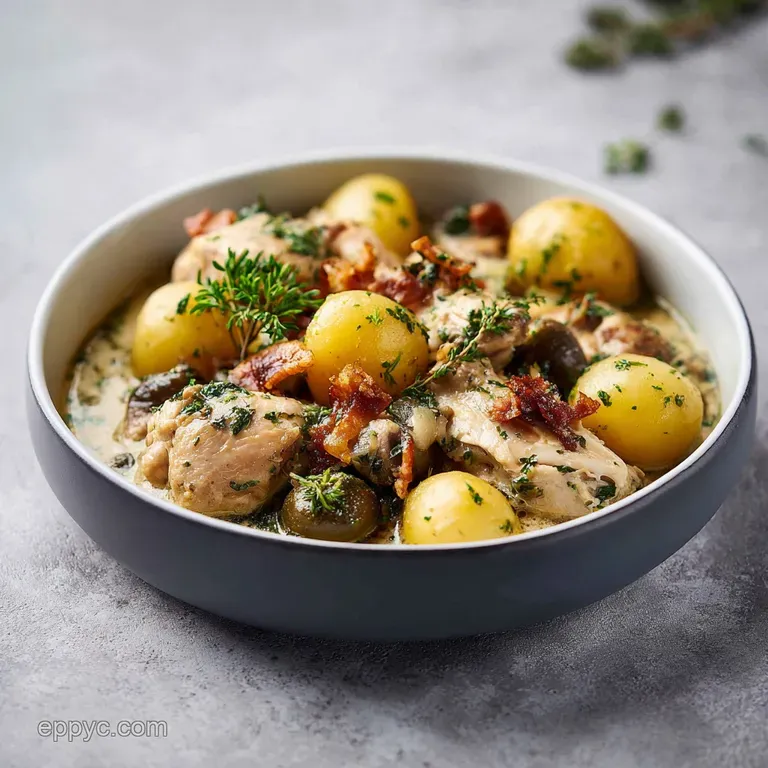
- Time: Active 20 minutes, Passive 40 minutes, Total 60 minutes
- Flavor/Texture Hook: Shatter crisp chicken skin meets a silky, herb infused cream sauce.
- Perfect for: Chilly Sunday afternoons or a restorative weeknight dinner.
- Creating the Ultimate Creamy Chicken Stew
- Why This Method Succeeds
- Important Recipe Specifics
- Essential Ingredients and Substitutes
- Tools for Kitchen Success
- Detailed Cooking Instructions
- Troubleshooting Common Issues
- Simple Recipe Variations
- Storage and Waste Tips
- Best Serving Suggestions
- Kitchen Myths Debunked
- High in Sodium
- Recipe FAQs
- 📝 Recipe Card
Creating the Ultimate Creamy Chicken Stew
Forget everything you've been told about needing fancy techniques or expensive cuts to make a world class Creamy Chicken Stew. Most people think the secret is just dumping a carton of heavy cream into a pot of boiled vegetables, but that's a total myth.
If you do that, you end up with a greasy, separated mess that lacks any real depth of flavor. I used to make that mistake all the time, wondering why my stew tasted "flat" despite all the dairy I threw at it.
The real magic doesn't come from the cream alone; it comes from the "fond" those gorgeous, caramelized brown bits stuck to the bottom of your pot after searing the chicken. We're going to use technology (well, a heavy bottomed Dutch oven) to empower that flavor.
By starting with skin on, bone in thighs, we’re essentially building a liquid gold base from the ground up. The skin provides the fat, the bones provide the body, and the leeks provide a sweetness that regular onions just can't touch.
You don't need a culinary degree to pull this off, just a bit of patience during the searing phase. When you hear that aggressive sizzle as the chicken hits the oil, you'll know you're on the right track.
We’re going to build layers of flavor that make this dish feel like it's been simmering for eight hours, even though it only takes sixty minutes from start to finish. This is about taking control of your kitchen and creating something truly heartfelt and restorative.
Why This Method Succeeds
- Bone In Insulation: Using bone in thighs prevents the meat from drying out during the simmer. The bone acts as a thermal regulator, while the marrow and collagen melt into the sauce, giving it a velvety mouthfeel that boneless breasts simply cannot replicate.
- Starch Suspension: Mixing the flour directly into the butter soaked vegetables (a technique called a "singer") ensures every starch granule is coated in fat. This prevents clumping when the broth is added, resulting in a perfectly smooth, lump free consistency.
- Fond Deglazing: The moisture from the leeks and carrots releases the caramelized chicken proteins from the pot surface. This incorporates "umami" directly into the liquid base, darkening the color and deepening the savory profile.
- Delayed Dairy Addition: Adding the heavy cream at the very end prevents the milk proteins from breaking or curdling under high heat. This keeps the sauce bright, fresh, and exceptionally silky.
| Cooking Method | Total Time | Texture Result | Best For |
|---|---|---|---|
| Stovetop | 60 minutes | Crispy skin + thick sauce | Maximum flavor control |
| Oven (180°C) | 75 minutes | Fall apart tender meat | Hands off convenience |
| Slow Cooker | 6 hours | Shredded texture | Busy workdays |
Choosing your method depends entirely on your schedule. If you have the hour to spare, the stovetop method is my absolute favorite because it allows you to maintain that shatter crisp texture on the chicken skin. The oven method is great if you're busy cleaning the house, but you'll lose some of that textural contrast.
Either way, the flavor remains spectacular because the ingredient foundation is so solid.
Important Recipe Specifics
In this deep dive, we’re looking at the core components that make our stew stand out. It’s not just about the "what," but the "why." Using Yukon Gold potatoes is a specific choice because their waxy yet-creamy texture holds up to simmering without turning into a grainy mash.
| Component | Science Role | Pro Secret |
|---|---|---|
| Chicken Thighs | Fat & Collagen Source | Sear skin side down for 8 minutes to render fat. |
| Leeks | Sulfur Sweet Aromatic | Use only the whites; they melt into the sauce better. |
| Bone Broth | Gelatin Structure | Use low sodium to control the final seasoning levels. |
| Heavy Cream | Fat Emulsification | Must be 36% milkfat to prevent "splitting" or curdling. |
Understanding the role of each ingredient helps you troubleshoot on the fly. For instance, if you realize your broth is too salty, you can add an extra potato to soak up some of that sodium. If your sauce feels too thin, you know it’s likely because the roux didn't cook long enough to hydrate the starch.
Chef Tip: Freeze your butter for 10 minutes before adding it to the pot. This sounds counter intuitive since it's going to melt anyway, but the cold fat reacts differently with the hot flour, often creating a more stable emulsion that resists breaking later on.
Essential Ingredients and Substitutes
To make this Creamy Chicken Stew, you'll need a mix of fresh aromatics and pantry staples. I always recommend using the highest quality bone broth you can find or better yet, something you made and kept in the freezer.
- 1.5 kg bone in skin on chicken thighs: The engine of the dish. Why this? Thighs stay juicy; skin provides the essential searing fat.
- Substitute: 1.5 kg drumsticks work well, though they have less meat.
- 15 ml extra virgin olive oil: For the initial over high heat sear. Why this? Higher smoke point than butter for the first phase.
- Substitute: Avocado oil or Grapeseed oil.
- 2 large leeks: The aromatic base. Why this? Provides a sophisticated, milder sweetness than yellow onions.
- Substitute: 1 large yellow onion, finely diced.
- 115 g unsalted butter: For the roux. Why this? Adds the necessary fat for a rich, French style sauce.
- Substitute: Ghee or high-quality margarine.
- 700 g Yukon Gold potatoes: The thickener. Why this? Waxy texture ensures they don't disintegrate during the 30 minute simmer.
- Substitute: Red Bliss potatoes or Fingerlings.
- 60 g all purpose flour: The structural glue. Why this? Creates the roux that keeps the cream and broth united.
- Substitute: 30 g cornstarch (slurry method) for a gluten-free option.
- 1 liter chicken bone broth: The liquid gold. Why this? Adds protein and body that standard stock lacks.
- Substitute: high-quality chicken stock or vegetable broth.
- 240 ml heavy cream: The luxury finish. Why this? Provides the "creamy" in Creamy Chicken Stew.
- Substitute: Full fat coconut milk (note: adds a slight tropical flavor).
Tools for Kitchen Success
- 6 quart Dutch Oven: This is non negotiable for me. A heavy cast iron pot (like a Le Creuset or Lodge) retains heat evenly, which is crucial for getting that mahogany sear on the chicken without burning the skin.
- Flat edged Wooden Spoon: You need this to scrape the "fond" off the bottom of the pot. A round spoon won't get into the corners as effectively.
- Digital Meat Thermometer: Don't guess. We want the chicken to hit exactly 74°C (165°F).
- Fine mesh Whisk: Essential for incorporating the flour and broth without leaving any tiny "flour bombs" in your sauce.
Detailed Cooking Instructions
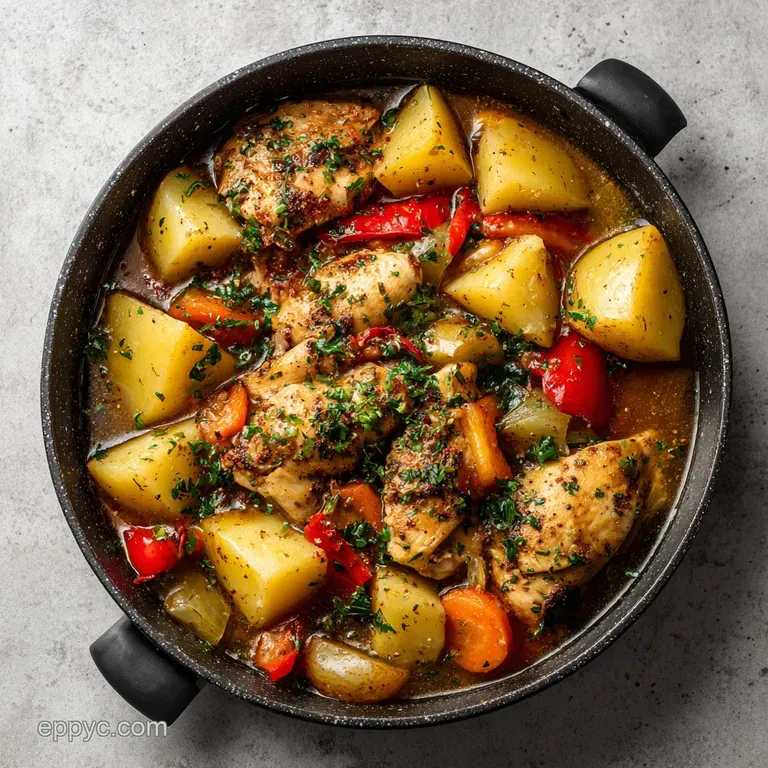
- Prep the protein: Trim any excessive overhanging skin from your 1.5 kg chicken thighs. Pat them bone dry with paper towels moisture is the enemy of a good sear. Season generously with sea salt.
- Sear for depth: Heat 15 ml olive oil in your Dutch oven over medium high heat. Place chicken skin side down. Cook for 7-9 minutes without moving them until the skin is mahogany colored and releases easily. Flip, cook for 1 minute, and remove.
- Soften the aromatics: Reduce heat to medium. Melt 115 g butter. Add the sliced leeks, carrots, and celery. Use your spoon to scrape up all the brown bits from the chicken. Sauté until the leeks are translucent and fragrant.
- Aromatic boost: Add the smashed and minced garlic cloves. Stir constantly for about 60 seconds. You want the aroma to bloom without the garlic turning bitter or brown.
- Build the roux: Sprinkle 60 g flour over the buttery vegetables. Whisk or stir for 2 full minutes. This "cooks out" the raw flour taste and creates a blonde roux that will thicken our stew perfectly.
- Emulsify the liquid: Slowly pour in the 1 liter of bone broth, whisking constantly. This is a digital age technique precision matters here to avoid lumps. Add the potatoes, rosemary, thyme, and black pepper.
- The gentle simmer: Return the chicken to the pot, nestling it into the liquid. Bring to a boil, then immediately drop to a low simmer. Cover and cook for 25-30 minutes.
- The final touch: Check the chicken temperature (74°C). Once reached, stir in the 240 ml heavy cream and 150 g thawed peas.
- Thicken and serve: Simmer uncovered for 5 minutes. The sauce will transform into a velvety, glossy coating. Remove the herb sprigs, adjust the salt, and serve immediately in deep bowls.
Troubleshooting Common Issues
Why Your Stew Sauce Broke
If you see little oily droplets floating on top or a grainy texture, your sauce has "broken." This usually happens if the stew was boiling too violently after the cream was added. High heat causes the fat in the cream to separate from the water.
To fix this, you can try whisking in a small "slurry" of cold cream and a teaspoon of flour, but the best cure is prevention: keep the heat low once the dairy enters the pot.
Rescuing a Thin Sauce
Sometimes, depending on the water content of your potatoes or vegetables, the stew might feel more like a soup than a stew. Don't panic. You can take about half a cup of the liquid out, mix it with an extra tablespoon of flour or cornstarch, and pour it back in.
Give it another 5 minutes of simmering, and the starches will hydrate, tightening the whole dish up.
| Problem | Root Cause | Solution |
|---|---|---|
| Bland Flavor | Under seasoned at start | Add a splash of lemon juice or extra sea salt. |
| Tough Chicken | Under cooked bone in meat | Simmer for 5 more minutes; check for 74°C. |
| Soggy Potatoes | Wrong potato variety used | Next time, use Yukon Golds; don't over stir. |
Common Mistakes Checklist
- ✓ Never skip the searing step; that "fond" is where 50% of your flavor lives.
- ✓ Don't use "light" cream or milk; the lower fat content makes it prone to curdling.
- ✓ Pat the chicken dry! If it’s wet, it will steam instead of searing.
- ✓ Wait to add the peas until the very end so they stay bright green and "pop" in your mouth.
- ✓ Use a low sodium broth so you can control the salt levels yourself at the finish.
Simple Recipe Variations
If you're looking to change things up, this base is incredibly flexible. For a "French Bistro" twist, I love adding a tablespoon of Dijon mustard and a splash of dry white wine (like Sauvignon Blanc) right before adding the broth. The acidity cuts through the richness of the cream beautifully.
If you want to lean into a more "Pub Classic" feel, you can swap the potatoes for chunks of crusty sourdough bread added at the very end to soak up the sauce.
For those busy days, you can actually adapt this into a Slow Cooker Chicken Stew by searing the chicken first, then throwing everything except the cream and peas into the slow cooker for 6 hours on low. Add the cream at the very end. If you’re craving a different texture profile, this recipe actually shares a lot of DNA with my Chicken Casserole, especially that rich, velvety sauce base.
| Variation Name | Key Change | Flavor Impact |
|---|---|---|
| dairy-free | Use Cashew Cream | Nutty, rich, and naturally thick. |
| Low Carb | Swap Potatoes for Cauliflower | Lighter feel, reduces carbs by 60%. |
| Spicy Kick | Add 5g Red Pepper Flakes | Warmth that builds in the back of the throat. |
Storage and Waste Tips
Fridge Life: This stew actually tastes better the next day as the flavors continue to marry. Store it in an airtight container for up to 4 days. When reheating, do it gently on the stovetop over low heat.
You might need to add a splash of broth or water to loosen the sauce, as the starches will continue to thicken as it cools.
Freezing: You can freeze this for up to 3 months, but be warned: cream based sauces can sometimes change texture upon thawing. To minimize this, freeze the stew before adding the cream and peas. When you're ready to eat, thaw it, bring it to a simmer, and add the fresh cream and peas then.
Zero Waste: Don't throw away those leek tops! Even though we only use the white parts for the stew, the dark green tops are packed with flavor. Throw them into a freezer bag with your other veggie scraps (carrot peels, celery ends) and use them to make your next batch of homemade bone broth.
Also, if you have leftover sauce but no chicken, it makes an incredible base for a quick pot pie the next day.
Best Serving Suggestions
This stew is a meal in itself, but it begs for something to mop up that incredible sauce. I usually serve it with a side of warm, crusty baguette or some garlic herb biscuits. The crunch of the bread provides a perfect contrast to the velvety texture of the broth.
If you want to keep things a bit lighter, a simple arugula salad with a sharp lemon vinaigrette works wonders to cleanse the palate between rich bites.
If you’re hosting a dinner and want to provide a variety of textures, this stew pairs surprisingly well with a tangy condiment. I’ve even tried serving a small dollop of my Piquant Chicken Sauce on the side for people who want a little extra zing.
- Decision Shortcut
- If you want...
- The Thickest Sauce
- Let the roux cook for 3 minutes until it smells like toasted bread before adding liquid.
- The Juiciest Meat
- Ensure you use thighs with the bone still in; they handle the 30 minute simmer much better than boneless.
- A "Brighter" Finish
- Stir in a teaspoon of fresh lemon zest at the same time you add the cream.
- 1. Chicken Sear
- 7-9 minutes on the skin side. Do not move it until it naturally releases.
- 2. Internal Temp
- 74°C (165°F) is the "sweet spot" where the meat is safe but hasn't become stringy.
- 3. The Roux
- 60 grams of flour to 115 grams of butter. This ratio is scientifically designed to thicken 1 liter of liquid to a "nappe" consistency (coats the back of a spoon).
Kitchen Myths Debunked
One of the biggest myths is that you have to peel your potatoes for a "professional" look. Honestly, for a rustic Creamy Chicken Stew, I often leave the skins on the Yukon Golds. The skin is paper thin and adds a lovely earthy flavor and extra nutrition. As long as you scrub them well, the skins are your friend.
Another common misconception is that searing the meat "seals in the juices." Science tells us that's not actually true moisture loss happens regardless of the sear. However, the sear creates the Maillard reaction, which develops hundreds of new flavor compounds.
We aren't searing to "save juice"; we're searing to build a flavor profile that boiling alone could never achieve. Trust the sizzle, it's the sound of flavor being created.

High in Sodium
920 mg of sodium per serving (40% of daily value)
The American Heart Association recommends limiting sodium intake to no more than 2,300mg per day, with an ideal limit of less than 1,500mg for most adults.
Tips to Reduce Sodium
-
Switch to Low-Sodium Bone Broth-30%
The 1 liter of low-sodium chicken bone broth is a significant sodium contributor. Opting for a 'no-salt added' or 'very low sodium' version can drastically cut down sodium.
-
Reduce Added Salt-25%
The 10g of sea salt is a direct source of sodium. Start by halving this amount and taste the dish before deciding if more is needed. You can always add a tiny pinch at the end if necessary.
-
Enhance Flavor with Fresh Herbs and Spices
Leverage the natural flavors of fresh rosemary and thyme, along with the garlic and leeks. Consider adding other sodium free aromatics like onion powder or a pinch of paprika to boost taste without sodium.
-
Focus on Aromatics-5%
The leeks and garlic provide a wonderful flavor base. Ensure you're using generous amounts of these and consider adding other low-sodium vegetables like mushrooms or bell peppers for more depth.
Recipe FAQs
Is it true the chicken must be seared skin side down for the best results?
Yes, this is essential for depth of flavor. Searing the skin side down for 7-9 minutes creates a mahogany colored crust that forms the base of the stew’s flavor profile.
How to ensure the sauce becomes velvety and smooth?
Whisk the flour into the vegetables for two minutes to create a blonde roux before adding any liquid. This cooks out the raw flour taste and acts as the thickening agent for a stable emulsion. If you enjoyed nailing this stable emulsion, you can apply the same whisking method to our creamy spaghetti sauce recipe.
Can I freeze the leftover stew?
Yes, but only if you haven't added the cream and peas yet. Dairy based sauces often break or change texture during freezing, so leave those final two ingredients out if you plan to store portions in the freezer for up to 3 months.
How to properly reheat the stew without breaking the sauce?
Warm the stew gently on the stovetop over low heat. Because the starches continue to thicken the sauce as it cools, stir in a small splash of broth or water to reach your desired consistency.
Is it necessary to use heavy cream with at least 36% milkfat?
Yes, stick to this fat content for the best mouthfeel. Lower fat dairy products lack the stability required to withstand the simmering process without curdling.
How to tell when the stew is finished cooking?
Check that the potatoes are tender and the chicken internal temperature reaches 165°F (74°C). Following these specific doneness cues ensures the chicken remains juicy while the stew achieves its signature thick texture.
Should I use bone-in or boneless chicken thighs?
Use bone-in, skin-on thighs for superior flavor and texture. The bones release gelatin during the simmering process that helps create the velvety consistency of the finished stew.
Creamy Chicken Stew
Ingredients:
Instructions:
Nutrition Facts:
| Calories | 885 kcal |
|---|---|
| Protein | 48 g |
| Fat | 58 g |
| Carbs | 42 g |
| Fiber | 5 g |
| Sugar | 6 g |
| Sodium | 920 mg |
