Mushroom Risotto: Chefs Ultimate Creamy Wild Mushroom Recipe
- Decoding the Magic of Authentic Mushroom Risotto
- The Science of All’onda : Achieving Velvety Perfection
- Essential Components: Selecting the Best for Your Wild Mushroom Risotto
- From Soffritto to Saffron: The Step-by-Step Method
- Troubleshooting & Expert Techniques for a Flawless Result
- Practical Guide: Storing and Reviving Leftover Risotto
- What to Serve Alongside Your Creamy Mushroom Risotto
- Recipe FAQs
- 📝 Recipe Card
Decoding the Magic of Authentic Mushroom Risotto
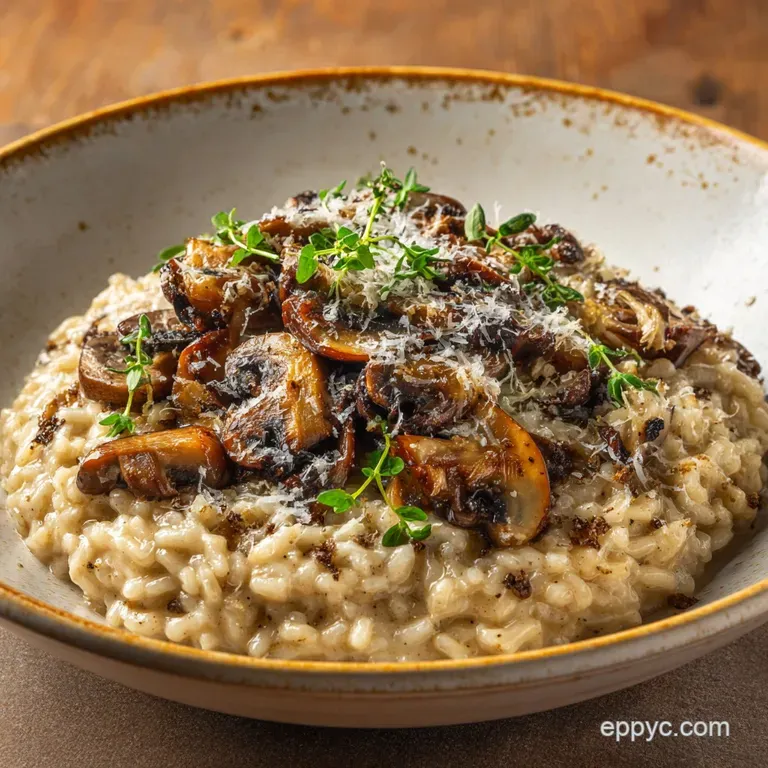
That deep, earthy smell hitting you when the wine evaporates and the toasted rice starts soaking up the broth? Total heaven. The texture we are fighting for should be liquid velvet, flowing gently across the plate like a tiny wave, which Italians call all’onda .
We are aiming for something luxurious and profoundly comforting in this creamy mushroom risotto.
Seriously, people think making authentic risotto is a huge, intimidating task reserved only for those intense, highly dramatic cooking shows. It’s not. The truth is, mastering the best mushroom risotto recipe requires attention, not super human skill, and it’s the perfect way to turn humble Arborio rice into something truly spectacular for dinner tonight.
Forget everything you thought about standing over the stove stirring for an eternity; I’m going to show you the simple tricks that streamline the process and deliver maximum flavour depth. This is how you make restaurant quality Wild Mushroom Risotto at home without breaking a sweat, I promise.
What Defines True Italian Comfort Food?
True risotto is defined by the unique release of starch from the rice grain, creating a naturally thick, creamy sauce called the manteca . Unlike boiling rice, this slow, steady addition of hot liquid, combined with stirring, gently rubs the starch off the rice kernels.
This is exactly why you absolutely cannot rinse the rice beforehand; that starch is our secret weapon for a genuinely creamy finish.
The Difference Between Arborio and Carnaroli Rice
We need high starch, medium grain rice here. Arborio is the most common and easiest to find, but it tends to be softer and more forgiving if you accidentally overcook it a bit. If you really want that perfect al dente core, splurge on Carnaroli rice, often called the "King of Rice" in Italy. It holds its structure better and yields a slightly superior final texture. If you’re playing with different starches, check out my recipe for How to Cook with Pie Pumpkin: Creamy Savory Risotto Recipe — we use a different technique there that still works beautifully.
Capturing Maximum Umami with Dried Wild Mushrooms
This is the secret weapon of the best mushroom risotto recipe. Fresh mushrooms (like Cremini or Oyster) provide lovely texture and immediate flavour, but dried Porcini or mixed wild mushrooms deliver that profound, almost meaty depth of umami.
Hydrating the dried mushrooms and then straining their soaking liquid back into the hot stock provides a massive, non-negotiable flavour punch.
The Science of All’onda : Achieving Velvety Perfection
The magic of all’onda (meaning "wavy") happens right at the very end when you perform the mantecatura . This step where you remove the rice from the heat and aggressively stir in cold butter and cheese is the crucial emulsification step.
The residual heat melts the cold butter, the vigorous stirring combines the fats with the released starches, and suddenly, your rice transforms from sticky porridge into a luxurious, fluid sauce. This step is non-negotiable for achieving that liquid velvet texture.
Essential Components: Selecting the Best for Your Wild Mushroom Risotto
Choosing quality ingredients matters profoundly here since there are so few of them. We need fat, flavour, and starch working perfectly together.
| Component | Recommendation | Viable Substitution |
|---|---|---|
| Rice | Carnaroli or Arborio | Pearled Barley (needs longer cook time) |
| Wine | Dry White (Pinot Grigio) | Stock + 1 tsp Lemon Juice or White Vinegar |
| Broth | Vegetable Stock or Light Chicken Stock | Water + Mushroom Powder (less flavourful, but works) |
| Cheese | Parmigiano Reggiano | Grana Padano, or nutritional yeast + white miso paste (Vegan) |
| Fat | Unsalted Butter (cold for mantecatura) | Good quality unsalted European butter |
The Critical Role of Toasting ( Tostatura )
The tostatura is when you add the raw rice to the soffritto and toast it for about two minutes before adding any liquid. This short, dry-toasting process is vital because it seals the starch inside the grain, ensuring the risotto cooks evenly and remains al dente rather than dissolving into a gloppy mush.
You are looking for a slightly nutty aroma and for the edges of the grains to look slightly translucent.
Why Vigorous Stirring Releases Starch
You stir to create friction. The friction rubs the starch granules off the rice surface and into the liquid, forming the thick, creamy sauce. You don't need to attack it with a whisk, but you do need to keep it moving consistently, especially around the edges of the pot.
Choosing the Right Fungus: Fresh vs. Dried Varieties
For the deepest flavour in your Wild Mushroom Risotto, use both. Use the dried Porcini (or similar) primarily for their concentrated umami and rich, dark broth. Use the fresh mushrooms (Cremini, Shiitake, or Oyster) for texture and presentation.
A quick tip: Always reserve some beautifully browned fresh mushrooms to stir in at the end and use as a garnish.
Stock Selection: Clarifying Broth Options
Please use the highest quality stock you can find, and for the love of all things creamy, ensure it is vegetable or a very light, delicate poultry stock. If you use a dark, heavy beef broth, it will completely overwhelm the subtle flavour of the wild mushrooms. If you’re interested in maximizing your fungal flavour base, check out my tips for making The Best Homemade Cream of Mushroom Soup Recipe From Scratch , which gives you serious stock inspiration.
From Soffritto to Saffron: The step-by-step Method
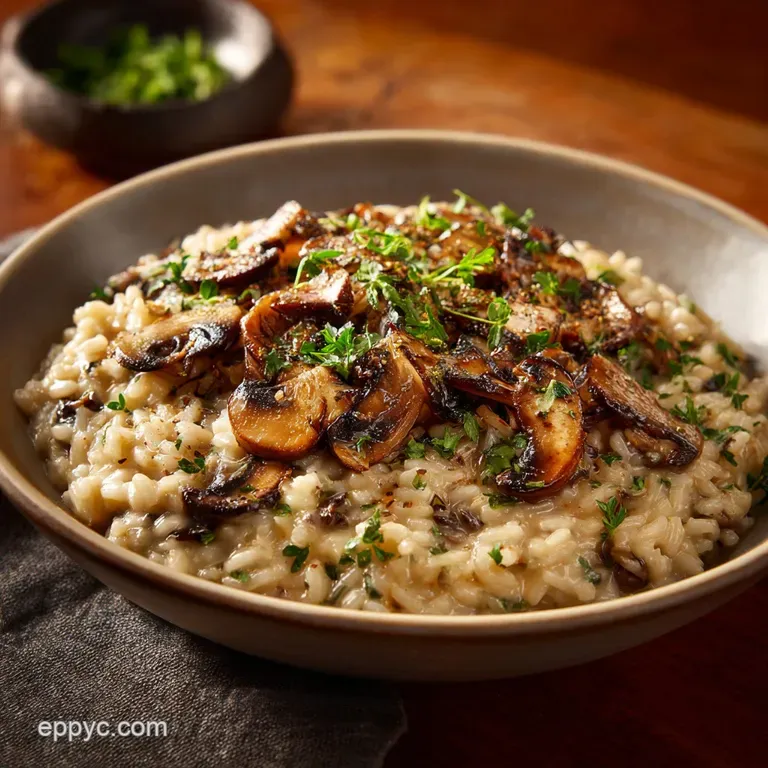
Building the Flavor Base (The Soffritto)
Start with the aromatics. Heat the olive oil and gently sauté the finely diced shallots (or onion) until they are completely translucent about five minutes over medium low heat. Do not let them brown, or you will introduce bitterness. Add your minced garlic for the final minute, cooking until fragrant.
The Riso Tostato Process
Crank the heat slightly to medium. Add the unrinsed Arborio rice to the soffritto and stir it constantly for two to three minutes. The grains should begin to look glossy and you’ll hear a slight, dry sizzle.
Now, pour in the dry white wine and let it completely absorb while stirring vigorously the wine adds acidity and complexity, and it MUST cook off completely.
Mastering the Stock Ladle Timing
Now comes the fun part, the meditative stir. Add one ladle (about one cup) of your simmering hot stock . Stir constantly until the liquid is almost completely absorbed.
Do not add the next ladle until you can scrape your spoon across the bottom of the pot and briefly see the pan beneath the rice. Repeat this process for 15– 18 minutes.
Chef’s Note: Never drown the rice! That’s how you boil it, not how you make a creamy risotto. The short windows of near dryness are necessary for the friction needed to release the starch.
The Final Stir: Performing the Mantecatura
When the rice is just shy of perfect al dente (check it after about 18 minutes), remove the pot from the heat completely. Stir in the main batch of cooked mushrooms. Now, add the cold, cubed butter and the freshly grated Parmigiano Reggiano.
Stir or shake the pot aggressively for 90 seconds to create that perfect emulsion. Cover the pot and let it rest, undisturbed, for three minutes before serving. This rest is when the velvety texture locks in.
Troubleshooting & Expert Techniques for a Flawless Result
Myth Busting: Does Adding Cold Stock Really Ruin Risotto?
Yes, it really does. Adding cold stock immediately drops the temperature of the rice, stopping the starch release and causing the grains to seize up and cook unevenly. It turns a dreamy risotto into a disappointing, crunchy-on-the-inside, gummy-on-the-outside mess.
Keep that stock piping hot, always.
Preventing Gumminess and Stickiness
Gumminess usually happens for one of two reasons: you didn't toast the rice long enough, or you overcooked it past the al dente stage. If you suspect it’s getting too thick, simply add a splash of hot stock or even a tiny bit of boiling water during the mantecatura stage to loosen it up.
Remember, it should flow, not sit like cement.
Achieving Perfect Al Dente Texture
The rice should offer slight resistance when you chew it a firm, pleasant bite in the centre. Start checking the rice about 15 minutes into the stock additions. If you cook it until it’s soft all the way through, you lose the defining textural element of authentic risotto.
Practical Guide: Storing and Reviving Leftover Risotto
Transforming Leftovers: Making Risotto al Salto
Let’s be honest, risotto is best eaten immediately, but leftovers do happen. The most traditional and delicious way to use day-old risotto is Risotto al Salto (fried risotto). Chill the leftover risotto completely, then press it into a thin patty.
Fry it in butter or oil in a non-stick pan until deeply golden brown and crispy on both sides. Serve it like a savoury pancake it’s brilliant.
Storage & Reheating Specifics
You can refrigerate leftover Mushroom Risotto in an airtight container for up to 3 days. Freezing? Not recommended. The rice starch separates and becomes grainy when thawed, destroying that beautiful all'onda consistency.
To reheat, the microwave is usually the gentlest option. Place the cold risotto in a bowl, add 1 2 tablespoons of hot stock or water, cover loosely, and heat in short bursts, stirring often, until creamy again.
What to Serve Alongside Your Creamy Mushroom Risotto
Risotto is rich, so we need something simple and acidic to cut through all that butter and Parmesan. Keep it light, earthy, or green!
Optimal Wine Pairings for Earthy Dishes
Since this Wild Mushroom Risotto is intensely earthy, look for wines that complement that deep flavour without competing. A dry, crisp Italian white like Gavi or Soave works perfectly. If you prefer red, choose a light, subtly earthy Chianti Classico or Pinot Noir.
Simple Green Salads and Arugula Options
A simple green salad dressed with a very sharp vinaigrette (heavy on the red wine vinegar and Dijon) is perfect. Even better is a handful of fresh arugula (rocket) tossed simply with lemon juice, good quality olive oil, and a sprinkle of flaky salt. That peppery bitterness is a wonderful contrast to the creamy rice.
If you are looking for another mushroom based appetizer to start your meal, check out my recipe for Easy Savory Stuffed Mushrooms with Creamy Garlic & Herb Cheese or maybe try the coastal flavour of my Chesapeake Crab Stuffed Mushroom Recipe My Coastal Twist .
Recipe FAQs
Why is my risotto gummy or sticky instead of creamy (all’onda)?
This texture issue typically happens from overcooking or adding the stock too quickly, which makes the rice release its starch too rapidly. To achieve the proper all’onda (wavy) texture, ensure the hot stock is added gradually, allowing the starch to dissolve slowly and coating the grains evenly.
Always finish the dish by incorporating the butter and cheese off the heat (the mantecatura step) for maximum velvety results.
Can I use regular long grain white rice instead of Arborio or Carnaroli?
While you can use other types of rice, the characteristic creaminess of authentic risotto relies entirely on the high amylopectin starch content of short grain varieties like Arborio or Carnaroli.
Long grain rice will not release enough starch during cooking, resulting in a dish that is watery and lacks the essential velvety texture. Always opt for a dedicated risotto rice for best results.
How can I adapt this recipe to be completely vegan?
To prepare a fully vegan Mushroom Risotto, swap the dairy butter for high-quality olive oil or a plant based margarine during the sauté and final stirring stages. The main substitution is the Parmesan cheese, which should be replaced with nutritional yeast for a cheesy, savoury flavour, or a quality cashew based vegan Parmesan alternative.
Ensure your stock is vegetable based.
My risotto is finished, but the centre of the rice grains is still hard. What did I do wrong?
This indicates the rice is undercooked, often because the stock was not kept hot enough or insufficient liquid was added overall. Continue adding small amounts of very hot stock, stirring continuously, until the rice reaches the classic al dente stage.
The finished grain should be tender on the outside with just a slight, pleasant resistance at the core.
Can I make Mushroom Risotto ahead of time or freeze the leftovers?
Risotto is a dish that is highly sensitive to cooling and is always best eaten immediately, as the starch continues to set upon cooling, resulting in a thick, sticky mass. It is generally not recommended for freezing, as the texture becomes unpleasant and grainy upon thawing and reheating.
If you must save leftovers, cool quickly and reheat gently with a splash of hot stock or water.
Why do I need both dried and fresh mushrooms in the recipe?
The combination of dried and fresh mushrooms is crucial for achieving maximum flavour depth. Dried mushrooms, especially porcini, provide an intense, concentrated umami and woody base flavour that fresh mushrooms lack. Fresh mushrooms then contribute texture, moisture, and the bulk needed to round out the dish.
Can I skip the wine step or substitute it with something else?
The dry white wine (or verjuice) is essential as it adds necessary acidity to balance the richness of the butter, mushrooms, and cheese. Skipping this step entirely can result in a dish that tastes flat or too heavy.
If you cannot use alcohol, substitute the wine with an equal amount of good quality lemon juice mixed with stock, adding it gradually until evaporated.
Creamy Wild Mushroom Risotto Recipe
Ingredients:
Instructions:
Nutrition Facts:
| Calories | 579 kcal |
|---|---|
| Protein | 33.6 g |
| Fat | 32.1 g |
| Carbs | 39.1 g |
