Christmas Eve Dinner: Yuletide Duck Perfection
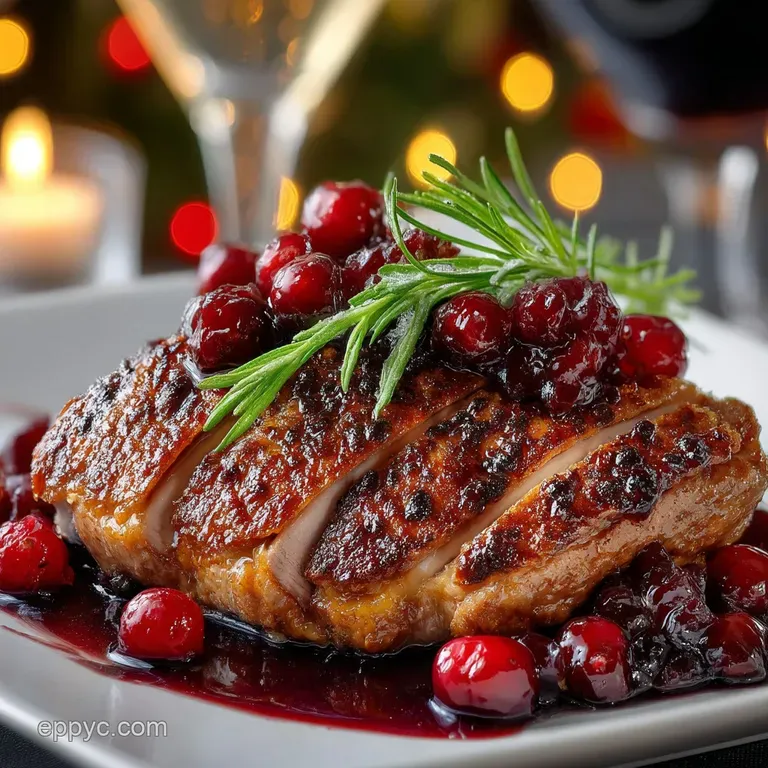
- The Ultimate Christmas Eve Dinner: Elegant Duck Breast in Under an Hour
- Why This Duck Breast Recipe is Restaurant-Quality Perfection
- What You Need for Yuletide Elegance: Essential Ingredients
- How to Prepare Pan-Seared Duck Breast: Step-by-Step Method
- Expert Tips for Crispy Skin and a Flawless Port Reduction
- Perfect Pairings: What to Serve Alongside Your Pan-Seared Duck
- Making Ahead and Storing Your Holiday Feast Leftovers
- Recipe FAQs
- 📝 Recipe Card
The Ultimate Christmas Eve Dinner: Elegant Duck Breast in Under an Hour
Stop the holiday stress immediately and embrace the quiet luxury of a sophisticated main course that barely takes an hour to execute. This pan-seared duck breast with a Festive Cherry and Port Reduction is my secret weapon for the most memorable Christmas Eve Dinner .
When that heady aroma of melting duck fat meets the sweet, warming spice of the port reduction, you know you’re about to serve something truly special.
Forget the massive, dry turkey ordeal reserved for the 25th. This duck breast recipe is fast, impossibly flavourful, and looks like a million bucks but honestly, it requires minimal fuss.
It’s elegant, budget friendly compared to a prime rib, and gives you time back on Christmas Eve to actually enjoy the atmosphere, perhaps sipping a glass of wine while you supervise the reduction. It’s the perfect, streamlined approach to a major holiday meal.
We’re going to achieve restaurant quality results by focusing on just two critical steps: slow, perfect fat rendering for that shatteringly crisp skin, and building a deeply complex, syrupy reduction sauce.
This menu is guaranteed to impress your guests, making your Christmas Eve Dinner a relaxed triumph. Let’s crack on and get this stunning holiday dish prepped.
Why This Duck Breast Recipe is Restaurant Quality Perfection
When planning your special holiday meal, especially the intimate Christmas Eve Dinner Menu , the goal is impact with minimal effort. Traditional roasts require hours of oven time and endless basting.
This duck recipe flips the script: maximum flavour concentrated in just 35 minutes of actual cooking time. The richness of the duck pairs perfectly with the sweet acidity of the port reduction, creating a balanced and deeply satisfying meal.
Why Pan-Seared Duck is the Perfect Holiday Centerpiece
Duck breast is naturally high in fat, which is the key to its incredible flavour and texture. Unlike lean meats, the fat layer acts as insulation, helping keep the breast meat juicy while providing the raw material for the crispiest skin imaginable.
Because you cook it quickly, the meat stays a perfect, tender medium rare. It’s a showstopper protein that signals a true celebration without requiring you to be tied to the oven for half a day. It is, quite simply, the ideal choice for a modern Christmas Eve Feast .
Managing Maximum Flavor in Minimal Time
The secret here is leveraging the duck fat itself. We use the rendered fat to cook the shallots and build the base of the sauce, ensuring every drop of flavour from the protein is integrated into the final dish.
The Port reduction ruby red and glossy provides a necessary sharp counterpoint to the richness of the duck. This technique is often used in high end cuisine because it creates incredible depth without needing many ingredients or complex steps.
It really streamlines the process for your Christmas Eve Dinner .
The Science of Scoring: Achieving Impossibly Crispy Duck Skin
You absolutely must score the skin. Why? The fat layer is thick, and scoring creates channels for the fat to easily melt and drip out (render) when heated. If you don't score it, the fat insulates the skin, making it rubbery and preventing that crucial contact with the hot pan needed for crisping.
Only cut through the fat, not the meat. Cutting the meat leads to a dry breast and shrunken skin a total disaster. Precision here ensures a flawless texture for this important Christmas Eve Dinner component.
Balancing Richness: The Sweet Acid Profile of the Cherry & Port Sauce
Duck is rich. Very, very rich. If your sauce is also rich (say, a cream sauce), the whole plate feels heavy and dull. This is why we use Port (sweet and high in alcohol content), Balsamic Vinegar (sharp acid), and dried cherries (tartness and texture).
The combination cuts straight through the heavy duck fat, refreshing the palate with every bite. The pinch of cinnamon or star anise just whispers "holiday," making it essential for the whole Christmas Eve Dinner experience.
What You Need for Yuletide Elegance: Essential Ingredients
| Ingredient | Role | Substitution (If You’re in a Pinch) |
|---|---|---|
| Duck Breasts | Main Protein/Flavour | Skin-on Chicken Supreme or Turkey Breast (adjust cooking time down!) |
| Ruby Port | Sauce Base/Sweetness | Good quality dry Red Wine (like a Cabernet) plus 1 tsp brown sugar, or strong Cranberry Juice Concentrate. |
| Dried Cherries | Tartness/Texture | Dried Cranberries or finely chopped Prunes. |
| Shallots | Aromatic Base | ½ a small yellow onion, finely diced (but shallots are sweeter and better!). |
| Chicken Stock | Body/Emulsifier | Low-sodium vegetable stock or, frankly, just water if you are reducing aggressively. |
| Balsamic Vinegar | Acidic Punch | Red wine vinegar, reduced slightly to concentrate the flavor. |
Selecting high-quality Duck Breast (And What to Look For)
Look for duck breasts that are uniform in size and feature a nice, thick layer of pale, creamy fat. If the fat layer looks thin or ragged, the finished product will likely be dry and the skin won't crisp up as well.
I always buy the largest breasts I can find; better to have too much and enjoy leftovers than to skimp on your holiday Christmas Eve Dinner . If you can find certified French or Magret duck, grab it!
The Best Port Wine for a Deep Reduction
You absolutely do not need to use a vintage port here save that for sipping! A decent quality, affordable Ruby Port works perfectly. Ruby Port is young, bright, and fruit forward, which is exactly what we need to balance the duck.
Avoid Tawny ports, as they tend to be nuttier and less intensely fruity, which doesn’t pair as well with the cherries. Remember, if you wouldn’t drink it, don’t cook with it, but don't splurge unnecessarily either.
This small detail dramatically improves your overall Christmas Eve Dinner .
Substitutions for Dried Cherries and Citrus Zest
If you can’t source dried cherries, dried cranberries are an excellent, readily available substitute; they offer a very similar acidic tang. If you decide to go the Winter Citrus variation route (which I highly recommend for a brighter flavour profile), ensure you use unwaxed oranges for the zest.
A single orange zested right into the sauce just before serving makes the entire dish pop. This citrus note is a fantastic addition to any Christmas Eve Dinner Ideas menu.
How to Prepare Pan-Seared Duck Breast: step-by-step Method
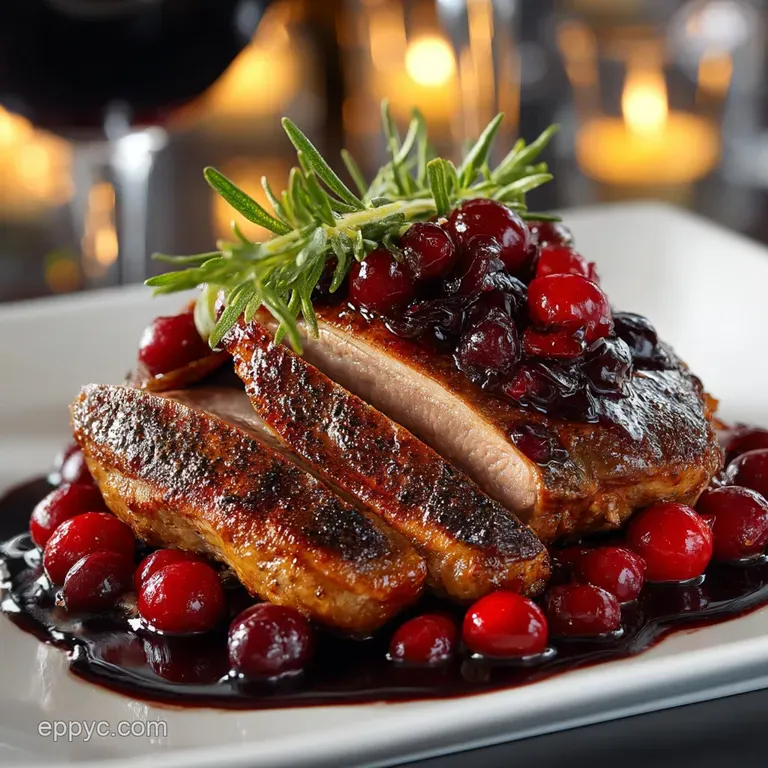
Success with this recipe hinges on patience. This isn't a over high heat, quick sear steak situation. It’s all about slow, gentle rendering.
Scoring and Seasoning the Skin Properly
Use your sharpest knife, maybe even a razor blade if you're feeling fancy, to score the duck fat in a crosshatch pattern. Make sure the lines are 1 inch apart, forming small diamonds. When you feel the knife resistance stop right at the meat, that’s perfect.
Pat the duck breasts completely dry with paper towels moisture is the enemy of crispy skin! Now, season aggressively with sea salt and freshly ground pepper, ensuring the seasoning gets right down into those scored grooves.
Rendering the Fat: The Slow Cook Method
Place the duck breasts, skin side down, in a COLD heavy bottomed pan or cast iron skillet. I repeat: a cold pan. This is non-negotiable for the best Christmas Eve Dinner result. Turn the heat to low-medium. The fat will slowly start to weep out and sizzle gently.
This process takes 12 to 15 minutes. It should sound like a gentle whisper, not a loud roar. Drain the rendered fat every few minutes into a container. Save this glorious fat!
It’s liquid gold for roasting potatoes later, making the ultimate side dish for this Christmas Eve Dinner .
Chef’s Note: If you hear aggressive sizzling early on, the heat is too high. Turn it down immediately. Patience here ensures the fat renders completely before the skin burns.
Finishing the Duck: From Pan to Oven for the Perfect Doneness
Once the skin is deep golden brown and impossibly crisp (12– 15 minutes), increase the heat slightly, flip the breasts, and sear the meat side for 3– 4 minutes just to brown it.
For guaranteed medium rare perfection (which is how duck should be served), transfer the breasts to a preheated 400°F (200°C) oven for 3– 5 minutes. Use a thermometer. Pull the duck at 130°F (54°C).
The hardest part of preparing this Christmas Eve Dinner is over!
Building the Festive Cherry & Port Reduction
While the duck is resting (remember that crucial 10 minutes!), build the sauce. Pour off any excess fat, leaving behind those delicious brown bits stuck to the pan (the fond ).
Use 1 tablespoon of your reserved duck fat (or butter) to sauté the diced shallots until softened. Add the garlic and thyme, cooking until fragrant. Now, pour in the Port. It should bubble furiously this is the deglazing step, scraping up those stuck bits.
Reduce the liquid by half; this concentrates the flavour. Add the stock, cherries, balsamic, and sugar. Simmer until the sauce coats the back of a spoon. If it's too thin for your special holiday meals, keep reducing!
Expert Tips for Crispy Skin and a Flawless Port Reduction
Monitoring Internal Temperature: Avoiding Overcooked Meat
Overcooked duck is tragic. It becomes chewy and dry, losing all its amazing tenderness. If you’re unsure, invest in an instant read thermometer. Aim for 130°F (54°C) internal temperature before resting.
The meat will continue to cook as it rests (carryover cooking) and will hit that perfect 135°F medium rare mark, ensuring a spectacular texture for your Christmas Eve Dinner .
The Secret to Emulsifying the Sauce Perfectly
To make the sauce glossy and rich just before serving, whisk in a tiny knob of cold butter off the heat (often called monté au beurre ). This emulsifies the sauce, giving it that luxurious, velvety sheen you see in high end restaurants.
Don't skip this final touch; it elevates the presentation of your Christmas Eve Feast significantly.
Troubleshooting Skin That Won't Crisp
If you followed the cold start method but your skin is still a bit soft, it usually means two things: you didn't score deep enough, or you didn't drain the rendered fat often enough. The duck needs to be searing in its own rendered fat, not swimming in it.
If disaster strikes right before serving, you can place the duck under a very hot broiler for 30 seconds to a minute but watch it like a hawk, as it burns quickly! Learn from my mistakes; I once ruined a beautiful duck breast by being too lazy to drain the fat for my Christmas Eve Dinner .
Perfect Pairings: What to Serve Alongside Your Pan-Seared Duck
Classic Vegetable Sides That Complement Port
You need side dishes that can stand up to the richness of the duck and the sweetness of the port reduction. My absolute favourite pairing is something earthy and sweet. This is where my recipe for [Sticky Toffee Honey Glazed Carrots The Best Christmas Vegetable Dishes] really shines.
The sticky, sweet coating perfectly mirrors the flavour profile of the sauce. Brussels sprouts, roasted with a bit of acidity (like lemon or vinegar), also provide a necessary bitter note to cut through the richness of the duck.
Suggested Starches: Creamy Polenta with Herbs
Instead of heavy potatoes, try creamy, soft polenta. It’s comforting, relatively light, and acts as a gorgeous canvas for the sauce. Cook the polenta in stock, finish it with a little Parmesan and heavy cream, and stir in some fresh chopped rosemary and thyme.
The subtle herbal notes add another layer of complexity to your Christmas Eve Dinner . If you prefer a starchier route, Dauphinoise potatoes (thinly sliced potatoes baked in cream and garlic) are always a decadent crowd pleaser for any special holiday meals.
Before the main event, sometimes guests arrive early and need nibbles. I always have a batch of my easy [Golden Brie Cranberry Bites Easy Christmas Party Snacks] ready to go they are quick, festive, and complement the duck's flavour profile beautifully.
Making Ahead and Storing Your Holiday Feast Leftovers
While duck breast is best served immediately after resting, you can certainly prep the side dishes and even the sauce ahead of time to reduce stress on the day of your Christmas Eve Dinner .
Sauce: The Port reduction can be made entirely up to three days ahead. Store it covered in the fridge. When ready to serve, gently reheat it on the stove. If it’s too thick, add a tiny splash of water or stock. If it’s too thin, reduce it slightly more.
Duck: Do not cook the duck ahead. The moment you slice it, it starts to dry out. Cook it the moment your guests are seated for the appetizer course. The 10 minute rest time gives you plenty of opportunity to get everything else plated and finalized for the Xmas Eve Menu .
Best Practices for Reheating Duck Breast
Leftover duck breast is fantastic cold, thinly sliced over a salad. However, if you must reheat it for a subsequent meal, do it gently. Slicing it first is key. Lay the slices in a single layer in a preheated, lightly oiled pan.
Cook on medium low heat for just 30 to 60 seconds per side, warming it without cooking it further. Alternatively, you can place the slices on a sheet pan in a low oven (300°F / 150°C) until just warmed through, which takes about five minutes.
Never microwave it, unless you want dry shoe leather seriously, don't ruin this beautiful Christmas Eve Dinner creation!
If you happen to have a few hours to play around with simple sweets after this big Christmas Eve Dinner , my favourite no-fuss treats are the simple [The Holly Jolly Classic NoFuss Corn Flake Wreaths for Christmas] they make the kitchen smell incredible and are a perfect light finish.
Enjoy every bite of your spectacular, stress free Christmas Eve Dinner !
Recipe FAQs
Why isn't my duck skin crispy, even after rendering the fat?
The most common mistake is starting with the heat too high; this seizes the skin instead of allowing the fat to melt away slowly. Ensure you start with cold duck breast in a cold pan over very low-medium heat, and let it cook for at least 8 10 minutes on the skin side before flipping.
Also, make sure the duck breast is patted bone dry before scoring and searing.
Is it safe to eat duck breast cooked to medium rare, or must it be well done?
Yes, duck breast is safe to eat medium rare, provided it reaches an internal temperature of 135°F to 140°F (57°C to 60°C). Unlike poultry like chicken, the harmful bacteria on duck resides mostly on the exterior skin, which is thoroughly cooked during the searing process.
Always use a reliable meat thermometer inserted into the thickest part of the breast before resting.
What can I use instead of Port wine in the reduction sauce?
A good substitute for Port is a full bodied, slightly sweet red wine, like a Zinfandel or Merlot, sometimes boosted with a teaspoon of brown sugar or honey. For an alcohol free option, substitute the wine with strong cherry or cranberry juice reduction mixed with a dash of balsamic vinegar for acidity and depth.
Can I prepare the cherry and port reduction ahead of time?
Absolutely. The reduction can be made entirely up to two days in advance and stored covered in the refrigerator. Reheat it gently over low heat before serving; if it has thickened too much overnight, whisk in a splash of water or extra port to reach the desired consistency.
How should I store leftover cooked duck breast and can I freeze it?
Store leftover duck breast tightly wrapped in the refrigerator for up to 3 days. To reheat, slice the breast thin and quickly flash fry in a hot pan, or serve cold over a seasonal salad to maintain moisture.
Freezing is generally not recommended as it severely damages the texture, leaving the meat dry and slightly tough upon thawing.
Can I use cooking oil instead of the rendered duck fat for searing vegetables?
While you certainly can use a neutral high smoke point oil like canola or grapeseed, using the strained, rendered duck fat is highly recommended. The duck fat adds a rich, savory layer of flavor that complements the cherry port sauce and elevates the entire meal.
If you don't use all the fat, save it for roasting potatoes later.
How long should the duck breast rest after cooking?
Resting the duck breast is crucial for ensuring a juicy result; allow it to rest for at least 5 to 7 minutes on a warm cutting board, covered loosely with foil. This period allows the internal juices, which were pushed to the center during cooking, to redistribute evenly throughout the meat.
Slicing too early will result in dry duck.
Crispy Duck Christmas Eve Dinner
Ingredients:
Instructions:
Nutrition Facts:
| Calories | 851 kcal |
|---|---|
| Protein | 58.6 g |
| Fat | 43.6 g |
| Carbs | 52.9 g |
