Crispy Smoked Sausage and Potato Skillet
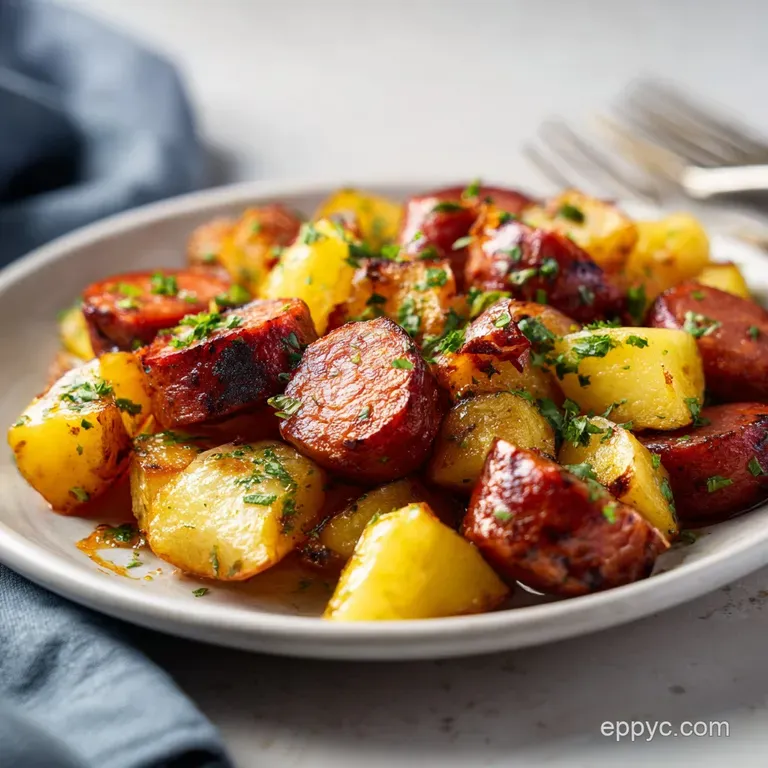
- Time: Active 10 minutes, Passive 20 minutes, Total 30 minutes
- Flavor/Texture Hook: Smoky sweet charred sausage paired with golden, velvety red potatoes and melted sharp cheddar.
- Perfect for: High speed weeknight dinners, budget conscious meal prep, or beginner cooks wanting a foolproof win.
- Mastering the Perfect Crispy Sausage Potato Skillet Every Time
- The Logic Behind the Perfect Potato Crunch
- Vital Recipe Specs for Your Next Weeknight Win
- Decoding the Ingredients for Maximum Flavor and Budget
- Essential Kitchen Gear for a Better Cooking Experience
- Step-by-Step Guide to Achieving That Perfect Skillet Char
- Solving Common Kitchen Hurdles for a Flawless Result
- Smart Swaps to Fit Every Dietary Lifestyle Need
- Pro Tips for Storing and Reviving Your Leftovers
- Creative Ways to Serve and Present Your Masterpiece
- CRITICAL: Very High in Sodium
- Recipe FAQs
- 📝 Recipe Card
Mastering the Perfect Crispy Sausage Potato Skillet Every Time
The first thing you hear is that aggressive, rhythmic thwack of the knife hitting the cutting board as you prep the potatoes, but the real magic starts when the sliced sausage hits the cast iron.
There is a specific high pitched hiss that happens when the fat begins to render, turning those 1/2 inch rounds of smoked sausage into caramelized discs of gold. As the kitchen fills with the scent of hickory smoke and sweet bell peppers, you realize this isn't just a "throw it together" meal; it is a calculated masterpiece of textures.
I remember the first time I tried making a Sausage Potato Skillet for a group of friends. I was so worried about the potatoes being raw in the middle that I overcooked them into a mushy pile of regret. I sat there, staring at my plate, wondering how something so simple could go so wrong.
That was the day I stopped guessing and started using my digital kitchen tools to track internal temperatures and timing. We want that specific shatter crisp exterior on the potato while keeping the inside as soft as a cloud.
This recipe represents everything I love about modern home cooking. It empowers you to take basic, budget friendly ingredients and use smart techniques to get results that taste like they came from a high end bistro.
We are talking about using a 12 inch cast iron skillet to its full potential, creating a meal that feels both heartfelt and technically sound. Right then, let's get into why this specific method works so much better than the soggy versions you might have seen elsewhere.
The Logic Behind the Perfect Potato Crunch
- The Steam to Sear Transition: By covering the pan early on, we use the potato's own water content to gelatinize the starches quickly, ensuring the center is fully cooked before we start the browning process.
- Fat Conductivity: Smoked sausage renders out flavorful fats that have a higher smoke point than butter, allowing us to fry the potatoes at a higher temperature for a superior crust.
- Surface Area Optimization: Cutting the potatoes into precise 1/2 inch cubes creates more flat edges that stay in contact with the hot iron, leading to more "shatter" moments in every bite.
- Starch Management: Using red potatoes, which are waxy rather than starchy, ensures the cubes hold their shape during stirring instead of disintegrating into mashed potatoes.
| Method | Total Time | Texture Result | Best For |
|---|---|---|---|
| Stovetop (This Recipe) | 30 minutes | Shatter crisp edges, juicy center | Maximum flavor and speed |
| oven-roasted | 45 minutes | Uniformly browned, slightly drier | Hands off cooking for large crowds |
| Slow Cooker | 6 hours | Very soft, no crispness | Set it and forget it convenience |
There is a massive difference between a "shortcut" and a "smart technique." When you use the stovetop method outlined here, you are actively managing the heat to create a specific chemical reaction on the surface of the food.
If you were to just toss everything in an oven, you'd lose that direct contact with the cast iron that creates the signature char we are looking for.
Vital Recipe Specs for Your Next Weeknight Win
When we talk about being a budget smart cook, we have to look at the numbers. This dish serves four people generously, and because we are using 1.5 lbs of red potatoes and a 14 oz package of sausage, the cost per serving is incredibly low.
I often use a digital grocery app to track when smoked sausage goes on sale, then I stock up the freezer. It is a heartfelt way to provide a high protein meal without breaking the bank.
You need to be precise with your measurements here. If you cut the potatoes too large, they won't cook through in the allotted 20 minutes of cook time. If the sausage rounds are too thin, they will dry out before the potatoes are finished. We are aiming for 1/2 inch uniformity across the board.
This precision is what allows the "Steam then Sear" method to function perfectly every single time you make it.
| Component | Role in the Dish | Pro Secret |
|---|---|---|
| Red Potatoes | The structural base | Leave the skins on for extra texture and fiber. |
| Smoked Sausage | The primary flavor/fat source | Sear them first to "season" the oil for the potatoes. |
| Avocado Oil | The over high heat vehicle | Its high smoke point prevents the dish from tasting "burnt." |
| Sharp Cheddar | The creamy emulsifier | Grate it yourself from a block for a smoother melt. |
It is a mistake I once made to use a low quality oil with a low smoke point, like extra virgin olive oil, for this specific over high heat sear. The oil broke down, turned bitter, and ruined the delicate balance of the smoked paprika.
Stick to avocado oil or a high-quality vegetable oil to keep the flavors clean and the heat where it needs to be.
Decoding the Ingredients for Maximum Flavor and Budget
- 14 oz smoked sausage: Sliced into 1/2 inch rounds. Why this? It's pre cooked, meaning we only need to focus on browning and flavor.
- 1.5 lbs red potatoes: Cut into 1/2 inch cubes. Why this? They hold their shape perfectly and don't require peeling.
- 1 medium yellow onion: Diced. Why this? Yellow onions provide a balanced sweetness when caramelized.
- 1 large bell pepper: Seeded and chopped. Why this? Adds a necessary crunch and a pop of bright color.
- 2 tbsp avocado oil: Divided. Why this? Essential for over high heat searing without smoking out the kitchen.
- 1 tsp smoked paprika: Why this? It bridges the gap between the smoky meat and the earthy potatoes.
- 1/2 tsp garlic powder: Why this? Won't burn like fresh garlic during the long sear phase.
- 1/2 tsp kosher salt: Why this? Enhances every other flavor without being overwhelming.
- 1/2 tsp black pepper: Why this? Adds a subtle back of-the throat heat.
- 1 cup shredded sharp cheddar cheese: Why this? Provides the "glue" that brings the skillet together.
| Original Ingredient | Substitute | Why It Works |
|---|---|---|
| Smoked Sausage | Kielbasa or Chorizo | Both offer high fat and spice. Note: Chorizo is much saltier. |
| Red Potatoes | Yukon Gold Potatoes | Similar waxy texture. Note: Avoid Russets as they crumble. |
| Avocado Oil | Ghee or Lard | Both handle high heat. Note: Lard adds a very traditional savory note. |
| Sharp Cheddar | Pepper Jack | Same melting point. Note: Adds a significant spicy kick. |
Using a digital scale to weigh your potatoes might seem like overkill, but it ensures that the ratio of starch to fat is consistent. If you have too many potatoes for the amount of oil, they will end up steamed and gray rather than golden and crispy. If you find yourself with extra sausage, you can actually use it as a base for homemade breakfast sausage patties or freeze it for a later date.
Essential Kitchen Gear for a Better Cooking Experience
The most important tool in your arsenal for the Sausage Potato Skillet is a 12 inch cast iron skillet. I swear by my Lodge skillet because the heat retention is unmatched. When you drop those cold potatoes into the pan, a thin stainless steel pan would lose its temperature instantly, leading to sticking.
The cast iron acts like a battery, storing heat and dumping it into the food to create that velvety, browned crust we all crave.
You also need a lid that fits tightly. If you don't have a lid for your skillet, a heavy baking sheet can work in a pinch, though it isn't ideal. The goal is to trap the steam. Finally, a flat edged metal spatula is your best friend here.
It allows you to get under the potatoes and scrape up all those delicious "fond" bits (those little brown flavor bombs stuck to the bottom) without breaking the potato cubes.
Chef's Tip: If your cast iron isn't perfectly seasoned, add a tiny bit of extra oil before the potatoes. It's better to have a slightly richer dish than a pan full of stuck on potato skins.
step-by-step Guide to Achieving That Perfect Skillet Char
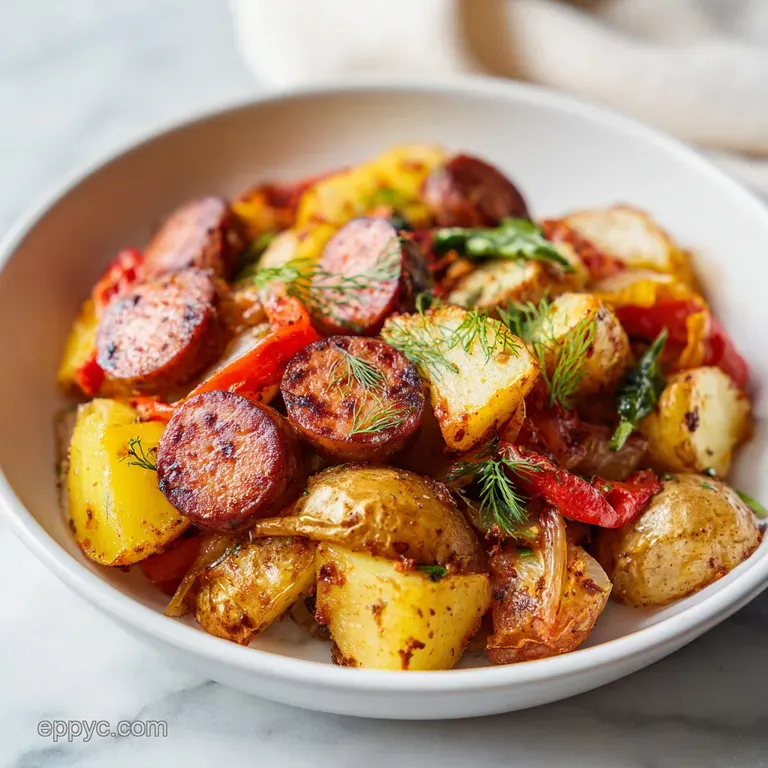
- Prep the heat. Place a 12 inch cast iron skillet over medium high heat. Allow it to preheat for at least 3 minutes until a drop of water flicked onto the surface dances and evaporates instantly.
- Brown the protein. Add 1 tablespoon of avocado oil and the 14 oz of sliced smoked sausage. Note: This step "seasons" the oil with the smoky fat from the sausage.
- Remove and rest. Sear the sausage rounds for about 2-3 minutes per side until they are deeply browned and crispy on the edges. Remove them with a slotted spoon and set aside on a plate.
- Saturate the starch. Add the remaining 1 tablespoon of oil to the skillet along with the 1.5 lbs of cubed red potatoes. Toss them immediately to ensure every cube is glistening with oil.
- Initiate the Steam Phase. Cover the skillet with a tight fitting lid and reduce heat slightly to medium. Cook for 5 minutes. Do not open the lid; we need that steam to soften the potato centers.
- Begin the Sear Phase. Remove the lid and add the diced onion and bell pepper. Turn the heat back up to medium high.
- Develop the crust. Cook uncovered for 10-12 minutes. Stir only every 3 minutes. Wait until you see a dark golden brown crust before flipping. This patience is key to a non stick experience.
- Reintegrate and season. Return the cooked sausage to the pan. Sprinkle the smoked paprika, garlic powder, salt, and black pepper over everything. Toss well to coat.
- The Cheesy Finish. Top the mixture with 1 cup of shredded sharp cheddar cheese. Cover for 1 minute until the cheese is bubbling and molten.
- Garnish and serve. Turn off the heat. Sprinkle with scallions if you have them and serve straight from the skillet to keep everything hot.
Solving Common Kitchen Hurdles for a Flawless Result
One of the biggest frustrations with a Sausage Potato Skillet is when the potatoes decide to fuse themselves to the bottom of the pan. This usually happens for two reasons: the pan wasn't hot enough when the potatoes went in, or you tried to flip them too early.
Potatoes need time to form a crust; once that crust forms, they will naturally "release" from the pan. If they are resisting your spatula, give them another 60 seconds.
Another issue is the "grease factor." Some brands of smoked sausage are much fattier than others. If you see more than a tablespoon of liquid fat in the pan after browning the sausage, feel free to dab some out with a paper towel before adding the potatoes. However, don't remove it all!
That fat is where the flavor lives. We want a sear, not a deep fry.
Why are my potatoes sticking to the pan?
The most common culprit is a lack of patience. If the potatoes are sticking, it's often because the starch hasn't fully cooked into a crust yet. Also, check your pan's temperature. If the heat is too low, the potatoes will sit and "glue" themselves to the iron. Increase the heat slightly and wait for that release.
| Problem | Root Cause | Solution |
|---|---|---|
| Mushy potatoes | Too much steam/too long covered | Limit the "Steam Phase" to exactly 5 minutes. |
| Burnt spices | Added seasonings too early | Only add paprika and garlic powder in the last 3 minutes. |
| Bland flavor | Under seasoning the potatoes | Ensure salt is added at the end so it doesn't draw out too much moisture early. |
Look, cooking is as much about observation as it is about following a list. If you see the onions browning too fast, turn the heat down. If the potatoes look pale after 10 minutes, turn it up. You are the digital controller of this kitchen environment!
Common Mistakes Checklist
- ✓ Ensure the skillet is preheated for at least 3 minutes before adding oil.
- ✓ Don't overcrowd the pan; if your skillet is smaller than 12 inches, cook in two batches.
- ✓ Pat the potatoes dry with a kitchen towel after cubing to remove excess surface starch.
- ✓ Avoid stirring the potatoes constantly; they need "quiet time" to brown.
- ✓ Use a block of cheese you grate yourself to avoid the anti clumping agents in pre shredded bags.
Smart Swaps to Fit Every Dietary Lifestyle Need
If you are following a low carb or keto lifestyle, you can still enjoy the heart of this dish. The "Sausage Potato Skillet" can easily become a "Sausage Radish Skillet" or "Sausage Cauliflower Skillet." Radishes, when cooked, lose their peppery bite and take on a texture very similar to a potato, but with a fraction of the carbohydrates.
It’s a brilliant innovation for those tracking macros.
For a dairy-free version, you can simply omit the cheddar or use a high-quality cashew based cheese sauce. Honestly, the dish is so flavorful from the smoked paprika and the rendered sausage fat that you might not even miss the cheese.
If you want to lean into the budget smart angle even further, you can use frozen peppers and onions, which are often cheaper than fresh and require zero prep time.
- If you want it spicier: Add a diced jalapeño with the bell peppers or use Andouille sausage.
- If you want it heartier: Crack four eggs into "wells" in the mixture at the end and cover until the whites are set.
- If you want it lighter: Use turkey smoked sausage and increase the bell peppers to two.
Pro Tips for Storing and Reviving Your Leftovers
Leftovers of this Sausage Potato Skillet are actually quite a treat because the flavors have time to meld overnight. Store them in an airtight glass container in the fridge for up to 4 days. When it comes to reheating, avoid the microwave if you can.
The microwave will turn those beautiful crispy potatoes into soft, rubbery cubes. Instead, toss them back into a dry skillet over medium heat for 5 minutes.
You can also freeze this dish, though the potatoes will change texture slightly, becoming a bit softer upon thawing. It will stay good in the freezer for up to 2 months. To save on waste, if you have just a small amount of leftovers, they make an incredible filling for a breakfast burrito the next morning.
Just scramble an egg, throw in the leftover skillet mix, and wrap it in a tortilla.
If you have leftover sausage but no potatoes, you might consider making a quick sausage gnocchi soup to use up the remaining meat. It is all about that zero waste mindset using every bit of what you bought to empower your weekly meal plan.
Creative Ways to Serve and Present Your Masterpiece
While this is a complete meal on its own, I love serving it with a side of cooling sour cream or a dollop of Greek yogurt. The tanginess cuts through the richness of the sausage and cheese perfectly. For a bit of freshness, a simple side salad with a lemon vinaigrette works wonders.
When presenting the dish, keep it in the cast iron skillet! There is something so rustic and heartfelt about placing a hot, bubbling pan in the center of the table. It invites everyone to dig in and keeps the food warm throughout the meal.
A final sprinkle of fresh parsley or sliced scallions adds that "digital ready" look that makes the meal feel special.
How do I level up the presentation?
Use a variety of colored bell peppers (red, yellow, and orange) to create a vibrant mosaic of colors. Also, ensure your cheese is melted just until bubbly but not browned, which provides a beautiful contrast against the charred potatoes.
Debunking Kitchen Rumors About One Pan Cooking
One common myth is that you can't get things crispy in a pan with onions and peppers because they release too much water. The truth is, if your pan is large enough (12 inches) and the heat is high enough, that moisture evaporates almost instantly.
Another myth is that you must peel potatoes for them to be "good." In reality, the skin of the red potato contains most of the nutrients and provides a wonderful structural contrast to the soft interior.
This Sausage Potato Skillet is a testament to the fact that you don't need expensive ingredients or a culinary degree to create something truly spectacular. With a bit of technical precision and a well seasoned skillet, you can turn a few humble ingredients into a meal that your friends and family will request again and again.
Trust me on this once you master the steam and sear, you'll never go back to soggy potatoes again.
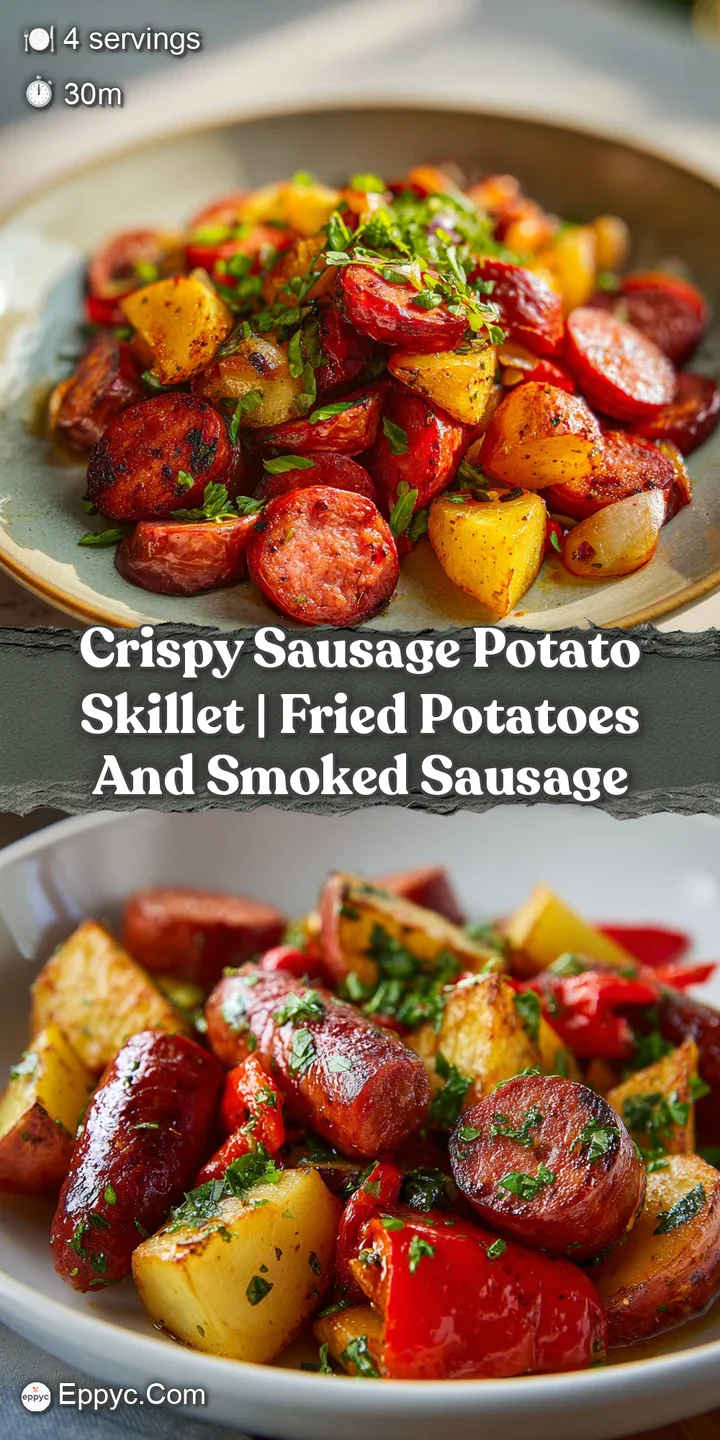
CRITICAL: Very High in Sodium
1180 mg 1180 mg of sodium per serving (51% 51% of daily value)
To help manage blood pressure, aim for a sodium intake of less than 2,300mg per day, as recommended by the American Heart Association.
Tips to Reduce Sodium
-
Choose Low-Sodium Smoked Sausage-25%
Smoked sausage is a major sodium contributor. Opt for a low-sodium variety or use a leaner, uncured ham as a substitute. This can significantly lower the overall sodium content.
-
Reduce Cheddar Cheese-15%
Sharp cheddar cheese is high in sodium. Using half the amount (1/2 cup) or opting for a reduced sodium cheddar can make a difference without sacrificing too much flavor.
-
Eliminate Added Salt-10%
The recipe calls for 1/2 tsp of kosher salt. Since smoked sausage and cheddar cheese already contain significant sodium, you can likely omit this entirely. Taste and adjust at the end if absolutely necessary.
-
Boost Flavor with Herbs and Spices
Enhance the flavor profile naturally. In addition to smoked paprika, garlic powder, and black pepper, consider adding fresh herbs like parsley or chives, or a pinch of cayenne for heat, to compensate for reduced sodium.
Recipe FAQs
Is a non-stick pan better than cast iron for this recipe?
No, cast iron is superior for this dish. A 12 inch cast iron skillet provides the thermal mass needed to achieve a crispy sear on the potatoes that non-stick surfaces simply cannot replicate.
How to get the potatoes soft without burning the outside?
Cover the skillet with a tight fitting lid for 5 minutes after adding the oil and potatoes. This steam phase traps internal moisture to soften the starch before you proceed to the open pan searing process.
Is it true the potatoes need to be soaked in water before cooking?
No, this is a common misconception. Pre-soaking is unnecessary because the steaming step effectively cooks the potato interior, while the 10-12 minute sear phase ensures the exterior becomes perfectly golden brown and crisp.
How to prevent the cheese from burning?
Add the cheese only after the sausage and vegetables are fully heated through and the heat is turned off. Covering the pan for just 1 minute is sufficient to melt the sharp cheddar into a bubbly topping without scorching it.
Can I use a different oil than avocado oil?
Yes, provided it has a high smoke point. If you enjoyed the creamy textures achieved through temperature control in our other recipes, you will appreciate how avocado oil handles the medium high heat required here without breaking down or burning.
How to ensure the sausage is perfectly crispy?
Sear the sausage rounds for 2-3 minutes per side in the hot skillet before adding the potatoes. Removing the sausage once browned allows you to clear the pan for the potatoes, then return the meat later to avoid overcooking it.
What should I do if the onions and peppers are cooking too fast?
Reduce the heat to medium and stir the vegetables more frequently. Keeping them moving ensures the onions soften and the peppers char slightly without the smaller pieces burning before the potatoes reach a crisp texture.
Crispy Sausage Potato Skillet
Ingredients:
Instructions:
Nutrition Facts:
| Calories | 624 kcal |
|---|---|
| Protein | 23 g |
| Fat | 44 g |
| Carbs | 35 g |
| Fiber | 5 g |
| Sugar | 4 g |
| Sodium | 1180 mg |
