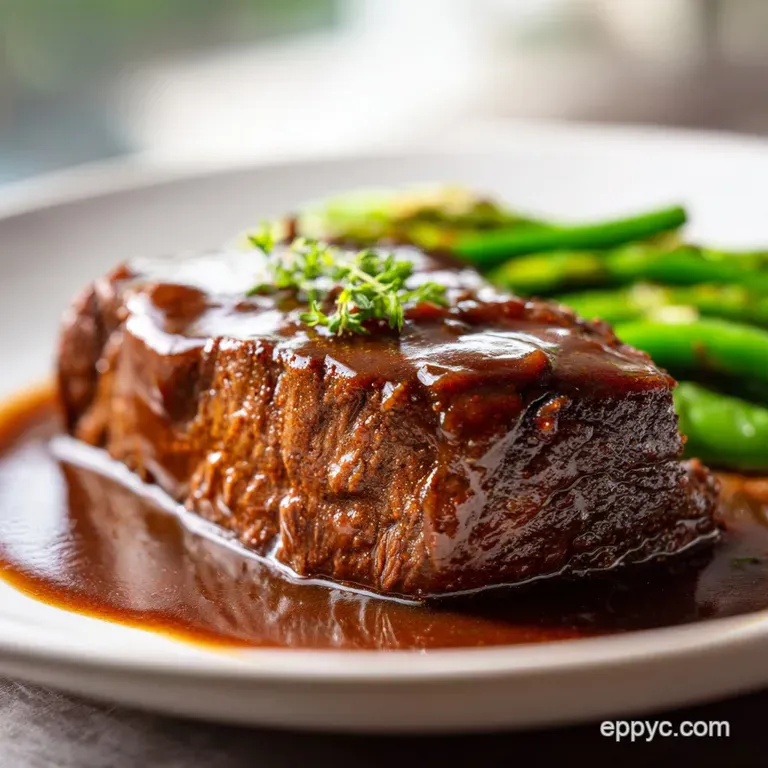
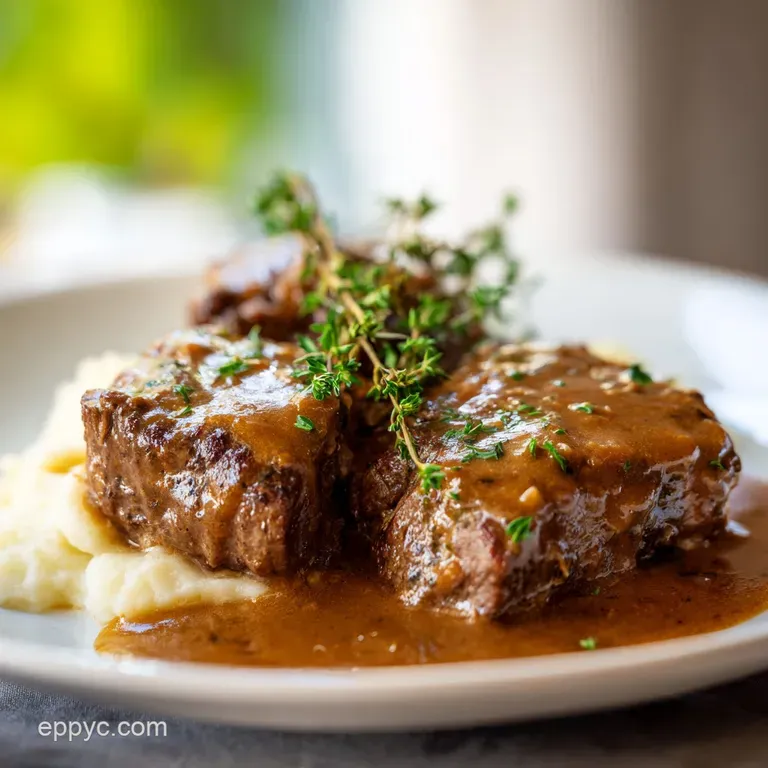
Crock Pot Cube Steak with Gravy: Fork Tender
- Time: Active 15 minutes, Passive 6 hours, Total 6 hours 15 mins
- Flavor/Texture Hook: Silky, savory gravy paired with fall apart tender beef
- Perfect for: Busy weeknights and budget-friendly family Sunday dinners
- The Thermal Mechanics of Tender Beef
- Analyzing the Essential Flavor Components
- Sourcing Your Culinary Building Blocks
- Crucial Tools for the Job
- Executing the Slow Cooked Transformation
- Resolving Common Texture and Flavor Issues
- Adjusting the Recipe for Any Crowd
- Debunking Slow Cooking Legends
- Effective Storage and Kitchen Efficiency
- Creating the Ultimate Comfort Meal
- High in Sodium
- Recipe FAQs
- 📝 Recipe Card
The Thermal Mechanics of Tender Beef
Collagen Denaturation: Slow cooking at low temperatures allows the tough collagen fibers in cube steak to melt into gelatin, creating a luscious mouthfeel. This process requires sustained heat below the boiling point to ensure the protein doesn't tighten up and become rubbery.
The Maillard Reaction: Searing the meat before it hits the crock pot creates complex flavor molecules and a deep brown color that a slow cooker simply cannot replicate on its own. This crust provides the foundation for the entire gravy's depth.
| Cut Thickness | Ideal Internal Temp | Resting Period | Visual Doneness Cue |
|---|---|---|---|
| 1.5 cm | 90°C (195°F) | 10 minutes | Fibers pull apart with a fork |
| 2 cm | 92°C (198°F) | 10 minutes | Meat is submerged and dark |
| 2.5 cm | 93°C (200°F) | 12 minutes | Gravy is bubbling and thick |
Adding a splash of Worcestershire sauce acts as a catalyst here, using its fermented acidity to further soften the muscle fibers while the glutamates boost the "meatiness" of the final sauce. It is a similar principle to what I use in my Pot Roast recipe, where long form braising does the hard work for you.
Analyzing the Essential Flavor Components
| Component | Scientific Purpose | Home Cook Secret |
|---|---|---|
| All Purpose Flour | Starch gelatinization | Dredge the meat twice for a thicker crust |
| Condensed Mushroom Soup | Emulsified fat base | Provides the "velvety" texture without heavy cream |
| Au Jus Mix | Concentrated Umami | Adds salt and depth that broth alone lacks |
| Vegetable Oil | Heat transfer medium | Use a high smoke point oil to prevent bitter char |
I've found that using a digital kitchen scale for these ingredients ensures the gravy consistency is identical every single time. It's about removing the guesswork. When you're looking for that restaurant quality finish, the ratio of flour to liquid is the most critical variable.
Sourcing Your Culinary Building Blocks
- 900g (2 lbs) cube steaks: These are usually top round or top sirloin that have been mechanically tenderized. Why this? The pre tenderized surface area absorbs the flour and gravy perfectly.
- 65g (0.5 cup) all purpose flour: This creates the initial roux like base. Substitute: Cornstarch (use half the amount) for a glossier, gluten-free finish.
- 5g (1 tsp) garlic powder: Essential for the base aromatic layer. Substitute: Fresh minced garlic (2 cloves), though powder distributes more evenly in the dredge.
- 5g (1 tsp) onion powder: Provides sweetness without the texture of raw onions. Substitute: Shallot powder for a more sophisticated, French inspired flavor.
- 2g (0.5 tsp) smoked paprika: Adds a hint of woodsy depth and a beautiful copper hue. Substitute: Regular paprika if you prefer a milder, sweeter profile.
- 3g (0.5 tsp) kosher salt: Enhances all other flavors. Substitute: Sea salt (use slightly less as the grains are finer).
- 1g (0.5 tsp) black pepper: For a subtle back of-the throat warmth. Substitute: White pepper for a cleaner look in the light gravy.
- 30ml (2 tbsp) vegetable oil: For the crucial sear. Substitute: Ghee or clarified butter for a richer, nuttier aroma.
- 350ml (1.5 cups) low sodium beef broth: The primary liquid. Why this? Low sodium allows you to control the seasoning without it becoming a salt bomb.
- 300g (10.5 oz) condensed cream of mushroom soup: The shortcut to creaminess. Substitute: Cream of celery for those who aren't fans of fungi.
- 25g (0.87 oz) au jus gravy mix: For that deep, savory punch. Substitute: A tablespoon of beef base (like Better Than Bouillon).
- 15ml (1 tbsp) Worcestershire sauce: The secret fermented kick. Why this? The anchovies and tamarind provide a complex acidity that cuts through the rich fats.
Crucial Tools for the Job
You don't need a kitchen full of gadgets, but a few reliable items make this a breeze. A heavy bottomed skillet (I love a 30cm cast iron) is non negotiable for the sear. If the pan is too thin, you won't get that "shatter" on the crust; you'll just steam the meat.
Of course, you'll need a 6 quart Crock Pot or similar slow cooker. I also recommend a digital meat thermometer. Even though we are slow cooking, knowing exactly when the internal structure has broken down (around 90°C) is how you empower your cooking with data.
Chef Tip: Freeze your butter for 10 minutes before grating it into your side dish mashed potatoes. This creates tiny pockets of steam and fat that result in an impossibly fluffy texture to catch all that gravy.
Executing the Slow Cooked Transformation
- Prep the dredge. Combine the 65g flour, garlic powder, onion powder, smoked paprika, salt, and pepper in a shallow bowl. Note: Mixing the spices into the flour ensures every centimeter of the meat is seasoned.
- Coat the beef. Press each steak firmly into the flour mixture until no damp spots remain.
- Heat the pan. Add 30ml oil to your skillet over medium high heat until the oil shimmers and barely wisps smoke.
- Sizzle and sear. Brown the steaks for 2-3 minutes per side. Note: We aren't cooking them through, just creating flavor.
- Layer the Crock Pot. Place the seared steaks into the bottom of the slow cooker, overlapping slightly if needed.
- Whisk the sauce. In a separate jug, combine the beef broth, cream of mushroom soup, au jus mix, and Worcestershire sauce.
- Submerge the meat. Pour the mixture over the steaks until they are completely covered.
- Set the timer. Cover and cook on Low for 6 hours. Note: High heat for 3 hours works, but the meat won't be as "shatter tender."
- Monitor the sauce. At the 5 hour mark, check the consistency. If it's too thick, add a splash of broth.
- Rest and serve. Turn off the heat and let it sit for 10 minutes until the gravy thickens slightly more.
| Cooking Method | Total Time | Meat Texture | Best For |
|---|---|---|---|
| Slow Cooker (Low) | 6 hours | Fall apart tender | Maximum flavor development |
| Slow Cooker (High) | 3 hours 30 mins | Sliced tender | When you're in a hurry |
| Stovetop Simmer | 1 hour 15 mins | Firm but juicy | Last minute dinner |
Resolving Common Texture and Flavor Issues
Why the Gravy is Clumpy
If your gravy has lumps, it usually means the flour from the steaks didn't integrate properly or the condensed soup wasn't whisked enough. I once made the mistake of just dumping the soup on top without mixing it with the broth first big mistake. The result was "pockets" of soup that never quite became a sauce.
Why the Meat Feels Tough
If the meat is still chewy at the 6 hour mark, it actually needs more time, not less. This is the paradox of braising tough cuts. The muscle fibers have tightened but the collagen hasn't yet converted to gelatin. Give it another 30-45 minutes and watch the magic happen.
| Problem | Root Cause | Solution |
|---|---|---|
| Sauce too salty | Au jus mix + salted broth | Add a peeled potato to absorb salt, or splash of heavy cream |
| Flour coating falling off | Pan wasn't hot enough | Ensure oil is shimmering before adding meat to create an instant crust |
| Bland flavor | Lack of acidity | Add 1 tsp of apple cider vinegar at the very end |
Common Mistakes Checklist
- ✓ Never crowd the pan during the sear; work in batches to keep the temperature high.
- ✓ Don't skip the Worcestershire sauce; that acidity is vital for the breakdown of the meat.
- ✓ Resist the urge to peek! Opening the lid releases the heat and adds 15-20 minutes to the cook time.
- ✓ Use low sodium broth to avoid an oversalted final dish.
- ✓ Always whisk the soup and broth together before pouring into the crock pot.
Adjusting the Recipe for Any Crowd
When you need to scale this down for a solo dinner, don't just cut everything in half. Use a smaller 3 quart slow cooker. If you use a large one with half the ingredients, the liquid will evaporate too fast and you'll end up with a scorched mess.
Reduce the cook time by about 20% and use a digital thermometer to check for tenderness early.
For scaling up for a big party, you can double the meat and liquids, but keep the spices to 1.5x. Spices can become overwhelming when doubled directly. You'll likely need to sear in multiple batches. This is actually a great strategy if you want to prep a batch of my SteakhouseStyle Steak with recipe for one night and use the leftovers for a completely different vibe later in the week.
Debunking Slow Cooking Legends
You must submerge the meat to cook it. Actually, the steam trapped in the Crock Pot does most of the heavy lifting. However, for this specific recipe, keeping the meat submerged in the gravy prevents the top from drying out and ensures the flour coating helps thicken the sauce.
Searing "seals in" the juices. This is one of those myths that just won't die. Searing actually causes a small amount of moisture loss, but we do it for the Maillard reaction. That crust adds a depth of flavor that a slow cooker cannot generate on its own.
The "juiciness" actually comes from the gelatin produced during the long cook.
Effective Storage and Kitchen Efficiency
Store leftovers in an airtight container in the fridge for up to 4 days. In fact, this is one of those rare dishes that actually tastes better the next day because the flavors have more time to meld.
To reheat, I suggest doing it on the stovetop over low heat with a tiny splash of milk or water to loosen the gravy back up.
If you have leftover gravy but no meat, don't you dare throw it out! That stuff is liquid gold. Use it as a base for a poutine style snack over fries, or stir it into some cooked noodles for a quick "stroganoff" style lunch. You can freeze the cooked steaks and gravy for up to 3 months.
Just thaw it in the fridge overnight before reheating.
Creating the Ultimate Comfort Meal
This dish cries out for a starchy companion. A pile of garlic mashed potatoes is the classic choice, but don't overlook a bed of wide egg noodles or even some fluffy white rice. To balance the richness of the cream of mushroom and beef, I always serve this with something bright.
A quick vinegary slaw or some steamed green beans with a squeeze of lemon really cuts through the fat and keeps your palate excited for the next bite.
If you're feeling adventurous, try adding a handful of sliced fresh cremini mushrooms to the pot during the last hour. They soak up all that Worcestershire infused goodness and add a wonderful "shatter" of texture against the soft beef.
It’s all about using these simple, digital era tools to empower your kitchen and create something truly heartfelt for the people you love.
1. What happens if I use regular steak instead of cube steak?
If you use a standard steak like ribeye or New York strip, it will likely overcook and become dry before it becomes tender. Cube steak is specifically designed for this "low and slow" method because the mechanical tenderization (those little indentations) allows the fibers to break down more effectively in the liquid.
If you do use a different cut, go for a chuck roast sliced into steaks.
2. Is there a way to make this without the condensed soup?
You can absolutely make a "scratch" version by creating a roux with butter and flour, then whisking in beef broth and a splash of heavy cream. However, the condensed soup is the "innovator's shortcut" here it provides built in emulsifiers that keep the gravy from breaking or separating over a 6 hour cook time.
3. Can I add vegetables like carrots or potatoes directly to the pot?
Yes, but remember that root vegetables take a long time to soften in a slow cooker. Cut your carrots and potatoes into small, uniform cubes (about 2cm) and place them at the very bottom of the pot, under the meat, to ensure they are in the hottest zone and fully submerged in the cooking liquid.
4. Why is my gravy too thin even after 6 hours?
The thickness of your gravy depends on how much flour stayed on the steaks after searing. If it’s too thin for your liking, whisk 1 tablespoon of cornstarch with 1 tablespoon of cold water (a slurry) and stir it into the crock pot 30 minutes before serving.
Turn the heat to high to activate the starch.
5. Do I really need to sear the meat first?
Technically, no the meat will still cook and become tender. However, you will miss out on the rich, toasted flavor and the deep brown color. Without the sear, the gravy can look a bit gray and the flavor will be much more one dimensional. It’s worth the 5 minutes of extra effort!

High in Sodium
916 mg mg of sodium per serving (40% of daily value)
The American Heart Association recommends limiting sodium intake to about 2,300mg per day for optimal health.
Tips to Reduce Sodium in Your Cube Steak Recipe
-
DIY Broth-30%
Prepare a homemade low-sodium beef broth or use a 'no salt added' broth instead of the regular low-sodium version. This single swap can significantly lower sodium.
-
Reduce Added Salt-25%
Cut back on the added kosher salt. Try using only 1/4 tsp instead of 1/2 tsp. You can always add a pinch at the end to taste.
-
Rethink Soup-20%
Condensed cream of mushroom soup is often high in sodium. Consider making a homemade mushroom sauce or using a reduced sodium condensed soup, if available.
-
Skip the Mix-20%
Eliminate the au jus gravy mix entirely. Au jus mixes are very high in sodium. Instead, enhance the gravy flavor with more fresh herbs and spices.
-
Worcestershire Tweak-10%
Use half the amount of Worcestershire sauce (0.5 tbsp instead of 1 tbsp) or opt for a low-sodium alternative.
-
Spice It Up!
Enhance the flavor with fresh and dried herbs and spices to reduce reliance on salt. Experiment with different combinations to find your favorite profile.
Recipe FAQs
What is the ideal final temperature for maximum tenderness?
Aim for 90°C (195°F) internal temperature. This low, sustained heat is crucial because it allows the tough collagen to fully convert into smooth, silky gelatin without forcing the muscle fibers to seize up.
Is searing the cube steak before slow cooking truly necessary?
No, but it is highly recommended for flavor depth. Searing initiates the Maillard reaction, creating complex savory notes that the slow cooker alone cannot replicate; otherwise, the final sauce will taste flat.
How do I fix gravy that ends up too thin after the cooking time is complete?
Whisk together cornstarch and cold water to make a slurry. Stir this mixture into the crock pot during the final 30 minutes of cooking and set the unit to high to activate the starch for thickening.
Is it true that cubed steak must be cooked on the 'Low' setting for best results?
No, 'High' will cook it, but 'Low' yields superior texture. Cooking on Low for 6 hours allows for slow, even conversion of connective tissue, resulting in a more consistently fall apart texture compared to the faster 'High' setting.
Can I use dried herbs instead of the suggested powders in the dredge?
Yes, but use a 3:1 ratio of dried to powdered herbs. Powdered spices integrate more evenly into the flour dredge, ensuring consistent seasoning across the meat surface, a technique similar to how we build flavor balance in my & Rich How recipe.
How long can I safely store the leftovers, and do they taste better later?
Store tightly sealed in the refrigerator for up to 4 days. Yes, this dish often improves overnight as the flavors have more time to marry and deepen, making it great for next day lunches.
What is the best side dish to serve to absorb all the rich gravy?
Mashed potatoes are the classic absorbent base. For maximum fluffiness, chill your butter before grating it into the potatoes, which creates pockets of steam a principle also key to perfect baking.
Crock Pot Cube Steak Gravy
Ingredients:
Instructions:
Nutrition Facts:
| Calories | 388 kcal |
|---|---|
| Protein | 36.5 g |
| Fat | 18.9 g |
| Carbs | 15.1 g |
| Fiber | 0.8 g |
| Sugar | 2.1 g |
| Sodium | 916 mg |
