Crockpot Dressing: the Hands-Off Hero Classic Sage and Thyme Recipe
- Why Your Slow Cooker Is the Secret Weapon for Perfect Dressing
- The Case Against Dry Stuffing: A Solution for the Holidays
- The Essential Elements for Authentic Sage and Thyme Crockpot Dressing
- Preparing Your Flavor Foundation: The Pre and Cook Mise en Place
- Step and by-Step: Assembling and Cooking Your Moist Crockpot Dressing
- Mastering the Technique for the Ultimate Moist Interior
- Customizing Your Comfort: Variations on This Classic Crockpot Dressing
- Serving and Storing Leftovers Safely
- Recipe FAQs
- 📝 Recipe Card
Why Your Slow Cooker Is the Secret Weapon for Perfect Dressing
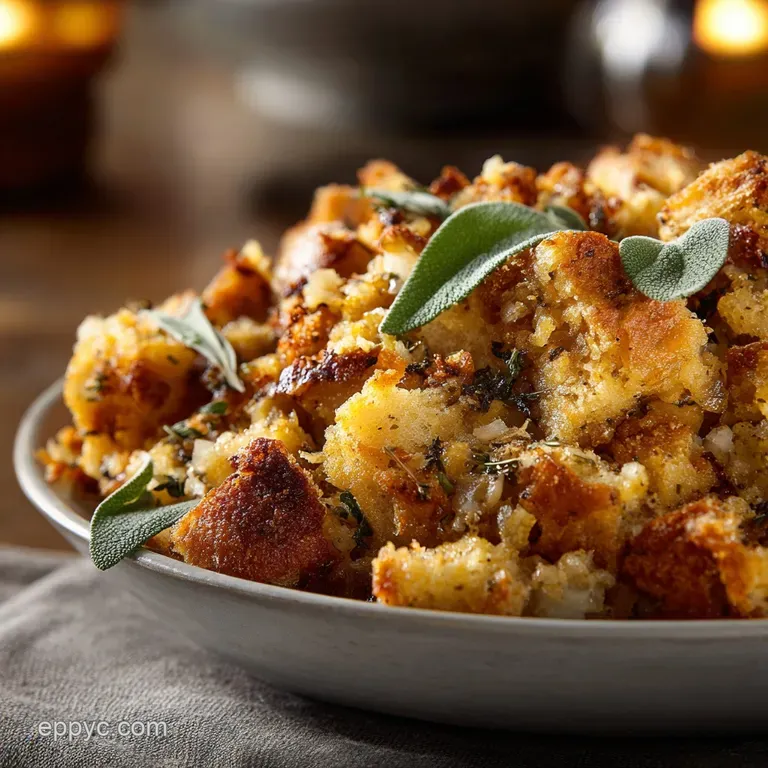
Listen, I am normally a purist. Give me a cast iron pan and a hot oven, and I’m happy. But when the big holidays roll around (or frankly, any Sunday when I’m making a full roast), the slow cooker is my absolute hero, specifically for dressing .
This isn’t a marginal improvement; it’s a game and changer. Using the crockpot means you get this impossibly moist interior, where every crumb is perfectly plumped up with rich stock and butter, yet it holds its shape beautifully.
I used to dread making dressing on the stove because it required constant babying, and the results were always hit and or-miss either gluey or rock and hard. This method? Set it and forget it. It is the ultimate stress and free Thanksgiving side dish.
The Case Against Dry Stuffing: A Solution for the Holidays
We’ve all been there. You spend hours roasting a glorious turkey, you pull out the stuffing (or dressing, we’ll clarify that in a minute), and it’s a dry, crumbly mess that tastes faintly of regret. That happens because an oven’s dry, high heat is designed to evaporate moisture.
Your slow cooker, however, is a low and slow steam bath. It hugs that bread mixture, allowing it to soak up the poultry stock and butter mixture gently, locking in every bit of moisture. It's the only way to guarantee that lovely, tender texture that melts in your mouth.
Reclaiming Precious Oven Space During Feast Preparation
If you’ve ever hosted a large holiday dinner, you know that oven space is more valuable than gold. Every square inch of rack space is spoken for: the pies, the rolls, the green bean casserole, and maybe something crunchy for the top of the potatoes.
Trying to wrestle a huge pan of dressing into that already crowded space is just painful. By cooking your crockpot dressing recipe thanksgiving style, you completely outsource one major side dish, letting it bubble away on the counter. Total freedom.
This alone justifies the purchase of a slow cooker, honestly.
Defining 'Dressing' Versus 'Stuffing': What's the Key Difference?
Right, let's talk turkey (literally). For the sake of tradition and food safety, the definition is simple:
| Term | Cooking Location | Safety Note |
|---|---|---|
| Stuffing | Cooked inside the bird | Requires reaching 165°F inside the bird cavity. |
| Dressing | Cooked outside the bird | Faster, safer, easier temperature control. |
Since we’re using the slow cooker, we are officially making dressing . This is especially important if you are planning to serve this crockpot dressing for turkey because it means you can avoid the risk of contamination and the hassle of ensuring the middle of a massive bird cavity is cooked through.
The Unbeatable Texture of Slow and Cooked Bread Cubes
When you bake dressing in the oven, you are usually aiming for a crispy top, which often comes at the expense of a dry center. The slow cooker flips the script. It creates an incredibly moist and uniform texture throughout.
The edges might get a little brown and chewy where they meet the hot ceramic, which is fantastic, but the core remains supple and tender. This texture is precisely why the Slow cooker dressing recipe is superior if moisture is your main goal.
The Essential Elements for Authentic Sage and Thyme Crockpot Dressing
The magic of a classic dressing is rooted in simplicity and depth. You need three things: fat, aromatics, and rich liquid.
- Good Quality Fat: We are using a full stick of butter here. Don’t skimp. This is where the flavor builds.
- The Holy Trinity of Aromatics: Onion, celery, and garlic. These must be cooked down low and slow until they are soft and fragrant. They release their moisture into the butter, making the perfect coating for the bread.
- Fresh Herbs (Non and negotiable): Fresh sage and thyme define this dish. Dried herbs are fine in a pinch, but they lack that vibrant, earthy punch that makes the dressing sing.
- Rich Stock: Low and sodium poultry stock (turkey stock, if you have it) is the binder. It’s the liquid vehicle that transforms stale bread into something comforting.
Preparing Your Flavor Foundation: The Pre and Cook Mise en Place
Mise en place (getting everything ready beforehand) is crucial for this recipe. You want zero distractions once you start mixing, because timing the addition of the stock is key.
Choosing the Best Bread Base for Maximum Absorbency
I prefer using a hearty country loaf or sourdough bread. Anything that has a firm crumb and isn't overly soft (like sandwich bread) works best. The bread needs to be able to stand up to a lot of moisture without disintegrating.
A critical warning: You must use stale bread. If you use fresh, soft bread, it will turn into a dense, gluey mess when you add the stock. If your bread isn't already a day or two old, cube it and leave it out on the counter uncovered for several hours, or toast it gently in the oven until it’s truly dried out.
A Guide to Fresh Versus Dried Herb Ratios
I'm a fresh herb snob when it comes to crockpot dressing classic sage . The flavor difference is huge. But if you are in a pinch, here is how you swap them:
| Herb Form | Required Amount (This Recipe) |
|---|---|
| Fresh | 2 Tbsp Sage / 1 Tbsp Thyme |
| Dried | 1 tsp Sage / ½ tsp Thyme |
Remember, dried herbs are highly concentrated. Start low, you can always add more salt and pepper later.
The Specific Kitchen Tools Required for This Recipe
You don’t need anything fancy, but you definitely need a big 6 quart slow cooker. Anything smaller and you’ll be making layers that will cook unevenly. You also need a large skillet (12 inch or more) to sauté the aromatics, and a bowl that feels comically large for mixing.
Trust me on the bowl size; you need to toss those bread cubes without smashing them.
Making the Rich Poultry Stock Substitution
The stock is the backbone of the flavor. Store and bought low and sodium chicken stock is perfectly fine, but if you have homemade turkey or chicken stock, use it! It makes a massive difference. The trick here is warming the stock slightly before you add it to the bread mixture. Why?
Because you just melted a stick of butter, and if you shock that mixture with cold stock, the butter will solidify and clump up. Warm stock keeps everything emulsified and distributes the seasoning evenly.
Related Recipes Worth Trying
- Easy Caprese Pasta Salad Recipe with Zesty Balsamic Dressing — Whip up this vibrant fresh Caprese Pasta Salad in under 35 minutes Perfect for picnics it features a bright homemade balsamic glaze Get the recipe
- Effortless Fiesta Chicken Crockpot Tortilla Soup Recipe — This is the easiest Crock Pot Chicken Tortilla Soup recipe youll ever makepacked with smoky flavour and minimal effort Perfect for a busy Tuesday night Find...
- Easiest Crockpot Chicken Tacos Recipe for Weeknights — Need a dinner that practically cooks itself This easy crockpot chicken tacos recipe uses just a few ingredients for perfectly tender flavourful shredded...
Step and by-Step: Assembling and Cooking Your Moist Crockpot Dressing
We are moving quickly through the sauté and soak phase. Speed ensures the vegetables stay hot and the butter doesn't seize. Once you’ve sautéed your onion and celery, bloom those fresh herbs for just sixty seconds. That little sautéing step makes them instantly more fragrant.
Then, pour that whole shimmering, aromatic mixture right over the dried bread cubes. Toss gently to coat them in the fat.
Next comes the seasoning and the binder (the eggs). Finally, pour in 2.5 cups of the warm stock, tossing as you go. You need to see the bread cubes absorb the liquid, but they should not be swimming in it. If they look dry at the bottom, add the last half and cup.
Mastering the Technique for the Ultimate Moist Interior
The difference between okay dressing and "OMG, what is this magic?" dressing is all about moisture control and preparation.
The Crucial Sautéing Step Before Combining Wet Ingredients
We sauté the onion and celery not just to soften them, but to cook off some of their raw moisture. This concentrates their flavor, prevents the final dressing from tasting 'raw,' and ensures that the fat and butter truly infuse them. This is where the majority of the seasoning happens.
Cook them until they are soft and slightly translucent about 8 to 10 minutes but never browned.
Achieving the Perfect Wet and to-Dry Bread Consistency
This is the hardest part to describe, but the easiest to check. After you’ve added the stock, stop mixing and grab a small handful. Squeeze it gently.
- If water drips out, you’ve added too much stock. (Disaster.)
- If it crumbles immediately when you let go, it needs more stock.
- If it holds its shape perfectly when you open your palm, and maybe just a few crumbs fall away, you are gold. That's the perfect moisture level for a great crockpot dressing recipe .
Setting Up the Slow Cooker Environment for Even Heat
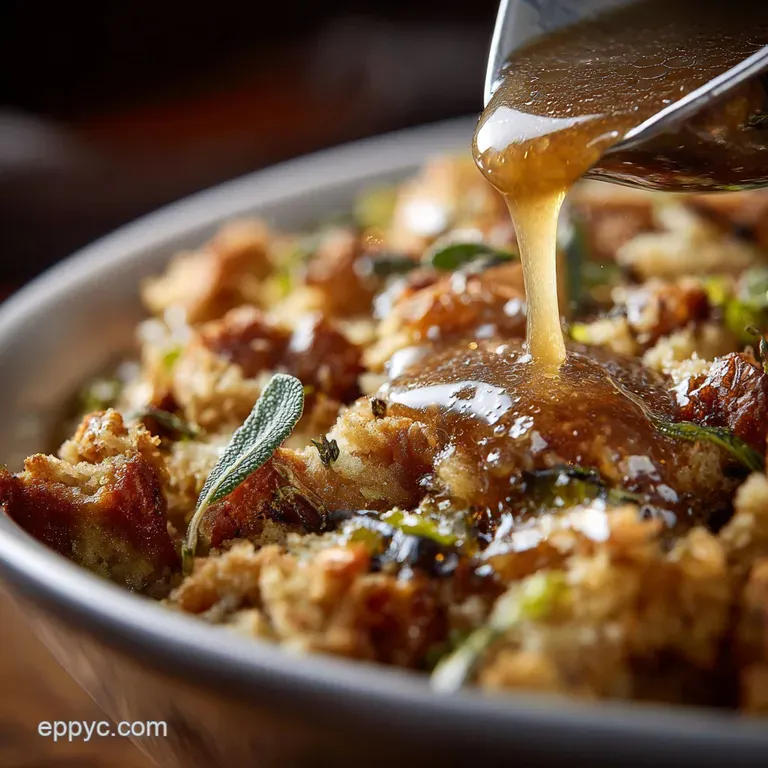
When you transfer the mixture into the slow cooker, spoon it in lightly. Don't press down. You want those little air pockets. They allow the steam and heat to circulate, which is what creates that lovely fluffy interior.
The absolute most important tip for this specific method: use a kitchen towel. Place a clean, folded kitchen towel or several thick layers of paper towels right over the ceramic rim before you put the lid on.
The slow cooker creates immense condensation, and that towel traps all the liquid before it can drip back onto your bread, guaranteeing it won't be soggy. It’s brilliant.
How to Check for Doneness and the Required Internal Temperature
Cook the dressing on HIGH for about 3. 5 hours, or LOW for 6 to 7 hours. You’ll know it’s ready when the edges look puffy and are starting to pull away slightly from the sides of the ceramic insert.
The internal temperature must hit 165°F (74°C) to ensure the eggs used as a binder are safely cooked. Use a meat thermometer inserted into the center. If it’s over 165°F and the texture looks right, you’re done! Don’t let it go much longer on HIGH, or the bottom edges can scorch.
Customizing Your Comfort: Variations on This Classic Crockpot Dressing
One of the best things about making crockpot dressing is how easy it is to tweak the mix and ins once you have the basic technique down.
- Make it Southern Style: Substitute half of the white bread with crumbled cornbread. Add a pinch of sugar and a quarter cup of chopped pecans for a sweeter profile.
- Apple and Onion: Sauté one medium Granny Smith apple (peeled and diced) along with the onions and celery. The sharpness of the apple cuts through the richness beautifully.
- Mushroom and Leek: Swap the chicken stock for vegetable stock and fold in two cups of cleaned, sautéed leeks and wild mushrooms (like oyster or cremini) that have been cooked down until they release all their liquid. This makes for a deeply earthy flavor.
Serving and Storing Leftovers Safely
Making it Vegetarian: Stock and Butter Alternatives
This recipe is simple to convert. Just replace the unsalted butter with a high and quality vegan butter substitute (or olive oil, though I prefer the butter flavor) and swap the poultry stock for a rich vegetable broth.
Make sure the vegetable broth is well and seasoned, as poultry stock usually has a deeper savory note.
Incorporating Meaty Mix and ins (Sausage or Bacon)
Oh, the bacon version is incredible. If you want to add meat, cook it before the aromatics.
- Sausage: Crumble and brown 1 pound of breakfast sausage (or Italian sausage, casings removed) in the skillet. Drain off most of the rendered fat (leaving about 2 tablespoons) before adding the butter, onion, and celery.
- Bacon: Dice 8 slices of thick and cut bacon, cook it until crispy, remove the bacon, and use the rendered fat instead of the butter to sauté the vegetables. Crumble the crispy bacon back into the mix right before adding the stock.
Reheating and Freezing Guidelines for Maximum Freshness
This is a fantastic dish to make-ahead dressing crockpot style.
For freezing: Cook the dressing fully, allow it to cool completely, then transfer it to a freezer and safe container, tightly wrapped. It will hold for up to three months. To reheat, thaw overnight in the fridge and then place it back into the slow cooker on LOW with a splash of extra stock for about 2 hours, or reheat portions in the oven at 350°F (175°C) covered with foil.
For simple reheating: Leftovers can be reheated beautifully right in the slow cooker on the LOW or KEEP WARM setting. Just add 2 3 tablespoons of stock to prevent drying out.
Quick Nutritional Overview for Menu Planning
Let’s be honest, this is a stick and to-your and ribs kind of side dish, powered by bread and butter. While it offers some protein from the eggs and fiber from the veggies, this isn't a low and fat menu item. It’s comfort food, designed for big meals and big flavor. Plan accordingly!
Recipe FAQs
I’m trying to save time on the big day. Can I make this slow cooker dressing ahead of time?
You absolutely can, which is half the brilliance of this recipe! You can chop and sauté the aromatics up to two days ahead, or mix the entire uncooked dressing and store it in the fridge overnight, adding about 30 minutes to your cooking time the next day.
How do I stop my dressing from turning into a mushy disaster in the slow cooker?
The classic slow cooker dilemma is condensation; the secret here is to place a clean, folded kitchen towel or several paper towels under the lid while cooking to absorb the rising steam, ensuring a fluffy texture rather than a heavy, wet brick.
I miss the crispy top of oven stuffing. Can I get a crunchy crust on this Crockpot Dressing?
While the slow cooker guarantees a wonderfully moist interior, it won't give you a crust; for that perfect golden crispness, transfer the finished Crockpot Dressing to a buttered baking dish and bake it at 375°F (190°C) for 10-15 minutes just before serving.
Is it really bad form to use dried sage instead of fresh in the recipe?
While fresh sage provides a cleaner, more robust flavour that truly shines in a classic dressing, you can use dried herbs if necessary; just remember to reduce the quantity significantly, usually using about one-third the amount (e.g., 1 tsp dried sage).
What if I don't have enough stale bread, or mine isn't dry enough?
If your bread isn't completely dry, your dressing will turn dense; spread your cubed bread on a baking sheet and toast it in a 300°F (150°C) oven for about 10-15 minutes until it feels bone dry but isn’t browned.
Easy Crockpot Dressing Recipe
Ingredients:
Instructions:
Nutrition Facts:
| Calories | 333 kcal |
|---|---|
| Protein | 19.6 g |
| Fat | 26.0 g |
| Carbs | 6.1 g |
