Birthday Dinner Idea with Garlic Butter Steak: Steakhouse Quality
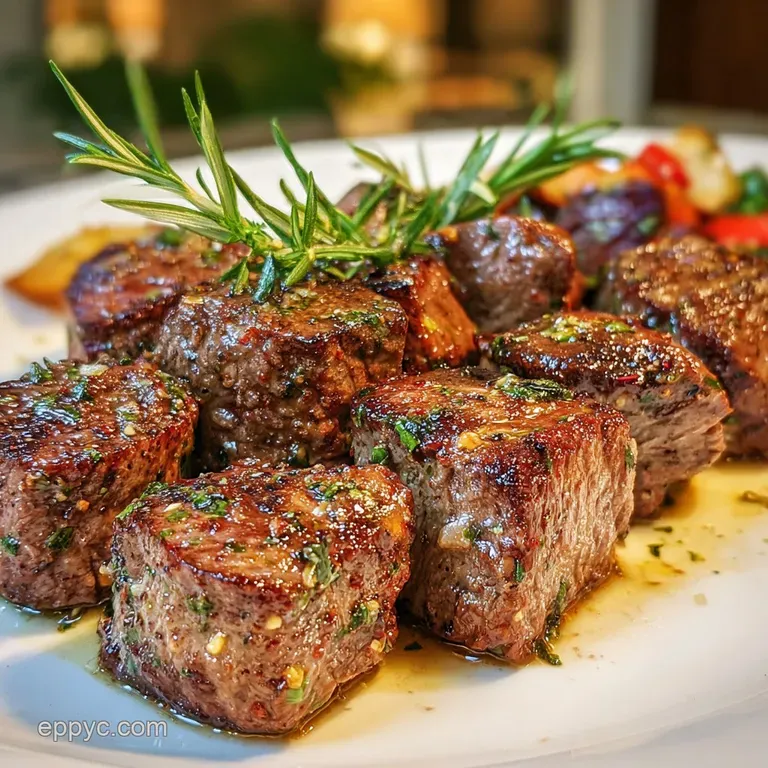
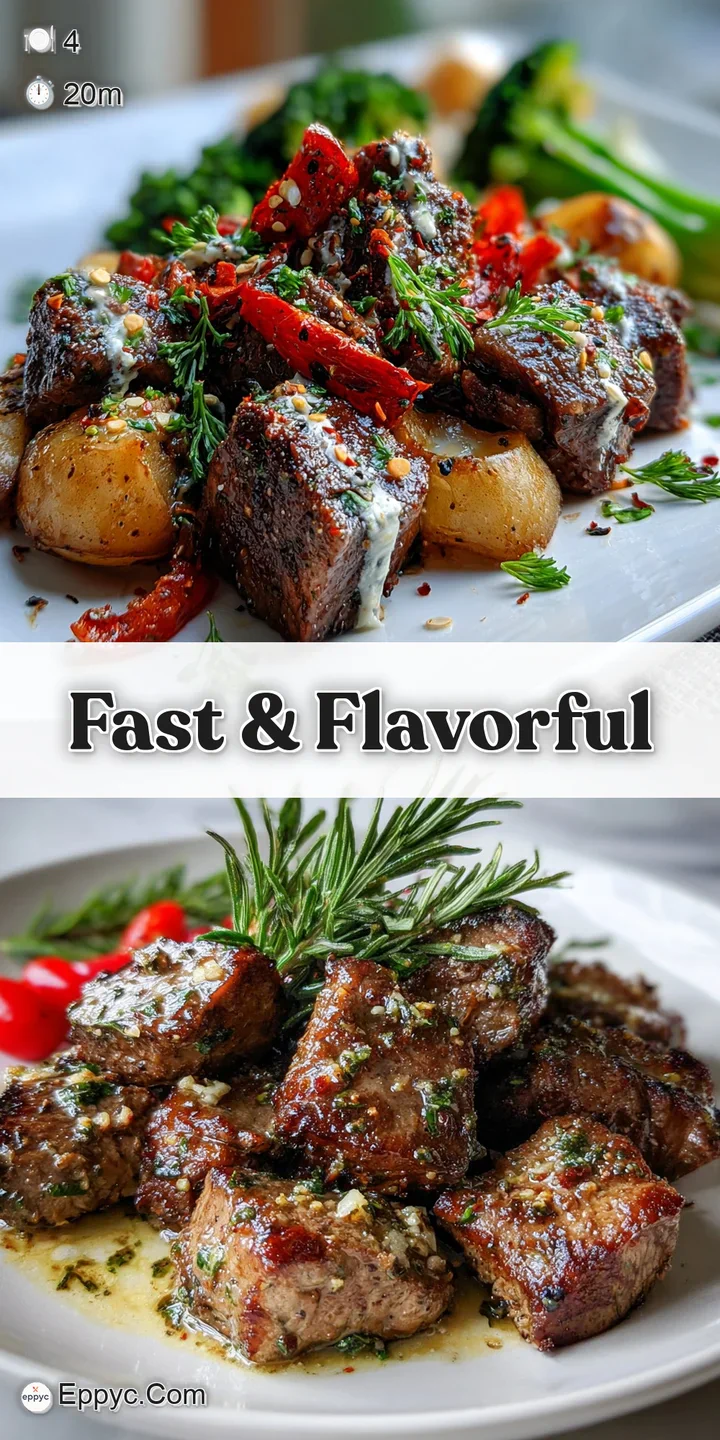
- Time: Active 10 minutes, Passive 10 minutes, Total 20 minutes
- Flavor/Texture Hook: Shatter crisp mahogany crust with a velvety, herb infused garlic finish
- Perfect for: Milestone celebrations, impressive date nights, or a high end weekend treat
- Experience the Best Birthday Dinner Idea with Garlic Butter Steak
- The Science Behind That Perfect Mahogany Crust
- Component Analysis for a Better Steakhouse Experience
- Selecting Premium Elements and Smart Substitutions
- Minimal Tools for Professional Kitchen Results
- Step by Step Guide to Flawless Searing
- Solving Texture and Flavor Imbalances
- Adaptations for Every Lifestyle and Preference
- Adjusting for Different Batch Sizes
- Smart Storage and Creative Leftover Solutions
- Plating Techniques and Debunking Common Myths
- Recipe FAQs
- 📝 Recipe Card
Experience the Best Birthday Dinner Idea with Garlic Butter Steak
The sound of a cold steak hitting a ripping hot cast iron skillet is honestly one of my favorite things in the world. It’s that immediate, aggressive sizzle that lets you know you’re about to create something special.
Last year, I totally missed the window to book a table at our local steakhouse for a big birthday, and honestly? It was the best thing that could have happened. I stayed home, cranked up the heat, and realized that this Birthday Dinner Idea with Garlic Butter Steak is actually better because you control the garlic to butter ratio (which, in my house, is always "more").
There’s something about the aroma of smashed garlic and fresh rosemary hitting bubbling butter that feels like a warm hug. You don’t need a massive grill or twenty different pans to make this work.
We’re focusing on a single skillet method that relies on timing and temperature rather than fancy gadgets. It's approachable, fast, and feels incredibly indulgent.
This dish isn't just about cooking meat; it’s about that specific moment when the butter starts to foam and you toss in the herbs. The kitchen fills with this earthy, savory scent that makes everyone wander in to ask when dinner is ready.
Trust me, once you master the sear and butter baste method, you'll never feel the need to overpay for a steak dinner again.
The Science Behind That Perfect Mahogany Crust
To get that restaurant style finish, we have to look at the chemistry of the pan. It's not just about heat; it's about managing moisture and fat.
- The Maillard Reaction: High heat triggers a chemical reaction between amino acids and reducing sugars, creating hundreds of flavor compounds and that characteristic brown crust.
- Smoke Point Physics: Using avocado oil (which has a smoke point around 520°F) allows the pan to get hot enough for a deep sear without the oil breaking down and becoming bitter.
- Cold Butter Emulsification: Adding chilled butter at the end prevents the fat from separating too quickly, creating a thick, velvety sauce that clings to the meat instead of just being greasy.
- Carryover Thermodynamics: The internal temperature of the steak cubes continues to rise by about 5°F after leaving the pan, so pulling them early is the key to avoiding a rubbery texture.
| Thickness | Internal Temp | Rest Time | Visual Cue |
|---|---|---|---|
| 1 inch cube | 130-135°F (Med Rare) | 3 minutes | Warm red center, glossy exterior |
| 1 inch cube | 140-145°F (Medium) | 4 minutes | Pink center, firm to the touch |
| 1 inch cube | 150°F+ (Well) | 5 minutes | Grey brown throughout, very firm |
When you're aiming for that perfect bite, the sear happens fast. Because these are cubes and not a thick slab, you have to be ready to move quickly. If the pan isn't screaming hot, the meat will steam in its own juices rather than developing that beautiful crust we're after.
Component Analysis for a Better Steakhouse Experience
Choosing the right beef and the right fat makes all the difference when you're working with such a fast cook time. Here is why we use these specific items.
| Ingredient | Science Role | Pro Secret |
|---|---|---|
| Top Sirloin / Ribeye | Protein Structure | Use Ribeye for more marbling or Sirloin for a beefier, leaner bite that stays tender if not overcooked. |
| Chilled Unsalted Butter | Emulsifier | Using chilled butter slows down the melting process, which helps create a thicker, creamier pan sauce. |
| Fresh Garlic (Smashed) | Aromatics | Smashing the cloves before mincing releases allicin, which provides a more pungent and intense flavor profile. |
| Lemon Juice | Acid Balance | A tiny splash of acid at the end "cuts" through the heavy fat, brightening the overall flavor of the beef. |
Adding the lemon juice right at the end might seem strange for a steak dish, but it acts like a highlighter for the savory notes. It balances the richness of the butter so you can eat more without it feeling too heavy.
Selecting Premium Elements and Smart Substitutions
The quality of your steak is paramount. I usually reach for Top Sirloin because it’s affordable and has a great "beefy" flavor, but Ribeye is the gold standard if you want that melt in-your mouth fat.
- 1.5 lbs Top Sirloin or Ribeye: Cut into 1 inch cubes. Why this? Cubes maximize surface area for the Maillard reaction to occur on all sides.
- Substitute: Tri tip or Filet Mignon. (Tri tip is more fibrous; Filet is more tender but less flavorful).
- 2 tbsp Avocado oil: Or Grapeseed oil. Why this? High smoke points prevent the oil from burning during the initial sear.
- Substitute: Light Olive oil (not Extra Virgin, which burns too easily).
- 1 tsp Kosher salt: Why this? Coarse grains draw out surface moisture better than table salt.
- Substitute: Sea salt or Pink Himalayan salt.
- 1/2 tsp Coarse black pepper: Why this? Larger flakes provide pops of spice and texture.
- Substitute: White pepper for a more floral, less aggressive heat.
- 4 tbsp Unsalted butter: Cubed and chilled. Why this? Control over salt levels and better emulsification when cold.
- Substitute: Ghee (but you’ll lose the creamy milk solid flavor).
- 6 cloves Garlic: Smashed and finely minced. Why this? Fresh garlic is essential; the pre jarred stuff tastes metallic when seared.
- Substitute: Garlic confit for a milder, sweeter flavor. If you're interested in making your own, check out this How to Roast Garlic recipe to level up your aromatics.
- 1 tbsp Worcestershire sauce: Why this? Adds fermented depth and "umami" punch to the sauce.
- Substitute: Soy sauce or Coconut Aminos.
- 1 tbsp Fresh rosemary and thyme: Finely chopped. Why this? Woody herbs stand up well to the high heat of the butter basting.
- Substitute: Dried herbs (use only 1/3 of the amount).
- 1/2 tsp Red pepper flakes: Why this? A tiny hint of background heat to wake up the palate.
- Substitute: Alep po pepper for a smokier, milder heat.
- 1 tbsp Fresh Italian parsley: Minced. Why this? Provides a fresh, grassy finish to the heavy dish.
- Substitute: Fresh chives or cilantro.
- 1 tsp Fresh lemon juice: Why this? Breaks up the fat molecules for a cleaner finish.
- Substitute: Red wine vinegar.
Minimal Tools for Professional Kitchen Results
You don't need a kitchen full of gadgets to pull off an impressive meal. In fact, fewer tools often mean better focus on the technique.
- Cast Iron Skillet: This is the most important tool. It holds heat better than stainless steel or non stick, which is vital for getting that dark crust on the steak. If you don't have one, a heavy bottomed stainless steel pan is your next best bet.
- Paper Towels: I know it sounds basic, but you cannot get a sear on wet meat. Patting the steak cubes bone dry is a non negotiable step.
- Metal Tongs: You need these to flip the cubes individually or move them around quickly. Silicon tongs sometimes struggle to grip the smaller pieces.
- Chef’s Knife: A sharp blade ensures clean cuts on the meat, which prevents "shredding" the edges.
Chef's Tip: Place your cast iron skillet in the oven at 400°F while you prep your ingredients. When you're ready to cook, move it to the stove. This ensures the entire pan is evenly heated from edge to center, preventing cold spots.
step-by-step Guide to Flawless Searing
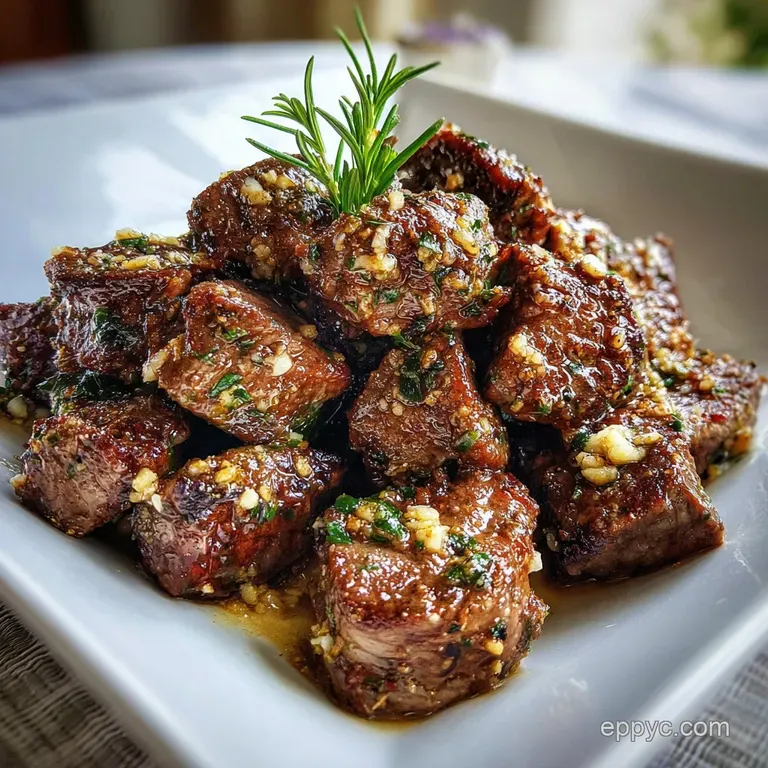
Follow these steps closely. The cooking happens in less than 10 minutes, so have everything measured out and ready to go (mise en place) before you turn on the stove.
- Dry the meat. Use paper towels to pat the 1.5 lbs of steak cubes until they are completely dry to the touch. Note: Surface moisture turns into steam, which prevents browning.
- Season generously. Toss the cubes with 1 tsp Kosher salt and 1/2 tsp black pepper just before cooking. Do not salt too early or the meat will begin to release moisture.
- Heat the pan. Add 2 tbsp avocado oil to your skillet and heat over high until the oil is shimmering and just starting to wisps of smoke appear.
- The first sear. Add the steak in a single layer. Do not overcrowd. Cook for 2 minutes without moving them until a deep brown crust forms.
- Flip and color. Use tongs to turn the cubes. Sizzle for another 2 minutes until all sides are browned but the center is still rare.
- Reduce and add butter. Turn the heat down to medium low. Add the 4 tbsp chilled butter and 6 cloves minced garlic. Note: Reducing the heat prevents the garlic from burning.
- Infuse the aromatics. Add the 1 tbsp Worcestershire sauce, 1 tbsp rosemary/thyme, and 1/2 tsp red pepper flakes.
- Baste the beef. Use a spoon to continuously pour the foaming butter over the steak for about 1 to 2 minutes until the garlic is fragrant and golden.
- The finishing touch. Remove from heat and stir in 1 tbsp parsley and 1 tsp lemon juice.
- Rest the meat. Transfer everything to a warm plate and let it sit for 3 to 5 minutes before serving. This allows the juices to redistribute so they don't run all over the plate.
Solving Texture and Flavor Imbalances
Steak bites move fast, and things can go sideways if you aren't paying attention to the heat. If you find your kitchen filling with thick, acrid smoke, your heat is likely too high for the butter phase.
To Fix Gray Steamed Meat
If your steak looks grey instead of brown, it’s usually because the pan was too crowded or the meat was too wet. The moisture escapes, creates a steam bath, and the temperature drops. To fix this next time, work in two batches so there is plenty of space between each cube for air to circulate.
To Prevent Burnt Garlic Bitterness
Garlic burns in seconds at steak searing temperatures. The trick is to wait until the meat is almost done, drop the heat, and then add the garlic with the cold butter. The butter acts as a temperature buffer, keeping the garlic from hitting the scorching hot iron directly.
| Problem | Root Cause | Solution |
|---|---|---|
| Tough/Chewy Steak | Overcooked or poor cut | Pull meat at 130°F; use Ribeye for more fat/tenderness. |
| No Crust | Pan not hot enough | Wait for oil to smoke slightly before adding meat. |
| Greasy Sauce | Butter broke/split | Use chilled butter and keep it moving to emulsify. |
Common Mistakes Checklist
- ✓ Never use a non stick pan for this; it can't handle the heat required for a proper sear.
- ✓ Don't use butter for the initial sear; the milk solids will burn before the steak is brown.
- ✓ Avoid moving the meat too much in the first 2 minutes; it needs contact time to develop flavor.
- ✓ Always let the meat rest; cutting into it immediately results in dry steak.
- ✓ Don't skip the lemon juice; it's the secret to that professional "clean" finish.
Adaptations for Every Lifestyle and Preference
The beauty of this Birthday Dinner Idea with Garlic Butter Steak is that it’s naturally low carb, but it can be tweaked for different needs.
For a Low Carb Celebration This recipe is already keto friendly as written! To keep it that way, serve it with roasted radishes or a big side of garlicky greens. It feels incredibly decadent without the carb crash. If you want something more substantial, it pairs beautifully with this & Flavorful How recipe for a nutrient dense side.
For a dairy-free Alternative If you need to skip the butter, use a high-quality vegan butter substitute that is oil based rather than water based. It won't brown the same way, but the garlic and herbs will still carry the flavor.
Alternatively, use extra virgin olive oil at the very end (off heat) for a Mediterranean twist.
If you want X, do Y If you want a spicier kick, double the red pepper flakes or add a teaspoon of harissa paste to the butter. If you want a deeper umami, add a teaspoon of anchovy paste or a splash of fish sauce with the Worcestershire.
If you want a crunchy finish, sprinkle with flaky sea salt (like Maldon) just before serving.
Adjusting for Different Batch Sizes
Cooking for one or cooking for the whole family requires a few adjustments to maintain the quality of the sear.
Scaling Down (½ Batch): Use a smaller skillet (8 inch) so the butter doesn't spread too thin and burn. The cooking times remain roughly the same, but the butter will melt faster, so be ready to baste immediately.
Scaling Up (2x-4x Batch): This is where people usually fail. Do not try to cook 3 lbs of steak in one skillet at once. You must work in batches. Sear all the meat in avocado oil first, then wipe out any burnt bits, return all the meat to the pan, and do one big "butter finish" for the entire batch at the end.
This ensures every piece gets that crispy exterior.
Smart Storage and Creative Leftover Solutions
Steak is always best fresh, but if you have leftovers, don't let them go to waste.
Storage: Store in an airtight container in the fridge for up to 3 days. I don't recommend freezing cooked steak bites as the texture becomes spongy upon thawing.
Reheating: Avoid the microwave! It will turn your beautiful medium rare steak into rubber. Instead, flash sear them in a hot skillet for 60 seconds with a tiny splash of beef broth or water to create steam and keep them moist.
Zero Waste Tip: Use the leftover garlic butter from the pan! If you have extra sauce, pour it into a small jar. It’s basically liquid gold. Use it the next morning to fry eggs or toss it with some pasta for a quick lunch.
The steak scraps can be thinly sliced and tossed into a salad or used as a high end topping for a homemade pizza.
Plating Techniques and Debunking Common Myths
When it's a birthday, presentation matters. Instead of just dumping the steak on a plate, try the "Date Night" plating style. Pile the steak bites in the center of a warm plate, spoon the garlic butter generously over the top, and finish with a heavy dusting of fresh parsley. Serve it alongside My Creamy Cheesy recipe for that classic steakhouse vibe.
There's a common myth that searing meat "seals in the juices." Science tells us this is actually false. Searing is entirely about flavor and texture (the Maillard reaction). Juiciness is actually managed by the internal temperature and the resting period.
If you cook the steak to 160°F, it will be dry no matter how hard you seared it.
Another myth is that you should only flip steak once. In reality, flipping steak bites frequently after that initial 2 minute sear actually helps them cook more evenly and prevents any one side from becoming tough. It also ensures every side gets coated in that glorious garlic butter.
Right then, you're ready to tackle this. It's fast, it's loud, and it's going to be the best birthday dinner you've had in years. Just remember: dry the meat, heat the pan, and don't be afraid of the sizzle! Let's crack on.
Recipe FAQs
Should I use cold or room temperature butter for basting the garlic butter steak?
Use chilled, cubed butter. Adding cold butter slows the melting process, allowing the garlic to infuse the fat without immediately separating, resulting in a thicker, creamier emulsified sauce.
How to guarantee the steak develops a hard, brown crust?
Pat the steak cubes completely dry with paper towels before seasoning. Surface moisture turns to steam when hitting the hot pan, which prevents the Maillard reaction necessary for that mahogany crust.
Is it true that searing meat seals in the juices?
No, this is entirely false. Searing is purely for flavor development via the Maillard reaction; juice retention is controlled by internal temperature and proper resting time.
What oil should I use for the initial high heat sear with the steak?
Choose an oil with a high smoke point, like avocado or grapeseed oil. Using an oil that burns too easily, like unrefined olive oil, will create bitter flavors before the beef even browns.
How to prevent the garlic from burning when I add it to the hot butter?
Reduce the heat to medium low immediately before adding the butter and garlic. The cold butter acts as a buffer, preventing the minced garlic from scorching on the hot cast iron.
What vegetable can I serve with this rich steak dinner to balance the flavor?
Serve with quickly sautéed leafy greens like spinach or kale. A touch of acid, like lemon juice, cuts through the fat; if you enjoyed mastering this balance, see how we apply acid balancing in our Creamy Garlic Clam recipe.
How long should I rest the steak cubes after taking them out of the pan?
Rest the finished steak for a minimum of 3 to 5 minutes before serving. This allows the muscle fibers to relax and reabsorb the juices, ensuring the meat remains tender and flavorful.
Garlic Butter Steak Bites
Ingredients:
Instructions:
Nutrition Facts:
| Calories | 488 kcal |
|---|---|
| Protein | 38 g |
| Fat | 36 g |
| Carbs | 3 g |
| Fiber | 0.4 g |
| Sugar | 0.8 g |
| Sodium | 645 mg |
