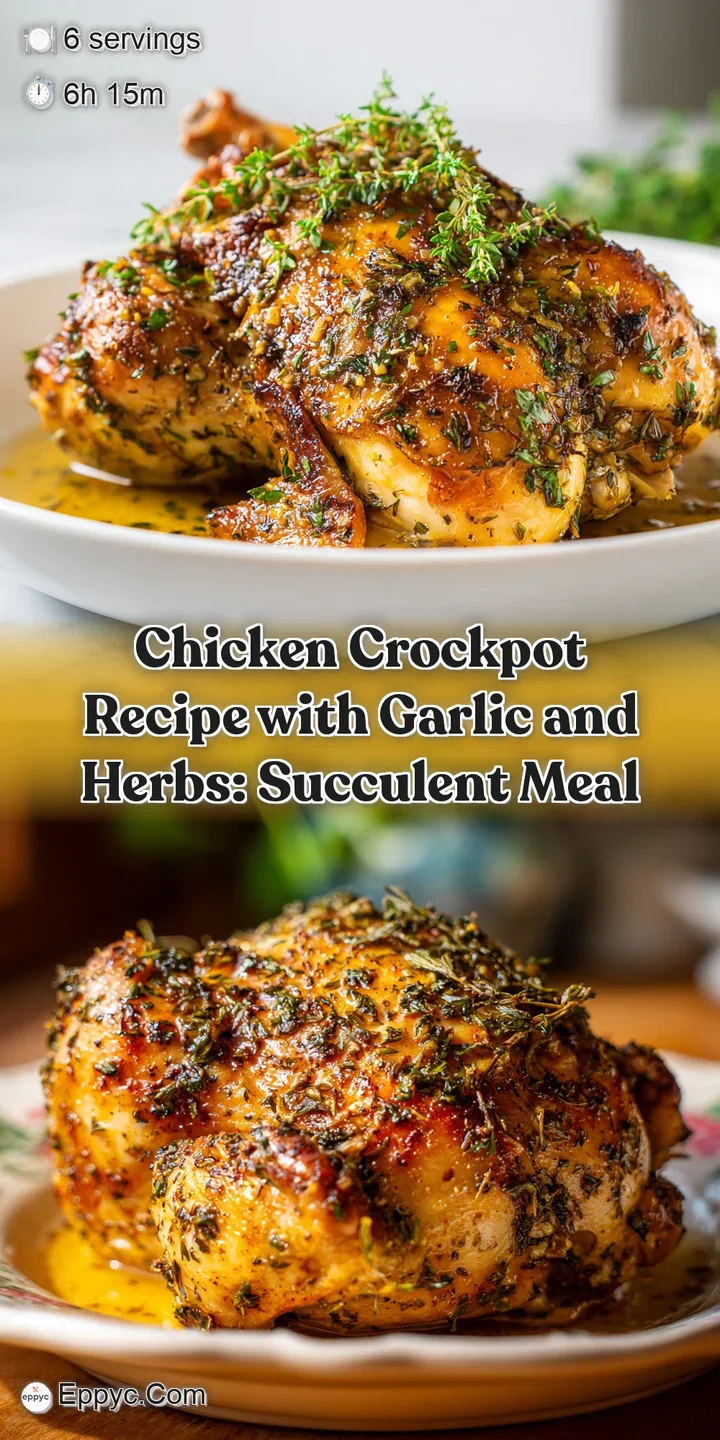
Chicken Crockpot Recipe with Garlic and Herbs: Succulent Meal
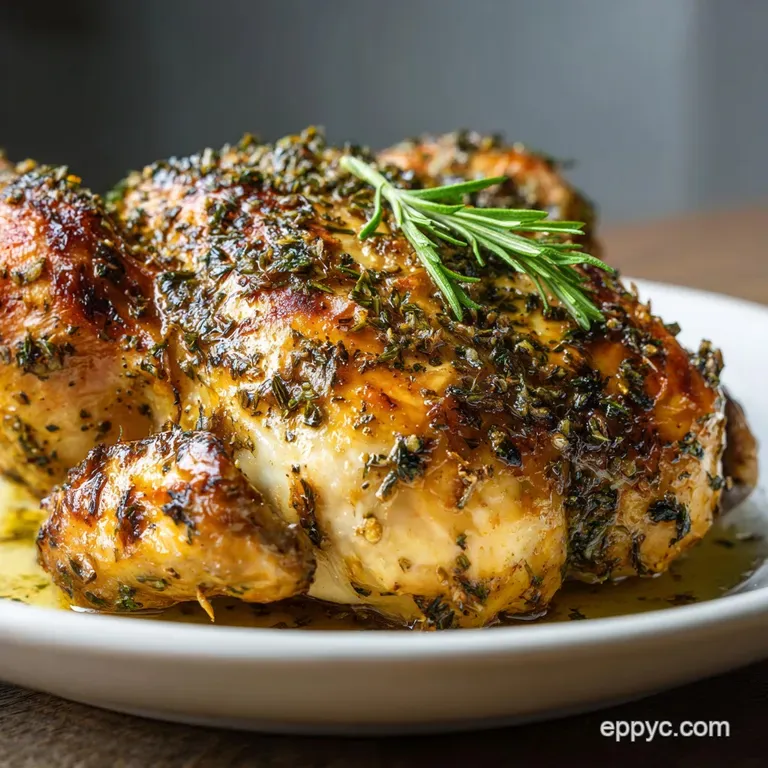
- Time: Active 15 minutes, Passive 6 hours, Total 6 hours 15 mins
- Flavor/Texture Hook: Succulent meat with velvety herb flecked potatoes
- Perfect for: Busy weeknight dinners or hands off weekend meal prep
- Making the Best Chicken Crockpot Recipe with Garlic and Herbs
- The Secret to Slow Cooked Poultry Succulence
- Component Analysis for Maximum Flavor Depth
- Selecting the Best Produce and Protein
- Digital Tools and Kitchen Essentials
- The Three Step Slow Cooking Execution
- Navigating Potential Slow Cooker Challenges
- Modifying Quantities for Different Groups
- Adapting Your Garlic Herb Base
- Guidelines for Proper Storage and Waste
- Complementary Dishes for Your Family Meal
- Recipe FAQs
- 📝 Recipe Card
Making the Best Chicken Crockpot Recipe with Garlic and Herbs
Imagine walking through your front door after a long day and being hit with the scent of roasted garlic and fresh rosemary. It is that specific, cozy aroma that makes a house feel like a home.
I remember my first attempt at a "dump and go" meal years ago, it was a watery, grey mess because I didn't understand how moisture behaves in a sealed environment. This chicken crockpot recipe with garlic and herbs creates a flavorful, effortless dinner that avoids those common pitfalls.
We are going for a result where the carrots are tender but not mushy, and the chicken literally slides off the bone with a gentle nudge of a fork. By using bone in, skin on thighs, we ensure the meat stays juicy through the long cook time, while the Yukon Gold potatoes soak up all those incredible juices.
You'll find that the addition of a little butter at the end creates a silky finish that makes the broth feel like a high end restaurant sauce.
Trust me, the secret is all in the layering and the herb blend. We're not just cooking food here, we're building layers of flavor that develop over six hours of gentle simmering. Let's get into why this method is a total winner for your kitchen rotation.
The Secret to Slow Cooked Poultry Succulence
- Collagen Breakdown: Cooking bone in thighs at a low temperature for 6 hours allows tough connective tissues to transform into gelatin, creating a silky mouthfeel.
- Thermal Buffering: Placing dense root vegetables like potatoes and carrots at the bottom protects the delicate chicken from direct heat, ensuring even cooking.
- Fat Emulsification: Adding cubed butter during the final minutes binds the watery bone broth with rendered chicken fat, resulting in a velvety sauce.
- Aromatic Infusion: The enclosed environment of the crockpot forces essential oils from the rosemary and thyme into the fibers of the meat.
| Chicken Thickness | Internal Temp | Rest Time | Visual Cue |
|---|---|---|---|
| 1.5 inch thighs | 175°F (80°C) | 5 minutes | Meat pulls easily from bone |
| 2 inch thighs | 175°F (80°C) | 8 minutes | Juices run completely clear |
| Large drumsticks | 180°F (82°C) | 5 minutes | Skin begins to retract from bone |
The higher internal temperature for thighs (compared to breasts) is intentional. While 165°F (74°C) is safe, taking thighs to 175°F (80°C) allows the collagen to fully melt, which is what gives slow cooked meat that specific, tender texture we love.
Component Analysis for Maximum Flavor Depth
| Ingredient | Science Role | Pro Secret |
|---|---|---|
| Bone in Thighs | Provides gelatin and fat | Keep the skin on for better moisture retention during the long simmer |
| Yukon Gold Potatoes | High starch content | These hold their shape better than Russets in a 6 hour cook |
| Fresh Garlic | Sulfuric flavor base | Smashing the cloves before mincing releases more allicin for a sharper bite |
| Lemon Juice | Acid balance | Adding this at the end brightens the heavy fats and "wakes up" the herbs |
Selecting the Best Produce and Protein
- 3 lbs bone in, skin on chicken thighs: Substitute with drumsticks if preferred. Why this? The bone provides structure and flavor that boneless cuts lack.
- 1.5 lbs baby Yukon Gold potatoes, halved: Substitute with red potatoes. Why this? They have a creamy texture that absorbs the garlic herb broth.
- 4 large carrots, peeled and cut into 2 inch chunks: Substitute with parsnips. Why this? Large chunks prevent them from turning into a puree.
- 1 large yellow onion, thick wedged: Substitute with shallots. Why this? Onions provide a sweet, foundational umami flavor once softened.
- 8 cloves fresh garlic, smashed and minced: Substitute with 2 tsp garlic powder in a pinch. Why this? Fresh garlic mellows into a sweet, nutty gold during slow cooking.
- 2 tbsp extra virgin olive oil: Substitute with avocado oil. Why this? Helps the herb rub stick to the chicken skin.
- 1 tbsp fresh rosemary, finely chopped: Substitute with 1 tsp dried rosemary. Why this? Rosemary provides a piney, earthy backbone to the dish.
- 1 tbsp fresh thyme leaves: Substitute with 1 tsp dried thyme. Why this? Thyme offers a subtle floral note that complements the poultry.
- 1 tsp dried oregano: Substitute with dried marjoram. Why this? Adds a savory, slightly bitter edge to balance the sweet carrots.
- 1.5 tsp sea salt: Substitute with kosher salt. Why this? Essential for drawing out the natural flavors of the vegetables.
- 1 tsp cracked black pepper: Substitute with white pepper. Why this? Provides a gentle heat that lingers on the palate.
- 0.5 cup low sodium chicken bone broth: Substitute with vegetable broth. Why this? Creates the necessary steam to cook the vegetables through.
- 1 tbsp fresh lemon juice: Substitute with white wine vinegar. Why this? The acidity cuts through the richness of the rendered fat.
- 2 tbsp salted butter, cubed: Substitute with ghee. Why this? Emulsifies the cooking liquid into a rich, spoonable sauce.
Digital Tools and Kitchen Essentials
You don't need a high tech lab, but a few specific tools make this much easier. A 6 quart slow cooker (like a Crock Pot or Hamilton Beach) is the standard size for this volume of food.
Using a digital meat thermometer is non negotiable for me, it is the only way to know the chicken is exactly where it needs to be without hacking it open and losing the juices.
I also recommend a sharp chef's knife for those carrots and potatoes. If the cuts are uneven, some will be mush while others are crunchy. A small mixing bowl for the herb rub is better than trying to season everything directly in the pot, as it ensures every inch of the chicken gets covered.
The Three Step Slow Cooking Execution
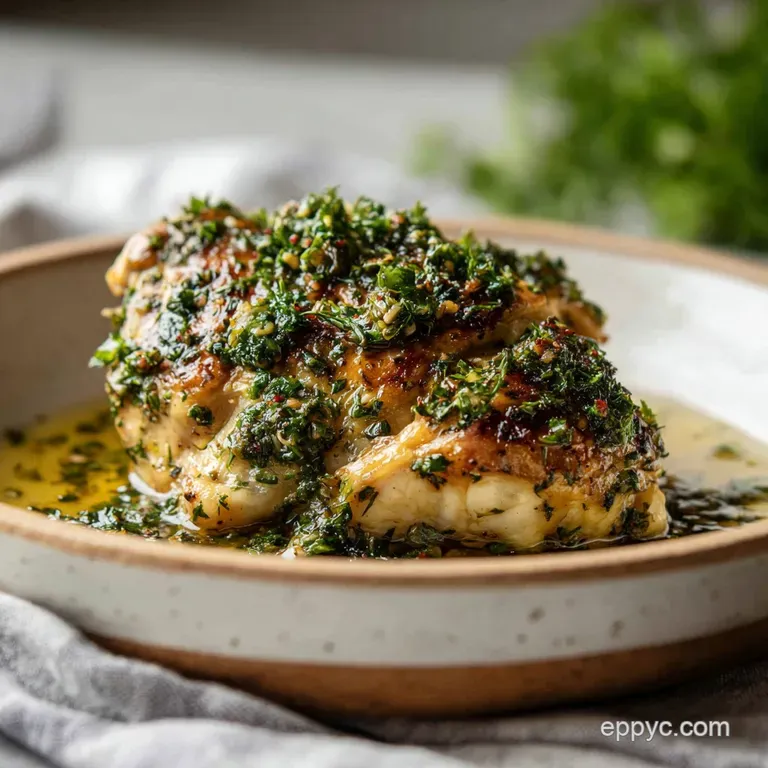
- Prepare the flavor base. Mix the olive oil, minced garlic, rosemary, thyme, oregano, salt, and pepper in a small bowl until it forms a thick paste.
- Season the poultry. Rub the garlic herb mixture all over the chicken thighs, making sure to get some under the skin for maximum flavor penetration.
- Layer the base. Place the halved potatoes, carrot chunks, and onion wedges into the bottom of the slow cooker.
- Add the liquid. Pour the 0.5 cup chicken bone broth over the vegetables, but try not to wash away the seasoning.
- Position the chicken. Nestled the seasoned chicken thighs on top of the vegetables in a single layer. Note: This allows the fat to drip down and season the veggies.
- Execute the simmer. Cover and cook on LOW for 6 hours until the chicken is tender and falling off the bone.
- Check the doneness. Ensure the internal temperature of the chicken has reached 175°F (80°C) with a digital thermometer.
- Brighten the sauce. Remove the chicken and vegetables to a platter, then stir the lemon juice and cubed butter into the remaining liquid until the butter melts and the sauce looks glossy.
- Serve and enjoy. Spoon the finished sauce over the chicken and vegetables before serving hot.
If you find yourself craving a different flavor profile later in the week, you can use the same slow cooking technique with my Savory Chicken Shawarma recipe for a Mediterranean twist.
Navigating Potential Slow Cooker Challenges
Why Your Sauce Is Thin
Slow cookers trap all the steam, meaning liquid doesn't evaporate like it does in an oven. If you add too much broth at the start, you'll end up with soup instead of a sauce. The butter at the end helps, but if it's still too thin, you can whisk in a teaspoon of cornstarch mixed with cold water and cook on high for 15 minutes.
Why Your Vegetables Are Mushy
This usually happens if you cut the carrots and potatoes too small. For a 6 hour cook, you need substantial chunks. If you prefer smaller veggies, don't add them until the halfway mark. Also, avoid using "baking" potatoes like Russets, as they lose their structure much faster than waxy Yukon Golds.
| Problem | Root Cause | Solution |
|---|---|---|
| Dry Chicken | Using boneless breasts | Switch to bone in thighs for better fat content |
| Bland Broth | Not enough salt/acid | Add an extra splash of lemon or a pinch of salt at the end |
| Rubbery Skin | Steam trapped in pot | Broil the chicken for 3 mins after slow cooking to crisp it |
Common Mistakes Checklist
- ✓ Always pat the chicken dry before applying the herb rub so it sticks.
- ✓ Resist the urge to lift the lid; every time you do, you lose 15-20 minutes of heat.
- ✓ Don't skip the onion wedges; they provide the moisture needed to keep the chicken from burning.
- ✓ Use low sodium broth to prevent the finished sauce from becoming overly salty as it reduces.
- ✓ Ensure the potatoes are at the very bottom where the heat is most intense.
Modifying Quantities for Different Groups
If you want to cut this recipe in half for a smaller 3 quart slow cooker, use 1.5 lbs of chicken and reduce the broth to 1/4 cup. The cooking time usually stays the same because the thermal mass of the pot itself dictates the speed.
Just make sure you still use a whole egg's worth of yolk if you're making a side sauce, or just use half the butter.
For those doubling the recipe for a crowd, you'll need a large 8 quart slow cooker. Don't double the broth! Only increase it by about 25%, as the extra chicken will release significantly more moisture.
You may also need to increase the salt and herbs to 1.5x the original amount, but avoid a full 2x increase to prevent the flavor from becoming overwhelming.
| Fresh Ingredients | Shortcut Alternative | Flavor Impact |
|---|---|---|
| Fresh Rosemary/Thyme | Dried Herbs | Less vibrant, more concentrated earthy flavor |
| Whole Carrots | Bagged Baby Carrots | Sweeter but can become mushier faster |
| Smashed Garlic | Jarred Minced Garlic | Less "bite" and a slightly acidic/pickled aftertaste |
Adapting Your Garlic Herb Base
- Mediterranean Influence: Swap the rosemary for extra oregano and add a handful of Kalamata olives and sun dried tomatoes in the last hour.
- The Garlic Butter Twist: Double the butter and add 4 extra cloves of roasted garlic mashed into a paste for a richer, heavier sauce.
- Spicy Herb Variation: Add a teaspoon of red pepper flakes to the rub and swap the lemon juice for lime juice for a zingy, hot finish.
Guidelines for Proper Storage and Waste
You can store the leftovers in an airtight container in the fridge for up to 4 days. The flavors actually meld and improve overnight, making the second day even better. To reheat, I suggest a low heat in a covered skillet with a splash of water to keep the chicken from drying out.
If you want to freeze this, do it without the potatoes. Cooked potatoes tend to get a grainy, unpleasant texture after being frozen and thawed. Freeze just the chicken and carrots in the sauce for up to 3 months.
For zero waste, save your onion skins and carrot peels in a bag in the freezer to make homemade stock later.
Complementary Dishes for Your Family Meal
This meal is quite hearty on its own, but a crisp green salad with a light vinaigrette really balances the richness of the garlic butter sauce. If you have extra sauce in the pot, it's also brilliant served over some crusty bread or even a simple bowl of polenta.
If you enjoy the bright, acidic notes of the lemon in this dish, you will absolutely love the flavor profile of my Classic Chicken Francaise Recipe. It uses similar citrus elements but with a different stovetop technique that results in a silky, egg battered finish. Planning your meals around similar flavor profiles like these makes grocery shopping much more efficient!
Recipe FAQs
What is the best cut of chicken for this slow cooker recipe?
Bone-in, skin-on chicken thighs are recommended. The higher fat content and connective tissue in the thighs remain moist over the 6-hour cooking time and provide the necessary gelatin for a flavorful sauce.
How do I prevent the sauce from being too watery?
Do not add extra liquid beyond the specified broth amount. Slow cookers seal in moisture; the cubed butter and lemon juice stirred in at the end are crucial for emulsifying the rendered fat into a velvety sauce.
What internal temperature should the chicken reach before serving?
Cook thighs to an internal temperature of 175°F (80°C). While 165°F is safe, this slightly higher temperature ensures that the connective tissues fully break down, resulting in that desired, fork tender texture.
How to correctly layer the ingredients in the crockpot?
Place the hard root vegetables, like carrots and potatoes, at the very bottom first. This insulates the chicken from direct heat and allows the vegetables to absorb the seasoned chicken drippings that fall through.
Is it true that using dried herbs yields the same flavor as fresh herbs?
No, dried herbs provide a different, more earthy flavor profile than fresh. Fresh rosemary and thyme offer vibrant essential oils that infuse better during the slow cooking process, though dried can be substituted at a lower volume.
How long can I safely cook this recipe if I need to leave it longer than 6 hours?
You can safely cook on LOW for up to 8 hours. If you suspect you will go over 8 hours, it is best to reduce the heat to the "Keep Warm" setting for the final hour to prevent the meat from becoming stringy.
What is the best way to crisp the chicken skin after slow cooking?
Remove the chicken, place it on a baking sheet, and broil for 3 to 5 minutes. Watch it constantly, as the skin is already cooked and only needs high heat to quickly render remaining fat and achieve crispness.
Garlic Herb Crockpot Chicken
Ingredients:
Instructions:
Nutrition Facts:
| Calories | 534 kcal |
|---|---|
| Protein | 31.2 g |
| Fat | 32.4 g |
| Carbs | 28.5 g |
| Fiber | 3.8 g |
| Sugar | 3.4 g |
| Sodium | 668 mg |
