Garlic Parmesan Potato Wedges
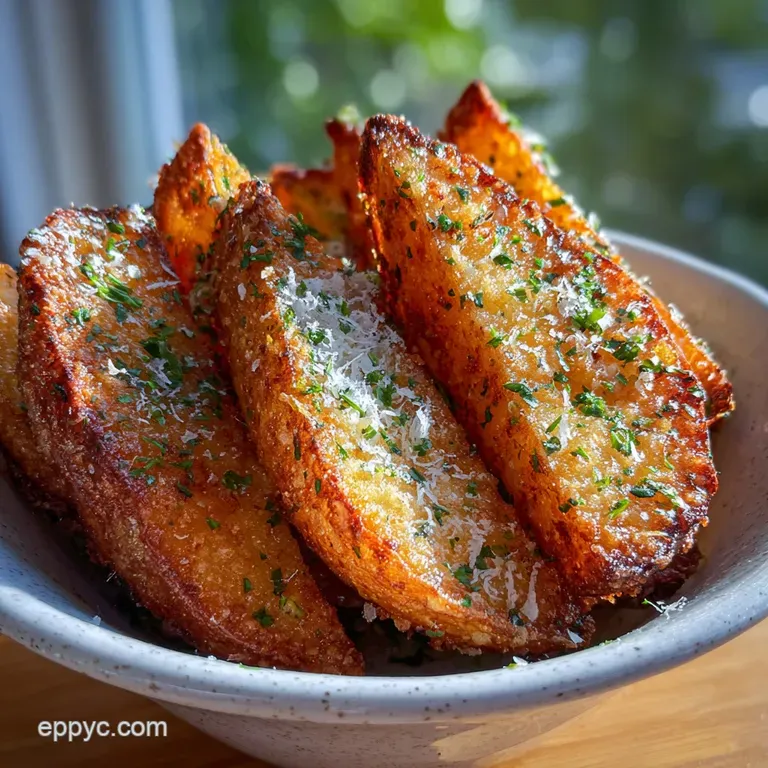
- Time: Active 15 minutes, Passive 25 minutes, Total 40 minutes
- Flavor/Texture Hook: Shattering Parmesan crust with a velvety interior
- Perfect for: Game day snacks or a high end steakhouse side at home
- Achieving the Perfect Shattering Garlic Parmesan Potato Wedges
- The Essential Culinary Science Behind Extreme Crunch
- Component Analysis of the Essential Spud
- Sourcing High Quality Ingredients for Your Potato Base
- Essential Kitchen Equipment for Uniform Cooking Results
- Detailed Culinary Steps for Preparing Crispy Potato Wedges
- Professional Troubleshooting and Avoiding Common Kitchen Pitfalls
- Creative Customizations and Exciting Flavor Profile Variations
- Debunking Traditional Potato Myths
- Effective Storage Solutions and Zero Waste Kitchen Tips
- Serving Suggestions and Creative Dipping Sauce Pairings
- Recipe FAQs
- 📝 Recipe Card
Achieving the Perfect Shattering Garlic Parmesan Potato Wedges
The first time I pulled a tray of these out of the oven, the sizzle was actually audible from the next room. I remember standing over the counter, burning my tongue because I couldn't wait three minutes for them to cool, listening to that distinctive "crack" as I bit into the first one.
It wasn't just a potato; it was a texture experience that felt like it belonged in a restaurant with white tablecloths, not my cramped kitchen with the temperamental oven.
We’ve all been there making soggy, limp fries that just soak up oil and leave you disappointed. I spent months obsessing over why mine weren't as crispy as the ones at the local pub until I realized I was missing the "dry surface" rule.
This Garlic Parmesan Potato Wedges recipe isn't about luck; it's about a few technological tweaks in how we handle starch and moisture to empower your weeknight side dish game.
You'll find that the aroma of the fresh garlic hit at the end is what really sets this apart. We aren't just tossing things in a bowl and hoping for the best. We’re using a specific sequence of seasoning and heat to ensure the cheese bonds to the potato rather than sliding off onto the parchment paper.
Trust me, once you see that golden, lacy Parmesan crust, you'll never go back to frozen bags again.
The Essential Culinary Science Behind Extreme Crunch
Amylose Retrogradation: By using Russet potatoes, we tap into high starch content that dehydrates rapidly in heat, creating a rigid, crystalline structure on the surface.
Surface Area Expansion: The cornstarch creates a microscopic, uneven film that increases the surface area, allowing more oil to bubble and "fry" the exterior while it bakes.
| Servings | Potato Amount | Cheese Adjustment | Total Cook Time |
|---|---|---|---|
| 2 People | 0.75 lbs (2 large) | 0.25 cup | 22 minutes |
| 4 People | 1.5 lbs (4 large) | 0.5 cup | 25 minutes |
| 8 People | 3 lbs (8 large) | 1 cup (2 trays) | 30 minutes |
If you are looking to round out a full meal, these wedges are the ultimate companion to my How to Make recipe which uses a similar cheese bonding technique for poultry. The synergy between the two creates a cohesive, high texture dinner that feels incredibly intentional.
Component Analysis of the Essential Spud
| Ingredient | Science Role | Pro Secret |
|---|---|---|
| Russet Potatoes | High starch, low moisture | Always pick the ones that feel heavy and have dusty, dry skins for the best fluff. |
| Cornstarch | Moisture absorber | It acts as a "glue" for the spices and creates a glass like crunch that flour can't match. |
| Parmesan Cheese | Umami rich fat | Use the "dust" style finely grated cheese; it covers more surface area than long shreds. |
Sourcing high-quality Ingredients for Your Potato Base
- 1.5 lbs Russet Potatoes: Use 3-4 large ones. Why this? Russets have the highest starch to water ratio, essential for a non soggy interior.
- Substitute: Yukon Gold Potatoes. Note: They will be creamier but less "shattering" on the outside.
- 2 tbsp Olive Oil: Provides the medium for heat transfer.
- Substitute: Avocado oil for an even higher smoke point.
- 1 tsp Cornstarch: The secret to that dry, crispy shell.
- Substitute: Potato starch or arrowroot powder.
- 1.5 tsp Garlic Powder: Provides a baseline savory note that survives high heat.
- 0.5 tsp Smoked Paprika: Adds color and a hint of wood fired depth.
- 0.5 tsp Kosher Salt: Enhances all other flavors.
- 0.25 tsp Cracked Black Pepper: Use freshly cracked for a floral bite.
- 0.5 cup Parmesan Cheese: Finely grated and divided.
- 1 tbsp Unsalted Butter: Melted for the finishing glaze.
- 2 cloves Fresh Garlic: Microplaned for a potent, fresh finish.
- 1 tbsp Fresh Parsley: Brightens the heavy fats.
Essential Kitchen Equipment for Uniform Cooking Results
You don't need a digital lab to make these, but a heavy duty rimmed baking sheet is non negotiable. If your pan is thin, it will warp at 425°F, causing your oil to pool in one corner and leaving half your Garlic Parmesan Potato Wedges steaming rather than roasting.
I also swear by using a Microplane for the fresh garlic; you want it to be a paste so it distributes evenly in the butter without leaving you with a mouthful of raw chunks.
A large stainless steel bowl is also your best friend here. You need enough room to vigorously toss the potatoes so every single wedge is evenly coated in that cornstarch oil emulsion. If the bowl is too small, the starch clumps, and you'll end up with white spots on your finished potatoes.
It's a simple tool, but it empowers you to get that professional, uniform look.
Detailed Culinary Steps for Preparing Crispy Potato Wedges
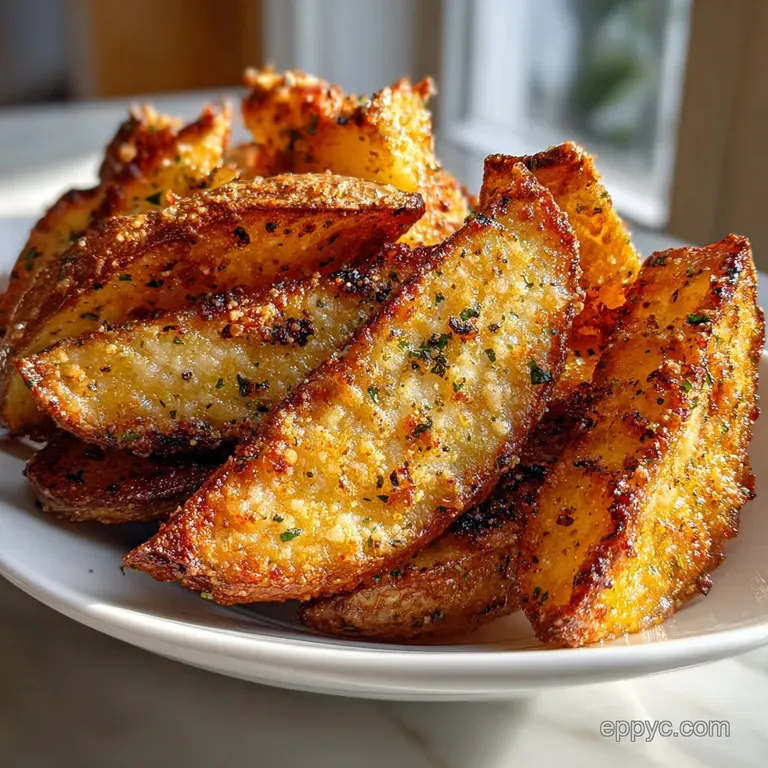
- Prep the spuds. Scrub 1.5 lbs Russet potatoes and cut them into 1 inch thick wedges. Note: Keep them uniform so they cook at the exact same rate.
- Dry thoroughly. Pat the wedges with a lint free kitchen towel until the skins feel tacky and matte.
- Create the emulsion. In a large bowl, whisk 2 tbsp olive oil with 1 tsp cornstarch and all dry spices.
- Toss for coverage. Add the potatoes to the bowl and shake until every crevice is coated in a thin, orange tinted film.
- Apply the first cheese layer. Sprinkle 0.25 cup of the Parmesan over the wedges and toss again.
- Arrange for airflow. Place wedges on a parchment lined tray, skin side down, ensuring at least half an inch of space between each.
- Roast at high heat. Bake at 425°F for 20 minutes until the edges look dark gold and the cheese smells toasted.
- Flip and finish. Flip the wedges and bake for another 5 minutes until they sound hollow when tapped with a fork.
- Prepare the flavor bomb. Whisk 1 tbsp melted butter with 2 microplaned garlic cloves and 1 tbsp parsley.
- Infuse the aromatics. Toss the hot wedges in a clean bowl with the garlic butter and the remaining 0.25 cup Parmesan until the cheese melts into a lacy crust.
Professional Troubleshooting and Avoiding Common Kitchen Pitfalls
Why Your Wedges Are Soft
If your potatoes come out limp, it's almost always a moisture issue. If you didn't pat the potatoes dry after cutting, the surface water turns to steam in the oven, which prevents the Maillard reaction from occurring.
Also, check your oven temp; many home ovens run 25 degrees cold, which is the difference between "roasted" and "steamed."
Why The Cheese Burnt
Finely grated Parmesan has a low burn point. If you add all the cheese at the very beginning and roast for 25 minutes, it will turn bitter and black. That's why we divide the cheese, using half for a structural base and the other half at the end to provide that fresh, sharp flavor.
| Problem | Root Cause | Solution |
|---|---|---|
| Wedges stick to pan | Not enough oil or no parchment | Use parchment paper and ensure wedges are fully coated in oil. |
| Bitter garlic flavor | Burnt fresh garlic | Only add fresh garlic at the very end with the butter glaze. |
| Floury texture | Too much cornstarch | Sift the starch over the oil to avoid clumps during the tossing phase. |
Common Mistakes Checklist
- ✓ Never crowd the pan; use two trays if necessary to allow air circulation.
- ✓ Don't skip the cornstarch; it's the bridge between a potato and a "shatter crisp" wedge.
- ✓ Avoid pre grated cheese in a can; the anti caking agents prevent it from melting properly.
- ✓ Preheat your baking sheet for 5 minutes before adding the potatoes for an extra jump start.
- ✓ Let the wedges sit on the hot pan for 2 minutes after taking them out to "set" the crust.
Creative Customizations and Exciting Flavor Profile Variations
If you want to dial back the intensity, you can always pivot to something more traditional. I find that when people want a softer, more "homestyle" feel, they often prefer a Silky Smooth How recipe which offers that same buttery garlic comfort but in a completely different format.
- For a Spicy Kick: Add 0.5 tsp of cayenne pepper and a dash of red pepper flakes to the initial spice mix.
- For a Vegan Swap: Replace the butter with a high-quality vegan buttery spread and use nutritional yeast in place of the Parmesan.
- Truffle Twist: Swap the olive oil for truffle infused oil and finish with a sprinkle of truffle salt instead of kosher salt.
Scaling Down (1-2 servings): Use a smaller toaster oven pan but keep the temperature the same. Reduce the bake time by about 5 minutes as smaller loads tend to cook faster.
Scaling Up (8+ servings): You must use two separate baking sheets. If you pile the potatoes onto one tray, they will steam and become mushy. Rotate the trays halfway through the cooking time to account for oven hot spots.
| Fresh Garlic | Jarred Minced Garlic | Flavor Impact |
|---|---|---|
| Pungent, bright, spicy | Mellow, slightly metallic | Fresh provides the "high notes" that cut through the fat. |
| Microplaned paste | Chunky pieces | Paste bonds to the butter for better coverage. |
Debunking Traditional Potato Myths
Many people believe you must soak potatoes in cold water for hours to remove starch. While this helps for deep frying, for baked Garlic Parmesan Potato Wedges, we actually want that surface starch to stay put! It reacts with the cornstarch and oil to create the crust.
Soaking often introduces too much internal moisture for a 25 minute bake.
Another myth is that more oil equals more crunch. In reality, too much oil leads to "grease soaking." The potato becomes heavy and saturated rather than crisp. You only need just enough oil to create a thin sheen that allows the heat to conduct evenly across the surface of the wedge.
Effective Storage Solutions and Zero Waste Kitchen Tips
Storage Guidelines: Store any leftovers in an airtight glass container in the fridge for up to 3 days. To reheat, avoid the microwave at all costs it will turn your beautiful wedges into rubber.
Instead, pop them back into a 400°F oven or an air fryer for 5 minutes. This "recrisps" the fats and the cheese.
Zero Waste Tips: Don't toss those potato peels if you decide to peel them (though I recommend leaving them on!). You can toss the skins with a bit of oil and salt and bake them at the same time to create "potato skin chips." Also, if you have leftover garlic butter, it's a heartfelt addition to a piece of toast the next morning.
Serving Suggestions and Creative Dipping Sauce Pairings
These wedges are bold enough to stand alone, but they truly shine when paired with a dipping duo that offers some acidity. A simple lemon aioli (mayonnaise, lemon juice, and a pinch of salt) cuts right through the richness of the Parmesan and butter.
If you're feeling adventurous, a spicy marinara turns these into a sort of "pizza wedge" hybrid that kids absolutely adore.
For a classic pairing, serve these alongside a pan seared steak or a roasted chicken. Because they take about 40 minutes total, you can usually get your main protein prepped and cooked in the window while the potatoes are doing their over high heat transformation in the oven.
It's a digital era workflow for a heartfelt, analog meal. Enjoy the crunch!
Frequently Asked Questions
Why are my wedges not getting crispy? The most common culprit is overcrowding the pan. If the wedges are touching, they release steam that softens their neighbors. Ensure they have "personal space" on the baking sheet to allow the hot air to circulate and dehydrate the skin.
Can I make these in an air fryer? Yes! Set your air fryer to 400°F and cook for 15-18 minutes, shaking the basket halfway through. Follow the same finishing steps with the garlic butter and remaining cheese in a bowl once they are done.
What is the best potato for wedges? Russets are king. Their high starch content creates the fluffiest interior and the sturdiest exterior. Yukon Golds are a decent second choice but will yield a waxier, softer result.
Do I need to peel the potatoes? I don't recommend it. The skin provides structural integrity and adds an extra layer of texture. Just be sure to scrub them well to remove any dirt.
Can I use pre grated Parmesan? Avoid the stuff in the green can. It contains cellulose to prevent clumping, which also prevents it from melting into that beautiful, lacy crust we’re looking for. Grate it yourself or buy the refrigerated "finely shredded" version.

Recipe FAQs
What is the key to getting the crispiest crust on baked wedges?
Use cornstarch. Toss the raw wedges with a small amount of cornstarch along with the oil; this absorbs surface moisture and creates a glassy shell during baking.
Should I add the fresh garlic before or after baking?
Add fresh garlic after baking. Mixing microplaned fresh garlic into melted butter and tossing the hot wedges in it preserves its pungent flavor without burning the cloves in the oven.
How to avoid the cheese sliding off the potatoes during roasting?
Divide the Parmesan application. Toss half the cheese with the potatoes before roasting to help it adhere structurally, and reserve the second half to toss on hot out of the oven with the butter for maximum flavor.
Is it true that I must soak the cut potatoes in water first?
No, soaking is counterproductive here. Since we are aiming for a crispy exterior using starch activation, soaking introduces excess moisture that fights the dehydration process needed for crunch.
How to scale this recipe for a larger party without sacrificing texture?
Use multiple baking sheets. Never crowd the pan; if you pile them too closely, the steam gets trapped, and they will steam instead of roast. This technique is similar to managing heat transfer when you are trying to master a How to Make recipe.
What is the best way to reheat leftover wedges to restore crispness?
Use dry heat, avoid the microwave. Place leftovers on a wire rack set over a baking sheet and reheat at 400°F for 5-7 minutes to re-crisp the exterior without making them soggy.
Can I substitute Russet potatoes with another variety?
Yes, but expect a texture shift. Yukon Golds will yield a creamier interior but lack the sturdy structure of Russets, meaning they may flatten slightly more during baking.
Garlic Parmesan Potato Wedges
Ingredients:
Instructions:
Nutrition Facts:
| Calories | 266 kcal |
|---|---|
| Protein | 7.4 g |
| Fat | 13.2 g |
| Carbs | 31.4 g |
| Fiber | 3.8 g |
| Sugar | 1.2 g |
| Sodium | 495 mg |
