Authentic Greek Lemon Chicken and Potatoes
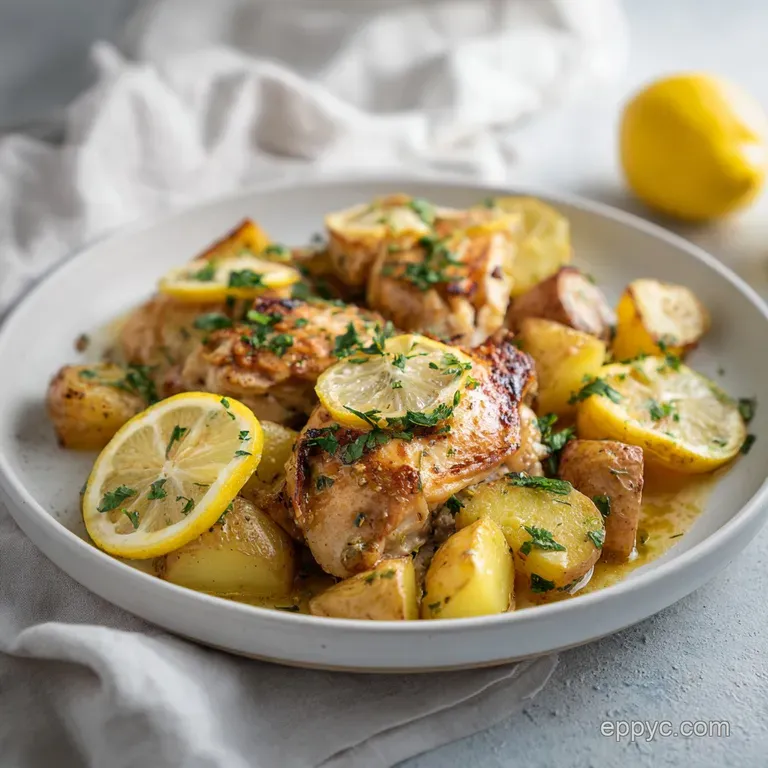
- Time: Active 15 minutes, Passive 35 minutes, Total 50 mins
- Flavor/Texture Hook: Tangy, citrusy chicken with a shatter crisp skin
- Perfect for: Stress free weeknight dinners or casual Sunday hosting
- The Ultimate Greek Lemon Chicken Recipe
- What Makes This Dish Incredible
- Understanding The Recipe Specifications
- Picking The Right Building Blocks
- Tools For A Perfect Roast
- Bringing All The Flavors Together
- Practical Troubleshooting For Success
- Simple Ingredient Swaps To Try
- Storing And Reheating Your Leftovers
- Simple Serving Suggestions For Dinner
- High in Sodium
- Recipe FAQs
- 📝 Recipe Card
The Ultimate Greek Lemon Chicken Recipe
I still remember the first time I tried to make Greek Lemon Chicken for a group of friends. I thought I could just toss everything in a pan and hope for the best. I ended up with soggy skin and potatoes that tasted like raw lemon juice.
It was a disaster, but it taught me everything about how heat and acid actually play together in the oven.
The secret I found wasn't in some fancy spice blend, it was about the emulsion. When you whisk that lemon juice and olive oil with a bit of mustard, it changes the whole chemistry of the dish. You get this silky sauce that clings to the chicken rather than just puddling at the bottom of the pan.
It's the difference between a "meh" dinner and one where everyone is fighting over the last potato wedge.
You'll love how the house smells while this roasts. It's that classic Mediterranean mix of charred oregano, roasted garlic, and bright citrus. This isn't just another chicken recipe, it's the one I pull out when I want maximum flavor with about 15 minutes of actual work.
Trust me, once you see that skin turn golden and crackling, you'll never go back to plain roasted chicken again.
What Makes This Dish Incredible
The Acid Starch Bond: Lemon juice breaks down the pectin in the Yukon Gold potatoes, which allows them to soften into a velvety texture without falling apart during the over high heat roast.
Maillard Reaction Timing: The natural sugars in the red onion and the lemon juice caramelize against the high fat content of the chicken skin, creating a deep, savory crust.
Emulsion Stability: Using Dijon mustard as a stabilizer keeps the marinade from separating, ensuring the garlic and oregano stay pinned to the protein throughout the 35 minutes of cooking.
| Chicken Thickness | Internal Temp | Rest Time | Visual Cue |
|---|---|---|---|
| 1 inch (standard) | 165°F (74°C) | 5 mins | Juices run completely clear |
| 1.5 inches (thick) | 165°F (74°C) | 8 mins | Skin is deeply bronzed |
| 0.5 inch (thin) | 165°F (74°C) | 3 mins | Meat feels firm to touch |
Getting the temperature right is the biggest hurdle for home cooks, but bone in thighs are incredibly forgiving. They stay juicy even if you go a few degrees over, unlike breasts which turn to sawdust if you look at them wrong.
Understanding The Recipe Specifications
1. The Emulsified Marinade Secret
Most people just pour oil and lemon over the meat. We aren't doing that. By whisking the 1/2 cup fresh lemon juice into the 1/3 cup extra virgin olive oil with the mustard, we create a thick "liquid gold" that bakes into a glaze.
2. over High heat Starch Searing
We're roasting at 400°F (200°C) because that's the sweet spot. It's hot enough to make the skin shatter when you bite it, but slow enough that the 1.5 lbs of Yukon Gold potatoes cook through to the center at the exact same time the chicken hits its target temp.
3. Bone In Moisture Retention
I always use bone in, skin on thighs for this Greek Lemon Chicken. The bone acts as an insulator, cooking the meat from the inside out and keeping things silky. If you're looking for a different technique, you might like the method in this How to Make recipe for crispy parmesan chicken.
| Ingredient | Science Role | Pro Secret |
|---|---|---|
| Lemon Juice | Denatures protein | Use fresh only; bottled is too metallic |
| Yukon Golds | High starch content | Cut into uniform 1 inch wedges for even cooking |
| Greek Oregano | Oil soluble aromatics | Rub between palms to "wake up" the dried leaves |
Picking The Right Building Blocks
For the Chicken and Potatoes
- 2 lbs bone in, skin on chicken thighs: The fat in the skin is non negotiable for flavor.
- 1.5 lbs Yukon Gold potatoes: Why this? They hold their shape better than Russets when bathed in acidic lemon juice.
- 1 large red onion: Cut into thick petals so they don't burn before the chicken is done.
The Vibrancy Emulsion (Marinade)
- 1/3 cup extra virgin olive oil: Use the good stuff here; the flavor really shines through.
- 1/2 cup fresh lemon juice: This provides the "zing" that defines the dish.
- 6 cloves garlic, minced: Don't use the jarred stuff; fresh garlic is essential.
- 2 tbsp dried Greek oregano: Look for the kind still on the branch if you can find it.
- 1.5 tsp sea salt & 1 tsp black pepper: Essential for drawing out the meat's juices.
- 1 tsp Dijon mustard: Why this? It acts as the glue that keeps the marinade from sliding off the skin.
Tools For A Perfect Roast
You don't need a lot of tech for this, but a heavy duty rimmed baking sheet or a large cast iron skillet is your best friend. I prefer a metal pan over glass because metal transfers heat much faster, which is how we get those crispy, dark edges on the potatoes.
A glass 9x13 dish tends to steam the food rather than roast it.
A good whisk is also key for the marinade. You want to beat that oil and lemon juice until it's slightly opaque and thickened. If you're into Italian style prep, this process is quite similar to the base of a Classic Chicken Piccata Recipe, where the lemon butter balance is everything.
Chef's Tip: Freeze your lemon for 10 minutes before juicing. It breaks down the internal membranes, letting you squeeze out every single drop of juice with half the effort.
Bringing All The Flavors Together
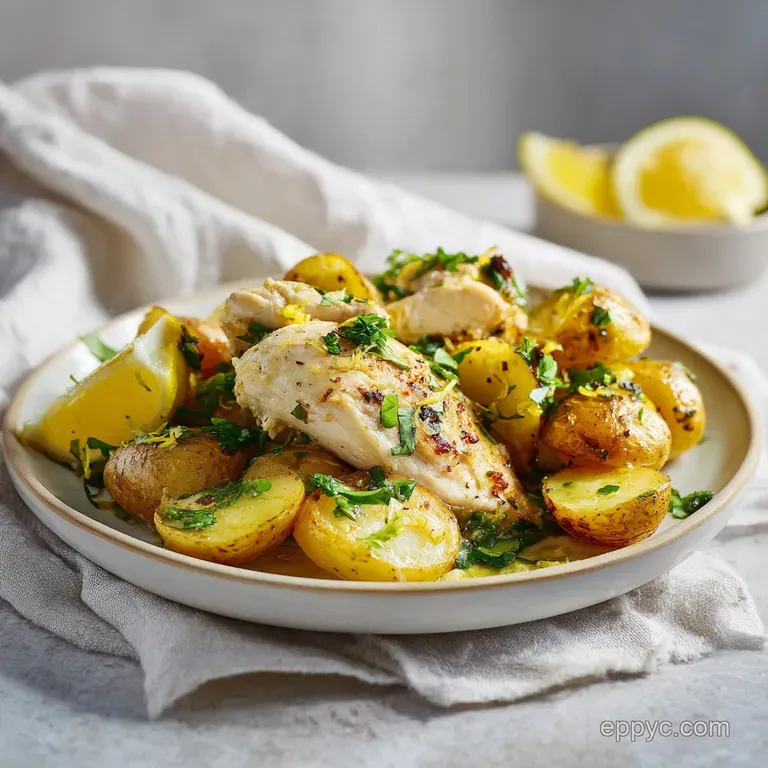
1. The over High heat Prep
Preheat your oven to 400°F (200°C). Grab a large rimmed baking sheet. If you want an easier cleanup, you can line it with parchment, but roasting directly on the metal gives the best potato crust.
2. Create the Emulsion
In a medium bowl, whisk the olive oil, lemon juice, minced garlic, oregano, salt, pepper, and Dijon mustard. Whisk vigorously for about 30 seconds until the mixture looks creamy and unified.
3. The One Pan Assembly
Place the chicken thighs, potato wedges, and onion petals directly onto the pan. Pour the marinade over everything. Use your hands to toss it all together, making sure every single potato and every inch of chicken is coated.
4. The Roasting Phase
Arrange the chicken skin side up. Make sure the potatoes aren't piled on top of each other. Slide the pan into the oven and roast for 35 minutes. Cook until the chicken skin is dark gold and the potatoes are tender when pierced with a fork.
5. The Finishing Glaze
Halfway through, around the 18 minute mark, use a spoon to baste the chicken with the juices collecting in the pan. This helps build that deep, lacquered color we're looking for.
Practical Troubleshooting For Success
Why Your Potatoes Stay Hard
If your potatoes are still crunchy after 35 minutes, it's usually because they were cut too thick or the oven wasn't fully preheated. Acid (lemon juice) can actually keep potatoes firm, so if they're particularly stubborn, you can cover the pan with foil for the first 15 minutes to trap steam, then uncover to crisp.
Why Your Chicken Skin Is Pale
Pale skin is the result of too much moisture. If you didn't pat the chicken dry before adding the marinade, or if you overcrowded the pan, the chicken will steam instead of roast. Space everything out so the hot air can circulate around each piece of meat.
| Problem | Root Cause | Solution |
|---|---|---|
| Bitter Aftertaste | Burned garlic | Ensure garlic is tucked under chicken or potatoes |
| Greasy Sauce | Poor emulsion | Whisk mustard and oil longer before pouring |
| Soggy Potatoes | Overcrowded pan | Use a larger sheet or two separate pans |
Common Mistakes Checklist ✓ Pat the chicken thighs completely dry with paper towels before marinating. ✓ Don't skip the Dijon mustard; it’s the secret to the sauce’s texture. ✓ Ensure the oven is at full temperature before the pan goes in.
✓ Arrange the potatoes in a single layer to ensure they roast, not steam. ✓ Let the chicken rest for at least 5 minutes after pulling it from the oven.
Simple Ingredient Swaps To Try
If you can't find Yukon Golds, Red Bliss potatoes are a great second choice because they stay waxy and firm. I'd avoid Russets unless you're in a pinch, as they tend to soak up too much liquid and turn into mashed potato mush in the pan.
For the chicken, if thighs aren't your thing, you can use drumsticks or even a whole broken down chicken. Just keep in mind that different parts cook at different speeds. If you use breasts, add them to the pan 10 minutes after the potatoes start, or they'll be dry as a bone by the time the spuds are ready.
| Original Ingredient | Substitute | Why It Works |
|---|---|---|
| Yukon Gold Potatoes | Red Bliss Potatoes | Similar waxy texture that holds shape. |
| Chicken Thighs | Chicken Drumsticks | Same fat content and cook time. |
| Dried Oregano | Fresh Thyme | Different herb profile but handles heat well. |
- For extra crunch
- Toss the potatoes in a tablespoon of cornstarch before adding the liquid marinade.
- For a spicy kick
- Add a teaspoon of red pepper flakes to the emulsion.
- For a deeper flavor
- Marinate the chicken (but not the potatoes) for 2 hours before roasting.
Storing And Reheating Your Leftovers
This dish actually tastes better the next day because the potatoes keep soaking up that lemon garlic goodness. Store everything in an airtight container in the fridge for up to 4 days. I don't recommend freezing this, as roasted potatoes often get a grainy, unpleasant texture once thawed and reheated.
To reheat, avoid the microwave if you want to keep the skin crispy. Put everything back on a baking sheet and pop it into a 350°F (180°C) oven for about 10 minutes. It’ll sizzle right back to life.
For a zero waste tip, take any leftover chicken and onions, shred them, and toss them into a salad or a wrap the next day.
Simple Serving Suggestions For Dinner
I love serving this with a big hunk of crusty bread to soak up all the extra lemon oil from the bottom of the pan. A simple Greek salad with some salty feta and kalamata olives provides a nice cool contrast to the hot, roasted chicken.
Honestly, it's a complete meal on its own, but a side of steamed green beans or asparagus never hurts.
If you’re feeling fancy, top the whole tray with a handful of fresh parsley and some extra lemon wedges right before bringing it to the table. It adds a pop of color and a final hit of freshness that cuts through the richness of the chicken fat. It's heartfelt, simple, and always a crowd pleaser.
Myths about roasting chicken: Searing the meat first does not "lock in juices." It only adds color. Since we’re roasting at 400°F, we get plenty of color without the extra step of pan searing.
Also, you don't need to wash your chicken; it actually spreads bacteria around your sink. Just pat it dry and you're good to go.
High in Sodium
945 mg 945 mg of sodium per serving (41% 41% of daily value)
The American Heart Association recommends a daily limit of no more than 2,300 mg, with an ideal limit of 1,500 mg for most adults.
Sodium Reduction Strategies for Greek Roasted Chicken
-
Reduce Added Sea Salt-25%
Cut the 1.5 tsp of sea salt down to 1/2 tsp; use citrus and acidity to enhance the natural flavors of the chicken and potatoes instead.
-
Swap the Dijon Mustard-5%
Replace the 1 tsp of Dijon mustard with dry mustard powder to maintain the tangy bite without the hidden sodium found in prepared condiments.
-
Choose Air-Chilled Chicken-5%
Select chicken thighs that are not 'enhanced' with saline solution or broth injections, which can significantly lower the base sodium content of the meat.
-
Amplify Herb Profiles
Increase the dried Greek oregano to 3 tbsp and add fresh rosemary or thyme to provide a deep, savory aroma that compensates for less salt.
Recipe FAQs
What is a Greek lemon chicken?
It is a roast dish featuring chicken (usually bone-in thighs) baked with potatoes and onion in a highly acidic, emulsified marinade. The defining characteristics are the intense, bright lemon flavor and the potatoes which become velvety soft from absorbing the sauce.
What's the secret to juicy Greek chicken?
Use bone-in, skin-on chicken thighs and ensure you rest the meat for 5 minutes post roast. The bone insulates the meat, preventing it from drying out at high heat, and the resting period allows the internal juices to redistribute.
What are the three main ingredients in the marinade for this lemon chicken?
Lemon juice, olive oil, and Greek oregano are the fundamental three flavor components. The lemon provides the acid, the oil carries the flavor, and the oregano delivers the signature Mediterranean aroma.
How do I ensure my potatoes are fully cooked and soft?
Cut the Yukon Gold potatoes into uniform 1 inch wedges and roast them in a single layer. If you enjoyed mastering the technique of using acid to break down starches here, see how the same principle works in tenderizing vegetables for our Chicken Casserole recipe.
Is it true I must use high heat (400°F) for this recipe to work?
No, this is a common misconception regarding skin crisping. While 400°F is ideal for achieving shatteringly crisp skin and deeply colored potatoes, you could cook it lower if you primarily want fall off-the-bone meat, though the texture will be softer.
What do you eat with Greek lemon chicken?
Simple sides that provide a cool contrast work best, like a Greek salad or crusty bread. The bread is essential for soaking up the flavorful, residual lemon garlic pan juices.
How can I make the marinade thicker and less likely to separate?
Whisk in Dijon mustard vigorously until the mixture turns opaque before pouring it over the meat. The mustard acts as an emulsifier, creating a more stable bond between the oil and the acidic lemon juice.
Greek Lemon Chicken Thighs
Ingredients:
Instructions:
Nutrition Facts:
| Calories | 678 kcal |
|---|---|
| Protein | 44g |
| Fat | 39g |
| Carbs | 37g |
| Fiber | 5g |
| Sugar | 4g |
| Sodium | 945mg |
