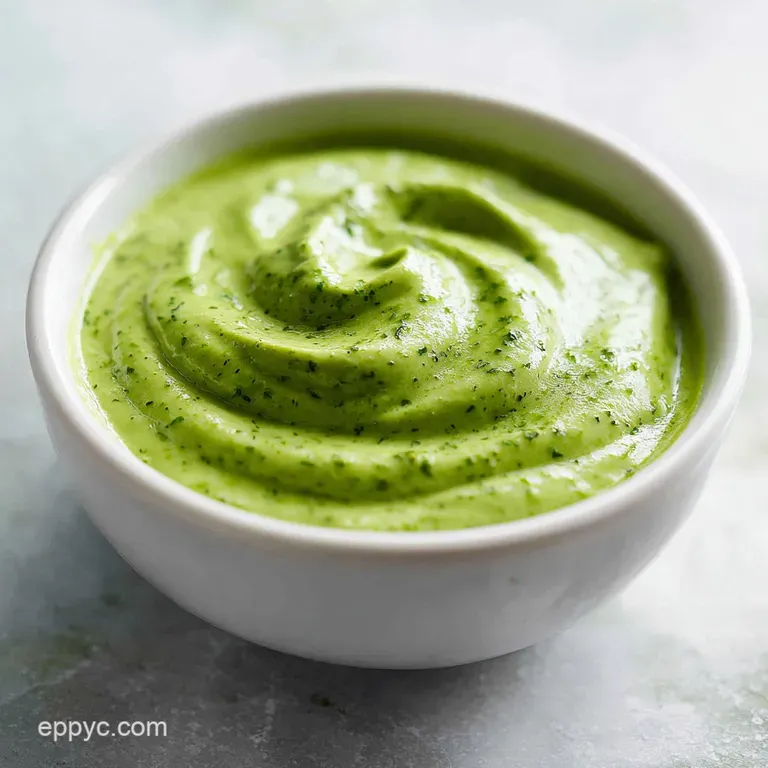
Green Goddess Dressing: Herbaceous and Silky
- Time: Active 10 minutes, Passive 0 minutes, Total 10 minutes
- Flavor/Texture Hook: Silky, herbaceous, and tangy
- Perfect for: Spring luncheons, dip platters, or grain bowls
- Crafting the Ultimate Creamy Green Goddess Dressing at Home
- The Science of Cold Emulsion and Chlorophyll Preservation
- Essential Specs for Your Next Salad Masterpiece
- Building Layers of Freshness with Quality Components
- Essential Tools for a Silky Smooth Finish
- A Step by Step Guide to Blending Perfection
- Solving Consistency and Flavor Balance Issues Easily
- Creative Variations for Every Dietary Preference
- Scaling for Large Gatherings or Meal Prep
- Common Myths About Herb Based Dressings
- Smart Storage and Minimal Waste Kitchen Practices
- Wholesome Pairings to Complete Your Inventive Meal
- Recipe FAQs
- 📝 Recipe Card
Crafting the Ultimate Creamy Green Goddess Dressing at Home
I still remember the first time I tasted a proper Green Goddess Dressing. It was at this tiny, sun drenched bistro in San Francisco, sitting at a wobbly wooden table. The salad arrived, and it wasn't just "green" - it was glowing.
The aroma of fresh tarragon hit me before the plate even touched the table, that distinct anise like scent mixing with the sharp tang of lemon. It was a far cry from the bottled stuff I grew up with, which always tasted a bit like dusty herbs and too much sugar.
That meal changed my whole perspective on what a dressing could be. It isn't just a condiment, it's the heart of the dish. I spent the next few months in my own kitchen, making plenty of mistakes - like using too much garlic or forgetting the anchovy - until I found the right balance.
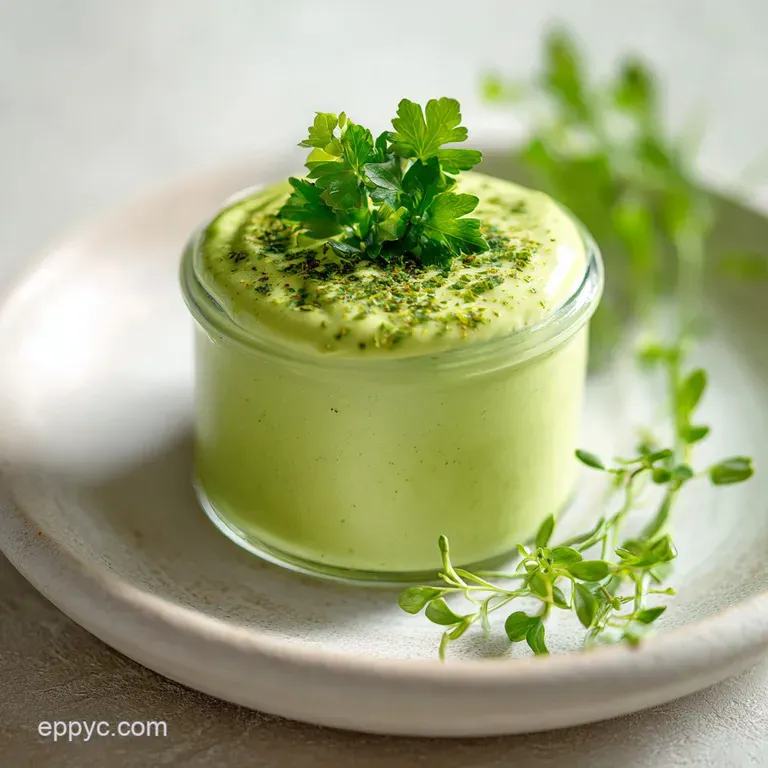
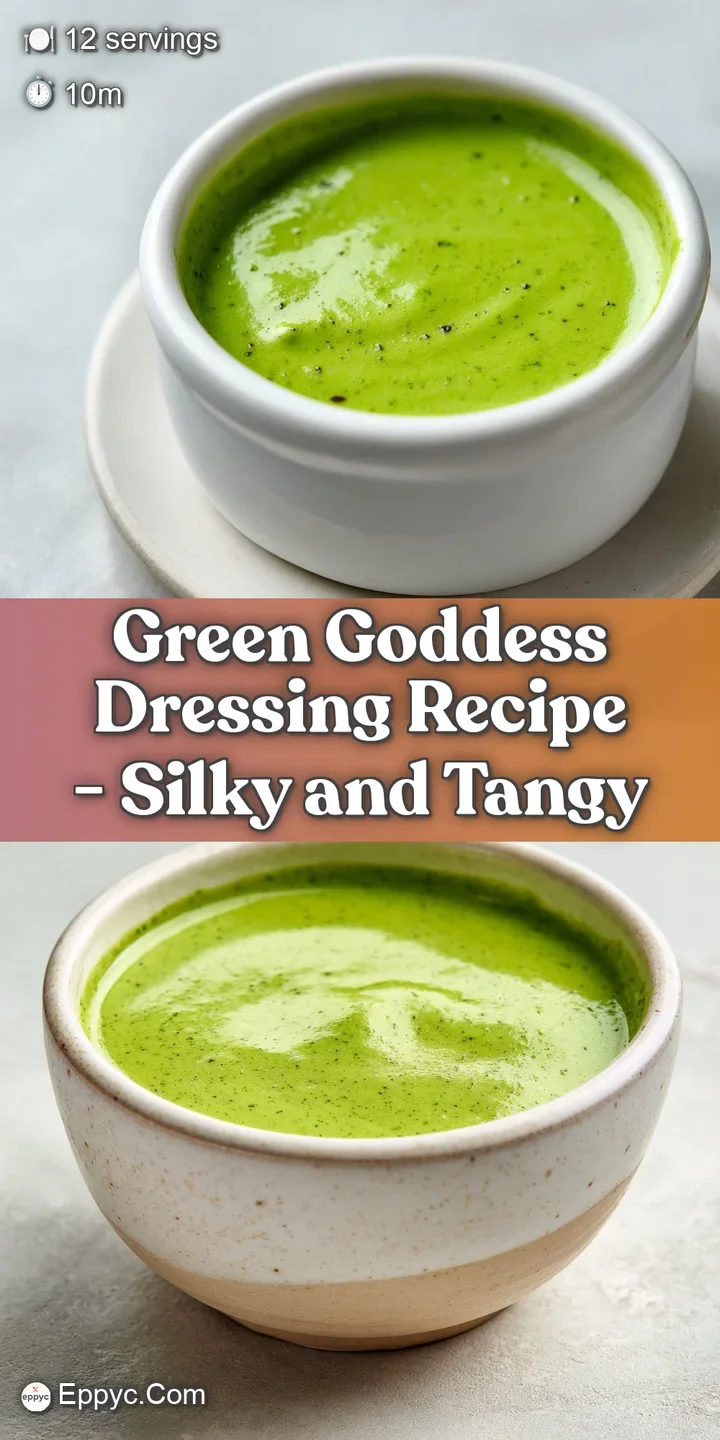
We're talking about a sauce so velvety it feels like silk on the tongue, with a punch of freshness that makes you feel like you've just stepped into a herb garden after a rainstorm.
You'll love this version because it doesn't take shortcuts. We’re using a mix of 1 cup fresh flat leaf parsley, 0.5 cup chopped chives, and 0.25 cup tarragon leaves to build layers of flavor. It’s inventive yet wholesome, focusing on plant based freshness supported by a creamy base.
Whether you're drizzling this over a wedge of iceberg or using it as a dip for crunchy radishes, it’s going to be the most satisfying thing on your table.
The Science of Cold Emulsion and Chlorophyll Preservation
Cold Emulsification: High speed blending suspends fat droplets from the 0.5 cup mayonnaise into the water based lemon juice, creating a stable, velvety texture that won't separate.
Chlorophyll Stability: Keeping the ingredients cold and adding the 2 tbsp lemon juice at the very end prevents the green pigments from oxidizing and turning a dull, muddy brown.
Comparison of Processing Methods
| Blending Method | Final Texture | Herb Integration | Best For |
|---|---|---|---|
| High Speed Blender | Completely smooth, velvety | Fully pulverized, bright green | Elegant drizzling sauces |
| Food Processor | Slightly textured, flecked | Small visible herb bits | Dips and sandwich spreads |
| Hand Chopped/Whisked | Chunky, rustic | Distinct herb pieces | Traditional steak toppings |
Choosing the right tool changes the entire personality of your sauce. I personally prefer a high speed blender because it forces the herbs to release every bit of their volatile oils, turning the entire 0.5 cup of sour cream into a vibrant green masterpiece. If you're looking for a way to use this, try my Vibrant Green Goddess Salad recipe which highlights that smooth texture perfectly.
Essential Specs for Your Next Salad Masterpiece
Before we start tossing things into the blender, let's look at the "how" behind our main components. We aren't just making a sauce; we're building a flavor profile that needs to hit every part of your palate.
| Component | Science Role | Pro Secret |
|---|---|---|
| Anchovy Paste (1 tsp) | Natural Glutamates | Adds "savory depth" without a fishy taste. |
| Fresh Tarragon (0.25 cup) | Volatile Aromatics | Provides the signature anise note that defines the dish. |
| Lemon Juice (2 tbsp) | pH Adjustment | Brightens flavors and prevents the herbs from browning. |
| Greek Yogurt/Sour Cream | Protein Matrix | Adds body and a wholesome tang that cuts the mayo's richness. |
Building Layers of Freshness with Quality Components
To get that satisfying, bold flavor, you need to be picky about your greens. I always use 1 cup of fresh flat leaf parsley because it has a cleaner, more peppery finish than the curly variety.
For the creamy side, 0.5 cup mayonnaise provides the fat needed for a luxurious mouthfeel, while 0.5 cup full fat Greek yogurt adds a sharp, inventive twist.
- 1 cup fresh flat leaf parsley, packed: Substitute with fresh cilantro for a Mexican inspired twist. Why this? Flat leaf has more flavor oils and a smoother texture after blending.
- 0.5 cup fresh chives, chopped: Substitute with the green tops of scallions. Why this? Chives provide a delicate onion flavor without the harsh sulfur bite.
- 0.25 cup fresh tarragon leaves: Substitute with 1 tsp dried tarragon (but fresh is vastly superior). Why this? This is the "soul" of the dressing; it adds a sophisticated, licorice like finish.
- 0.5 cup mayonnaise: Substitute with mashed avocado for a dairy-free base. Why this? Provides the necessary lecithin to hold the emulsion together perfectly.
- 0.5 cup sour cream or full fat Greek yogurt: Substitute with creme fraiche for extra richness. Why this? Adds the perfect level of acidity to balance the fats.
- 1 large clove garlic, smashed: Substitute with 0.5 tsp garlic powder. Why this? Fresh garlic adds a sharp, spicy kick that cuts through the cream.
- 2 tbsp freshly squeezed lemon juice: Substitute with lime juice. Why this? The citric acid acts as a natural preservative for the green color.
- 1 tbsp white wine vinegar: Substitute with apple cider vinegar. Why this? Adds a secondary layer of sharp acid to brighten the herbs.
- 1 tsp anchovy paste: Substitute with 1 tsp miso paste for a vegan version. Why this? It's the "secret ingredient" that provides an invisible backbone of umami.
- 0.5 tsp kosher salt: Substitute with sea salt. Why this? Enhances every other flavor without being overwhelming.
- 0.25 tsp freshly cracked black pepper: Substitute with white pepper for a milder heat. Why this? Provides a subtle, floral heat in the background.
Essential Tools for a Silky Smooth Finish
You don't need a professional kitchen, but having a few specific items will make this process much faster. I always suggest using a high speed blender if you have one, like a Vitamix or Ninja, because they can turn 0.25 cup of tarragon into liquid gold in seconds.
If you only have a food processor, just be prepared for a slightly more speckled look.
Chef's Tip: Freeze your blender jar for 10 minutes before you start. Keeping the blades and jar cold prevents the friction from heating up the 1 cup of parsley, which keeps the sauce a brighter, more vibrant green.
Another trick I've learned is to use a microplane for the garlic, even if you're blending it. This ensures no one gets a stray chunk of raw garlic in their bite. It's those little details that make a homemade recipe feel truly inventive.
A step-by-step Guide to Blending Perfection
- Prep the herbs. Wash and thoroughly dry the 1 cup parsley and other greens. Note: Excess water will thin the dressing and make it watery.
- Smash the garlic. Peel the large clove and smash it with the side of a knife to release the juices.
- Combine liquids. Pour 2 tbsp lemon juice and 1 tbsp white wine vinegar into the blender base.
- Add the umami. Squeeze in 1 tsp anchovy paste and the smashed garlic.
- Layer the greens. Pack the 1 cup parsley, 0.5 cup chives, and 0.25 cup tarragon on top of the liquids.
- Add the creamy base. Dollop 0.5 cup mayo and 0.5 cup sour cream over the herbs.
- Season the mix. Sprinkle in 0.5 tsp salt and 0.25 tsp black pepper.
- Pulse to start. Use short bursts until the herbs are roughly chopped and submerged.
- Blend on high. Run the blender for 30 to 45 seconds until the mixture is velvety and uniform in color.
- Taste and adjust. Dip a leaf of lettuce in; it should taste bold and tangy. Note: Add a pinch more salt if the herbs feel muted.
Solving Consistency and Flavor Balance Issues Easily
One of the most common issues I hear about is a dressing that looks more like a soup than a sauce. This usually happens if the herbs weren't dried properly or if the Greek yogurt was too watery. Don't panic! It's an easy fix.
Fixing a Thin or Watery Texture
If your sauce is too runny, the culprit is usually moisture. This can come from the 1 cup of parsley if it wasn't spun dry, or from using a low-fat yogurt. To fix this, you can whisk in an extra tablespoon of mayonnaise or a bit of softened cream cheese.
Brightening a Muted Herb Flavor
Sometimes, the herbs just don't sing. This often happens if they've been sitting in the fridge too long. A tiny pinch of sugar can actually help bridge the gap between the savory garlic and the acidic lemon, making the herbal notes pop.
| Problem | Root Cause | Solution |
|---|---|---|
| Too Thin | Excess water on herbs | Add 1 tbsp extra mayo or Greek yogurt. |
| Too Bitter | Old parsley stems | Add a tiny pinch of sugar to balance. |
| Dull Color | Ingredients got too warm | Chill the blender jar before use next time. |
Common Mistakes Checklist
- ✓ Always dry herbs completely using a salad spinner or paper towels.
- ✓ Don't skip the anchovy paste; it provides the essential umami foundation.
- ✓ Use full fat dairy for the best emulsion and "cling" factor.
- ✓ Taste your lemon juice first; if it's too tart, reduce to 1.5 tbsp.
- ✓ Avoid over blending, which can cause the fats to break and become greasy.
Creative Variations for Every Dietary Preference
If you want to keep things wholesome but need to adapt for guests, there are so many ways to play with this recipe. For another inventive use of creamy dressings, you might look at my Classic Macaroni Salad recipe which uses similar emulsion techniques.
Creating a Vegan Green Goddess Dressing
To make this entirely plant based, swap the 0.5 cup mayo for a vegan version (often made with aquafaba) and use a thick cashew cream or coconut yogurt instead of sour cream. Replace the anchovy paste with 1 tsp of white miso paste to keep that satisfying savory depth.
Infusing Spicy Jalapeño Heat
If you like a bit of a kick, add half a jalapeño (seeds removed) to the blender. The spice works beautifully with the 0.5 cup of chives and adds a bold, modern edge to the classic flavor profile.
Budget and Time Saving Alternatives
| Premium Ingredient | Budget Substitute | Flavor Impact |
|---|---|---|
| Fresh Tarragon | 1 tsp Dried Tarragon | Less aromatic, slightly more "medicinal" note. |
| White Wine Vinegar | Rice Vinegar | Softer acidity, slightly sweeter finish. |
| Fresh Chives | Scallion Greens | Bolder onion flavor, less delicate. |
Scaling for Large Gatherings or Meal Prep
When you're scaling this up for a party, don't just double everything blindly. Spices and salts can become overwhelming very quickly.
- To Double (24 servings): Use 2 cups parsley, but keep the salt at 0.75 tsp and adjust after tasting. Increase the liquids by about 1.8x rather than a full 2x to maintain the thick, velvety texture.
- To Halve (6 servings): Use 0.5 cup parsley. Since it's hard to measure half a garlic clove, use a very small one or just 0.25 tsp of garlic powder.
- Batch Prepping: This recipe is perfect for meal prep. Make a full batch on Sunday, and you'll have a satisfying dip for carrots or a dressing for your lunch bowls all week long.
Common Myths About Herb Based Dressings
Myth: You must use a mortar and pestle for authentic flavor. Truth: While traditional, a blender actually does a better job of creating a stable emulsion with the 0.5 cup mayo. The high speed breaks the herb cells more efficiently, resulting in a more intense green color and a smoother mouthfeel.
Myth: Dried herbs are just as good in this recipe. Truth: In a cooked sauce, dried herbs are fine. In a cold dressing where the 1 cup parsley is the star, dried herbs will taste dusty and gritty. The "fresh" in Green Goddess isn't optional; it's the whole point!
Smart Storage and Minimal Waste Kitchen Practices
Storage Guidelines: Keep your dressing in an airtight glass jar in the fridge for up to 5 days. You might notice some separation as it sits; just give it a quick shake or stir before using. I don't recommend freezing this because the 0.5 cup sour cream will likely split and become grainy once thawed.
Zero Waste Tips: If you find yourself with leftover dressing that's about to turn, use it as a marinade for chicken or fish. The acids in the lemon and vinegar tenderize the meat, while the herbs create a flavorful crust when grilled. Also, don't throw away the parsley stems!
You can blend the tender upper stems right into the sauce, or save the woodier bottom stems for making a wholesome vegetable stock.
Wholesome Pairings to Complete Your Inventive Meal
This dressing is incredibly versatile. I love serving it alongside a platter of raw, crunchy vegetables - think radishes that have a real "shatter" when you bite into them. It's also a bold choice for drizzling over roasted potatoes; the heat from the potatoes makes the aromatics in the 0.25 cup tarragon bloom beautifully.
For a complete meal, try pairing this with grilled salmon or even a chilled shrimp cocktail. The tanginess of the 2 tbsp lemon juice cuts through the richness of the seafood perfectly. If you're hosting a Thanksgiving or holiday meal, this can even serve as a bright, fresh counterpoint to heavier dishes like my Turkey Dressing Recipe. It provides that much needed hit of acid to wake up the palate between bites of savory stuffing.
Whether you're dipping, drizzling, or marinating, this Green Goddess Dressing is going to become a staple in your kitchen. It's proof that with a few fresh herbs and a bit of science, you can make something truly satisfying and inventive from scratch.
Let me know how yours turns out - and don't forget to dry those herbs!
Recipe FAQs
What is green goddess dressing made of?
It is primarily made of fresh herbs, mayonnaise, and sour cream or Greek yogurt. Key components include parsley, chives, tarragon, garlic, lemon juice, and an umami booster like anchovy paste.
What is the most unhealthy salad dressing?
Generally, dressings high in saturated fat, sodium, and sugar are the least healthy. While Green Goddess is creamy, it's often healthier than many store-bought vinaigrettes loaded with corn syrup and artificial stabilizers.
What is the difference between green goddess and ranch dressing?
Green Goddess relies on fresh, vibrant herbs like tarragon and parsley for flavor. Ranch is primarily buttermilk, dill, and onion powder; Green Goddess is much more intensely herbaceous and typically smoother due to the preparation method.
What is in Panera bread green goddess dressing?
Panera's version typically features a blend of parsley, tarragon, chives, and Dijon mustard in a creamy base. Their recipe is often slightly sweeter than traditional homemade versions, focusing heavily on that onion and herb combination.
How do I make sure my homemade Green Goddess stays bright green and doesn't turn brown?
Blend the ingredients quickly while keeping them as cold as possible. The acid from the 2 tbsp lemon juice is crucial for preserving the chlorophyll; ensure you add it toward the start to protect the greens from oxidation.
Can I make this dressing without anchovy paste?
Yes, you can skip the anchovy paste if you prefer, but you should substitute an umami element. Try adding 1 teaspoon of white miso paste instead; mastering this savory balancing technique is key to making creamy sauces taste layered, similar to how we build flavor in our Chicken Pot Pie recipe.
How long will homemade Green Goddess dressing last in the refrigerator?
It should last 5 to 7 days if stored properly in an airtight container. The fresh herbs begin to degrade around day 7, so aim to use it within the first week for the best flavor, or consider using the remainder as a marinade for grilled chicken.
Green Goddess Dressing Recipe
Ingredients:
Instructions:
Nutrition Facts:
| Calories | 87 kcal |
|---|---|
| Protein | 0.7 g |
| Fat | 8.9 g |
| Carbs | 1.7 g |
| Fiber | 0.4 g |
| Sugar | 0.8 g |
| Sodium | 142 mg |
