What to Make with Heavy Whipping Cream the Elegant Lavender Panna Cotta Dream
- Elevating Dairy: Moving Beyond Whipped Toppings with Heavy Cream
- Gathering the Essentials for Creamy Perfection
- The Art of Simmering: Step and by-Step Panna Cotta Preparation
- Making the Most of Your Heavy Cream Investment
- Beyond Dessert: Savory and Baked Uses for Heavy Whipping Cream
- Recipe FAQs
- 📝 Recipe Card
Elevating Dairy: Moving Beyond Whipped Toppings with Heavy Cream
Listen, if I see one more recipe that suggests you just quickly whip up a batch of heavy cream to dollop on a slice of pie, I might scream. Seriously, heavy whipping cream (the good stuff, the 35% fat hero) is one of the most versatile, incredible ingredients sitting in your fridge, and we are constantly underutilizing it.
It’s a creamy canvas. It’s the secret to unbelievable sauce stability. It is so much more than dessert garnish.
I used to be intimidated by cream and based desserts, thinking they were too fussy. Turns out, the fussiness comes from treating cream poorly (like boiling it too fast). But once you master the gentle simmer, your cooking life changes.
So, when people ask me what to make with heavy whipping cream that actually feels elegant but requires minimal fuss, I always point them toward the greatest cooked dessert of all time: Panna Cotta.
The Italian Secret: Why Panna Cotta Is the Ultimate Cream Showcase
Panna Cotta literally means "cooked cream." That’s it. It’s minimalist genius. Unlike custards, which rely on egg yolks for thickening and require the terrifying process of tempering, Panna Cotta relies on the gentle power of gelatin to create an impossibly silken texture.
You want that slight shimmy, that delicate wobble that screams, "I am sophisticated!" This dessert lets the pure, velvety taste of the cream shine, and the addition of fragrant lavender and earthy honey just makes it otherworldly.
Answering the Culinary Question: What To Make With Heavy Whipping Cream Tonight?
Okay, maybe you don't have time for a four and hour chill tonight. I get it. But you still have that carton of goodness begging to be used. If you’re looking at that pint and wondering what to cook with heavy whipping cream for dinner instead of dessert, you have so many options. Don't let the dairy go bad!
A great way to use a small amount is just stirring it into scrambled eggs right before they set (makes them unbelievably fluffy). If you have enough for a proper meal, think about savory stabilization.
| If you have... | Dinner Idea: Use Cream for Stability |
|---|---|
| 1 cup cream | Add to mashed potatoes (they will never be the same) |
| 2 cups cream | Quick Alfredo Sauce or Chicken and Mushroom Ragout |
The Role of Fat: Understanding 35% Cream vs. Other Varieties
This is my official public service announcement: if the recipe calls for heavy whipping cream, you must use heavy whipping cream. It needs to be 35% milk fat (or more). Why? Fat content is stability.
If you try to swap it out for half and half (around 10 12% fat) or even regular whipping cream (usually around 30% fat), your Panna Cotta might still set, but the resulting texture will be looser, less rich, and much more prone to weeping liquid.
I once tried to skimp and use "light" whipping cream thinking, "It’s only 5% difference." Nope. It was watery, tasted vaguely of sadness, and absolutely would not hold a proper shape when unmolded. Trust me, the fat is the flavor vehicle here.
Gathering the Essentials for Creamy Perfection
Right then, let's crack on with the Panna Cotta. The beautiful thing is the ingredient list is short, but the quality of each item matters a lot. We are making a statement with simple flavors.
The Minimalist Pantry: Required Ingredients and Quality Checks
The cream and milk are self and explanatory full fat only, please. But let's talk about the two trickiest parts: the gelatin and the flavor. We use gelatin sheets here, which I prefer because they dissolve more reliably than powder, but powder works just fine if you measure accurately.
Quick warning: If you’re using gelatin powder, ensure it’s fresh. Old gelatin gives you a rubbery set, not that luxurious wobble we are aiming for. If your powder is ancient, buy a new packet.
Also, don't skip the tiny pinch of salt! That 1/4 teaspoon is critical. Without it, the whole dessert tastes one and dimensional and sickly sweet. The salt cuts through the richness and makes the honey pop .
Infusing Flavor: Selecting the Perfect Culinary Lavender and Honey
You cannot just grab lavender from your garden unless you know for a fact it hasn't been sprayed and is a culinary variety. Culinary lavender is typically English lavender and has a less piney flavor than other ornamental types. You want floral notes, not soap. Similarly, use a good, quality honey.
I love a clover or local wildflower honey here; something with depth.
Gelatin Mastery: Achieving the Ideal 'Jiggle' Consistency
This step happens first and is crucial. We call this "blooming" the gelatin. You take your sheets or your powder and put it into cold water. It must be cold . If the water is warm, the gelatin will start dissolving immediately and unevenly.
If you are using sheets, they will turn floppy and soft (like weird rubber). If you’re using powder, it will swell up into a sponge. This takes about five to seven minutes. Once bloomed, you squeeze out all the excess water before adding it to your warm cream.
This ensures you aren't watering down your final mixture.
Tool Prep: Molds, Whisks, and Temperature Accuracy
You need a medium saucepan, obviously, and a fine and mesh sieve. That sieve is non and negotiable because we have to filter out every tiny, potentially bitter lavender bud.
Here are a few tools tips that make this whole process painless:
- Ramekins Rinse: Before you pour the liquid, rinse the inside of your chosen ramekins or silicone molds with cold water. Don't dry them! The thin film of water on the sides will act as a buffer, making demolding later unbelievably simple. It’s a trick I learned the hard way after many ruined flips.
- Thermometer Optional: While a thermometer is helpful to hit that perfect 120°F (50°C) zone for gelatin incorporation, your finger works too. If the mixture is too hot to comfortably keep your finger in for more than a second, it's too hot for the gelatin.
Related Recipes Worth Trying
- Ultimate SlowCooker Rotel Dip Recipe with Ground Beef Velveeta — This easy Rotel Dip recipe is the definitive version Our slowcooker method ensures a velvety smooth rich queso packed with ground meat and spices Perfect...
- Sunshine Grilled MahiMahi with Zesty LemonHerb Marinade — Master grilling this firm fish with our quick grilled mahi mahi marinade This zesty recipe ensures a beautiful sear without sticking A cracking good meal...
- Best Lemon Cream Cheese Bars with Buttery Shortbread Crust — These Lemon cream cheese bars are the business Get the best shortbread lemon bars with a perfectly crumbly base and a silky tangy lemon filling Flawless...
The Art of Simmering: Step and by-Step Panna Cotta Preparation

This whole recipe is about patience and gentle handling. No frantic whisking allowed.
Gentle Heating: The Crucial First Step to Avoid Scorch
Put your cream, milk, sugar, honey, lavender, and salt into the saucepan. Heat this over medium and low heat. Seriously, low and slow. Stir frequently, just until the sugar is completely dissolved. If you let the bottom burn even slightly, the whole batch will taste like burnt sugar and sadness.
When you start seeing small bubbles form right around the edges of the liquid, pull it immediately. It should be hot, but absolutely never boiling vigorously.
Blooming the Gelatin: Activation and Incorporation
Once the liquid is heated, pull it off the burner and cover it for 15 minutes. This is your steeping time. The fragrance of the lavender will perfume the cream beautifully. After steeping, pour the mixture through your fine and mesh sieve into a clean bowl.
Now, squeeze the water out of your bloomed gelatin and drop the gelatin mass directly into the strained warm cream. Whisk gently until every bit of gelatin is dissolved. You shouldn't see any granules or lumps left.
The Chill Factor: Setting Time and Temperature Control
Pour the mixture evenly into your pre and rinsed molds. Cover them (cling film works best to prevent a skin from forming) and get them into the fridge. I know the recipe says 4 hours minimum.
But honestly, if you can leave them for 6 hours or even overnight, the set will be much firmer and the flavor will have deepened. Do not rush this step. If you nudge one and it still looks liquid in the middle, walk away!
Demolding Techniques: Releasing the Panna Cotta Intact
The moment of truth. If you rinsed your molds, this is much easier. Fill a shallow bowl with very hot tap water. Dip the bottom of your ramekin into the hot water for maybe five to ten seconds.
(The goal is to gently warm the very edge of the cream.) Put your serving plate on top of the mold and flip them over together quickly. Give it a wiggle. If it doesn't drop instantly, dip it again for two seconds. If, heaven forbid, it still won't come out, just serve it in the cup. It’s still Panna Cotta, right?
Complementary Sauces and Garnishes
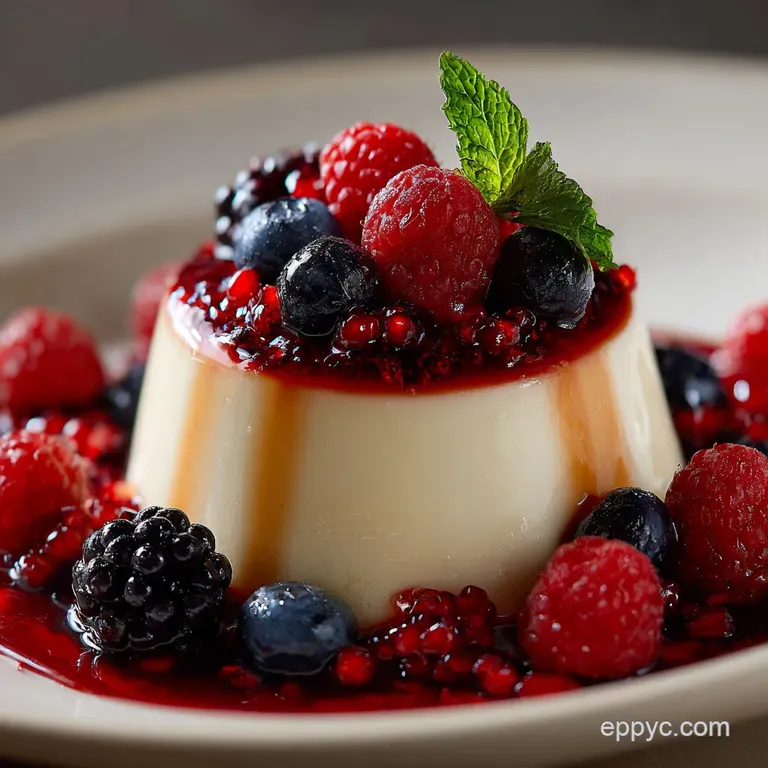
Because Panna Cotta is so unbelievably rich (hello, 35% fat!), it needs something bright and acidic to balance it. This is why fresh berries and a simple raspberry coulis work perfectly. Do you really want to eat pure creaminess without anything sharp? No, you don’t.
The coulis is easy: blend berries, a touch of sugar, and strain out the seeds. A drizzle of extra honey and a scattering of crushed shortbread add crunch and finish the look.
Making the Most of Your Heavy Cream Investment
We used a good chunk of cream, but maybe you’re staring at a half and used container now. Let’s talk about utilizing leftover heavy whipping cream and making sure none of this magical ingredient goes to waste.
Beyond Dessert: Savory and Baked Uses for Heavy Whipping Cream
Storage Solutions: How Long Does Panna Cotta Last?
If you keep the Panna Cotta covered in the fridge, it will easily last four or five days. It actually tastes better on day two because the lavender flavor really sets in. Unmolded Panna Cotta needs to be eaten within an hour or two; it is temperamental and will start to soften quickly at room temperature.
Troubleshooting Textures: Why Is My Panna Cotta Too Loose/Rubbery?
This is usually a gelatin issue.
- Too Loose: You didn't use enough gelatin, or (more likely) your liquid was too hot and you killed the gelatin’s setting power.
- Too Rubbery/Chewy: You used too much gelatin, or you didn't measure the water accurately when blooming the powder. This is often the result of not squeezing the water thoroughly out of the sheets, too.
Scaling Up: Preparing Large Batches for Entertaining
Panna Cotta is a fantastic make and ahead dessert for a party. You can easily double or triple the recipe, but pay extra close attention to your simmering stage. More cream means a greater risk of scorching.
I always recommend using two separate, large saucepans if you’re making more than 12 servings (which is about 6 cups of cream).
Utilizing Leftovers: Don't Waste a Drop of Cream
What to make with leftover heavy whipping cream that's only a tablespoon or two?
- Drop it in your morning coffee instead of regular milk.
- Whip it with a tiny bit of powdered sugar and keep it in an airtight container for quick dessert fixes.
- Stir it into the finishing splash of a weeknight soup (like tomato or butternut squash).
Savory Applications: Creamy Pasta and Chicken Dishes
For a serious dinner using heavy cream, forget the dessert ideas for a moment. Heavy cream makes amazing sauces that won’t break or curdle under heat the way milk sometimes does.
Think about rich, French and style chicken dishes a classic Chicken with Morels and Cream (Poulet à la Crème) is unbeatable. Or, even better, use it to finish an authentic Carbonara.
(Wait, authentic Carbonara uses only egg yolks and cheese, but adding a touch of cream stabilizes the sauce and gives you extra insurance against scramble. Sue me.)
Baked Goods & Eggs: Enriching Quiches and Custards
If you are a baker, adding heavy cream instead of whole milk to your quiche or savory custard base makes the final product so much richer and more luxurious. The higher fat content lends a beautiful golden color and a tender crumb, whether you are using it in a classic crème brûlée or a hearty spinach quiche.
The heavy cream prevents the baked goods from drying out and just adds that mouthfeel that makes people ask, "What is your secret ingredient?" The secret, my friends, is always the fat.
Recipe FAQs
I bought loads of cream for this apart from Panna Cotta, what else can I make with heavy whipping cream?
Heavy whipping cream is wonderfully versatile! For quick savoury uses, you can enrich soups (like a classic Vichyssoise) or stir it into simple pasta sauces like Alfredo; alternatively, use it to make rich, homemade butter or the base for no-churn ice cream.
Help! My Panna Cotta is still runny after chilling. Where did I go wrong?
If your pudding hasn't set, the setting agent likely failed; this often happens if the gelatin wasn't fully dissolved, or if you added it to the cream while the mixture was boiling, which destroys the gelatin’s setting power remember, warm, not scalding!
I’m not keen on lavender, are there any other lovely flavour infusions I could try instead?
Absolutely; this recipe is a lovely blank canvas! For a sophisticated twist, substitute the lavender for 3 high-quality Earl Grey tea bags (steep for 8 minutes maximum), or infuse the cream with sliced fresh ginger for a bit of a kick.
Can I make this elegant dessert a day or two in advance, or will it lose its texture?
Panna Cotta is a brilliant make-ahead pudding and holds its shape beautifully; once fully set, it keeps covered in the fridge for up to four days, which is excellent news if you’re prepping for a weekend dinner party.
What's the secret to getting the Panna Cotta out of the ramekin cleanly? I don't want a kitchen calamity!
The best cheat is to dip the base of the ramekin into a bowl of very hot water for just 5 10 seconds; this slight bit of warmth melts the outer seal, allowing the panna cotta to slip cleanly onto the serving plate with a gentle nudge.
Heavy Whipping Cream Panna Cotta Dessert

Ingredients:
Instructions:
Nutrition Facts:
| Calories | 450 kcal |
|---|---|
| Fat | 38 g |
| Fiber | 1 g |
