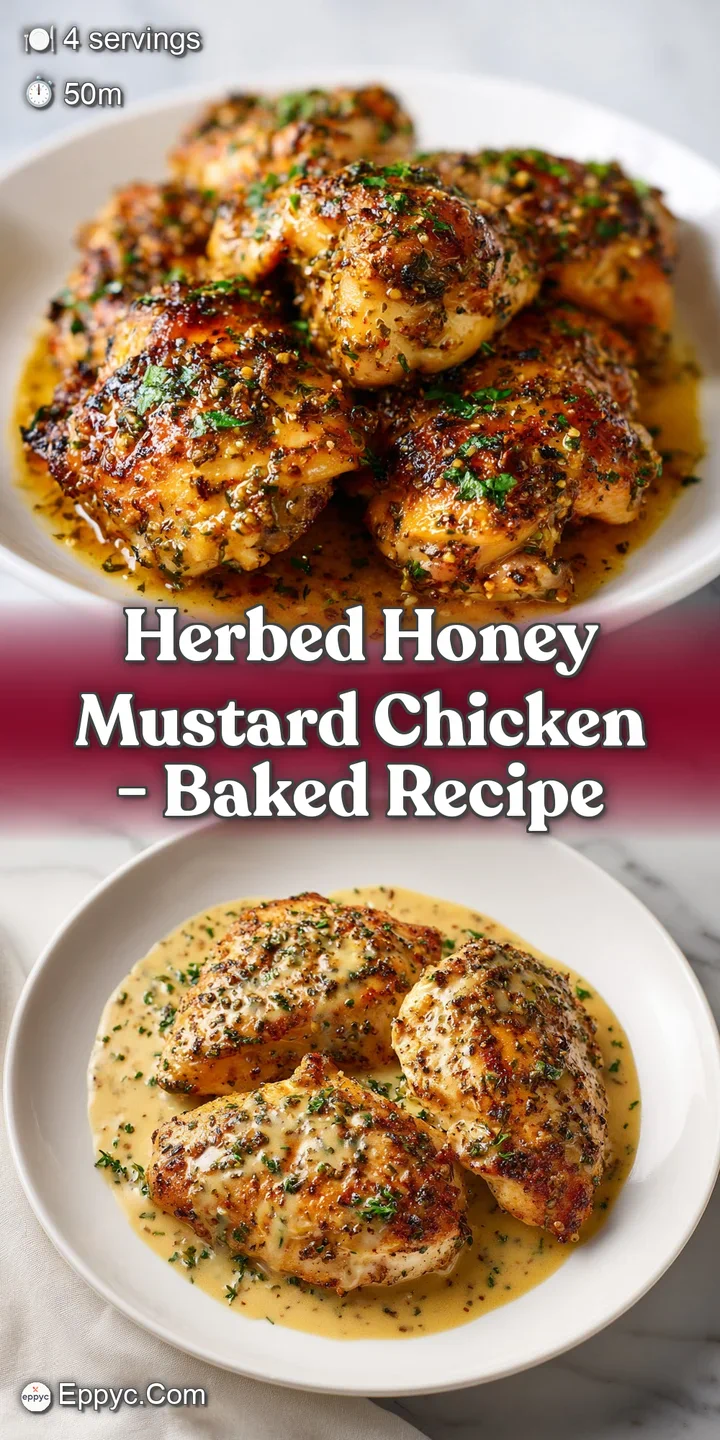
Herbed Honey Mustard Chicken with Tangy Glaze
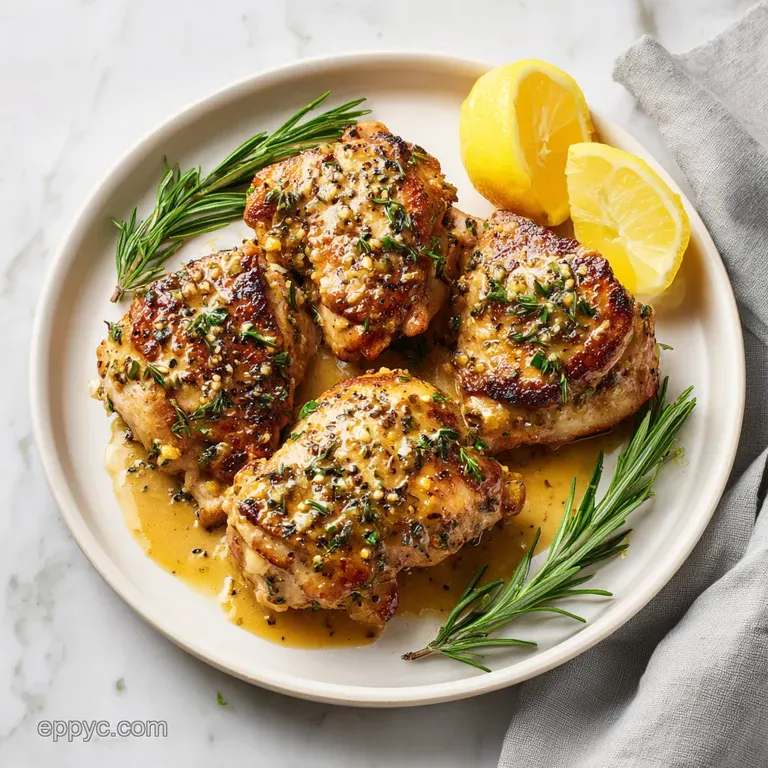
- Time: Active 15 minutes, Passive 35 minutes, Total 50 minutes
- Flavor/Texture Hook: Crackling skin with a tangy, herbaceous glaze
- Perfect for: Busy weeknights where you want a "fancy" feeling meal on a budget
- Creating Your Herbed Honey Mustard Chicken
- Science of the Golden Glaze
- Metrics for Your Success
- Analyzing Flavor Building Components
- Essential Tools for This Meal
- Detailed Roasting Step Instructions
- Solving Common Texture Issues
- Budget Friendly Customization Options
- Smart Storage and Reheating
- Perfect Pairings for Serving
- Recipe FAQs
- 📝 Recipe Card
Creating Your Herbed Honey Mustard Chicken
The second that chicken hits the hot pan, you'll hear that aggressive sizzle and smell the rosemary oil releasing into the air. It’s a scent that honestly makes me feel like I’ve actually got my life together.
I remember the first time I tried a version of this; I was so worried about the honey burning that I pulled it out early. The result? Pale, flabby skin and a sauce that tasted like literal candy. It was a disaster.
We've all been there, hovering over the oven door with a spatula like it's a security blanket. But once I figured out how to use mustard as a thermal buffer, everything changed. This version of Herbed Honey Mustard Chicken isn't just about the flavor it’s about that specific, shatter crisp texture you get when the sugars in the honey play nice with the chicken fat.
We are going for a result that feels like a splurge but uses the humblest ingredients in your pantry. No fancy reductions or $40 cuts of meat here. We’re empowering your dinner routine with technology you already own a simple oven and a whisk.
Trust me, once you see that deep mahogany glaze, you’ll never go back to those bottled sauces again.
Science of the Golden Glaze
The Mustard Buffer: Mustard acts as a natural emulsifier, binding the honey and oil together so the glaze coats the chicken evenly rather than sliding off into the pan. This prevents the sugars in the honey from direct contact with the intense heat, stopping the char before it starts.
Maillard Synergy: The amino acids in the chicken skin react with the natural sugars in the raw honey at 285°F, creating hundreds of new flavor compounds. The acidity from the apple cider vinegar speeds up this browning process, ensuring you get color before the meat overcooks.
| Chicken Cut | Internal Temp | Rest Time | Visual Cue |
|---|---|---|---|
| Bone in Thighs | 175°F | 5 mins | Juices run clear when pierced |
| Drumsticks | 180°F | 3 mins | Meat pulls away from bone end |
| Boneless Breast | 165°F | 8 mins | Center is opaque and firm |
Right then, let's talk about why we choose certain ingredients over others. While fresh is usually king, sometimes a shortcut actually saves the dish from being too watery or one dimensional.
Metrics for Your Success
| Component | Science Role | Pro Secret |
|---|---|---|
| Dijon Mustard | Emulsifier | Use a brand with visible mustard seeds for extra texture and "pop" |
| Raw Honey | Hygroscopic Agent | Raw honey contains enzymes that help tenderize the surface of the protein |
| Apple Cider Vinegar | pH Balancer | The acid cuts through the heavy fat of the skin, brightening the whole palate |
Chef Tip
Freeze your fresh rosemary for 5 minutes before mincing. It makes the needles brittle so they don't "roll" under your knife, allowing for a much finer, dust like consistency that clings better to the glaze.
Analyzing Flavor Building Components
To get that velvety finish, we need to be specific about our kit. You'll need 2 lbs bone in, skin on chicken thighs this is non negotiable for the best flavor to cost ratio. We're pairing this with 1/3 cup Dijon mustard and 2 tbsp whole grain mustard to give us that complex, layered heat.
- 1 tbsp fresh rosemary: Finely minced. Why this? High oil content provides a piney aroma that survives over high heat roasting.
- 1 tsp fresh thyme leaves: Stripped from the stem. Why this? Adds an earthy, floral backnote to the sweetness.
- 3 cloves garlic: Mined into a paste.
- 1/3 cup raw honey: Provides the sticky base.
- 2 tbsp extra virgin olive oil: Carries the fat soluble herb flavors.
- 1 tbsp apple cider vinegar: For that essential tang.
- 0.5 tsp kosher salt: Enhances all other flavors.
- 0.25 tsp cracked black pepper: For a subtle bite.
| Original Ingredient | Substitute | Why It Works |
|---|---|---|
| Raw Honey | Maple Syrup | Thinner consistency, but adds a smoky depth to the glaze |
| Fresh Rosemary | Dried Rosemary | Use 1/3 the amount. Note: Soak in oil first to soften needles |
| Dijon Mustard | Yellow Mustard | Much more tart and less complex; add a pinch of garlic powder |
If you find yourself out of ACV, a squeeze of lemon works too. It's similar to the bright acidity we use in our Classic Chicken Piccata Recipe to keep the dish from feeling too heavy.
Essential Tools for This Meal
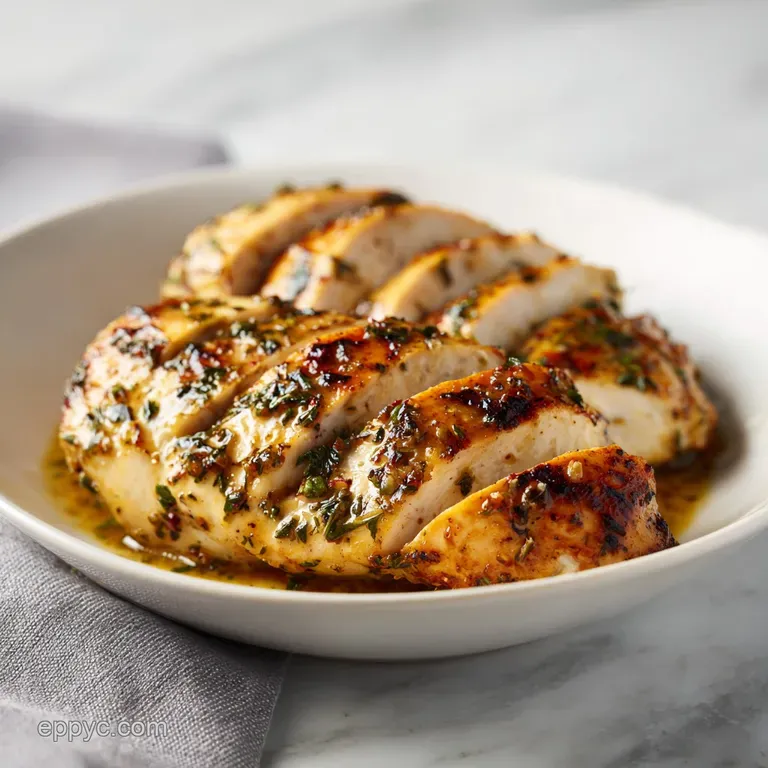
You don't need a digital lab to make this, but a few basics help. A heavy bottomed cast iron skillet or a rimmed baking sheet is a must. If you use a flat sheet, the juices spread too thin and might burn.
A digital meat thermometer is your best friend here it takes the guesswork out of "is it done?" and ensures you don't end up with dry meat.
Grab a medium glass bowl for whisking the glaze. I prefer glass because mustard can sometimes leave a lingering scent on plastic bowls. Also, a silicone pastry brush is great for lacquering the chicken, though a spoon works just fine if you're keeping it low tech.
Detailed Roasting Step Instructions
- Prep the oven. Preheat your oven to 400°F (200°C). Note: This high heat is vital for rendering the chicken fat quickly.
- Dry the chicken. Pat the 2 lbs bone in, skin on chicken thighs with paper towels until the skin feels tacky and dry.
- Season simply. Sprinkle 0.5 tsp kosher salt and 0.25 tsp black pepper over both sides of the thighs.
- Create the base. In your bowl, whisk the 1/3 cup Dijon, 2 tbsp whole grain mustard, 1/3 cup honey, 2 tbsp olive oil, and 1 tbsp ACV until smooth and emulsified.
- Add aromatics. Stir in the minced rosemary, thyme, and 3 cloves of minced garlic.
- Coat the protein. Dip each thigh into the mixture or use a brush to coat them generously.
- Arrange for heat. Place chicken in a single layer in your pan, skin side up. Leave space between pieces so they roast instead of steam.
- Bake and watch. Roast for 35 minutes until the skin is dark golden and bubbling.
- The final lacquer. Halfway through, spoon some of the accumulated pan juices back over the top.
- Rest for success. Let the chicken sit for 5 minutes until the juices settle back into the meat fibers.
Solving Common Texture Issues
Why Your Chicken Skin is Soggy
If the skin isn't crispy, it's usually because there was too much moisture. If you didn't pat the chicken dry, the steam from the water prevents the fat from rendering. Another culprit is overcrowding if those thighs are touching, they're just steaming each other.
Why Your Sauce is Separated
Sometimes the honey and oil don't want to stay friends. This happens if you didn't whisk the mustard well enough. Mustard is the "glue" that keeps the fat and sugar together. If it breaks in the pan, just give the pan juices a quick stir before serving.
| Problem | Root Cause | Solution |
|---|---|---|
| Burnt Glaze | Sugar in honey scorched | Move pan to a lower rack or tent with foil |
| Bland Meat | No salt on the skin | Season the chicken before applying the wet glaze |
| Rubbery Skin | Oven temp too low | Ensure oven is fully preheated to 400°F (200°C) |
Common Mistakes Checklist ✓ Pat the chicken completely dry (moisture is the enemy of crunch). ✓ Don't skip the ACV; the acid is what makes the honey flavor "pop." ✓ Use bone in thighs; boneless will dry out before the glaze caramelizes.
✓ Check the internal temp at 30 minutes to avoid overcooking. ✓ Let the meat rest; cutting too soon lets all that liquid gold escape.
Budget Friendly Customization Options
If you’re looking to save a few dollars, you can swap the fresh herbs for a "Poultry Seasoning" blend from the back of your pantry. It won't have that same punchy brightness, but it’ll get the job done.
I’ve also done this with bone in drumsticks when they were on sale for 99 cents a pound it works perfectly and kids usually love the "handle" of the drumstick.
| Ingredient Style | Flavor Profile | Cost Impact |
|---|---|---|
| Fresh Herbs | Vibrant, aromatic, floral | Adds $2-3 to the grocery bill |
| Dried Herbs | Muted, earthy, savory | Uses what you already have |
| Garlic Paste (Tube) | Consistent, sharp | Saves time, costs slightly more |
For a spicy kick, add a teaspoon of red pepper flakes or a dash of hot sauce to the glaze. It balances the honey beautifully. If you want a different vibe entirely, you could even use this glaze technique on a Chicken Waldorf Salad recipe leftovers for a totally different lunch the next day.
Smart Storage and Reheating
Store any leftovers in an airtight container in the fridge for up to 4 days. The glaze will thicken and become a bit jelly like, but don't worry it’ll melt back into a velvety sauce once heated. For zero waste, save those chicken bones!
Toss them into a bag in the freezer to make a rich, honey tinted stock later.
To reheat, avoid the microwave if you want to keep the skin's integrity. Put the chicken in a 350°F (180°C) oven for about 12 minutes. This wakes up the fats and gets that glaze sizzling again.
If you're in a rush, a toaster oven works brilliantly for a single portion. You can even chop up cold leftovers to top a salad, using the leftover glaze as a starting point for a vinaigrette.
Perfect Pairings for Serving
This dish is quite rich, so you want something to cut through that honey mustard lacquer. A simple roasted broccoli or a crisp green salad with a light lemon dressing is my go to. If you want to lean into the comfort food vibe, mashed potatoes are a "must" for soaking up that extra sauce from the pan.
- The Quick Decision: If you want a fast side, go with steamed green beans. If you want a showstopper, try honey glazed carrots.
- The Texture Play: Serve over quinoa or farro to catch every drop of the mustard sauce.
- The Shortcut: Use a bag of pre mixed slaw (without the dressing) and toss it with a bit of the pan juices for a warm salad.
If you're looking for more sauce inspiration, my Sweet & Tangy recipe is a great jumping off point for chicken tenders or nuggets. Honestly, once you master this balance of sweet, salt, and acid, you’ll be the hero of the kitchen. Let me know how it turns out I bet your kitchen smells incredible right now!
Recipe FAQs
What do you put in honey mustard chicken?
Mustard, raw honey, apple cider vinegar, olive oil, fresh rosemary, thyme, and garlic. This combination emulsifies to create a glaze that browns beautifully without burning the sugars. The vinegar is crucial for balancing the sweetness.
What herbs go well with honey mustard chicken?
Rosemary and thyme are the best pairings. Fresh rosemary provides a piney aroma that stands up to high heat, while thyme adds a softer, earthy background note. Remember to mince the rosemary very finely for best adhesion.
What is Ina Garten's most famous chicken recipe?
"Barefoot Contessa" Ina Garten's most famous chicken recipe is generally considered to be the "Engagement Chicken." While this honey mustard version is simpler, mastering flavor balance in glazes is key to that elegant style of cooking. If you enjoyed balancing the sweet and acid here, see how the same principle works in Stuffed Bell Peppers recipe.
How to make honey mustard chicken marinade?
Whisk Dijon mustard, raw honey, apple cider vinegar, olive oil, salt, pepper, and minced herbs until fully emulsified. Ensure the mustard is thoroughly incorporated, as it acts as the binder for the oil and honey, preventing separation during cooking.
Why is my honey mustard chicken skin soggy instead of crisp?
False. Soggy skin is usually caused by moisture or overcrowding. Always pat the chicken skin completely dry with paper towels before applying the glaze to encourage fat rendering. If the pieces touch in the pan, they will steam instead of crisp.
Can I use dried herbs instead of fresh for this recipe?
Yes, but use significantly less dried herbs. A general rule is to use one-third the amount of dried compared to fresh, so use only 1/3 teaspoon of dried rosemary instead of 1 tablespoon fresh. You should soak the dried herbs in the olive oil for five minutes before mixing to soften them up.
What internal temperature should bone-in chicken thighs reach?
Bone-in chicken thighs should reach 175°F (80°C) internally. This higher temperature ensures the connective tissues break down, resulting in tender, pull apart meat, unlike leaner breasts which dry out quickly. If you are looking for a slow cooked texture, see How to Make recipe.
Herbed Honey Mustard Chicken
Ingredients:
Instructions:
Nutrition Facts:
| Calories | 528 kcal |
|---|---|
| Protein | 29.8g |
| Fat | 34.2g |
| Carbs | 25.4g |
| Fiber | 0.8g |
| Sugar | 23.6g |
| Sodium | 685mg |
