Homemade Orange Cake: Vibrantly Moist
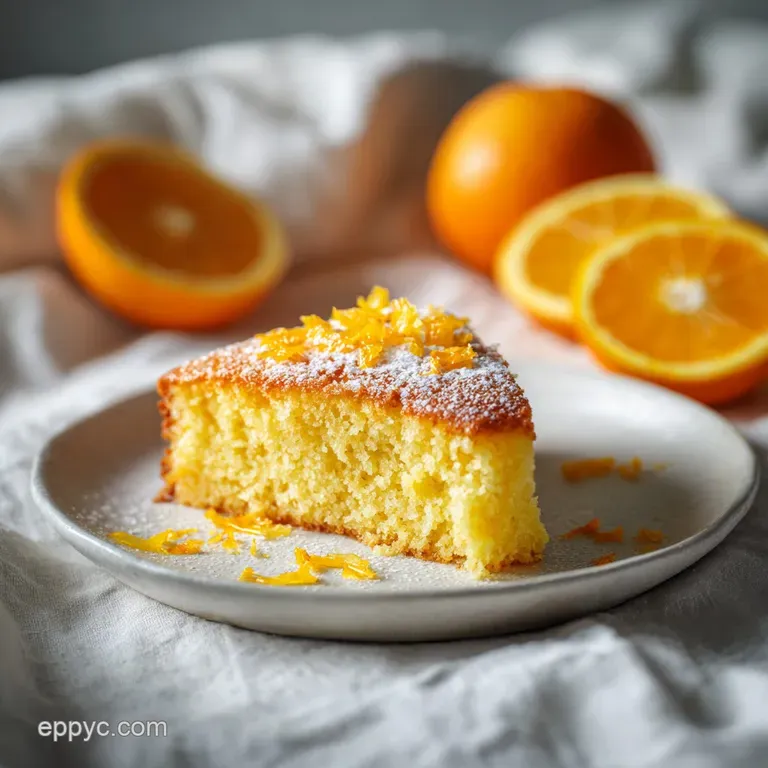
- Time: Active 20 minutes, Passive 45 minutes, Total 65 minutes
- Flavor/Texture Hook: A velvety, tender crumb with a glowing, honey brightened citrus finish.
- Perfect for: Garden parties, elegant brunches, or a sophisticated afternoon tea.
- Crafting the Brightest and Most Joyful Homemade Orange Cake
- The Secret Behind That Velvety Citrus Crumb
- Component Analysis and Ingredient Deep Dive
- Curating Your Pantry for This Citrus Masterpiece
- Tools of the Trade for a Show Stopping Bake
- The Art of Whisking Your Way to Perfection
- Mastering Common Obstacles and Achieving Baking Success
- Scaling Your Creation for Grand Galas or Small Gatherings
- Adding a Signature Touch Through Creative Variations
- Debunking Common Citrus Baking Myths
- Preserving the Radiant Freshness of Your Citrus Bake
- Artful Presentations to Spark Joy at the Table
- Recipe FAQs
- 📝 Recipe Card
Crafting the Brightest and Most Joyful Homemade Orange Cake
The second you begin rubbing fresh orange zest into granulated cane sugar, your entire kitchen transforms into a sun drenched citrus grove. You can actually see the sugar change from a stark white to a luminous, pale apricot hue as the essential oils are released from the peel.
It is a moment of pure culinary artistry, where a simple ingredient becomes a fragrant base for something truly special. I remember the first time I tried this specific "orange sugar" technique the aroma was so potent it felt like I could taste the cake before it even touched the oven.
This homemade orange cake is not your typical dry, crumbly sponge; it is an exploration of textures and heights. We use a combination of light olive oil and full fat Greek yogurt to ensure the cake stays moist for days, while the addition of honey adds a complex, floral undertone that complements the citrus perfectly.
It is the kind of bake that makes you want to slow down, put on some music, and really enjoy the process of whisking and folding. There is a specific joy in watching the batter turn into a pale, foamy ribbon that promises a light and airy result.
When you finally pull it out of the oven, the edges should be just beginning to pull away from the pan, and the top will have a beautiful, golden brown glow. Brushing on that warm honey orange glaze is the final act of love, creating a slightly tacky, shimmering surface that catches the light.
Whether you are serving this at a festive gathering or simply enjoying a thick slice with your morning coffee, this cake feels like a celebration of brightness and warmth.
The Secret Behind That Velvety Citrus Crumb
Understanding the interaction between these specific ingredients is what turns a good baker into a great one. We aren't just tossing things into a bowl; we are orchestrating a series of reactions that lead to that specific, tender mouthfeel.
- Acid Base Harmony: The lactic acid in the Greek yogurt reacts immediately with the baking soda to create carbon dioxide bubbles, giving the cake a lift that is far more delicate than using baking powder alone.
- Hygroscopic Honey: Honey is naturally hygroscopic, meaning it attracts and holds onto moisture much better than plain sugar, which keeps the cake feeling fresh and "springy" even on the second or third day.
- The Emulsion Factor: Whisking the light olive oil slowly into the egg and yogurt mixture creates a stable emulsion, ensuring the fat is evenly distributed so you don't end up with "greasy" spots in the finished crumb.
- Reduced Juice Concentration: Simmering the orange juice before adding it to the batter removes excess water while intensifying the flavor profile, giving you a punch of citrus without watering down the structure of the cake.
| Pan Type | Internal Temp | Rest Time | Visual Cue |
|---|---|---|---|
| 9 inch Springform | 200°F (93°C) | 15 minutes | Sides pull away slightly |
| Loaf Pan (9x5) | 205°F (96°C) | 20 minutes | Deep golden brown crack on top |
| Bundt Pan | 200°F (93°C) | 10 minutes | Cake feels springy to the touch |
Choosing the right pan changes the personality of the bake entirely, but the internal temperature remains the gold standard for knowing exactly when to pull it from the heat. A springform pan allows for easy removal and a taller, more elegant profile, whereas a loaf pan offers a rustic charm that is perfect for thick, toasted slices.
Component Analysis and Ingredient Deep Dive
Every element in this recipe serves a distinct purpose, moving beyond mere flavor to provide the structural integrity required for a moist, homemade orange cake. When we look at the chemistry of the bake, the fats and sugars work in tandem to inhibit gluten development, which is why the texture remains so soft and velvety.
| Ingredient | Science Role | Pro Secret |
|---|---|---|
| Full fat Greek Yogurt | Provides acidity for leavening and heavy moisture. | Use room temperature yogurt to prevent the olive oil from seizing. |
| Light Olive Oil | Keeps the crumb tender and moist at room temperature. | Choose a "light" variety to avoid an overpowering savory olive flavor. |
| Granulated Cane Sugar | Aerates the eggs and provides structural "crunch" on the edges. | Rub the zest in for at least 2 minutes to fully release the citrus oils. |
| Large Fresh Oranges | Provides flavor, acidity, and natural fruit sugars. | Choose heavy, thin skinned oranges; they usually contain the most juice. |
Curating Your Pantry for This Citrus Masterpiece
To achieve the best results, you'll want to gather these specific items. Using weight measurements (grams) for the dry ingredients is highly recommended for consistency, as a "cup" of flour can vary wildly depending on how you scoop it.
- 250g all purpose flour: Why this? Provides the perfect protein balance for a soft yet sturdy cake structure. (Substitute: 1:1 gluten-free baking blend)
- 240g plain full fat Greek yogurt: Why this? Adds richness and essential acidity for the baking soda to react with. (Substitute: Sour cream)
- 120ml honey: Why this? Keeps the cake moist and adds a floral depth of flavor. (Substitute: Maple syrup)
- 100g granulated cane sugar: Why this? Essential for macerating the zest and creating a light, airy egg foam. (Substitute: Granulated white sugar)
- 3 large eggs: Why this? Provides structure and emulsification for the fats. (Substitute: 3 flax eggs, though the rise will be denser)
- 3 large fresh oranges: Why this? Both the zest and the reduced juice provide the primary flavor profile. (Substitute: Tangerines or Blood Oranges)
- 120ml light olive oil: Why this? Ensures the cake stays moist longer than butter based cakes. (Substitute: Grapeseed or Avocado oil)
- 10g baking powder: Why this? Provides the primary lift during the baking process.
- 2g baking soda: Why this? Reacts with the yogurt for extra fluffiness and aids in browning.
- 3g sea salt: Why this? Enhances the sweetness and brightens the citrus notes.
- 1 tbsp honey (for glaze): Why this? Creates a shiny, slightly sticky finish.
- 60ml fresh orange juice (for glaze): Why this? Thins the honey and adds a final hit of fresh acid.
Tools of the Trade for a Show Stopping Bake
Having the right equipment makes the process much more fluid and enjoyable. You don't need a kitchen full of gadgets, but a few specific tools will help you achieve that professional, artistic finish we're looking for.
A high-quality 9 inch springform pan is my personal favorite for this recipe because it allows you to release the cake without any risk of it sticking to the sides. You'll also want a microplane or a very fine grater for the zest; you want the zest to be almost like a dust so it distributes evenly throughout the batter. If you're interested in other fruit forward bakes, this cake actually shares some structural similarities with my Urban Farm Applesauce cake, which also focuses on moisture and natural sweetness.
A sturdy balloon whisk is essential for beating the eggs and honey into a pale foam. While a stand mixer (like a KitchenAid) is convenient, I often find that doing this by hand allows you to feel the change in the batter's consistency.
Finally,, a small saucepan is required to reduce the orange juice; this step is non negotiable if you want a concentrated flavor that doesn't make the batter too thin.
The Art of Whisking Your Way to Perfection
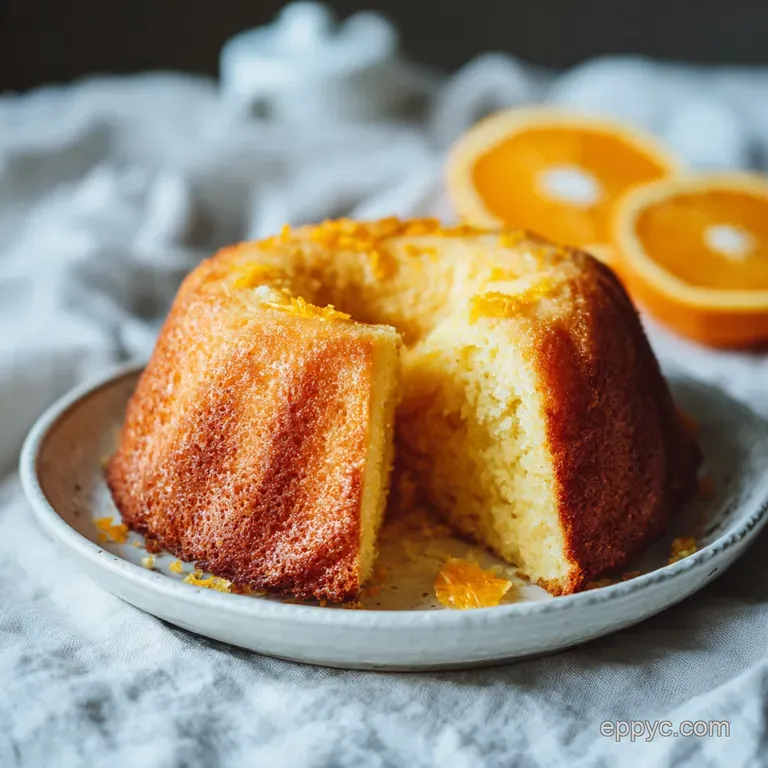
Follow these steps carefully to ensure your homemade orange cake has the perfect rise and a shimmering glaze.
- Preheat and Prep: Set your oven to 350°F (175°C) and grease your 9 inch springform pan. Note: Greasing thoroughly ensures the delicate edges don't tear during removal.
- Macerate the Zest: Rub the orange zest into the 100g cane sugar with your fingertips until the sugar is damp and incredibly fragrant.
- Reduce the Juice: In a small saucepan over medium heat, simmer 120ml of orange juice until it reduces by about half. Set aside to cool.
- Whisk Dry Ingredients: In a medium bowl, combine the flour, baking powder, baking soda, and sea salt.
- Create the Foam: In a large bowl, beat the 3 eggs with the orange sugar and honey until the mixture is light, pale, and holds a ribbon for a few seconds.
- Emulsify the Fats: Slowly stream in the olive oil and Greek yogurt, whisking constantly until the mixture is smooth and velvety.
- Incorporate the Base: Gradually fold the dry ingredients into the wet mixture, alternating with the cooled, reduced orange juice.
- Final Fold: Stop mixing the moment you see no more streaks of flour to prevent a rubbery texture.
- Bake to Perfection: Pour into the pan and bake for 45 minutes until a tester comes out clean and the top is golden.
- Glaze and Glow: Simmer the 60ml juice and 1 tbsp honey for 2 minutes, then brush over the cake while it is still warm.
| Fresh Method | Shortcut Method | Flavor Impact | Texture Result |
|---|---|---|---|
| Reducing Fresh Juice | Using Bottled Juice | Intense, bright citrus | Light and airy crumb |
| Rubbing Zest into Sugar | Mixing Zest into Batter | Deep floral aroma | Fragrant throughout |
| Fresh Honey Glaze | store-bought Frosting | Balanced sweetness | Shimmering, moist finish |
Mastering Common Obstacles and Achieving Baking Success
Even the most seasoned home cooks run into a few hiccups now and then. The key is knowing how to read the batter and the oven's behavior to make adjustments on the fly.
The Problem of the Sunken Center
If your cake looks beautiful in the oven but collapses as soon as you take it out, it usually comes down to one of two things: underbaking or opening the oven door too early. The structure of this cake relies on the proteins in the eggs setting properly.
If the temperature drops suddenly because you were peeking, the air bubbles will contract before the "walls" of the cake are strong enough to hold them up. Always wait until at least the 35 minute mark before checking for doneness.
Rubbery or Dense Crumb
This is almost always a result of overworking the flour. When you mix flour with wet ingredients, gluten begins to form. A little gluten is good for structure, but too much will turn your cake into something resembling a bagel.
Use a gentle folding motion with a spatula rather than a vigorous whisk once the dry ingredients are added.
| Problem | Root Cause | Solution |
|---|---|---|
| Cake is too dry | Oven temperature too high | Check oven with a thermometer; reduce time by 5 mins next time. |
| Greasy bottom | Emulsion broke during mixing | Add oil in a very slow, steady stream while whisking. |
| Bitter aftertaste | Zested too deep into the pith | Only zest the bright orange outer layer; avoid the white part. |
Common Mistakes Checklist
- ✓ Ensure your eggs and yogurt are at room temperature before starting to help the emulsion stay stable.
- ✓ Don't skip the juice reduction step; the extra water in fresh juice can ruin the rise.
- ✓ Use a light colored baking pan if possible, as dark pans can cause the edges to brown too quickly.
- ✓ Let the cake cool in the pan for exactly 15 minutes before releasing the springform ring.
- ✓ Always zest your oranges before juicing them it’s nearly impossible to zest a squeezed orange half!
Scaling Your Creation for Grand Galas or Small Gatherings
Adjusting this recipe for different crowds is quite simple, but you must be mindful of the leavening agents.
When scaling down (cutting the recipe in half), you can use a 6 inch round pan. You'll want to reduce the baking time by about 20%, so start checking around the 30 minute mark. For the half egg, simply whisk one egg in a small bowl and measure out two tablespoons.
When scaling up to a double batch, I recommend baking in two separate 9 inch pans rather than one giant one. This ensures even heat distribution. If you do decide to use a larger pan, such as a 10x15 inch sheet pan for a "crowd" version, remember to only increase the salt and spices by 1.5x to avoid overwhelming the delicate citrus notes.
Adding a Signature Touch Through Creative Variations
Once you have mastered the base recipe, the possibilities for artistry are endless. You can easily pivot the flavor profile to suit different seasons or occasions.
The Floral Infusion
For an incredibly elegant twist, add a teaspoon of orange blossom water to the batter along with the Greek yogurt. This amplifies the citrus notes and adds a hauntingly beautiful floral aroma that pairs perfectly with a cup of Earl Grey tea.
You can also replace the sea salt with a pinch of crushed dried lavender for a "Provencal" style cake.
The Mediterranean Olive Oil Swap
While we use a "light" olive oil for a neutral base, using a high-quality, robust extra virgin olive oil can add a sophisticated, peppery finish. This version is less "dessert like" and more "artisan bakery style." If you go this route, consider adding a few cracks of black pepper to the glaze for a truly unique flavor profile. For another fruit based variation with a completely different texture, you might want to explore my Homemade Apple Butter as a topping instead of the glaze.
Debunking Common Citrus Baking Myths
There is a lot of misinformation out there about how to get the most flavor out of an orange. Let's set the record straight so your bakes are always successful.
Myth: Adding more juice always equals more orange flavor. Actually, adding more juice just adds more water and acid, which can throw off the pH balance of your batter and lead to a gummy texture. The real "orange" flavor lives in the zest.
The oils in the peel are concentrated and aromatic, whereas the juice provides mostly sweetness and acidity. This is why we reduce the juice we want the flavor without the volume of liquid.
Myth: You should always use butter for the best flavor. While butter is wonderful, oil based cakes (especially those using olive oil) actually have a superior texture when served at room temperature or slightly chilled. Butter solidifies when cool, which can make a cake feel dry.
Olive oil remains liquid, ensuring every bite is velvety and moist regardless of the temperature.
Preserving the Radiant Freshness of Your Citrus Bake
Because of the honey and yogurt, this cake stays moist longer than most. However, proper storage is key to maintaining that "just baked" joy.
Storage: Keep the cake under a glass cloche or wrapped in parchment paper at room temperature for up to 3 days. If you live in a very humid environment, you may want to store it in the fridge, but let it come back to room temperature before serving to soften the crumb.
It can be frozen for up to 2 months; just wrap it tightly in plastic wrap and then foil. Thaw it overnight in the fridge.
Zero Waste: Don't throw away those squeezed orange halves! You can use the remaining peels to make a quick "citrus cleaner" by soaking them in white vinegar, or you can boil them with water and cinnamon sticks to create a natural stovetop potpourri.
If you have leftover glaze, it's wonderful stirred into a cup of hot tea or drizzled over morning oatmeal.
Artful Presentations to Spark Joy at the Table
A cake this beautiful deserves a grand entrance. When you're ready to serve, think about the visual contrast. A simple dusting of powdered sugar can look like fallen snow against the golden crust, but for a more artistic flair, I love to use candied orange slices.
To make them, simmer thin rounds of orange in a simple syrup (equal parts sugar and water) until translucent, then let them dry on a wire rack. Arrange them in an overlapping pattern on top of the glazed cake.
Serve each slice with a generous dollop of extra Greek yogurt mixed with a little honey, or a swirl of lightly sweetened whipped cream. The tang of the yogurt cuts through the sweetness of the honey, creating a perfectly balanced bite that will have your friends asking for the recipe before they've even finished their first piece.
Right then, let's get those oranges zested you're going to love this!

Recipe FAQs
What are the ingredients in orange cake?
This recipe uses 250g all-purpose flour, 240g Greek yogurt, 120ml honey, 100g sugar, 3 eggs, 3 oranges, 120ml olive oil, 10g baking powder, 2g baking soda, and 3g sea salt. The glaze requires an additional 60ml of fresh juice and 1 tbsp of honey.
What type of flour is best for orange cake?
Use standard all-purpose flour for the best structure. It provides the necessary protein content to hold the moisture from the Greek yogurt and orange juice without making the cake tough.
What is the 1234 cake rule?
No, this is a common misconception. The 1234 rule one cup of butter, two cups of sugar, three cups of flour, and four eggs does not apply here, as this recipe uses olive oil and yogurt to create a distinct, moist Mediterranean style texture. If you enjoyed mastering the moist texture achieved through dairy based fats in this recipe, you will find similar principles used in our other yogurt based cakes.
Can I use orange juice instead of water in a cake mix?
Yes, but you must reduce it first. Plain orange juice contains too much water, which can collapse a cake's rise; simmer your juice over medium heat until it concentrates before adding it to your batter.
How to ensure the cake doesn't stick to the pan?
Grease your 9 inch pan thoroughly before pouring in the batter. Let the cake cool inside the pan for exactly 15 minutes before releasing the springform ring to prevent the sides from tearing.
How to get the most flavor from the oranges?
Rub the fresh zest directly into the sugar with your fingertips. This physical friction releases the aromatic citrus oils into the sugar granules, creating a much more intense orange base than simply adding zest to the wet ingredients.
How to tell if the orange cake is done?
Insert a cake tester into the center of the cake after 45 minutes of baking at 350°F (175°C). If it comes out clean without wet batter attached, the cake is finished and ready for the honey juice glaze.
Homemade Orange Cake Recipe
Ingredients:
Instructions:
Nutrition Facts:
| Calories | 282 kcal |
|---|---|
| Protein | 5.7 g |
| Fat | 11.7 g |
| Carbs | 39.8 g |
| Fiber | 0.7 g |
| Sugar | 23.1 g |
| Sodium | 234 mg |
