Hot Honey Recipe
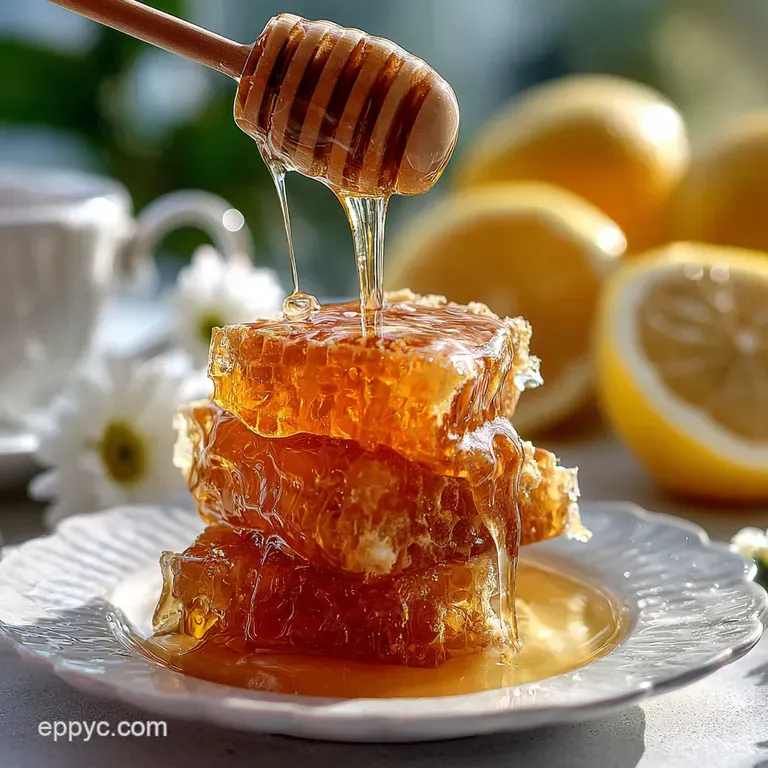
- Time: Active 2 minutes, Passive 3 minutes, Total 5 minutes
- Flavor/Texture Hook: Velvety, spicy, and floral
- Perfect for: Pizza nights, fried chicken, or charcuterie boards
- Create an Irresistible Spicy Kick with This Simple Hot Honey Recipe
- The Molecular Dance of Heat and Sugar
- Quick Preparation Specs for Busy Home Kitchens
- Analyzing the Key Ingredients for Maximum Flavor Impact
- Essential Kitchen Tools for a Smooth Infusion Process
- Step by Step Guide to Crafting Liquid Gold
- Avoiding Common Blunders for a Flawless Batch
- Budget Friendly Swaps and Tasty Flavor Variations
- Keeping Your Spicy Condiment Fresh for Weeks
- Creative Ways to Drizzle Your New Favorite Sauce
- Recipe FAQs
- 📝 Recipe Card
Create an Irresistible Spicy Kick with This Simple Hot Honey Recipe
The first time I saw someone drizzle red tinted syrup over a pepperoni pizza, I was skeptical. Then I smelled it. That sharp, tangy aroma of vinegar clashing with the deep, floral scent of warm honey hit me before the first bite even touched my tongue.
I watched the gold liquid bead up on the crispy cheese, and after one bite, I was hooked on the way the heat cut right through the grease. It was a total wake up call for my taste buds.
Honestly, I used to buy those tiny, expensive bottles at the boutique grocery store because I thought there was some secret technology behind getting the heat just right. I was so wrong.
One afternoon, after staring at a half empty jar of clover honey and a bag of chili flakes, I decided to empower my inner chef and just try it myself. The result wasn't just good; it was better than the store-bought stuff because I could control the "burn."
We've all been there, standing in the kitchen wondering if we're about to ruin a perfectly good batch of ingredients. But this process is incredibly forgiving. You don't need a degree in food science to master the simmer.
It’s all about the timing and the temperature, and once you see those flakes swirling in the velvety amber liquid, you'll realize you've just unlocked a whole new level of home cooking.
The Molecular Dance of Heat and Sugar
Capsaicin Extraction: The gentle warmth from the honey acts as a natural solvent, pulling the fiery oils from the red pepper flakes without scorching the sugars. This creates a rounded heat that glows on the palate rather than a sharp sting that disappears quickly.
| Method | Time | Texture | Best For |
|---|---|---|---|
| Fast Simmer | 3 minutes | Thin, very spicy | Quick pizza topping |
| Cold Infusion | 24 hours | Thick, floral heat | Charcuterie boards |
| Double Boiler | 10 minutes | Velvety, consistent | Large gift batches |
Right then, picking the right method depends on how much patience you have. If you're like me and want that sizzle immediately, the stovetop method is your best friend, but if you want a cleaner look, the cold infusion is a brilliant way to keep the honey crystal clear while still packing a punch.
Quick Preparation Specs for Busy Home Kitchens
When we talk about digital precision in the kitchen, we’re usually thinking about complex bakes, but even a simple syrup benefits from a bit of tech. Using a digital thermometer ensures you don't overshoot the mark and turn your honey into a sticky, burnt mess.
We want to keep the honey’s natural enzymes intact while encouraging the peppers to release their magic.
The beauty of this project is the lack of "fluff." You only need three things, and you likely have them in your pantry right now. It's the ultimate budget friendly win that feels like a high end luxury.
Since we aren't using expensive peppers like habaneros or serranos, the crushed red pepper flakes provide that classic "shatter" of heat that everyone recognizes.
- Active Time: 2 minutes (just enough to measure and stir)
- Infusion Time: 3 minutes (the sweet spot for heat release)
- Total Output: 16 servings of liquid gold
Analyzing the Key Ingredients for Maximum Flavor Impact
Component Analysis
| Ingredient | Science Role | Pro Secret |
|---|---|---|
| Quality Honey | Viscosity & Base | Use wildflower honey for a deeper, more complex floral profile than standard clover. |
| Red Pepper Flakes | Capsaicin Source | Toast them in a dry pan for 30 seconds before adding honey to wake up the oils. |
| Apple Cider Vinegar | pH Balancer | The acidity cuts the cloying sweetness and prevents the honey from feeling heavy. |
Let’s talk about that honey for a second. You don't need the most expensive Manuka, but avoiding the "honey flavored syrup" in the bear shaped bottle is a must. Real honey has a specific weight and flow it should feel heavy in the jar. When you mix it with the vinegar, it transforms from a simple sweetener into a complex sauce that mirrors the technique used in my favorite Sweet & Tangy recipe.
Ingredients & Substitutes
- 1 cup (340g) quality honey: Use local if possible. Why this? Local honey often contains pollen that adds unique, earthy notes.
- Substitute: Agave nectar (Note: thinner consistency and more neutral sweetness).
- 2 tablespoons crushed red pepper flakes: These are the workhorse of the spice cabinet. Why this? They provide consistent heat without the moisture of fresh peppers.
- Substitute: Gochugaru (Korean chili flakes) for a smokier, milder heat.
- 1 tablespoon apple cider vinegar: This provides the "tang" that makes your mouth water. Why this? It bridges the gap between the sugar and the spice perfectly.
- Substitute: Fresh lemon juice for a brighter, more citrus forward finish.
Essential Kitchen Tools for a Smooth Infusion Process
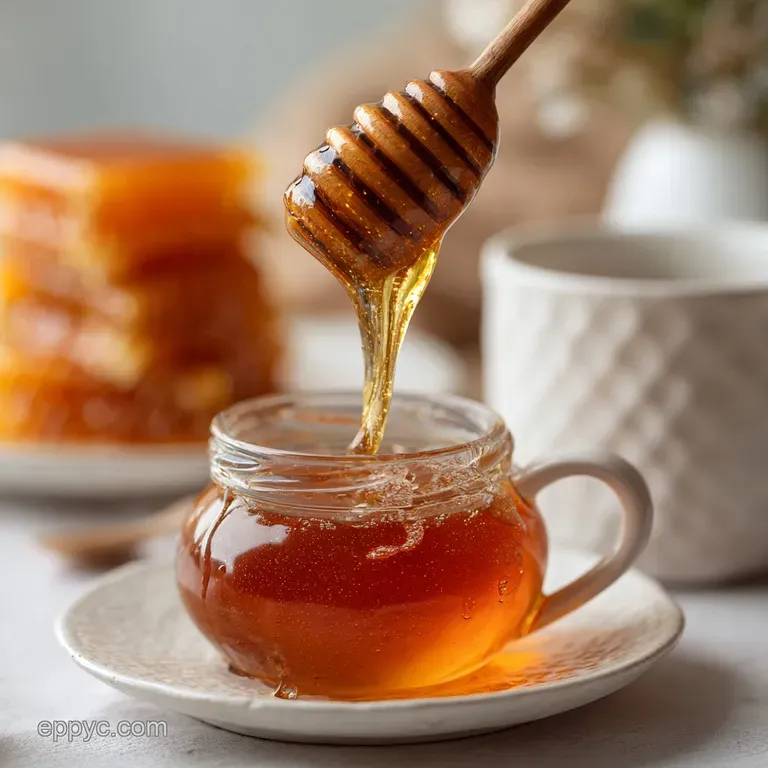
You don't need a high tech lab, but a small stainless steel saucepan is better than non stick here. You want to see the color change of the honey as it heats up. If you use a dark pan, you might miss the moment it starts to darken too much.
A simple silicone spatula is also better than a metal spoon because it lets you scrape every last bit of the sticky stuff out of the corners.
If you’re planning on making this a regular part of your rotation, I highly suggest getting a few small glass jars with airtight lids. Plastic will absorb the spicy oils over time, making it hard to clean.
Glass keeps the flavor pure and looks much more professional if you're planning to gift these to your food obsessed friends.
Chef's Tip: Freeze your honey for 10 minutes before pouring it into the measuring cup. It slows the flow just enough to prevent a massive mess on your counter, giving you better digital scale accuracy.
step-by-step Guide to Crafting Liquid Gold
- Prep the honey. Pour 1 cup (340g) quality honey into a small saucepan. Note: Use a light colored pan to monitor the honey's clarity.
- Add the spice. Stir in 2 tablespoons crushed red pepper flakes. Note: Don't worry if they float; they'll submerge as the honey thins out.
- Heat the mixture. Set the burner to medium low and watch until the first small bubbles appear at the edges.
- Monitor the temperature. Keep the honey below 160°F (71°C). Note: Excessive heat destroys the honey's floral nuances.
- Simmer gently. Let the mixture sit on low heat for 3 minutes until the honey becomes fragrant and turns a darker amber.
- Infuse the acid. Remove the pan from the heat and stir in 1 tablespoon apple cider vinegar.
- Cool slightly. Let the mixture sit in the pan for 5 minutes until the "sizzle" stops and it begins to thicken.
- Strain (optional). Pour the honey through a fine mesh sieve if you want a clear liquid. Note: I prefer leaving the flakes in for a rustic, spicy look.
- Bottle it up. Transfer the warm honey into a clean glass jar.
- Set aside. Let it cool completely at room temperature before sealing the lid.
Avoiding Common Blunders for a Flawless Batch
One mistake I once made was walking away from the stove to check a notification on my phone. Honey goes from "perfectly warm" to "burnt sugar" in a heartbeat. It’s a heartfelt lesson in staying present. If you burn it, there’s no saving it the bitterness will overwhelm the spice.
Trust me on this: stay by the pot for those three minutes.
Another thing to watch for is crystallization. This happens when the sugar molecules decide to clump back together. It’s not "spoiled," but it ruins that velvety texture we’re going for.
Adding the vinegar actually helps with this, as the acid interferes with the crystal formation, keeping your sauce smooth and pourable for much longer.
Why Your Honey Crystallized
| Problem | Root Cause | Solution |
|---|---|---|
| Gritty Texture | Rapid cooling or moisture | Place the jar in a bowl of warm water to re melt crystals. |
| No Heat Kick | Old pepper flakes | Use a fresh bag of flakes or toast them before adding honey. |
| Cloudy Appearance | Overheating | Keep the temperature below 160°F to prevent wax/impurities from clouding. |
Common Mistakes Checklist
- ✓ Never let the honey reach a rolling boil (it changes the flavor profile into caramel).
- ✓ Don't use a wet spoon to stir (water introduces bacteria and encourages mold).
- ✓ Use a thermometer if you’re unsure honey is deceptive in how fast it retains heat.
- ✓ Keep the lid off until the honey is 100% room temperature to prevent condensation.
- ✓ If you want it hotter, let the flakes steep for an extra hour before straining.
Budget Friendly Swaps and Tasty Flavor Variations
You don't need to break the bank to get a high end result. If quality honey is currently outside the budget, you can use a 50/50 mix of honey and light corn syrup. It won't have the same depth of flavor, but the corn syrup acts as a powerful interference agent against crystallization, making it incredibly stable.
This is a smart way to empower your pantry without a huge investment.
For those who want to get a little tech savvy with their flavors, try adding a "bridge" ingredient. A tiny splash of soy sauce can add an umami depth that makes this even better for savory dishes like fried chicken. It’s similar to how we balance the sweetness in a Honey Butter Recipe to make it work for more than just toast.
Customizing the Heat
- If you want smokiness, add chipotle powder. The earthy heat pairs beautifully with the vinegar.
- If you want citrus notes, add lemon zest. This brightens the heavy sweetness of the honey.
- If you want "Nashville" style, add a pinch of cayenne. This increases the "back of-the throat" burn.
Substitution Table
| Original Ingredient | Substitute | Why It Works |
|---|---|---|
| Apple Cider Vinegar | Rice Vinegar | Softer acidity. Note: Better for Asian inspired dishes. |
| Red Pepper Flakes | Dried Arbol Chilies | Hotter and cleaner heat. Note: Requires more straining effort. |
| Clover Honey | Agave Nectar | Low glycemic index. Note: The sauce will be much thinner. |
Keeping Your Spicy Condiment Fresh for Weeks
Since honey is a natural preservative, this spicy version will last a long time. Store it in a cool, dark cupboard rather than the fridge. Refrigeration is the enemy of smooth honey; it accelerates crystallization and turns your velvety sauce into a solid brick.
If you do find it getting a bit stiff, just pop the jar into a bowl of warm water for a few minutes.
I love to use up the "bottom of the jar" scraps by making a quick glaze for carrots or roasted nuts. There’s zero waste here. Even the strained out pepper flakes can be tossed into a stir fry or mixed into a compound butter for a spicy bread spread.
It’s all about getting the most value out of your ingredients.
- Shelf Life: 2-3 months in a cool, dark pantry.
- Freezing: Not recommended (it ruins the texture and isn't necessary for preservation).
- Zero Waste: Save the spicy flakes to top avocado toast or mix into mayo for a spicy sandwich spread.
Creative Ways to Drizzle Your New Favorite Sauce
So, you've made the batch, and it looks beautiful. Now what? While pizza and wings are the obvious choices, don't sleep on the breakfast applications. Drizzling this over a piece of buttered cornbread or even a bowl of Greek yogurt with salty granola is a revelation.
It bridges the gap between sweet and savory in a way few other condiments can.
If you’re hosting a party, this is the ultimate "wow" factor for a cheese board. It pairs exceptionally well with creamy cheeses like Brie or salty ones like Pecorino. It’s the kind of heartfelt addition that makes people ask for the recipe before they've even finished their first cracker. It even works as a quick glaze for a Ramen Noodle Asian Salad recipe if you want to add a spicy sweet crunch.
Flavor Myths
Myth: Hot honey needs to be refrigerated. The truth is that honey is naturally antimicrobial and acidic enough to stay shelf stable for months. In fact, cold temperatures will only make it crystallize faster, making it harder to pour when you're ready for that late night pizza.
Myth: You have to use fresh peppers for the best heat. Actually, dried flakes are superior here because they don't introduce moisture into the honey. Fresh peppers contain water, which could potentially lower the sugar concentration enough to allow for mold growth over time.
Flakes provide a stable, intense heat that lasts.
Decision Shortcut
- If you want a dipping sauce, leave the flakes in for texture.
- If you want a clean glaze, strain the honey while it's still warm.
- If you want a gift, add a whole dried chili pod to the jar for visual flair.
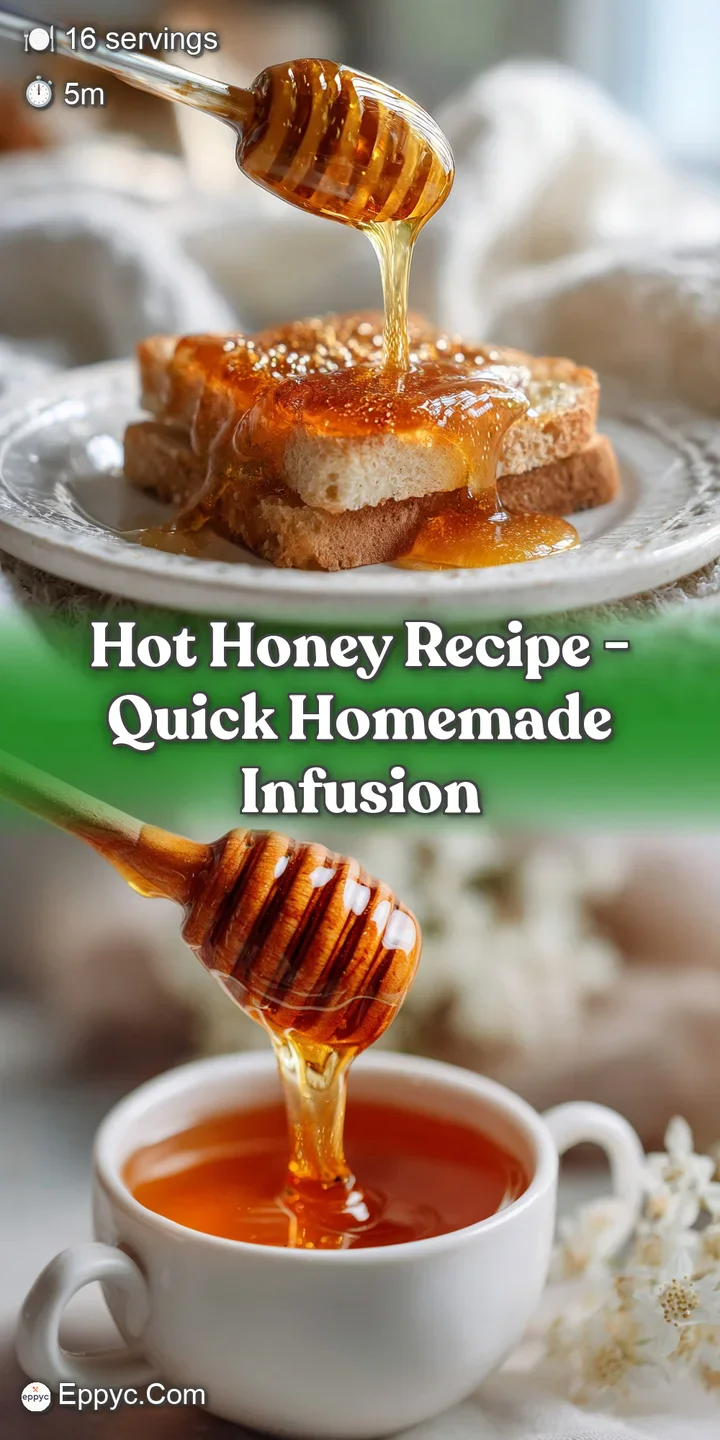
Recipe FAQs
How is hot honey made?
Gently heat honey with chili flakes and a touch of vinegar. The warmth extracts the capsaicin oils from the chili flakes, infusing the honey with heat. A small amount of vinegar cuts through the sweetness and balances the flavor.
Is hot honey just honey and chili flakes?
No, this is a common misconception. While honey and chili flakes are the core ingredients, adding a small amount of vinegar is crucial for flavor balance. The acidity cuts the sweetness and creates a more complex, well rounded condiment.
Why do you add vinegar to hot honey?
To balance the sweetness and enhance flavor complexity. The acidity of the vinegar cuts through the richness of the honey, preventing it from being cloyingly sweet. This creates a dynamic sweet, spicy, and tangy profile that works with many dishes.
Why is Mike's hot honey so good?
It achieves a perfect balance of heat, sweetness, and tang. The quality of the honey and the specific chili blend create a smooth, lingering heat without being overpowering. The subtle acidity from the vinegar brightens the flavor, making it versatile.
How do I get the right heat level in my hot honey?
Control the amount and type of chili flakes, and steeping time. For milder heat, use fewer flakes or a less potent variety. For more intense heat, use more flakes or a hotter pepper like arbol, and allow them to steep longer in the warm honey. This principle of controlling ingredient impact is key in recipes like Apple and Honey Glazed Chicken Tenders.
Can I make hot honey without heating it?
Yes, a cold infusion method works. Combine honey and chili flakes in a jar and let it sit at room temperature for at least 24 hours, or longer for more heat. This method preserves more of the honey's raw enzymes and floral notes, resulting in a slightly different flavor profile.
What kind of honey is best for hot honey?
A quality, liquid honey with a distinct flavor is ideal. Wildflower or buckwheat honey offers a more complex profile than plain clover honey. The natural flavors of the honey complement the spice and vinegar, creating a richer taste, much like how quality ingredients elevate a Simply Stunning Apple Tart.
Hot Honey Recipe
Ingredients:
Instructions:
Nutrition Facts:
| Calories | 66 kcal |
|---|---|
| Protein | 0.1 g |
| Fat | 0.1 g |
| Carbs | 18 g |
| Fiber | 0.1 g |
| Sugar | 17.4 g |
| Sodium | 1 mg |
