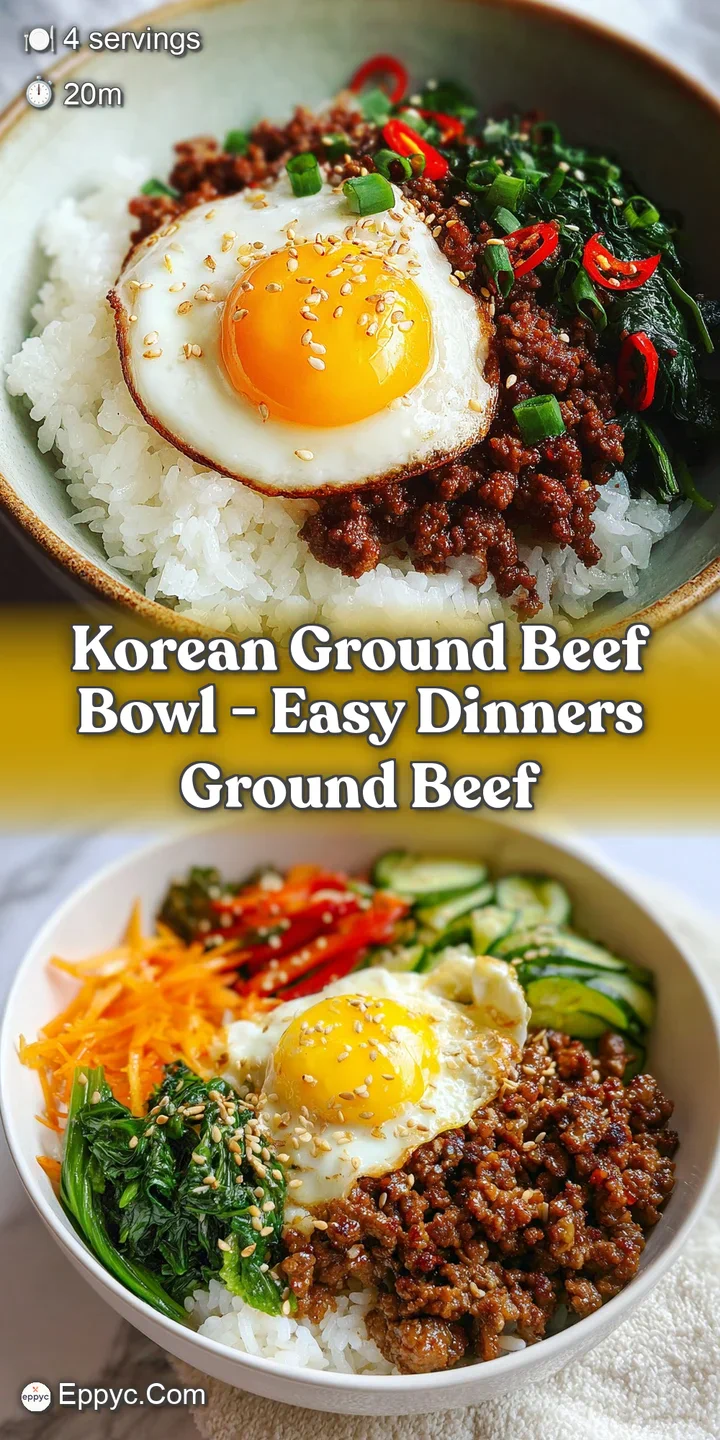
Korean Ground Beef Bowl
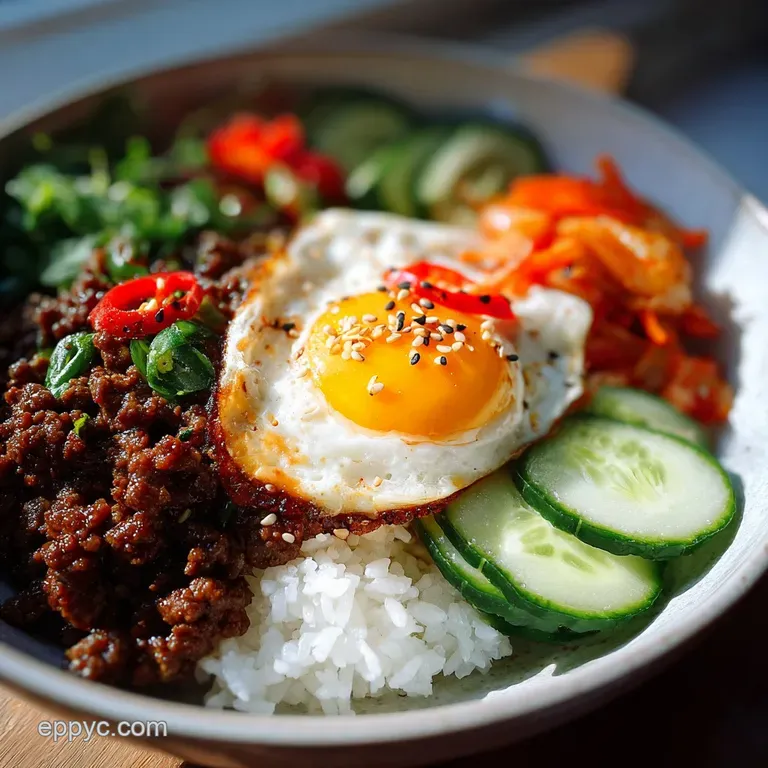
- Time: Active 10 minutes, Passive 10 minutes, Total 20 minutes
- Flavor/Texture Hook: Sizzling, caramelized beef with a velvety, spicy sweet glaze
- Perfect for: Busy weeknights when you need a high protein, low effort win
- Master the Ultimate Korean Ground Beef Bowl
- Understanding the Core Specs of This Dish
- Selecting Quality Ingredients for Maximum Flavor
- The Minimal Tools Required for Success
- Step-by-Step Guide to Sizzling Perfection
- Fixing Common Texture and Flavor Issues
- Clever Ingredient Swaps for Every Pantry
- Scaling For Larger Families
- Kitchen Myths Debunked
- Keeping Your Leftovers Fresh and Tasty
- Side Dishes to Round Out Your Meal
- Korean Ground Beef Bowl FAQs
- 📝 Recipe Card
Listen, the sizzle of fat hitting a hot pan is the universal sound for "I have got this handled." We have all been there at 6:00 PM, staring at a brick of ground beef and wondering if we can make it more interesting than just another taco night.
This Korean Ground Beef Bowl is my absolute favorite solution because it feels like a total cheat code. It is fast, it is punchy, and it uses things you probably already have hiding in your cabinet.
I used to think you needed expensive cuts of ribeye or hours of marinating to get that authentic bulgogi vibe. Honestly, don't even bother with the fancy steak for a Tuesday night. The secret to this Easy Ground Beef Dinner is all in how we treat the meat in the pan.
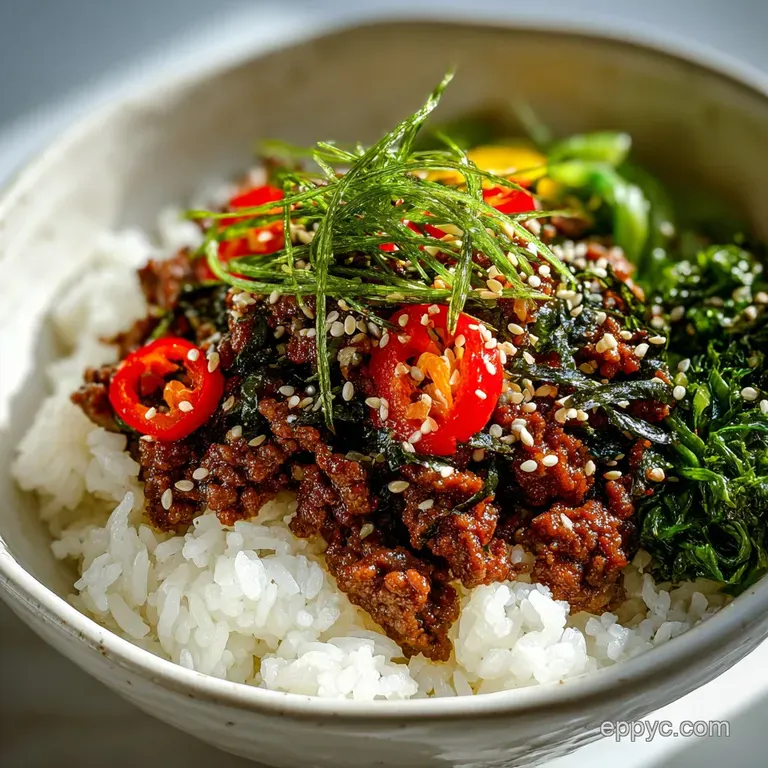
We are going for those crispy, dark edges that shatter when you bite into them, contrasted with a sauce that is just sticky enough to cling to every grain of rice.
Right then, let's get into what actually makes this work. We are going to empower your inner chef by focusing on a few small techniques that yield huge results. You will get the heat from the gochujang and the zing from fresh ginger, creating a bowl that is way more than the sum of its parts.
Trust me on this, once you try this Quick Weeknight Korean Meal, it will be on your permanent rotation.
Master the Ultimate Korean Ground Beef Bowl
The magic of this dish lies in the balance between the intense heat of the skillet and the sugar heavy sauce. When we cook this Korean Ground Beef Bulgogi Bowl, we are essentially creating a fast motion version of a slow braised dish.
By using ground beef, we increase the surface area available for the sauce to coat, meaning every single morsel is packed with flavor.
The Science of Why it Works
Maillard Reaction: High heat transforms meat proteins into complex savory compounds while the dark brown sugar undergoes caramelization to create a sticky glaze. The rice vinegar provides a necessary acidic hit that cuts through the beef fat and balances the heavy sugar content.
- Surface Area Optimization: Breaking the beef into tiny crumbles increases the surface for browning, which means more flavor per bite.
- Emulsification: The combination of sesame oil and the natural fats in the beef helps the soy based sauce thicken into a velvety coating.
- Aromatic Infusion: Adding garlic and ginger after the beef is browned prevents them from burning while allowing their oils to season the fat.
- Sugar Saturation: The high concentration of brown sugar creates a syrup that encapsulates the beef, protecting it from drying out.
Chef Note: If you want a deeper flavor, let the beef sit undisturbed in the pan for the first 3 minutes. Resist the urge to stir! You want that deep brown crust to form before you start breaking it up.
Understanding the Core Specs of This Dish
When we look at the technical side of this Korean Beef Rice Bowl, precision matters. I love using digital tools like a basic kitchen scale to ensure my ratios are spot on every time. It takes the guesswork out of the equation and ensures that your spice levels don't accidentally blow your head off.
| Component | Fresh Method | Shortcut Method | Result Difference |
|---|---|---|---|
| Aromatics | Fresh grated ginger | Ground ginger powder | Fresh is zingy, powder is muted and earthy |
| Sweetener | Dark brown sugar | Honey or maple syrup | Sugar creates a stickier, more traditional glaze |
| Chili Heat | Gochujang paste | Red pepper flakes only | Gochujang adds fermented depth and thickens sauce |
Similar to the technique used in our Korean Beef Bibimbap Bowl recipe, we rely on high-quality condiments to do the heavy lifting. This keeps the ingredient list short but the flavor profile massive. We want to ensure the beef reaches an internal temperature of 160°F while maintaining that juicy interior.
Selecting Quality Ingredients for Maximum Flavor
Picking your elements is where the alchemy happens. Since this is a Ground Beef Bulgogi Recipe, the quality of your meat and the age of your spices will make or break the final bowl.
I always reach for a lean mix because we are adding fat back in via the toasted sesame oil, and too much rendered fat can make the sauce greasy.
Component Analysis
| Ingredient | Science Role | Pro Secret |
|---|---|---|
| Ground Beef (90% lean) | Structural base and protein source | 90/10 lean ratio prevents the sauce from becoming an oil slick |
| Dark Brown Sugar | Caramelization agent and humectant | Use dark sugar for the extra molasses content and deeper color |
| Gochujang | Flavor foundation and thickener | This fermented paste acts as a natural emulsifier for the sauce |
- 1 lb lean ground beef (90% lean): Why this? Provides enough fat for flavor without drowning the bowl in grease.
- 1 tbsp toasted sesame oil: Why this? The high smoke point and nutty aroma are essential for the base.
- 3 cloves garlic, minced: Why this? Adds sharp, savory notes that balance the sweetness.
- 1 tbsp fresh ginger, grated: Why this? Provides a refreshing, spicy bite that cuts through the richness.
- 0.5 tsp red pepper flakes: Why this? Adds a clean, sharp heat to complement the gochujang.
- 0.25 cup low sodium soy sauce: Why this? Delivers salt and umami without making the dish overly briny.
- 0.25 cup dark brown sugar, packed: Why this? Creates the signature sticky glaze and balances the salt.
- 1 tbsp gochujang: Why this? Adds "funk" and a thick, spreadable heat.
- 1 tsp rice vinegar: Why this? Brightens the entire flavor profile with a touch of acid.
- 2 cups cooked jasmine rice: Why this? The floral aroma and fluffy texture soak up the sauce perfectly.
- 2 scallions, thinly sliced: Why this? Adds crunch and a fresh, oniony finish.
- 1 tsp toasted sesame seeds: Why this? Provides a subtle textural contrast and visual pop.
If you are out of beef, this works surprisingly well with ground turkey or chicken, though you might need an extra splash of oil. For more ideas on how beef fat behaves in pans, check out the notes in our Hearty Ground Beef recipe.
The Minimal Tools Required for Success
You don't need a kitchen full of gadgets for this Easy Korean Ground Beef Bowl. In fact, a minimalist approach usually works better here because we want high heat and fast movement.
I recommend a heavy bottomed skillet, preferably cast iron or stainless steel, to maintain temperature when that cold meat hits the surface.
- Large Skillet: A 12 inch pan ensures the beef has room to brown rather than steam in its own juices.
- Microplane or Grater: Essential for turning that fresh ginger into a paste that melts into the sauce.
- Sturdy Spatula: You need something with a flat edge to scrape up those delicious brown bits (the fond) from the bottom.
- Small Mixing Bowl: To whisk the sauce ingredients together before they hit the heat.
Using a digital timer on your phone is a great way to stay empowered during the cook. When things are moving fast, it is easy to lose track of how long the ginger has been in the pan. A quick 60 second countdown for the aromatics ensures they soften without becoming bitter or burnt.
step-by-step Guide to Sizzling Perfection
Let's crack on with the cooking. This process is all about timing and heat management. We want the kitchen to smell like a bustling night market within minutes. Follow these steps for the most velvety result you have ever achieved at home.
- Heat the skillet. Place your large skillet over medium high heat and add the 1 tbsp toasted sesame oil. Note: The oil should shimmer but not smoke.
- Brown the beef. Add the 1 lb ground beef to the pan, breaking it into large chunks.
- Sear the meat. Let the beef sit for 3 minutes until a dark, crispy crust forms on the bottom.
- Crumble and cook. Break the meat into smaller pieces and cook for 4 minutes until no pink remains.
- Aromatic infusion. Stir in the 3 cloves minced garlic, 1 tbsp grated ginger, and 0.5 tsp red pepper flakes.
- Toast the spices. Sauté for 1 minute until the fragrance fills the room.
- Integrate the sauce. Whisk the 0.25 cup soy sauce, 0.25 cup brown sugar, 1 tbsp gochujang, and 1 tsp rice vinegar in a small bowl.
- Glaze the beef. Pour the sauce over the meat and simmer for 2 minutes until the liquid bubbles and thickens into a shiny coating.
- Check for doneness. Ensure the beef is fully coated and has reached a safe 160°F.
- Finish and serve. Scoop the beef over the 2 cups cooked jasmine rice and garnish with scallions and sesame seeds.
Precision Checkpoints for the Perfect Bowl
- The Sear: Don't move the meat for the first 180 seconds.
- The Sauce: Use exactly 0.25 cup of sugar; don't eye ball it if you want that specific bulgogi sheen.
- The Rice: Ensure your rice is steaming hot when the beef finishes so the sauce can soak into the grains.
Fixing Common Texture and Flavor Issues
Even the best of us hit a snag now and then. Maybe your beef looks gray instead of brown, or the sauce is a bit too watery. Don't panic. Most of these issues are just physics in action, and we have digital age solutions for all of them.
Avoiding Gray Steamed Meat
If your beef looks dull and gray, it is usually because the pan wasn't hot enough or you crowded it too much. When the meat releases its moisture, if the heat isn't high enough to evaporate it instantly, the beef "steams" instead of fries.
To fix this, crank the heat up and let the liquid cook off before you add the sauce.
Balancing Excessive Sweetness
Sometimes the brown sugar can feel a bit heavy depending on the brand of soy sauce you use. If it tastes like candy, add an extra teaspoon of rice vinegar or a squeeze of fresh lime juice. The acid acts as a "flavor reset" for your palate, cutting right through the sugar.
| Problem | Root Cause | Solution |
|---|---|---|
| Thin Sauce | Not enough simmering time | Cook for 1-2 mins longer on high to reduce liquid |
| Burnt Garlic | Added too early in the process | Always add aromatics after the beef is browned |
| Greasy Texture | Used 80/20 beef without draining | Spoon out excess fat before adding the sauce |
Fixing a Salt Bomb
If you accidentally used regular soy sauce instead of low sodium, the dish might be too salty. You can fix this by doubling the amount of rice you serve it with or adding a bag of steamed broccoli to the mix. The neutral veggies will absorb the excess salt and balance the bowl.
Clever Ingredient Swaps for Every Pantry
I'm a big believer in using what you have. If you can't find gochujang at your local store, don't let that stop you from making this Gochujang Ground Beef Bowl. We can hack our way to a similar flavor profile using basic pantry staples, though the texture might change slightly.
| Original Ingredient | Substitute | Why It Works |
|---|---|---|
| Gochujang (1 tbsp) | Sriracha + Miso (0.5 tbsp each) | Miso provides the funk, Sriracha provides the heat. |
| Jasmine Rice (2 cups) | Cauliflower Rice (2 cups) | Great for a low carb swap. Note: Does not absorb sauce as well. |
| Dark Brown Sugar | Coconut Sugar | Similar caramel notes. Note: Slightly less sweet, more earthy flavor. |
If you are looking for a way to add more volume without the carbs, try making this as Ground Beef and Broccoli Korean Style. Just toss in some small florets during the last 3 minutes of cooking. The broccoli will steam in the sauce and get all those delicious caramelized bits stuck in the trees.
For those who want a more weekend style project with similar flavors, you might enjoy my Country Style Beef recipe. It uses the same sweet and savory principles but applies them to a slow cooked cut of meat for that "fall off-the bone" experience.
Scaling For Larger Families
This recipe is incredibly easy to double or triple if you are feeding a crowd or doing meal prep for the week. However, you can't just double everything and expect it to work perfectly. Large amounts of meat release a lot of liquid, which can turn your fry up into a soup.
- For Double Batches: Use two separate skillets or cook the beef in two batches. This ensures every piece gets that crispy sear we are looking for.
- Spice Scaling: When doubling, keep the red pepper flakes at the original amount (0.5 tsp) and taste before adding more. Heat compounds differently in larger volumes.
- Liquid Reduction: If you are making 4 lbs of beef, reduce the soy sauce and vinegar by about 10% to prevent the dish from becoming too wet.
For baking or larger roasts, like my Brisket Recipe, scaling is much more about time and temperature. For this quick bowl, it is all about pan space. If the pan is crowded, the "sizzle" turns into a "simmer," and you lose that precious texture.
Kitchen Myths Debunked
One common misconception is that you need to marinate ground beef to get it to taste like bulgogi. Searing meat does not "seal in juices," and marinating ground beef actually breaks down the texture too much, making it mushy.
The truth is that ground beef has so much surface area that simply tossing it in a potent sauce at the end provides all the flavor you need.
Another myth is that "low sodium" soy sauce tastes worse. In reality, low sodium soy sauce allows the flavor of the fermented beans to shine through without being masked by a wall of salt. It gives you more control over the final seasoning of the dish.
Finally, don't believe that you need a wok for this dish. While woks are great for over high heat stir frying, a heavy cast iron skillet actually holds heat better for browning ground meat.
The flat bottom of a skillet provides more contact with the heating element, which is perfect for creating that caramelized crust on the beef.
Keeping Your Leftovers Fresh and Tasty
This is one of those rare dishes that actually tastes better the next day. As it sits, the garlic, ginger, and chili flavors continue to meld into the beef fat. It is the ultimate meal prep option for a busy week.
- Storage: Keep the beef in an airtight container in the fridge for up to 4 days. Store the rice separately if possible to keep it from getting too mushy.
- Freezing: The cooked beef freezes beautifully for up to 3 months. Just thaw it in the fridge overnight before reheating.
- Zero Waste Tip: Don't throw away those scallion whites! You can sauté them with the garlic for extra flavor. Also, you can peel your ginger with the edge of a spoon to minimize waste and get into all those little nooks.
- Reheating: Use a splash of water or extra soy sauce when microwaving to revive the moisture in the rice. A quick 1 minute zap is usually enough to bring back that velvety texture.
Side Dishes to Round Out Your Meal
While this Korean Ground Beef Bowl is a complete meal on its own, adding a few side dishes can turn it into a full blown feast. I love serving this with a side of quick pickled cucumbers (just vinegar, sugar, and salt) to add a cool, crunchy contrast to the hot, spicy beef.
If you are looking for something more substantial, a fried egg on top with a runny yolk adds a luxurious, creamy element that ties the beef and rice together perfectly. For a more traditional vibe, serve it alongside some kimchi or a simple slaw made with shredded cabbage and toasted sesame dressing.
If you are feeling like you want to go all out, why not try pairing this with a different beef texture? My Melt in-Your Mouth Beef Tenderloin recipe is a great contrast if you're serving a larger group with different preferences. But honestly, for a Tuesday night? This ground beef bowl is the undisputed king of efficiency and flavor.
Korean Ground Beef Bowl FAQs
Can I use frozen ground beef for this recipe?
No, thaw it completely first. Frozen beef releases too much moisture when cooked, which steams the meat instead of browning it properly. Thawing ensures you get those crispy edges for maximum flavor.
How long does the sauce take to thicken?
About 2 minutes on medium high heat. Once you add the whisked sauce ingredients, let it bubble and simmer. The brown sugar will caramelize, creating that signature sticky glaze.
What if I don't have gochujang?
Use a mix of sriracha and miso paste. Combine 0.5 tbsp sriracha with 0.5 tbsp white or red miso paste for a similar heat and fermented depth. This swap ensures you still get that complex flavor profile.
Can I make this recipe ahead of time?
Yes, the sauce can be prepped up to 5 days in advance. Store it in a sealed jar in the refrigerator. The cooked beef also holds up well for meal prep, tasting even better the next day.
How can I make the sauce less sweet?
Add a touch more rice vinegar or lime juice. A little acidity cuts through sweetness beautifully, balancing the flavors. Start with an extra teaspoon of rice vinegar.
Is it okay to crowd the pan with ground beef?
No, cook in batches if necessary. Crowding the pan lowers the temperature, causing the beef to steam rather than brown. This prevents the development of those delicious crispy bits crucial for flavor.
What are some good side dishes for Korean Ground Beef?
Quick pickled cucumbers or a simple slaw are great. For a more substantial meal, consider pairing it with Classic Beef Rice Stuffed Peppers or a side of steamed broccoli. These add freshness and balance to the rich flavors.
Korean Ground Beef Bowl
Ingredients:
Instructions:
Nutrition Facts:
| Calories | 408 kcal |
|---|---|
| Protein | 26.5 g |
| Fat | 12.4 g |
| Carbs | 43.1 g |
| Fiber | 1.2 g |
| Sugar | 14.8 g |
| Sodium | 745 mg |
