Lettuce Wraps Recipe: Savory Ginger Garlic Chicken
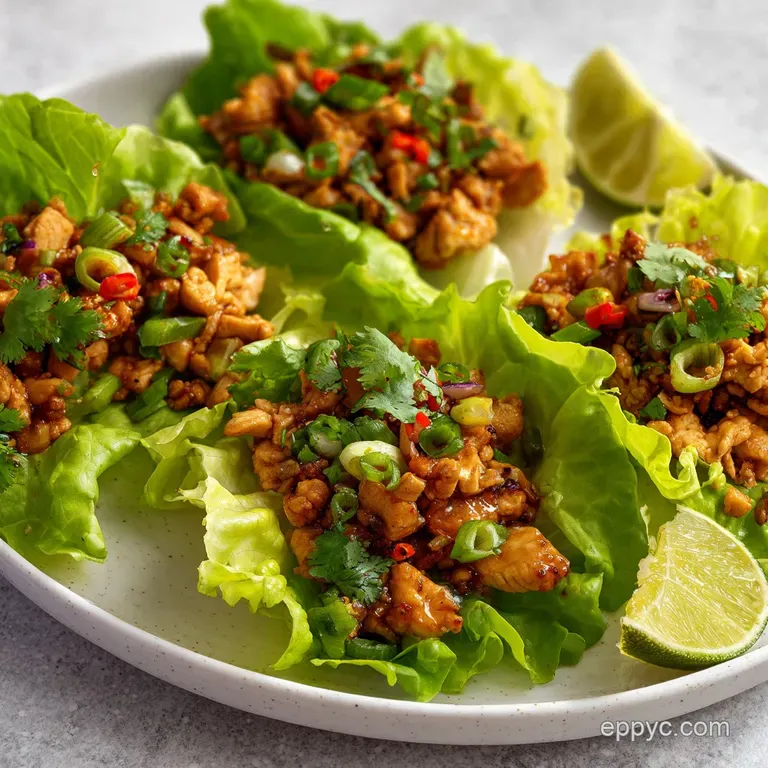
- Time: Active 10 mins, Passive 5 mins, Total 15 mins
- Flavor/Texture Hook: Shattering crisp lettuce paired with savory, velvety ginger garlic chicken.
- Perfect for: Busy weeknight dinners or a light, interactive family style appetizer.
- Discover This Authentic Lettuce Wraps Recipe
- The Appeal of This Lettuce Wraps Recipe
- Component Analysis and Sourcing
- Curating the Perfect Flavor Profile
- Minimal Tools for Maximum Efficiency
- Executing the Perfect High Heat Sear
- Expert Advice for Consistent Results
- Proportional Scaling and Adjustments
- Debunking Popular Cooking Myths
- Storing and Reheating Your Leftovers
- Presentation and Side Dish Pairing
- Lettuce Wraps Recipe FAQs
- 📝 Recipe Card
Discover This Authentic Lettuce Wraps Recipe
The first time I tried to make these at home, it was a complete disaster. I remember the sizzle of the pan turning into a sad, watery hiss as the chicken steamed instead of searing. I ended up with a pile of limp greens and a bland protein mess that looked nothing like the vibrant, crunchy wraps I craved.
It was a humbling moment for a home cook who thought they had mastered the wok. But that failure led me to the two secrets that changed everything: thermal shock for the greens and the "dry sear" method for the meat.
Now, every time I pull this dish together, the aroma of toasted sesame oil and fresh ginger fills the kitchen in under 15 minutes. There is something incredibly satisfying about the sound of a butter lettuce leaf shattering when you take that first bite.
It is a meal that feels like a treat but comes together faster than a delivery driver can find your front door. We've optimized this process for the busy cook who doesn't want to compromise on that specific restaurant quality "snap."
This recipe is about more than just tossing ingredients in a pan; it's about the technology of heat and the chemistry of cold. By treating the lettuce with an ice water plunge and using a high protein chicken base, you create a dish that is light yet deeply satisfying.
We are going to empower you to skip the takeout menu and create a heartfelt meal that actually works every single time. Let's crack on with the details so you can get that perfect crunch tonight.
The Appeal of This Lettuce Wraps Recipe
Turgor Pressure Optimization: Placing lettuce in ice water for 10 minutes forces water into the plant's cell vacuoles, creating a rigid, "shattering" texture.
Maillard Reaction Maximization: High heat and a dry pan surface allow the ground chicken to develop deep brown crusts, providing savory complexity.
Enzymatic Aromatics: Grating fresh ginger and garlic just before cooking releases essential oils and sulfur compounds that would otherwise dissipate if pre chopped.
Slurry Emulsification: The cornstarch binds the soy and hoisin into a glossy glaze, preventing the liquid from weeping into the lettuce cup.
| Meat Thickness | Internal Temp | Rest Time | Visual Cue |
|---|---|---|---|
| Ground Crumbles | 74°C | 2 mins | No traces of pink, deep brown edges |
| Diced Breast | 74°C | 3 mins | Opaque center, firm to the touch |
| Ground Thighs | 74°C | 2 mins | Glistening surface, golden char |
The visual cue is often the most reliable way to judge doneness in a fast moving pan. When you see those golden brown edges on the ground chicken, you know the flavor has truly developed.
This quick decision table helps you navigate the cook time whether you are using the ground chicken called for in the schema or trying a variation.
Component Analysis and Sourcing
Understanding the role of each element helps you troubleshoot your flavors on the fly. We aren't just looking for "good" ingredients; we're looking for the specific chemical properties that make this dish sing.
For example, the water chestnuts provide a structural "crunch" that survives the heat of the pan, whereas the green onions offer a sharp, fresh finish that cuts through the rich hoisin.
| Ingredient | Science Role | Pro Secret |
|---|---|---|
| Butter Lettuce | Structural Vessel | Use the "inner" hearts for more rigidity and less bitterness |
| Ground Chicken | Protein Base | Pat it dry with paper towels to ensure a sear, not a steam |
| Hoisin Sauce | Umami Binder | This acts as the "glue" that keeps the crumbles inside the leaf |
| Cornstarch | Viscosity Agent | Mix with a tiny splash of water first to avoid clumping in the hot pan |
The selection of butter lettuce is intentional because its flexible yet sturdy leaves act like a natural taco shell. While iceberg is crunchy, it lacks the "velvety" mouthfeel that butter lettuce provides.
If you can't find butter lettuce, living lettuce still attached to the root ball is your best bet for maximum freshness.
Curating the Perfect Flavor Profile
To get this right, you'll need the following items exactly as listed. I have included my favorite swaps for when the pantry is looking a bit bare, but try to stick to the originals for the most authentic experience.
- 1 large head Butter Lettuce: Use for the cups. Why this? Flexible leaves that don't crack easily when folded. (Substitute: Romaine hearts)
- 2 cups ice water: Use for the soak. Why this? Essential for "waking up" the lettuce cells. (Substitute: Very cold tap water)
- 450g (1 lb) ground chicken breast: The main protein. Why this? Lean protein that absorbs the sauce beautifully. (Substitute: Ground turkey)
- 15ml (1 tbsp) neutral oil: For the sear. Why this? High smoke point prevents burning at high heat. (Substitute: Grapeseed or Avocado oil)
- 3 cloves garlic, minced: For the base aroma. Why this? Provides the foundational savory note. (Substitute: 1 tsp garlic powder in a pinch)
- 15g (1 tbsp) fresh ginger, grated: For the zing. Why this? Adds heat and brightness that dried ginger lacks. (Substitute: Ginger paste)
- 1/2 cup water chestnuts, diced: For the texture. Why this? Stays crunchy even when cooked. (Substitute: Diced jicama or celery)
- 1/4 cup green onions, sliced: For the garnish. Why this? Adds a fresh, peppery finish. (Substitute: Chives)
- 45ml (3 tbsp) low sodium soy sauce: The salt element. Why this? Controls salt levels while adding deep color. (Substitute: Tamari for gluten-free)
- 15ml (1 tbsp) hoisin sauce: The sweet element. Why this? Thickens the sauce and adds "five spice" complexity. (Substitute: BBQ sauce with a dash of soy)
- 5ml (1 tsp) rice vinegar: The acid. Why this? Balances the sugar in the hoisin. (Substitute: Lime juice)
- 5ml (1 tsp) toasted sesame oil: The finishing oil. Why this? Adds a nutty, toasted aroma. (Substitute: Peanut oil)
- 2.5g (1/2 tsp) cornstarch: The thickener. Why this? Creates a glossy, non greasy finish. (Substitute: Arrowroot powder)
This mixture of salty, sweet, and acidic components is what creates the "addictive" quality of this lettuce wraps recipe. Much like the technique used in our Savory Chicken Shawarma recipe, the balance of a strong marinade or sauce against a fresh wrap is what makes the dish feel complete. Don't skip the rice vinegar, as the acidity is what makes the savory chicken flavor pop.
Minimal Tools for Maximum Efficiency
You don't need a kitchen full of high tech gadgets to pull this off. A simple, well seasoned carbon steel wok or a wide cast iron skillet is your best friend here. The goal is surface area you want the chicken to spread out so the moisture evaporates quickly.
If you use a pot that is too small, the chicken will boil in its own juices, and you'll lose that beautiful browning.
I also recommend a microplane for the ginger and garlic. It turns the aromatics into a paste that melts into the sauce instantly. If you are prepping for a crowd, a sharp chef's knife is all you need for the water chestnuts and onions.
This minimal tool approach ensures you spend more time eating and less time cleaning up.
Executing the Perfect High Heat Sear
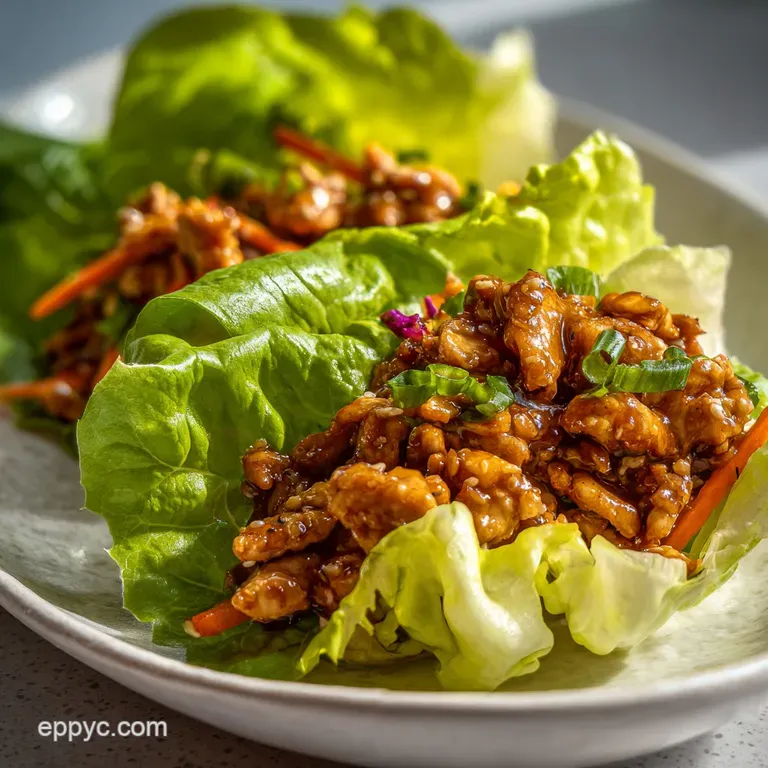
Phase 1: The Cold Prep
Separate the 1 head of butter lettuce into individual leaves. Submerge them in 2 cups of ice water for 10 minutes until the leaves feel stiff and cold. Note: This ensures the lettuce doesn't wilt the moment the hot chicken hits it.
Phase 2: The Searing Step
Heat 15ml neutral oil in a large skillet over high heat until it shimmers. Add 450g ground chicken, breaking it into small crumbles. Cook 3 minutes until the bottom is browned and crispy. Note: Resist the urge to stir constantly; let the meat develop a crust.
Phase 3: Aromatics Activation
Push the chicken to the sides and add 3 cloves minced garlic and 15g grated ginger to the center. Sauté for 30 seconds until fragrant but not burnt.
Phase 4: The Texture Addition
Stir in 1/2 cup diced water chestnuts. Cook for 1 minute to allow them to warm through and absorb some of the chicken fat.
Phase 5: The Glaze Build
Whisk 45ml soy sauce, 15ml hoisin, 5ml rice vinegar, and 2.5g cornstarch in a small bowl. Pour the mixture over the chicken until the sauce bubbles and thickens.
Phase 6: Finishing Touches
Turn off the heat and stir in 5ml toasted sesame oil and 1/4 cup sliced green onions. Note: Adding sesame oil at the end preserves its delicate flavor which high heat can destroy.
Phase 7: Drying the Vessel
Remove the lettuce from the ice bath and pat each leaf dry with a clean towel. Note: Any remaining water will dilute the sauce and make the wrap slippery.
Phase 8: Assembly
Spoon 2-3 tablespoons of the chicken mixture into the center of each lettuce leaf. Serve immediately while the filling is hot and the lettuce is freezing cold.
Expert Advice for Consistent Results
Why Your Filling Is Watery
If your chicken looks gray and sits in a pool of liquid, your pan wasn't hot enough or you overcrowded it. The moisture from the chicken needs to evaporate instantly to allow the Maillard reaction to occur.
If this happens, drain the excess liquid, turn the heat to max, and add a splash more oil to jumpstart the browning process.
| Problem | Root Cause | Solution |
|---|---|---|
| Bland Chicken | Lack of salt/acid | Add an extra teaspoon of rice vinegar or a pinch of salt |
| Wilted Lettuce | Residual heat | Wait 2 minutes for the chicken to cool slightly before filling |
| Clumpy Sauce | Cornstarch added dry | Always mix cornstarch with liquid before adding to the pan |
One mistake I once made was skipping the ice bath for the lettuce because I was in a hurry. Trust me on this, the wraps were floppy and sad. That 10 minute soak is the difference between a "okay" meal and a "brilliant" one.
Common Mistakes Checklist
- ✓ Pat the chicken completely dry before adding to the pan to prevent steaming.
- ✓ Ensure the pan is "smoking hot" before the oil goes in.
- ✓ Don't skip the cornstarch; it's what keeps the sauce from running down your arms.
- ✓ Use low sodium soy sauce to avoid an over salted final dish.
- ✓ Dry the lettuce leaves individually after the ice bath.
Proportional Scaling and Adjustments
If you are cooking for a larger group, don't just double everything and throw it in the same pan. The "overcrowding" rule is even more critical here. Work in batches to maintain that high heat.
For doubling the recipe (8 servings), use 900g of chicken but keep the spices to about 1.5x the original amount, then adjust to taste. Liquids should be reduced slightly (by about 10%) when doubling to prevent the sauce from becoming too thin.
For a smaller portion (2 servings), you can easily halve the ingredients. Use a smaller 20cm skillet to ensure the sauce doesn't evaporate too quickly. Since we are using ground meat, there's no need to worry about cutting eggs or complex measurements.
| Servings | Chicken Amount | Pan Size | Cook Time |
|---|---|---|---|
| 2 People | 225g | 20cm Skillet | 4 mins |
| 4 People | 450g | 30cm Skillet | 5 mins |
| 8 People | 900g | Work in 2 batches | 10 mins total |
If you find yourself needing a refreshing side for a larger gathering, this pairs excellently with a Classic Seven Layer recipe which can be made ahead of time to save you stress in the kitchen.
Debunking Popular Cooking Myths
A common misconception is that iceberg lettuce is the "authentic" choice for wraps. While it offers a great crunch, it is often too brittle and breaks under the weight of the warm filling.
Butter lettuce or Bibb lettuce is the industry standard because it provides the perfect balance of structural integrity and a soft, buttery flavor that doesn't compete with the ginger and garlic.
Another myth is that you must use a wok to get a good sear. While a wok is great for tossing, a heavy bottomed cast iron skillet actually holds heat better for ground meats. This allows for a more consistent crust across the entire batch of chicken.
You don't need fancy equipment; you just need to manage your heat properly.
Storing and Reheating Your Leftovers
The chicken filling stores beautifully in an airtight container for up to 4 days in the fridge. However, do not store the lettuce in the ice water! Once soaked and dried, keep the lettuce leaves in a zip top bag with a dry paper towel to absorb excess moisture. This will keep them crisp for about 2 days.
When reheating, avoid the microwave if possible. It can make the chicken rubbery. Instead, toss the filling back into a hot skillet with a teaspoon of water to loosen the sauce. It will regain its glossy texture in about 2 minutes. You can also freeze the cooked filling for up to 3 months. Just thaw it overnight in the fridge and reheat on the stovetop. For a fresh contrast, you might want to serve it alongside something crunchy like a Red Potato Salad recipe during your next weekend lunch.
Presentation and Side Dish Pairing
When it comes to serving, I love an interactive family style setup. Put the hot chicken in a large bowl in the center of the table and stack the cold lettuce leaves on a platter next to it. Provide small bowls of extra toppings like chopped peanuts, sriracha, or extra green onions.
This allows everyone to build their wraps to their own preference.
Flavor Variations for Every Palate
- For a Richer Savory Profile: Use 450g of ground pork or ground beef instead of chicken.
- For a Plant Based Win: Use extra firm tofu that has been pressed and crumbled, or finely chopped mushrooms.
- For a Spicy Kick: Add 1 tablespoon of chili garlic sauce or sambal oelek to the sauce mixture.
If you are looking for a more substantial meal, these wraps are the perfect "light" counterpart to a heavier dish. I often serve them as a starter followed by something more robust.
It's a versatile lettuce wraps recipe that empowers you to play with different textures and flavors without spending all night over the stove. Enjoy the process and the inevitable "shatter" of that first perfect bite!
Lettuce Wraps Recipe FAQs
What should I put in my lettuce wraps?
Focus on savory, textured fillings. Ground chicken or turkey with aromatics like ginger and garlic, plus crunchy elements like water chestnuts, are classic choices. A glossy sauce binds it all together, preventing sogginess.
What is the crunchy stuff in lettuce wraps?
Diced water chestnuts are key for that signature crunch. They maintain their crispness even when cooked and add a delightful textural contrast to the savory filling.
What sauce is used for PF Chang's lettuce wraps?
A savory, slightly sweet glaze is typical. This usually involves soy sauce, hoisin sauce, and a thickener like cornstarch, creating a glossy coating for the filling.
How to make lettuce crispy for wraps?
Submerge the leaves in ice water for 10 minutes. This process, called turgor pressure optimization, forces water into the plant's cells, making the leaves rigid and shatteringly crisp.
Can I use chicken thighs instead of chicken breast?
Yes, chicken thighs offer a richer flavor and are more forgiving. They have a higher fat content which helps them stay moist during high heat searing, a technique similar to how we achieve crispy skin in our Proper Chicken Spaghetti Sauce Rich Creamy Hearty Comfort Food.
What if my filling turns out watery?
Ensure your pan is hot enough and avoid overcrowding. Overcrowding releases too much moisture, causing the meat to steam instead of sear. Drain excess liquid and increase heat to evaporate remaining moisture.
How do I store leftover lettuce wraps?
Store the filling and lettuce separately. The cooked filling can be refrigerated for up to 4 days, while the lettuce leaves should be kept dry in a zip-top bag with a paper towel to maintain crispness for 1-2 days.
Lettuce Wraps Recipe
Ingredients:
Instructions:
Nutrition Facts:
| Calories | 208 kcal |
|---|---|
| Protein | 26.8 g |
| Fat | 7.2 g |
| Carbs | 8.6 g |
| Fiber | 1.4 g |
| Sugar | 3.1 g |
| Sodium | 545 mg |
