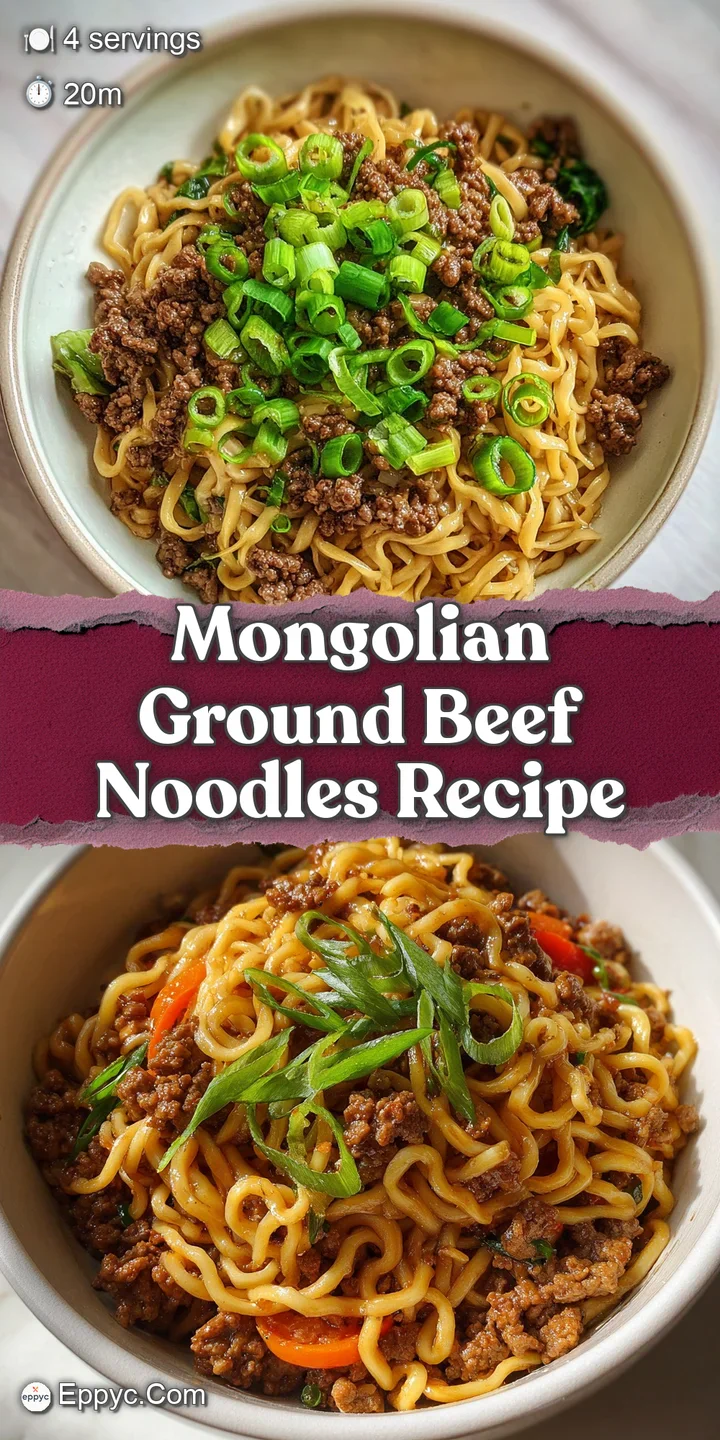
Mongolian Ground Beef Noodles Recipe: Seared Ground Beef
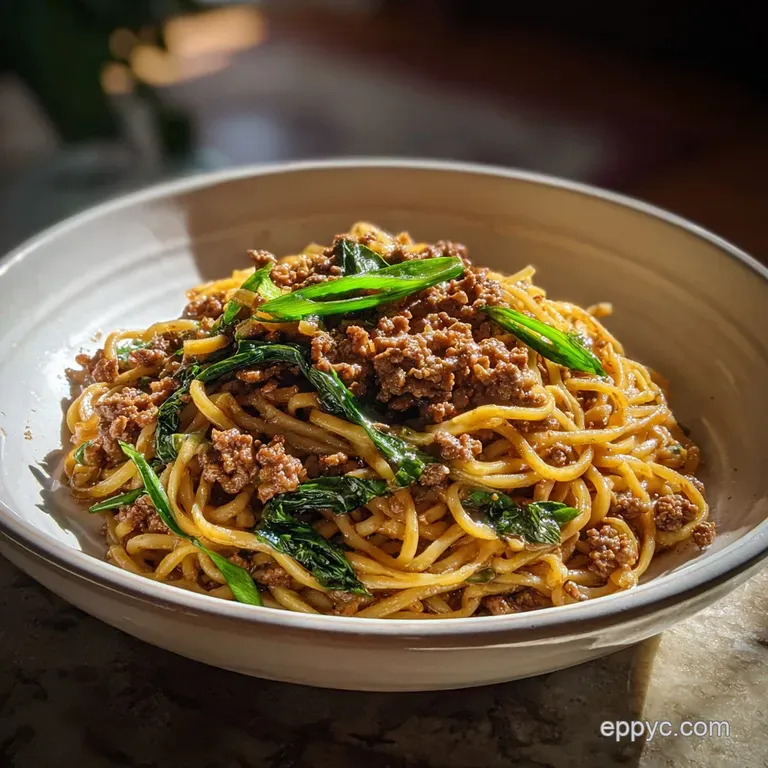
- Time: Active 10 minutes, Passive 10 minutes, Total 20 minutes
- Flavor/Texture Hook: Silky noodles meet crispy, browned beef bits.
- Perfect for: High speed weeknight dinners and meal prep fans.
- The Secret to Creating a Better Mongolian Ground Beef Noodles Recipe
- The Chemistry of the Sauce Emulsion
- Key Recipe Specs for Smarter Planning
- Ingredient Deep Dive for Better Flavor
- High-Quality Components for an Authentic Glaze
- Essential Equipment for over High heat Cooking
- Executing the Process for Velvety Noodles
- Correcting Mistakes for a Better Result
- Clever Alternatives for Every Budget
- Preservation Secrets and Zero Waste Tips
- Finishing Touches for a Better Presentation
- Very High in Sodium
- Recipe FAQs
- 📝 Recipe Card
The Secret to Creating a Better Mongolian Ground Beef Noodles Recipe
The sizzle of fat hitting a ripping hot skillet is the universal signal that something good is happening. It was a hectic Tuesday night when I first threw this together, fueled by a digital notification that my grocery delivery was delayed and I had to work with what was in the freezer.
I realized that the beef didn't need to be fancy steak to satisfy that specific craving for something salty, sweet, and intensely savory.
We often think of this dish as a takeout luxury, but the heartfelt reality is that your stovetop can produce a much better version in less time than a delivery driver takes to find your house. It is all about the contrast between the springy noodles and the deeply caramelized meat.
When that sauce hits the hot pan and starts to bubble and thicken, the aroma of toasted sesame and fresh ginger will empower your inner chef instantly.
Forget the idea that you need a specialized wok or rare ingredients to make this happen. I’ve used my digital kitchen scale and a simple cast iron pan to refine this Mongolian Ground Beef Noodles Recipe into a science backed method that works every single time.
It is straightforward, incredibly fast, and uses technology (like a simple timer) to ensure the noodles never turn to mush.
The Chemistry of the Sauce Emulsion
Starch Gelatinization: The cornstarch in the sauce expands when heated, trapping water molecules to create a thick, velvety glaze that coats the noodles. This prevents the sauce from pooling at the bottom of the bowl and ensures every bite carries the full weight of the aromatics.
| Method | Time | Texture | Best For |
|---|---|---|---|
| Stovetop Skillet | 10 minutes | Crispy beef, bouncy noodles | Authentic texture and speed |
| Oven (Sheet Pan) | 18 minutes | Evenly browned beef, softer noodles | Hands off cooking for large groups |
| Instant Pot | 12 minutes | Tender beef, very soft noodles | One pot cleanup convenience |
The stovetop method is the gold standard here because the direct heat allows the sugars in the brown sugar to undergo the Maillard reaction more effectively. This creates those complex, nutty flavors that the oven simply cannot replicate in such a short window of time.
Trust me, the extra five minutes of standing at the stove is worth the texture.
Key Recipe Specs for Smarter Planning
We need to talk about the data behind the dish before we start. This recipe serves 4 people and scales beautifully if you are feeding a larger crowd. Because we are dealing with high heat and quick transitions, having your weights and measures ready is vital for success.
- Protein Weight: 1 lb (450g) lean ground beef
- Noodle Weight: 10 oz (280g) dry weight
- Ideal Pan Temp:375°F (190°C) for the initial beef sear
- Sauce Volume: Approximately 1.25 cups of liquid total
Chef's Tip: Freeze your ginger for 10 minutes before grating. It makes the fibers stiff so the grater cuts through them like butter instead of turning the root into a stringy mess.
Another unconventional trick I swear by is adding the garlic only after the beef is fully browned. Most recipes tell you to sauté aromatics first, but in a over high heat Mongolian Ground Beef Noodles Recipe, the garlic will burn and turn bitter before the beef is even halfway done.
Add it late to keep the flavor bright and punchy.
Ingredient Deep Dive for Better Flavor
| Ingredient | Science Role | Pro Secret |
|---|---|---|
| Dark Brown Sugar | Humectant & Color | Provides the deep mahogany color and aids in rapid caramelization. |
| Low Sodium Soy | Umami Base | Controls salt levels while providing the essential fermented savory notes. |
| Cornstarch | Thickening Agent | Acts as a bridge between the fat from the beef and the water based sauce. |
Using dark brown sugar instead of light brown sugar is non negotiable for that signature look. The extra molasses content adds a layer of depth that prevents the dish from tasting just "salty." It creates a syrupy consistency that makes the noodles look like they've been lacquered.
high-quality Components for an Authentic Glaze
The beauty of this dish lies in the pantry staples. You don't need a trip to a specialty market; you just need the right balance of these specific items. If you're looking for a similar flavor profile but want to use rice instead, check out my Korean Ground Beef recipe for a fantastic alternative.
- 1 lb (450g) lean ground beef: Provides the savory base. Why this? Lean beef prevents the dish from becoming overly greasy during the over high heat sear.
- Substitute: Ground turkey or plant based crumbles (add 1 tbsp oil).
- 10 oz (280g) dry ramen or lo mein noodles: The vessel for the sauce. Why this? These noodles have the surface area to grab onto the thick glaze.
- Substitute: Spaghetti or linguine (boil 1 minute less than package directions).
- 0.5 cup (120ml) low sodium soy sauce: The primary salt source. Why this? Gives you control over the final salinity of the dish.
- Substitute: Tamari for a gluten-free version.
- 0.5 cup (100g) dark brown sugar, packed: For sweetness and color. Why this? The molasses creates the iconic dark, glossy finish.
- Substitute: Honey or maple syrup (results in a thinner sauce).
- 2 tbsp (30ml) hoisin sauce: Adds complexity and "funk." Why this? It bridges the gap between the soy and the sugar.
- Substitute: Extra soy sauce with a pinch of five spice powder.
- 1 tbsp (6g) fresh ginger, grated: Provides a spicy, aromatic kick.
- Substitute: 1 tsp ground ginger (less vibrant flavor).
- 4 cloves garlic, minced: Essential for the aroma.
- Substitute: 1 tsp garlic powder added to the sauce liquid.
- 1 tsp (5ml) toasted sesame oil: For the nutty finish.
- Substitute: Perilla oil or omit (but you'll miss the scent).
- 0.5 tsp red pepper flakes: For a subtle heat.
- Substitute: Sriracha or chili garlic sauce.
- 1 tbsp (8g) cornstarch: To thicken the sauce.
- Substitute: Arrowroot powder or a flour slurry.
- 1 tbsp (15ml) neutral oil: For searing the beef.
- Substitute: Canola, vegetable, or grapeseed oil.
- 1 bunch green onions, sliced: For fresh contrast.
- Substitute: Chives or fresh cilantro.
Essential Equipment for over High heat Cooking
You don't need a digital lab to make this, but a few specific tools make the process much smoother. A large cast iron skillet (like a Lodge) or a heavy bottomed stainless steel pan is much better than non stick here.
Non stick pans often struggle to reach the temperatures needed for a proper sear, and the sauce won't develop those crispy bits on the bottom what chefs call the "fond."
A good set of tongs and a sturdy spatula are your best friends. You need to be able to move the beef and noodles quickly once the sauce begins to thicken. I also recommend a digital meat thermometer to ensure your beef reaches 160°F (71°C), although with ground beef, the visual cue of "no pink remaining" is usually sufficient.
Executing the Process for Velvety Noodles
- Boil the noodles. Cook the 10 oz (280g) noodles in unsalted water until just under al dente. Note: They will finish cooking in the sauce later.
- Whisk the sauce. Combine 0.5 cup soy sauce, 0.5 cup brown sugar, 2 tbsp hoisin, 1 tbsp cornstarch, and the red pepper flakes in a small bowl.
- Heat the pan. Place 1 tbsp neutral oil in a large skillet over medium high heat until it shimmers and wisps of smoke appear.
- Sear the beef. Add 1 lb ground beef, breaking it into large chunks rather than small crumbles. Note: Larger chunks get a better sear.
- Develop the crust. Let the beef sit undisturbed for 3 minutes until the bottom is browned and crispy.
- Add aromatics. Stir in 1 tbsp grated ginger and 4 cloves minced garlic. Cook for 1 minute until the aroma fills the room.
- Deglaze the pan. Pour the sauce mixture over the beef. Stir constantly for 2 minutes until the liquid bubbles and turns into a thick, mahogany glaze.
- Incorporate noodles. Toss the cooked noodles into the pan. Use tongs to coat every strand until the sauce is velvety and clings to the noodles.
- Finish with fat. Drizzle 1 tsp toasted sesame oil over the top and stir one last time.
- Garnish and serve. Top with the sliced green onions until the bright green pops against the dark sauce.
Correcting Mistakes for a Better Result
Sometimes the kitchen doesn't behave. If you find your Mongolian Ground Beef Noodles Recipe isn't looking quite right, it is usually a simple fix involving temperature or ratios. If you love this style of cooking but want to try something with more greens, my Beef Broccoli Recipe uses a very similar thickening technique that you've already mastered here.
Sauce Salinity Balance Solutions
If the sauce tastes too salty, do not panic and add water. Water will dilute the texture. Instead, add a teaspoon of rice vinegar or a squeeze of lime. The acid cuts through the salt and brightens the entire profile. If it is too sweet, a dash more soy sauce or a pinch of salt will bring it back into balance.
| Problem | Root Cause | Solution |
|---|---|---|
| Gummy Noodles | Overcooked in water | Boil for 2 minutes less than the box says; they soften in the sauce. |
| Thin Sauce | Cornstarch didn't activate | Ensure the sauce reaches a full boil for at least 30 seconds to set the starch. |
| Gray Beef | Pan was too crowded | Sear in two batches or use a larger pan to allow moisture to evaporate. |
Common Mistakes Checklist
- ✓ Pat the beef dry with a paper towel if it looks wet before hitting the pan.
- ✓ Don't skip the "rest" phase of the beef during searing; moving it too much prevents browning.
- ✓ Always whisk the sauce again right before pouring it in, as cornstarch settles at the bottom.
- ✓ Use low sodium soy sauce; regular soy sauce will make this dish inedibly salty.
- ✓ Ensure the noodles are drained well so extra water doesn't thin out your glaze.
Clever Alternatives for Every Budget
If you need to scale this recipe down for two people, simply halve all ingredients. For a half batch, the cooking times remain almost the same, but you should watch the sauce carefully as it will thicken much faster in a large pan.
If you are scaling up to feed eight, work in batches for the beef searing to avoid steaming the meat, then combine everything in a large pot for the final toss.
When doubling the recipe, I recommend only using 1.5x the amount of red pepper flakes. Heat tends to amplify when the volume increases, and you don't want to overwhelm the delicate balance of the ginger. For the liquids, a straight 2x works perfectly fine here since it is a stovetop reduction.
| Original Ingredient | Substitute | Why It Works |
|---|---|---|
| Ground Beef (1 lb) | Ground Pork (1 lb) | Similar fat content. Note: Result will be slightly sweeter and milder. |
| Hoisin Sauce | Oyster Sauce | Deep umami profile. Note: Less sweet, so add a pinch more sugar. |
| Ramen Noodles | Soba Noodles | Earthy flavor. Note: Soba is more delicate; toss gently to avoid breakage. |
For those looking to empower their health goals, adding vegetables is a brilliant move. I often toss in shredded carrots or snap peas during the last 2 minutes of the beef searing.
This creates a "Mongolian Ground Beef Noodles with Vegetables" variation that adds crunch and fiber without needing a whole new set of instructions.
Preservation Secrets and Zero Waste Tips
These noodles stay delicious in the fridge for up to 4 days, making them a premier choice for meal prep. Store them in airtight glass containers to keep the sauce from absorbing any "fridge smells." When you are ready to eat, don't just microwave them on high. The noodles will get tough.
Instead, add a splash of water or beef broth and heat on 50% power, stirring halfway through to redistribute the moisture.
I do not recommend freezing the finished dish. Cooked noodles often lose their structural integrity and become mushy when thawed. However, you can absolutely freeze the cooked Mongolian ground beef in the sauce (without the noodles).
When you're ready for a fast meal, boil fresh noodles and toss them with the thawed, heated beef mixture.
For a zero waste approach, use the white parts of the green onions during the sautéing phase with the garlic, and save the green tops for the final garnish. If you have leftover ginger root, peel it and store it in a small jar of sherry or vodka in the fridge it will stay fresh for months and infuse the liquid with a great flavor for future sauces.
Finishing Touches for a Better Presentation
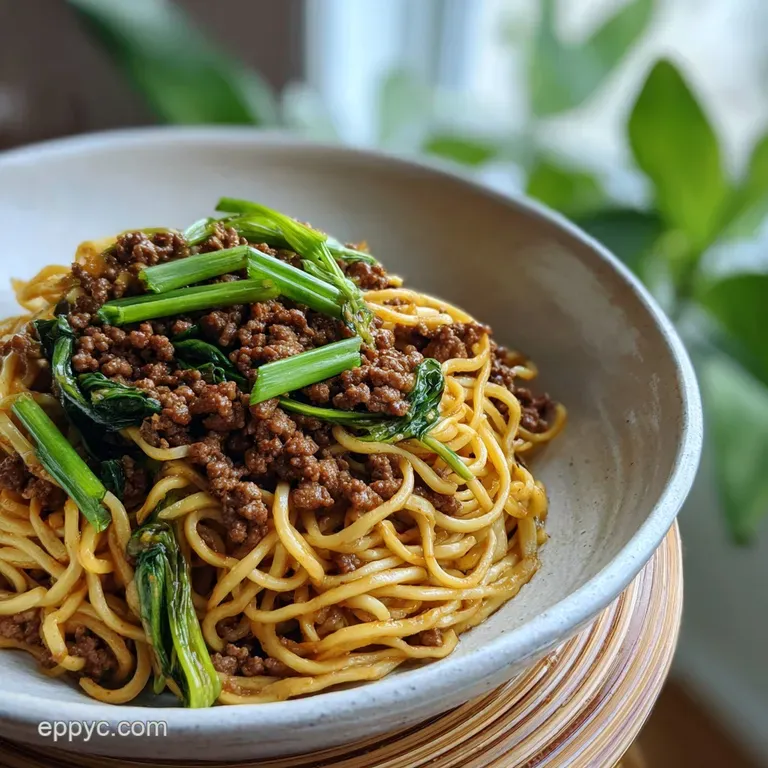
Serving this dish is all about the "wow" factor of that glossy, dark glaze. I like to serve it in wide, shallow bowls rather than deep ones to show off the texture of the beef bits clinging to the noodles. A final sprinkle of toasted sesame seeds adds a professional look and a tiny bit of "shatter" to the bite.
If you want to create a full experience, pair these noodles with a simple smashed cucumber salad or some steamed bok choy. The cool, crisp vegetables balance the rich, savory heat of the beef perfectly. It’s a heartfelt way to turn a 20 minute meal into a complete dining event.
The next time you are staring at a pack of ground beef and feeling uninspired, remember this Mongolian Ground Beef Noodles Recipe. It is a testament to how simple ingredients, combined with a little bit of heat and the right science, can empower you to create something truly remarkable in your own kitchen.
Let's get cooking!
Very High in Sodium
1140 mg mg of sodium per serving
(50% of daily value)
The American Heart Association recommends limiting sodium intake to about 2,300mg per day for most adults.
Tips to Reduce Sodium in Your Asian Noodles
-
Noodle Choice Matters-30%
Ramen noodles often contain a packet of sodium rich seasoning. Discard the seasoning packet entirely and use unsalted cooked noodles. Look for fresh noodles, if possible, that are naturally lower in sodium.
-
Lighten the Soy Sauce-20%
Even low-sodium soy sauce contributes significantly to the sodium content. Reduce the amount of soy sauce by half and substitute with a sodium free broth or water to maintain the sauce's volume and consistency.
-
Homemade Hoisin is Best-15%
Hoisin sauce is a concentrated source of sodium. Consider making your own hoisin sauce from scratch, allowing you to control the amount of sodium. If using store-bought, reduce the amount by half.
-
Opt for Unseasoned Beef-10%
Ensure the ground beef is unseasoned. Many pre-packaged ground beef options have added salt. If buying pre-seasoned, rinse with water to remove excess sodium. Use only unseasoned beef.
-
Flavor Boosters
Enhance the flavor with sodium free ingredients. Increase the amount of ginger, garlic, red pepper flakes, and sesame oil to compensate for the reduced sodium.
Estimated Reduction: Up to 60% less sodium
(approximately 456 mg per serving)
Recipe FAQs
What is the key to achieving the classic dark, glossy glaze?
Use dark brown sugar instead of light brown sugar. The higher molasses content in dark brown sugar rapidly caramelizes over high heat, providing the signature mahogany color and deeper flavor profile.
How to prevent the ground beef from steaming instead of searing?
Heat the skillet until shimmering and slightly smoking before adding the beef. Use lean ground beef, and allow the meat to sit undisturbed for three minutes to form a proper crust; overcrowding the pan leads to steaming.
How to thicken the sauce if it remains too thin after adding the noodles?
Bring the sauce mixture to a full boil and cook it for 30 seconds while stirring constantly. This ensures the cornstarch fully activates and gels into the required glaze texture.
Is it true you must add the ginger and garlic at the very beginning of the cooking process?
No, adding them late prevents burning. Add the minced garlic and grated ginger only after the beef is fully browned, cooking them for just one minute until fragrant, preventing them from turning bitter under the high heat.
How to adjust the saltiness if the sauce tastes too salty after mixing?
Introduce an acid, such as rice vinegar or lime juice, rather than adding water. Acid cuts through and brightens the heavy salt flavors, balancing the profile without thinning the glaze.
How to properly cook the noodles so they absorb the sauce without getting mushy?
Undercook the noodles by two minutes below the package's suggested al dente time. The residual heat and simmering in the thick sauce during the final steps will finish the cooking process perfectly.
Can I substitute the ground beef for another protein source?
Yes, ground pork is an excellent substitute that works well with these flavors. If you enjoyed mastering the high heat searing technique here, see how the same principle of flavor development works in our Beef Short Ribs recipe for textural contrast.
Mongolian Ground Beef Noodles
Ingredients:
Instructions:
Nutrition Facts:
| Calories | 668 kcal |
|---|---|
| Protein | 28.5 g |
| Fat | 13.2 g |
| Carbs | 87.4 g |
| Fiber | 2.4 g |
| Sugar | 31.8 g |
| Sodium | 1140 mg |
