Oatmeal Peanut Butter Cookies: Dense Fudgy Centers
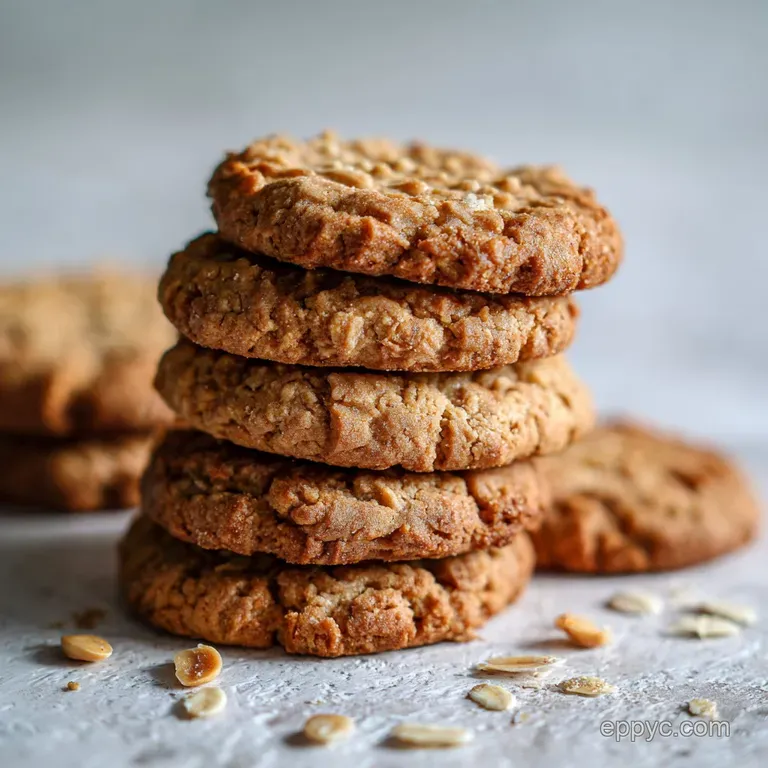
- Time: Active 45 minutes, Passive 10 minutes, Total 55 minutes
- Flavor/Texture Hook: Shattering crisp edges with a dense, fudgy, peanut loaded center.
- Perfect for: High energy afternoon snacks, Budget-Friendly bake sales, or gift boxes.
- Master the Ultimate Texture in Oatmeal Peanut Butter Cookies
- Essential Metrics for Success in Every Single Batch
- Component Analysis of the Richness and Texture Profile
- Tools to Empower Your Baking with Heartfelt Results
- Step by Step Evolution from Batter to Golden Perfection
- Correcting Texture Flaws and Ensuring a Chewy Center
- Modifying Your Batch for Specific Lifestyle or Dietary Needs
- Preservation Guidelines for Sustaining Freshness and Flavor
- Aesthetic Finishing Touches for a Professional Bakery Look
- Recipe FAQs
- 📝 Recipe Card
Master the Ultimate Texture in Oatmeal Peanut Butter Cookies
The smell of roasting peanuts hitting warm, bubbling butter is a sensory trigger that instantly takes me back to my first kitchen "aha" moment. I spent years trying to make oatmeal peanut butter cookies that didn't taste like cardboard, failing more times than I care to admit.
I used to think more oats meant a healthier snack, but without the right fat ratio, I just ended up with sad, dusty pucks that required a gallon of milk to swallow.
I finally cracked the code when I stopped treating the oats like a filler and started treating them like a structural element. This specific oatmeal peanut butter cookies recipe is designed to be approachable and budget smart, using standard pantry staples but applying a few digital age precision tricks to ensure they never turn out dry.
We're going for that heartfelt, home baked soul but with the consistency of a high end bakery.
Whether you're looking for easy oatmeal peanut butter cookies to whip up after work or you're on a mission to bake the best oatmeal peanut butter cookies your neighbors have ever tasted, this guide is your roadmap.
We aren't just mixing things in a bowl; we’re using a bit of kitchen technology like weighing our ingredients to empower you to get it right the first time. Trust me, once you see those golden, crackling edges, there's no going back.
Essential Metrics for Success in Every Single Batch
To get these cookies right, we need to focus on the numbers. Baking is chemistry, and even simple oatmeal peanut butter cookies rely on specific thermodynamic reactions. For example, the light brown sugar isn't just for sweetness; it’s there for the molasses content, which keeps the crumb moist.
If you've ever tried healthy oatmeal peanut butter cookies that felt like rubber, it’s usually because the sugar to fat ratio was skewed.
The Fast vs. Classic Comparison
| Feature | Classic Method (This Recipe) | Fast 3 Ingredient Version |
|---|---|---|
| Texture | Complex, chewy, and sturdy | Soft, crumbly, and fragile |
| Flavor Depth | High (vanilla, salt, toasted oats) | Moderate (mostly just peanut) |
| Shelf Life | 5-7 days (remains soft) | 1-2 days (dries out quickly) |
Choosing between these methods depends on your goal. If you want something that feels like a "real" cookie, the classic route wins every time. If you’re in a rush, a 3 ingredient peanut butter oatmeal cookies version works, but you lose that characteristic shatter and the deep, nutty complexity of the oats.
The Architecture of the Chewy Crumb: The high fat content in the peanut butter coats the flour proteins, which limits gluten development. This ensures the cookie remains tender rather than bread like even with the heavy addition of oats.
Budget Friendly Ingredient Alternatives
| Premium Ingredient | Budget Alternative | Flavor Impact | Savings |
|---|---|---|---|
| Pure Vanilla Bean | Pure Vanilla Extract | Minimal in a baked cookie | $15.00+ |
| Artisanal Nut Butter | Store Brand Creamy PB | Higher sugar/salt balance | $4.00 - $6.00 |
| Organic Rolled Oats | Bulk Bin Old Fashioned Oats | Identical texture | $2.00 - $3.00 |
Component Analysis of the Richness and Texture Profile
Understanding your ingredients is the first step toward becoming a better baker. We aren't just throwing things together; we're building a structural masterpiece. For instance, the choice of fat is crucial. While some people use How To Make recipe for a nuttier flavor in other bakes, here we stick to unsalted butter to control the salt levels perfectly.
| Ingredient | Science Role | Pro Secret |
|---|---|---|
| Creamy Peanut Butter | Primary fat and flavor carrier | Use "no stir" brands for consistent spreading |
| Old Fashioned Oats | Structural "rebar" for the dough | Pulse 1/4 of them in a blender for a tighter crumb |
| Light Brown Sugar | Humectant (retains moisture) | Pack it hard to ensure correct weight/volume |
| Baking Soda | Leavening and browning agent | Ensure it’s fresh by testing it in vinegar |
Using light brown sugar is a non negotiable for me. It provides the acidity needed to react with the baking soda, creating those tiny air pockets that make the cookie feel light instead of dense.
We want these chewy oatmeal peanut butter cookies to have a velvety mouthfeel, and that starts with the chemistry of your sugar.
Tools to Empower Your Baking with Heartfelt Results
You don't need a professional lab, but a few specific tools will change your life. First, a digital scale is the ultimate technology for any home cook. Measuring by volume (cups) is notoriously inaccurate one person’s "cup" of flour might be 20 grams heavier than another’s.
- Stand Mixer or Hand Mixer: Essential for "creaming" the butter and sugar. This process incorporates air, which helps the cookies rise.
- Cookie Scoop (medium size): This ensures every cookie is the same size so they bake evenly.
- Silicone Baking Mats: These prevent the bottoms from scorching, especially since the sugars in peanut butter burn easily.
- Wire Cooling Rack: This stops the cooking process immediately by allowing air to circulate under the hot cookies.
Chef's Tip: Put your metal mixing bowl in the fridge for 10 minutes before creaming the butter. This prevents the butter from melting too quickly during the high friction mixing process, keeping the air bubbles intact.
step-by-step Evolution from Batter to Golden Perfection
Before we start, make sure your butter and egg are at room temperature. This is the biggest mistake I see. Cold ingredients don't emulsify, and you'll end up with a greasy dough that separates in the oven.
- Cream the Fats. Mix the 113g unsalted butter, 250g creamy peanut butter, 200g light brown sugar, and 100g granulated sugar. Note: Beat for 3 full minutes until the mixture looks pale and fluffy.
- Incorporate the Binder. Add the 1 large egg and 4g pure vanilla extract. Beat until the mixture is silky and fully combined.
- Whisk Dry Ingredients. In a separate bowl, combine 190g all purpose flour, 5g baking soda, and 3g fine sea salt.
- Merge the Mixtures. Slowly add the dry ingredients to the wet. Note: Do not overmix here; stop as soon as the white streaks of flour vanish.
- Fold the Texture. Use a spatula to stir in the 180g old fashioned rolled oats.
- The Hydration Phase. Cover the dough and chill in the fridge for 45 minutes. Until the dough feels firm and less sticky to the touch.
- Portion the Dough. Scoop 2 tablespoon sized balls onto your prepared baking sheet.
- The Bake. Bake at 175°C (350°F) for 10 minutes. Until the edges are set and lightly browned but the centers still look soft.
- The Set. Let them rest on the pan for 5 minutes before moving them to a rack. They will firm up as they cool.
| Original Ingredient | Substitute | Why It Works |
|---|---|---|
| All Purpose Flour (190g) | 1 to-1 gluten-free Blend | Xanthum gum in the blend mimics gluten. Note: Crumb may be slightly grittier. |
| Creamy Peanut Butter | Crunchy Peanut Butter | Adds texture. Note: Cookies will be slightly more fragile. |
| Unsalted Butter | Coconut Oil (Solid) | Same fat ratio. Note: Adds a subtle tropical scent and results in a crispier edge. |
If you love the texture of the oats here, you might also enjoy my Classic Oatmeal Cookie recipe, which uses a similar hydration technique for a classic raisin version.
Correcting Texture Flaws and Ensuring a Chewy Center
Sometimes things go wrong even when we follow the rules. Maybe your oven runs hot, or your peanut butter was more oily than usual. Don't panic; most baking issues have a digital age fix.
Why My Cookies Spread Too Thin
If your cookies look like flat pancakes, it’s usually a temperature issue. If the butter is too warm when it hits the oven, it melts before the flour structure can set. This is why the 45 minute chill is the most important part of this oatmeal peanut butter cookies recipe.
Another culprit could be over creaming the butter/sugar, which incorporates too much air.
The Texture Is Too Dry and Gritty
Oats are thirsty. If you measure your flour by "scooping" the cup into the bag, you likely used too much. This makes the dough dry. Always spoon the flour into the cup and level it off, or better yet, use a scale. If the dough feels like sand, you can try adding 1 tablespoon of milk to help the oats hydrate.
| Problem | Root Cause | Solution |
|---|---|---|
| Burnt Bottoms | Pan too close to heat source | Move rack to the middle and use a silicone mat |
| Raw Centers | Cookies were too cold or too large | Increase bake time by 2 mins; press dough balls slightly flatter |
| No Peanut Flavor | Low quality nut butter | Add 1/2 tsp of peanut extract or use a brand with fewer additives |
Common Mistakes Checklist
- ✓ Always use "Old Fashioned" oats, never "Instant" or "Quick" (which turn to mush).
- ✓ Don't skip the salt; it’s the only thing that balances the sugar and fat.
- ✓ Check your baking soda expiration; if it's over 6 months old, the cookies won't rise.
- ✓ Use room temperature eggs to ensure a velvety emulsion with the fats.
- ✓ Let the baking sheet cool completely between batches to prevent premature melting.
Modifying Your Batch for Specific Lifestyle or Dietary Needs
One of the things I love about simple oatmeal peanut butter cookies is how adaptable they are. You can tweak them to fit your budget or your dietary goals without losing the heartfelt soul of the dish.
- Down (1/2 Batch)
- This makes exactly 12 cookies. Use the yolk of the egg only if you want them extra rich, or whisk the whole egg and use exactly 25 grams.
- Up (2x Batch)
- Great for parties. However, do not double the baking soda; use 1.5x (7g) to avoid a metallic aftertaste. Work in batches to keep the dough cold.
- Baking (Double Pans)
- If baking two sheets at once, rotate them top to bottom and front to back halfway through the 10 minute timer.
Healthy Oatmeal Peanut Butter Cookies
To make a "lighter" version, you can swap the granulated sugar for an equal weight of coconut sugar. It has a lower glycemic index and adds a deep caramel flavor. You can also replace half the all purpose flour with whole wheat pastry flour for an extra boost of fiber.
Just be aware that the cookies will be denser and less "shattery."
gluten-free Oatmeal Peanut Butter Cookies
Since oats are naturally gluten-free (though often processed in facilities with wheat), these are easy to adapt. Simply swap the 190g of flour for a high-quality 1 to-1 gluten-free baking blend. I've found that Classic Sugar Cookies recipe techniques also apply here: let the dough rest 10 minutes longer to let the rice flour in the blend hydrate fully.
If you want X, do Y: If you want extra crispy cookies, bake them for 12 minutes and replace the brown sugar with more white sugar. If you want ultra soft cookies, add 1 tablespoon of cornstarch to the dry ingredients.
If you want a gourmet twist, fold in 1/2 cup of dark chocolate chunks or chopped pretzels.
Preservation Guidelines for Sustaining Freshness and Flavor
Storing these is easy because the peanut butter and oats act as natural preservatives, keeping the moisture locked in. I actually think they taste better on day two!
Storage: Keep them in an airtight container at room temperature for up to 7 days. If they start to get a bit firm, put a piece of white bread in the container; the cookies will absorb the moisture from the bread and soften right back up.
Freezing: You can freeze the baked cookies for up to 3 months. Wrap them individually in plastic wrap and then put them in a freezer bag. To eat, just let them thaw on the counter for 20 minutes.
Zero Waste Tip: If you have broken cookie bits or "crumbs" at the bottom of the jar, don't throw them away! Pulse them in a food processor and use them as a base for a cheesecake crust or sprinkle them over vanilla ice cream for an instant upgrade.
Aesthetic Finishing Touches for a Professional Bakery Look
We eat with our eyes first, and even a humble oatmeal peanut butter cookie can look like it came from a high end digital storefront with two simple tricks.
The "Pan Bang" Finish
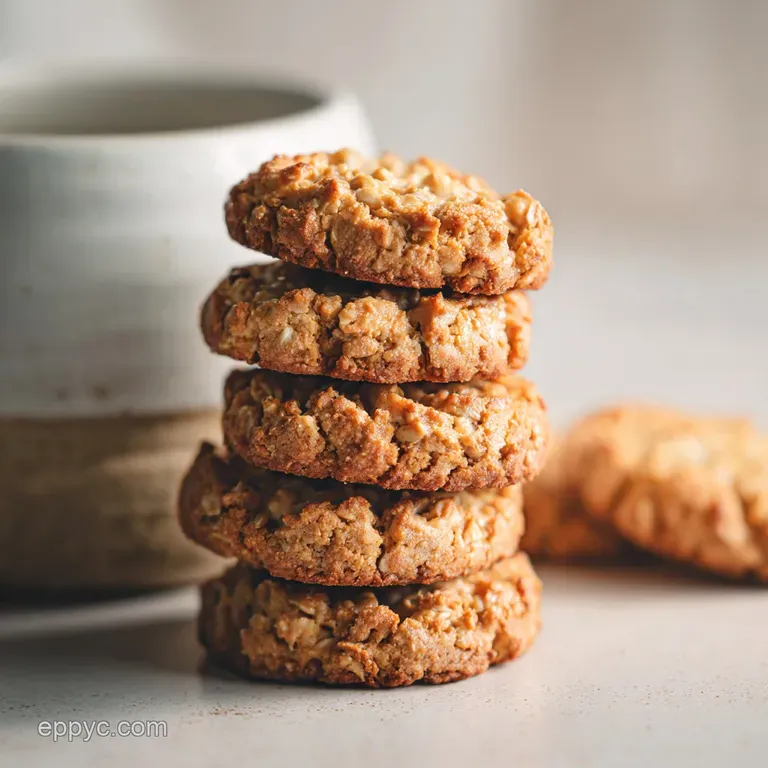
About 2 minutes before the timer goes off, grab the baking sheet and firmly tap it against the oven rack. This causes the cookies to collapse slightly, creating those beautiful "ripples" and cracks on the surface. It also creates a denser, more fudgy center.
The Gourmet Garnish
As soon as the cookies come out of the oven, sprinkle them with a tiny pinch of flaky sea salt (like Maldon). The large crystals don't melt, providing a beautiful visual contrast and a sharp "zing" that cuts through the richness of the peanut butter.
If you're feeling fancy, you can also drizzle a little bit of melted chocolate over the top using a fork for a striped effect.
These cookies are more than just a snack; they're a testament to how simple ingredients, when treated with a bit of science and a lot of heart, can create something truly special. Enjoy the process, and don't be afraid to experiment with your own variations!

Recipe FAQs
Should I chill the dough for these oatmeal peanut butter cookies?
Yes, absolutely. Chill the dough for at least 45 minutes until it is firm to the touch. This prevents excessive spreading in the oven, ensuring you get thick, chewy centers instead of thin, flat cookies.
How do I prevent my cookies from drying out and becoming gritty?
Ensure your brown sugar is properly packed. Brown sugar acts as a humectant, drawing in moisture and keeping the cookies soft. If the cookies still feel dry, you may have over measured your flour, so switch to weighing ingredients for better results, similar to the precision used in our How to Bake recipe.
Can I substitute creamy peanut butter with natural, oily peanut butter?
No, this is highly discouraged for consistency. Natural peanut butter separates oil easily, throwing off the dough’s hydration and fat ratio, leading to potential spreading and greasy bottoms. Stick to commercial creamy peanut butter for reliable texture.
What is the best way to ensure the cookies bake evenly on both sheets?
Rotate and switch rack positions halfway through baking. If using two sheets, place one on the top rack and one on the bottom. At the 5-minute mark, swap their positions and turn them 180 degrees to compensate for hot spots in your oven.
How can I add a rich, deep chocolate flavor pairing?
Fold in high-quality dark chocolate chunks. For an elevated experience, consider making a small batch of homemade chocolate topping using the tempering techniques from our Death by Chocolate recipe to drizzle over the cooled cookies.
What is the secret to getting those classic, crinkled tops on the cookies?
Employ the "pan bang" technique. About two minutes before the cookies are done, firmly tap the baking sheet against the oven rack. This forces the cookie structure to collapse slightly, creating attractive wrinkles and a denser center.
Why did my cookies spread too much while baking?
The butter was too warm when it entered the oven. Butter must be softened, not melted, so it can properly cream with the sugar to incorporate air. If the fat melts too quickly, the structure can’t set before the cookies flatten out.
Oatmeal Peanut Butter Cookies
Ingredients:
Instructions:
Nutrition Facts:
| Calories | 204 kcal |
|---|---|
| Protein | 4.4 g |
| Fat | 9.9 g |
| Carbs | 25.5 g |
| Fiber | 1.4 g |
| Sugar | 13.3 g |
| Sodium | 104 mg |
