Chicken and Rice: Juicy Thighs & Golden Rice
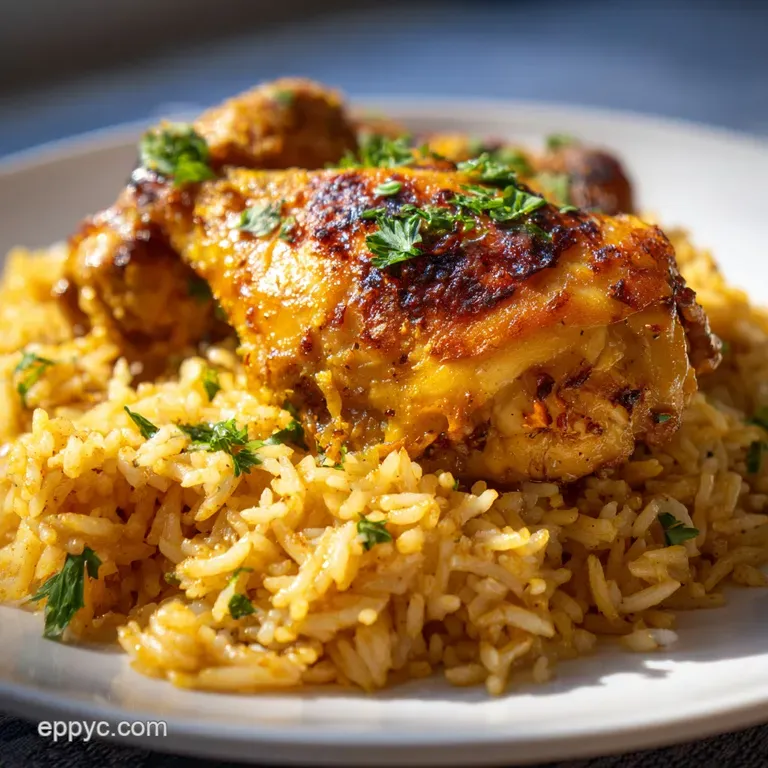
- Time: Active 10 minutes, Passive 25 minutes, Total 35 minutes
- Flavor/Texture Hook: Fragrant, golden rice with tender, spiced chicken thighs
- Perfect for: Busy weeknight dinners and high protein meal prepping
- Master the Perfect One Pot Chicken and Rice
- The Science of Flavor Absorption and Texture
- Component Analysis for One Pot Success
- Essential Kitchen Tools for One Pot Success
- Step-by-Step Guide to Pan Seared Perfection
- Solving Common Texture and Flavor Issues
- Easy Modifications for Every Dietary Need
- Kitchen Truths and Misconceptions
- Keeping Leftovers Fresh and Using Every Scrap
- Simple Garnishes for a Restaurant Quality Finish
- Recipe FAQs
- 📝 Recipe Card
Master the Perfect One Pot Chicken and Rice
The kitchen smells like a warm hug when this hits the stove. It's the scent of toasted turmeric and garlic mingling with that distinct, savory aroma of chicken fat rendering down in a heavy pan. I remember the first time I got the rice texture right - it felt like a total victory.
No more mushy grains or dry, sad meat, just pure comfort in one single pot.
We've all had those nights where the digital clock is ticking and everyone's hungry. This is the meal I turn to when I want something heartfelt but efficient. It uses simple kitchen technology to its advantage, even if that technology is just a really well calibrated stove and a tight fitting lid.
You don't need a fancy setup to empower your cooking, just a few tricks I learned the hard way after many failed attempts.
Forget everything you know about bland cafeteria food. This version is all about building layers of flavor from the bottom up. We start with a hard sear, move into aromatics, and let the rice soak up every bit of that liquid gold. It's honest, satisfying, and honestly, the only way I make this dish anymore.
Trust me, once you hear that first sizzle of the thighs hitting the oil, you'll know exactly what I mean.
The Science of Flavor Absorption and Texture
- Maillard Reaction: Searing the chicken thighs first creates a complex flavor profile by browning the proteins and sugars on the skin.
- Starch Gelatinization: Thoroughly rinsing the Jasmine rice removes excess surface starch, ensuring the grains remain distinct rather than clumping into a sticky mess.
- Aromatic Infusion: Sautéing the onion and garlic in the rendered chicken fat allows the fat soluble flavor compounds to distribute evenly throughout the entire pot.
- Liquid to Grain Ratio: Using 600ml of broth for 280g of rice provides the exact hydration needed for the rice to reach its "burst point" without becoming waterlogged.
| Method | Time | Texture | Best For |
|---|---|---|---|
| Stovetop One Pot | 35 minutes | Fluffy & Fragrant | Maximum flavor with minimal cleanup |
| Oven Baked | 45 minutes | Slightly Crispy Edges | Hands off cooking for large families |
| Instant Pot | 20 minutes | Softer & More Unified | Maximum speed on chaotic workdays |
Using a digital timer is the best way to empower your kitchen flow, especially when balancing the searing and simmering phases. If you're looking for another way to use these aromatics, you might enjoy this How to Make recipe which doubles down on the garlic flavor profile.
Component Analysis for One Pot Success
| Ingredient | Science Role | Pro Secret |
|---|---|---|
| Bone in Thighs | Provides collagen and fat | Leave the bone in for more structural flavor during the simmer |
| Jasmine Rice | Long grain structure | Rinsing three times is the "digital" reset for perfect texture |
| Turmeric Powder | Natural coloring and earthiness | Bloom it in hot oil to unlock its vibrant yellow hue and nutrients |
| Chicken Bone Broth | High protein liquid base | Use low sodium to control the seasoning levels yourself |
Chef's Tip: Freeze your butter for 10 minutes then grate a tiny amount over the rice just before serving. It adds a velvety finish that is far superior to just stirring in a cold knob of butter.
Essential Kitchen Tools for One Pot Success
To get that perfect sizzle and even heat, I always reach for my heavy bottomed skillet or a cast iron Dutch oven. A thin pan will give you hot spots, which leads to burnt rice at the bottom while the top stays raw.
A tight fitting lid is non negotiable here; we need that steam trapped to finish cooking the chicken and rice simultaneously.
You'll also want a sturdy spatula to scrape up the "fond" - those little brown bits stuck to the bottom of the pan after searing the chicken. That's where all the magic lives. If you have a digital meat thermometer, keep it handy.
It's the best tool to ensure your chicken hits exactly 74°C without having to cut into it and lose those precious juices.
step-by-step Guide to Pan Seared Perfection
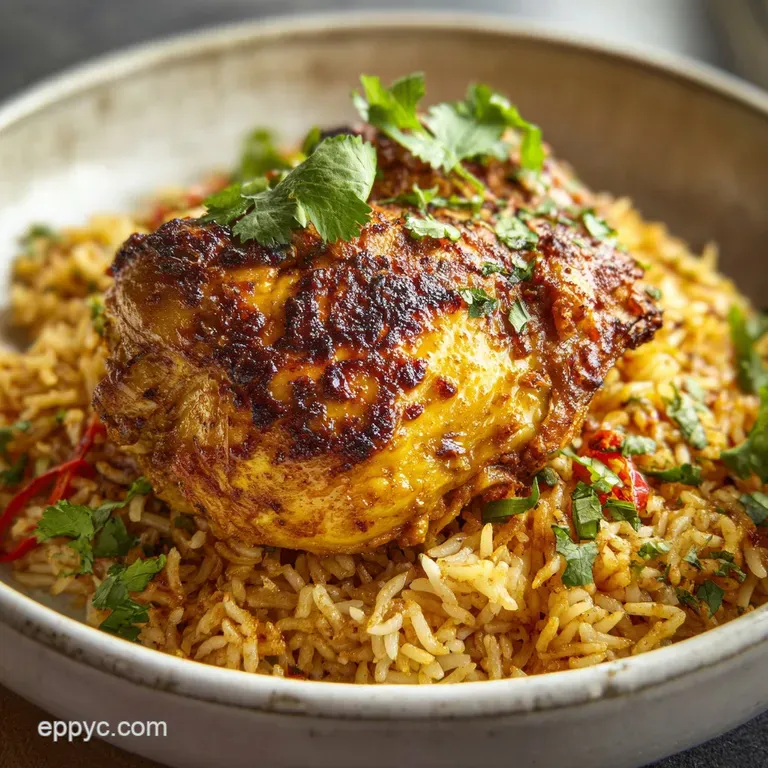
- Season the protein. Rub 680g bone in chicken thighs with 1 tsp smoked paprika, 0.5 tsp turmeric, 0.5 tsp salt, and 0.25 tsp black pepper. Note: This creates a flavorful crust during searing.
- Sear the chicken. Heat 15ml cooking oil in a large skillet and brown the thighs skin side down for 5 minutes until deep golden and crispy.
- Sauté aromatics. Remove chicken and add 1 diced yellow onion to the pan, cooking 3 minutes until translucent and softened.
- Toast the grains. Stir in 280g rinsed rice and 3 minced garlic cloves, stirring for 2 minutes until the rice smells nutty and looks translucent at the edges.
- Deglaze the pan. Pour in 600ml chicken bone broth, scraping the bottom of the pan with a wooden spoon. Note: This releases the flavor packed browned bits.
- Combine and simmer. Place the chicken thighs back on top of the rice, skin side up, and bring to a gentle boil.
- Cover and cook. Reduce heat to low, cover tightly, and simmer for 15 minutes until the liquid is fully absorbed.
- Add the greens. Sprinkle 150g frozen peas over the top, replace the lid, and let it sit off the heat for 5 minutes.
- Fluff and serve. Use a fork to fluff the rice around the chicken until it is light and airy.
This technique of searing then simmering is very similar to what I use in The Pan Seared Chicken recipe, where the crust is the most important part of the flavor profile.
Solving Common Texture and Flavor Issues
Why Your Rice is Gummy
Gummy rice is usually the result of excess surface starch or too much agitation. If you stir the rice while it's simmering, you're breaking the grains and releasing starch, which creates a porridge like texture. Always rinse the rice until the water runs clear and then leave it alone once the lid goes on.
Fixing Undercooked Grains
If the timer goes off and the rice is still crunchy but the liquid is gone, don't panic. Add 30ml of hot broth, put the lid back on, and let it sit on the lowest possible heat for another 5 minutes. The residual steam usually does the trick without overcooking the chicken.
| Problem | Root Cause | Solution |
|---|---|---|
| Burnt Bottom | Heat too high or thin pan | Use a diffuser or lower the flame immediately |
| Dry Chicken | Overcooking past 74°C | Use bone in thighs; they are more forgiving than breasts |
| Bland Rice | Lack of salt in the broth | Season the broth before adding to the pan |
Common Mistakes Checklist
- ✓ Pat the chicken completely dry before seasoning to ensure a shatter crisp skin.
- ✓ Never skip the rice rinsing step; it's the difference between fluffy and sticky.
- ✓ Don't peek! Opening the lid lets out the steam required to cook the rice evenly.
- ✓ Let the dish rest for 5 minutes after cooking to allow the moisture to redistribute.
- ✓ Use bone in thighs rather than breasts to prevent the meat from drying out during the long simmer.
Easy Modifications for Every Dietary Need
When scaling this recipe down for two people, use a smaller 20cm skillet and reduce the cook time by about 5 minutes, as the smaller volume of liquid will heat up and evaporate faster. If you're doubling the recipe for a crowd, work in batches to sear the chicken.
Overcrowding the pan will cause the meat to steam instead of sear, and you'll miss out on that beautiful golden color.
For a larger batch, I recommend using a wide Dutch oven. You'll want to increase the spices by about 1.5x rather than doubling them completely to avoid the turmeric becoming too bitter.
Also, keep the rice to broth ratio consistent; it's the most digital part of the recipe that needs to stay precise regardless of the quantity.
Kitchen Truths and Misconceptions
One major myth is that you must boil the water before adding the rice. In this one pot method, starting the rice in the flavorful sautéed aromatics and then adding room temperature or warm broth actually results in better flavor penetration.
The grains have a chance to absorb the fat and spices before they begin to soften.
Another misconception is that chicken skin will stay crispy when simmered. While the skin that sits above the liquid line will stay relatively firm, it won't be "shatter" crisp. If you absolutely need that crunch, pop the skillet under the broiler for 2 minutes at the very end.
Just keep a close eye on it so the rice doesn't dry out.
Keeping Leftovers Fresh and Using Every Scrap
Storage: This keeps beautifully in the fridge for up to 4 days. Store it in an airtight glass container to keep the rice from drying out. For freezing, I recommend portioning it into individual bags; it will stay fresh for up to 3 months.
To reheat, add a splash of water or broth before microwaving to restore that velvety texture.
Zero Waste: Don't throw away the onion skins or the bits of chicken trim! Toss them into a freezer bag. Once you have enough, you can simmer them with water to create your own homemade bone broth for the next time you make this dish.
Even the leftover peas can be tossed into a morning omelet for a quick hit of fiber.
Simple Garnishes for a Restaurant Quality Finish
A heartfelt meal deserves a little flair at the end. I love adding a shower of fresh parsley or cilantro right before serving. The brightness of the fresh herbs cuts through the richness of the chicken fat and the warmth of the turmeric. It's a simple way to empower the dish and make it feel special even on a Tuesday.
If you want a bit of acidity, serve it with a wedge of lemon. Squeezing fresh juice over the chicken and rice just before eating wakes up all those savory notes. It's these small, digital precision touches that take a simple home cooked meal and turn it into something you'd proudly serve to a food obsessed friend. For another savory rice option that uses a different flavor profile, you might want to try this How to Create recipe which offers a more charred, stir fried finish.
Recipe FAQs
How to make chicken and rice more flavorful?
Sear the chicken aggressively first to develop a deep, savory crust through the Maillard reaction. Use high-quality chicken bone broth instead of water for the simmering liquid, and bloom your spices like turmeric in the hot oil before adding the rice.
Is chicken and rice a healthy meal?
Yes, generally it is a well balanced meal, providing lean protein from the chicken and complex carbohydrates from the rice. Focus on using skinless chicken or removing most of the skin before eating, and incorporate vegetables like frozen peas to boost fiber intake.
What are the 4 ingredients in chicken and rice casserole?
The core ingredients typically are chicken, rice, a creamy binder, and a topping. Common binders include cream of mushroom soup or a homemade béchamel sauce, while crushed crackers or cheese often form the topping. For a baked savory alternative, check out our Stuffed Bell Peppers recipe which uses similar base components.
What to put in a chicken and rice dish?
Focus on aromatics, high flavor liquid, and texture enhancers. Good additions include sautéed onion and garlic, turmeric for color, and frozen peas stirred in at the end for sweetness and color pop. If you prefer a saucier outcome, try incorporating a simple white sauce base, like in our Recipe for White sauce chicken enchiladas.
Can I use chicken breast instead of thighs for this recipe?
No, chicken breast is not recommended for this one-pot simmer method. Thighs contain more fat and connective tissue, allowing them to remain juicy after simmering for 15 minutes; breasts dry out much faster and may become tough.
Is it true I have to rinse the rice before cooking?
Yes, rinsing is crucial for achieving fluffy, non-sticky rice. Rinsing removes excess surface starch that otherwise gelatinizes during cooking, turning your separate grains into a heavy, gummy mass.
How do I prevent the bottom layer of rice from burning?
Reduce the heat to the absolute lowest setting once covered and avoid opening the lid. Using a heavy bottomed pot or Dutch oven also helps distribute the heat more evenly, preventing the concentrated hot spots that cause scorching.
One Pot Chicken And Rice
Ingredients:
Instructions:
Nutrition Facts:
| Calories | 509 kcal |
|---|---|
| Protein | 34.8 g |
| Fat | 9.2 g |
| Carbs | 68.5 g |
| Fiber | 3.1 g |
| Sugar | 2.4 g |
| Sodium | 440 mg |
