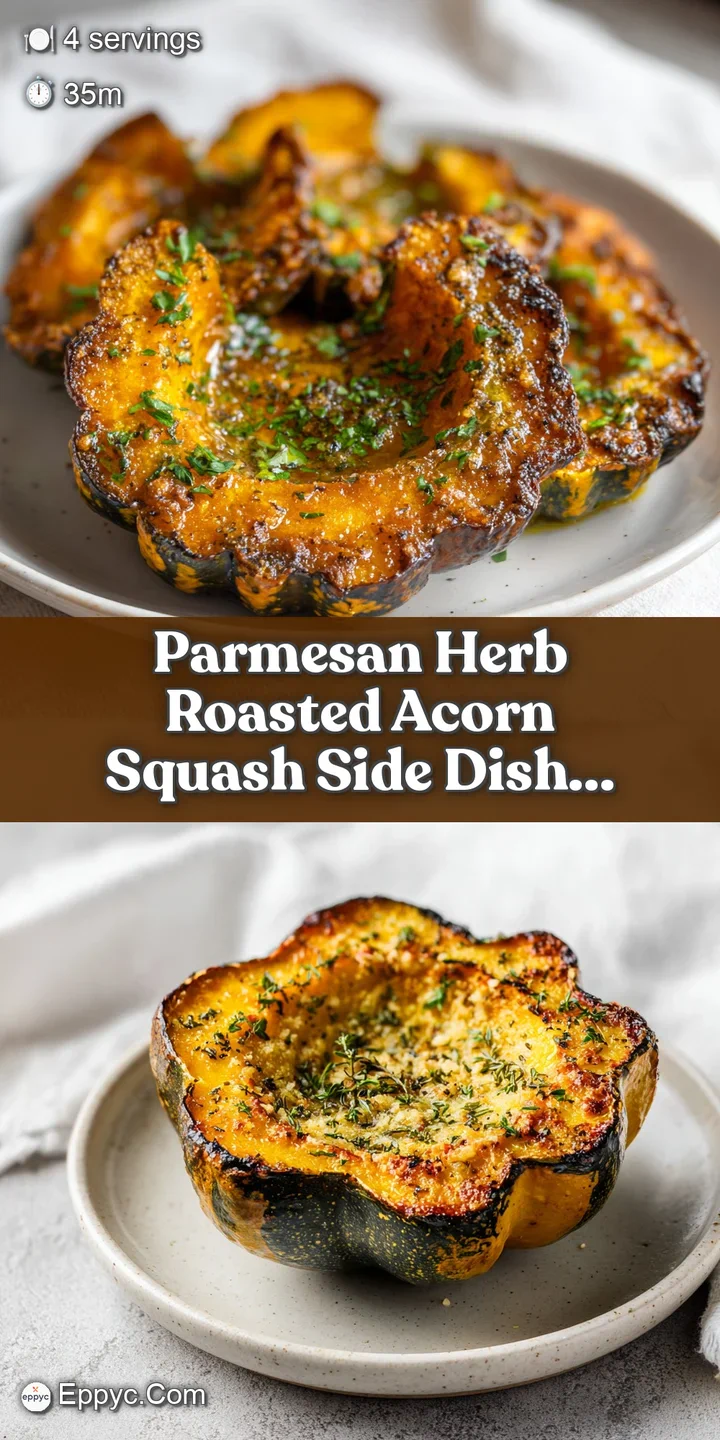
Parmesan Herb Roasted Acorn Squash
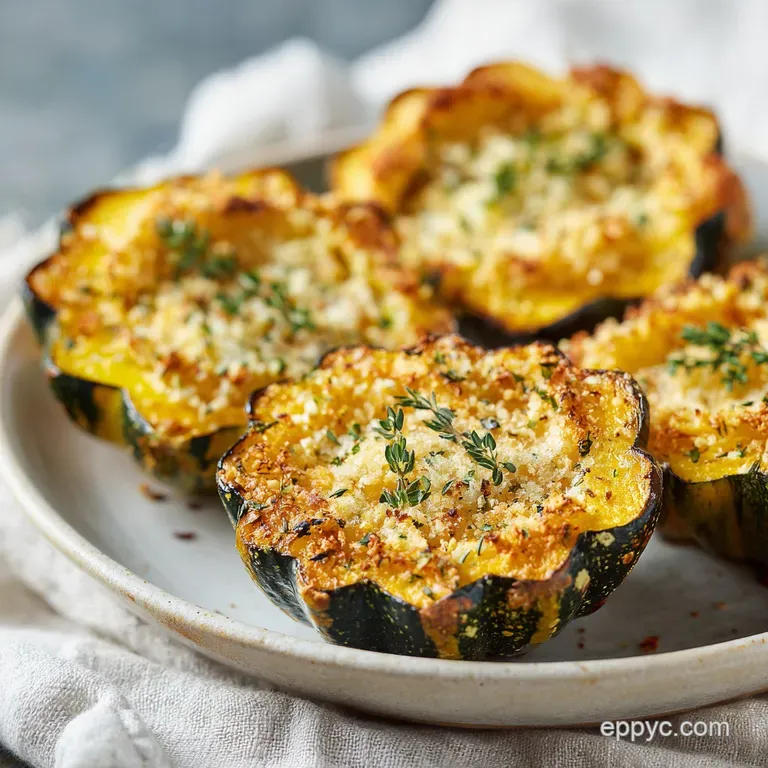
- Time: Active 10 mins, Passive 25 mins, Total 35 mins
- Flavor/Texture Hook: Nutty, salty, and velvety
- Perfect for: Stress free weeknight sides or holiday spreads
- The Best Parmesan Herb Roasted Acorn Squash
- Factors Behind the Savory Flavor
- Scientific Analysis of Key Components
- Pantry Staples and Smart Substitutes
- Tools for the Perfect Roast
- Mastering the Roasting Process
- Troubleshooting and Avoiding Mistakes
- Scaling the Recipe for Crowds
- Debunking Roasted Squash Beliefs
- Storage and Zero Waste Tips
- The Best Ways to Serve
- Recipe FAQs
- 📝 Recipe Card
The Best Parmesan Herb Roasted Acorn Squash
The first time I tried making this, I actually forgot to set the timer and ended up with a tray of charred remains. But even through the smoke, the aroma of toasted Parmesan and dried thyme was so intoxicating I knew I was onto something special.
There is just something about the way the cheese fuses with the skin of the squash, creating a salty, umami rich lattice that you just can't get with boiling or steaming. It’s that specific sizzle when the tray hits the oven rack that tells you dinner is going to be good.
We’ve all had those soggy, sad squash dishes that feel more like baby food than a gourmet side. This version is the exact opposite. We are looking for that specific shatter when your fork hits the edges, followed by the velvety, almost custard like texture of the center.
It’s a texture game that makes everyone at the table reach for seconds before you’ve even sat down.
I’ve tinkered with the ratios a dozen times to get this right. Too much oil and it gets greasy; too little and the herbs just burn. This balance hits the sweet spot. You get the earthy punch of the oregano and thyme, the sharp bite of the cheese, and the natural sweetness of the 2 lbs of acorn squash.
It's become a staple in my kitchen, especially when I'm looking for something that looks fancy but actually lets me scroll on my phone for twenty minutes while the oven does the heavy lifting.
Factors Behind the Savory Flavor
The Maillard Reaction: High heat triggers a chemical reaction between the amino acids in the cheese and the natural sugars in the squash. This creates hundreds of new flavor compounds that result in that deep, toasted brown color and savory taste.
Starch Gelatinization: As the squash heats up, the starch granules absorb internal moisture and swell, turning the fibrous vegetable into a silky, mashable delight.
Dehydration Concentration: The 400°F (200°C) air evaporates surface moisture quickly, which prevents steaming and allows the oil and cheese to "fry" the exterior for maximum crunch.
| Cooking Method | Prep Time | Resulting Texture | Best Use Case |
|---|---|---|---|
| Oven Roasting | 10 mins | Crispy edges, tender center | Most dinner parties |
| Stovetop Searing | 15 mins | Heavily browned, firmer bite | Quick single servings |
| Air Fryer | 5 mins | Ultra crunchy, less caramelization | Small batches/Snacks |
If you are used to different squash varieties, this method actually works wonders on many of them. For instance, if you happen to have a different gourd on hand, you might enjoy how this seasoning profile complements my How to Make recipe for kabocha, which has a similar density. Both benefit from that over high heat treatment to break down the tough fibers.
Scientific Analysis of Key Components
| Ingredient | Science Role | Pro Secret |
|---|---|---|
| Acorn Squash | Structural Carbohydrate | Leave the skin on to hold the wedge shape during the softening process. |
| Parmesan Cheese | Protein/Fat Binder | Use finely grated "sand like" cheese for 100% surface area coverage and crunch. |
| Extra Virgin Olive Oil | Heat Conductor | It bridges the gap between the dry heat and the squash, preventing the herbs from scorching. |
| Dried Thyme/Oregano | Volatile Aromatics | Crushing these between your palms before adding releases trapped oils for better fragrance. |
Choosing the right squash is more about weight than looks. You want a 1 large acorn squash (approx. 2 lbs) that feels heavy for its size. That weight indicates high water content, which eventually turns into steam inside the wedge, cooking it from the inside out while the oven crisps the outside.
Pantry Staples and Smart Substitutes
For this parmesan herb roasted acorn squash recipe, the quality of your dry herbs matters. If your oregano has been in the cabinet since the last eclipse, it’s basically green dust. Treat yourself to a fresh jar for this one.
- 1 large acorn squash (approx. 2 lbs): Replace with butternut squash if needed, though you'll need to peel that one. Why this? The ridges on acorn squash create extra surface area for crispy cheese.
- 2 tbsp extra virgin olive oil: Avocado oil works as a high smoke point alternative.
- 1/2 cup finely grated Parmesan cheese: Pecorino Romano adds a saltier, funkier punch. Why this? It creates the signature "parmesan herb roasted" crust.
- 1 tsp dried oregano: Dried marjoram offers a sweeter, floral note.
- 1 tsp dried thyme: Fresh thyme (use 1 tbsp) provides a brighter, lemony finish.
- 1/2 tsp garlic powder: Onion powder works for a more rounded, savory vibe.
- 1/2 tsp sea salt: Kosher salt is fine, just use a pinch more for volume.
- 1/4 tsp cracked black pepper: White pepper keeps the aesthetic cleaner but adds more heat.
Chef's Note: I always keep a small jar of this pre mixed herb and cheese blend in the fridge. It saves so much time during the week when you just want to chop a vegetable and throw it in the oven.
Tools for the Perfect Roast
You don't need a professional kitchen, but a heavy duty rimmed baking sheet is non negotiable. Thin pans warp under the 400°F (200°C) heat, which leads to uneven roasting and "flying" squash wedges that slide to one corner.
I use a half sheet pan that provides enough room for air to circulate around each piece.
A sharp chef's knife is your best friend here. Acorn squash can be notoriously stubborn to cut through. If you're struggling, I have a little trick: poke a few holes in the squash and microwave it for 60 seconds. This softens the skin just enough to let the blade glide through without a wrestling match.
Mastering the Roasting Process
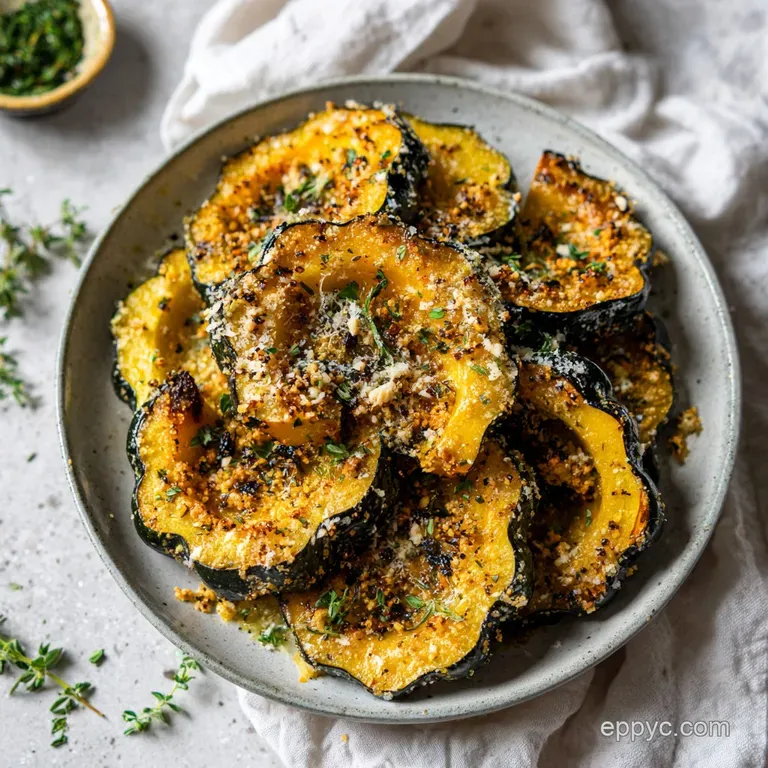
- Preheat your oven to 400°F (200°C). Note: This high temp is vital for the cheese to crisp before the squash turns to mush.
- Slice the acorn squash in half vertically. Use a heavy spoon to scoop out the seeds and stringy bits.
- Cut each half into 1 inch thick wedges. Keep them uniform to ensure they all finish at the same time.
- Whisk 2 tbsp extra virgin olive oil with the oregano, thyme, garlic powder, salt, and pepper in a large bowl.
- Toss the squash wedges in the oil mixture. Make sure every nook is coated so the herbs stick.
- Sprinkle 1/2 cup finely grated Parmesan cheese over the wedges and toss again.
- Arrange wedges on the baking sheet in a single layer. Space them out so they roast rather than steam.
- Bake for 20 minutes. Listen for a steady sizzle coming from the pan.
- Flip the wedges and bake for another 5 minutes until the cheese is golden and the squash is tender.
- Garnish with 1 tbsp fresh parsley and serve immediately while the crust is still firm.
This dish pairs exceptionally well with heavy proteins. For a complete meal, consider serving it alongside a creamy vegetable side like My Classic Green recipe. The crispness of the squash balances the rich, velvety texture of the casserole perfectly.
Troubleshooting and Avoiding Mistakes
The most common heartbreak with this dish is the "Soggy Squash Syndrome." This usually happens when the oven isn't hot enough or you've overcrowded the pan. If the wedges are touching, they release steam that gets trapped, preventing that gorgeous parmesan herb roasted crust from forming. Give them room to breathe!
Another issue is the cheese burning before the squash is soft. This often happens if the wedges are cut too thick. Stick to that 1 inch measurement. If you find the cheese browning too fast, move the tray to a lower rack in the oven.
Solving Texture and Flavor Issues
| Problem | Root Cause | Solution |
|---|---|---|
| Burnt Cheese | Oven rack is too high or cheese is too oily. | Move to middle rack; use "dry" aged Parmesan, not the canned stuff. |
| Mushy Flesh | Squash was steamed, not roasted. | Do not cover with foil and ensure pieces are 2 inches apart. |
| Bitter Taste | Dried herbs scorched in the heat. | Ensure the oil fully coats the herbs before they hit the pan. |
Common Mistakes Checklist
- ✓ Pat the squash dry after washing to remove surface moisture.
- ✓ Use a metal spatula to flip the wedges so you don't leave the crust on the pan.
- ✓ Grate your own cheese if possible; pre shredded has cellulose that prevents melting.
- ✓ Don't skip the pepper; it cuts through the richness of the squash and cheese.
- ✓ Wait 2 minutes after taking them out of the oven for the crust to fully "set."
Scaling the Recipe for Crowds
When cutting the recipe in half, the main challenge is the egg or liquid ratios in other recipes, but here it's simple. Use a smaller baking dish or a toaster oven set to 400°F (200°C).
Since there’s more air space in a small batch, check for doneness 5 minutes earlier than the recipe suggests.
Doubling this for a holiday party? You’ll need two baking sheets. Do not try to pile them all onto one. Rotate the pans halfway through the cooking time (moving the top pan to the bottom rack and vice versa) to ensure even browning.
I usually increase the spices by 1.5x rather than 2x to avoid overpowering the natural flavor of the vegetable.
| Guests | Squash Needed | Pan Requirement | Adjustment |
|---|---|---|---|
| 2 People | 1/2 Large Squash | 9x9 Inch Square Pan | Reduce oil to 1 tbsp |
| 4 People | 1 Large Squash | 13x18 Inch Half Sheet | Standard Recipe |
| 8 People | 2 Large Squash | Two Half Sheets | Rotate pans at 12 mins |
Debunking Roasted Squash Beliefs
One persistent thought is that you must peel acorn squash. This is a total waste of time! The skin is completely edible and actually provides a necessary structural support for the wedge. Once roasted, the skin softens and adds a lovely earthy contrast to the sweet interior.
Another myth is that you need sugar to make squash taste good. People often reach for maple syrup or brown sugar. While that's fine for a dessert leaning side, the Parmesan and garlic method proves that savory is often superior.
The natural sugars in the 2 lbs of acorn squash are plenty once they're concentrated by the heat.
Storage and Zero Waste Tips
Keep leftovers in an airtight container in the fridge for up to 4 days. When you want to eat them again, avoid the microwave at all costs it will turn that crispy crust into a rubbery mess.
Instead, pop them back into a 400°F (200°C) oven or a dry frying pan for 5 minutes until they sizzle again. You can also freeze the roasted wedges for up to 3 months, though the texture will be slightly softer upon thawing.
Don't throw away those seeds! They are essentially free snacks. Rinse them, pat them dry, and roast them with a little salt and oil. If you want a more detailed guide on how to get them perfectly crunchy, check out my How to Make recipe for roasted seeds. It works exactly the same for acorn squash as it does for pumpkin.
The Best Ways to Serve
This simple roasted acorn squash recipe is a chameleon on the plate. I love serving it as a base for a grain bowl, topped with some quinoa and a drizzle of something tangy. It really shines when you use a bright dressing to cut through the roasted fats. I often use my How to Create recipe for a herb forward vinaigrette to finish the dish.
Pairings for Every Occasion
- The Weeknight Dinner: Serve alongside a simple roasted chicken breast or pan seared salmon. The garlic parmesan roasted acorn squash provides enough flavor that the protein can stay basic.
- The Vegetarian Feast: Pair with a mushroom risotto or a hearty kale salad. The "meatiness" of the squash wedges makes the meal feel substantial.
- Holiday Side: This is the ultimate "set and forget" side for Thanksgiving. It looks stunning on a platter, especially with the bright green parsley garnish.
At the end of the day, this dish is about celebrating the season with minimal fuss. It’s a reminder that with a little heat and the right cheese, even the most basic vegetable can become the star of the show. Just remember to watch the timer so you don't end up with a smoky kitchen like I did that first time!
Recipe FAQs
Can I substitute acorn squash with butternut squash?
Yes, you can substitute butternut squash. You must remember to peel the butternut squash entirely before cutting, as its skin is much tougher than acorn squash.
What is the ideal oven temperature for achieving crispy Parmesan crust?
Roast at 400°F (200°C). This high heat is essential to trigger the Maillard reaction on the cheese before the squash interior overcooks and becomes watery.
How to cut acorn squash wedges uniformly for even cooking?
Slice the squash in half vertically, remove seeds, then cut each half into 1 inch thick wedges. Keeping the thickness consistent ensures all pieces reach tenderness simultaneously.
Is it true that canned grated Parmesan works as well as freshly grated for this roast?
No, freshly grated is strongly recommended. Pre-grated cheeses often contain anti caking agents that prevent them from melting smoothly and forming the crisp crust we are aiming for.
How to revive leftover roasted squash to restore crispness?
Reheat in a 400°F (200°C) oven or a dry frying pan for 5 minutes. Microwaving will result in a soggy texture, as the residual steam softens the exterior.
What is the main reason my squash wedges are steaming instead of roasting?
Overcrowding the baking sheet is the main culprit. Ensure every wedge has space around it so that air can circulate and evaporate surface moisture effectively.
What main dishes pair well with the savory, salty flavor of this side?
This pairs excellently with mild, tender meats or rich creamy foundations. It provides a perfect textural contrast to something soft, much like the side we use when preparing our How to Make Arborio Risotto recipe.
Parmesan Herb Roasted Acorn Squash
Ingredients:
Instructions:
Nutrition Facts:
| Calories | 192 kcal |
|---|---|
| Protein | 5.6 g |
| Fat | 10.1 g |
| Carbs | 22.4 g |
| Fiber | 3.8 g |
| Sugar | 0.2 g |
| Sodium | 428 mg |
