Pioneer Woman Sausage Gravy Recipe
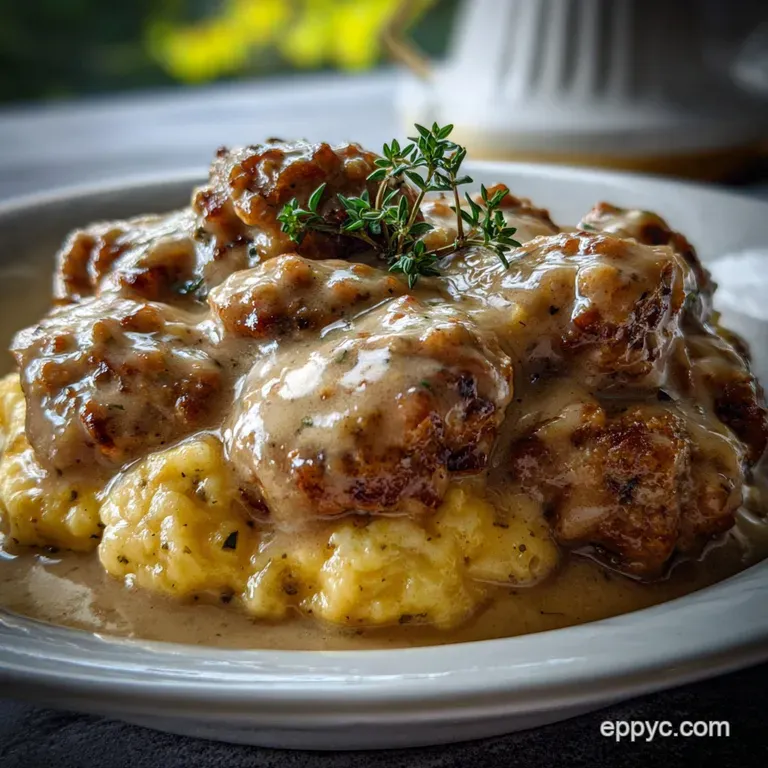
- Effort/Time: 20 minutes total (Minimal-effort, high-impact)
- Flavor Hook: Peppery, mahogany-seared sausage suspended in a silky, cream-based cloud.
- Perfect for: Weekend-brunch, holiday-crowds, and cozy-comfort-mornings.
- Unlocking the Heartfelt Magic of Pioneer Woman Sausage Gravy
- The Thermodynamics of Fat and Flour: Why This Works
- Component Engineering: The Science of Your Pantry Arsenal
- The Building Blocks: Selecting High-Performance Elements
- Minimalist Tool Kit: Empowering Your Digital Kitchen
- Precision Engineering: Bringing the Southern Classic Together
- Solving Fluid Dynamics: How to Fix Common Sauce Problems
- Architecting New Flavors: Creative Variations and Substitutions
- The Geometry of Growth: Proportional Scaling and Thermodynamics
- Preserving the Sizzle: Freezing, Reheating, and Zero-Waste Hacks
- The Final Flourish: Presentation Tips for Visual Impact
- Mastering the Basics: Direct Answers for Home Cooks
- Recipe FAQs
- 📝 Recipe Card
Unlocking the Heartfelt Magic of Pioneer Woman Sausage Gravy
The rumble of a heavy Lodge Cast Iron skillet on a cold morning signals more than just a meal; it is the start of a culinary transformation. Most home cooks struggle with gravy that either turns into a library paste consistency or remains a greasy, broken mess.
This method solves those structural failures by focusing on the precise ratio of rendered pork fat to all-purpose flour. We aren't just cooking; we are engineering a stable suspension that clings to a split biscuit like a velvet shroud.
Crafting authentic pioneer woman sausage gravy requires attention to these ratios.
Why does one recipe feel like a nostalgic triumph while another feels like a cafeteria afterthought? The secret lies in the curiosity of the process. By observing how the 1 lb of breakfast sausage releases its lipids and how those lipids coat the starch molecules, we empower ourselves to create consistency every single time.
It is about bridging the gap between traditional Southern intuition and modern, predictable kitchen physics when making pioneer woman sausage gravy.
Using digital tools like an instant read thermometer or even a simple kitchen scale can take the guesswork out of this "eye-balling" classic. This guide focuses on a minimal tool approach one skillet, one whisk, and a heartfelt commitment to browning.
We will deconstruct the mechanics of the roux and the hydration phase to ensure your result is always mahogany rich and impossibly smooth, just like the best pioneer woman sausage gravy.
The Thermodynamics of Fat and Flour: Why This Works
- Lipid Starch Coating: The 1 lb of rendered sausage fat coats individual flour granules, preventing them from clumping together when the 3.5 cups of whole milk are introduced. This coating is key to perfect pioneer woman sausage gravy.
- Starch Gelatinization: At approximately 175°F (80°C), the amylopectin and amylose molecules in the 1/3 cup of flour absorb the milk’s water, swelling until they burst and create a thick, interconnected web.
- The Maillard Reaction: Deep browning of the sausage protein creates hundreds of new flavor compounds that are fat-soluble, ensuring the flavor is carried throughout the entire 6 serving yield of your pioneer woman sausage gravy.
- Emulsion Stability: The 1 tbsp of unsalted butter adds extra milk solids and fats that help stabilize the sauce, preventing the "broken" look where oil seeps to the top of your perfectly constructed pioneer woman sausage gravy.
Component Engineering: The Science of Your Pantry Arsenal
| Ingredient | Chemical/Physical Role (Science) | The Pro Secret (Why This Matters) |
|---|---|---|
| Breakfast Sausage | Provides the lipid base and Maillard driven amino acids | High fat-to-protein ratio is required to create the roux base without adding excess oil. |
| All-Purpose Flour | Acting as a thickening agent via starch chain expansion | Toasted flour (blonde roux) removes the raw "cereal" taste while maintaining maximum thickening power. |
| Whole Milk | Acts as the continuous phase for the emulsion | The 3.25% milk fat provides a buffer against scorching and creates a "velvety" mouthfeel. |
| Black Pepper | Oil-soluble piperine extraction | Adding 1.5 tsp of pepper to the hot fat before the milk "blooms" the spice for deeper flavor. |
The Building Blocks: Selecting High Performance Elements
- 1 lb (454g) Breakfast Sausage (Bulk/Roll): Why this? High collagen content provides body; the fat-to-lean ratio is optimized for roux.
- Substitute: 1 lb Ground Pork + 1 tbsp sage, 1 tsp maple syrup, and 1/2 tsp red pepper flakes.
- 1/3 cup (42g) All-Purpose Flour (Gold Medal or King Arthur): Why this? Mid-range protein (10 11%) provides structural thickness without becoming gummy.
- Substitute: 1/4 cup Cornstarch (Note: Result will be more translucent and "glossy" rather than creamy).
- 1 tbsp (14g) Unsalted Butter (Kerrygold): Why this? Adds diacetyl (buttery flavor) and extra fat to bridge the sausage flour gap.
- Substitute: 1 tbsp Bacon grease for a smokier, rustic profile.
- 3.5 cups (828ml) Whole Milk: Why this? Lactose and milk fat provide the necessary opacity and sweetness for a traditional profile.
- Substitute: 2.5 cups 2% Milk + 1 cup Heavy Cream for a more decadent, stable sauce.
- 1.5 tsp Freshly Cracked Black Pepper:
- Substitute: 1.5 tsp White pepper for a cleaner look with a more pungent, earthy heat.
- 1/2 tsp Kosher Salt (Diamond Crystal):
- Substitute: 1/4 tsp Fine Sea Salt (Note: Sea salt is denser; use less to avoid over salting).
- 1 pinch Cayenne Pepper:
- Substitute: 1/2 tsp Smoked Paprika for color and mild warmth without the sharp "sting."
Minimalist Tool Kit: Empowering Your Digital Kitchen
To execute the pioneer woman sausage gravy with precision, you don't need a pantry full of gadgets. I prefer using a Lodge 12 inch Cast Iron Skillet.
The thermal mass of cast iron prevents the temperature from dropping when you add the cold milk, which is a common cause of "broken" gravies. If you are a busy cook, this tool is your best friend because it moves from stovetop to table effortlessly.
A flat whisk or a silicone coated balloon whisk is the second essential. This allows you to scrape the "fond" (those flavorful brown bits) from the bottom of the pan. If you're looking to streamline your morning, I often use a digital kitchen scale to measure the 42g of flour directly into the pan. This eliminates the need for measuring cups and ensures the 1/3 cup quantity is exact every time, similar to the precision needed for a great Pecan Pie Perfection recipe.
Precision Engineering: Bringing the Southern Classic Together
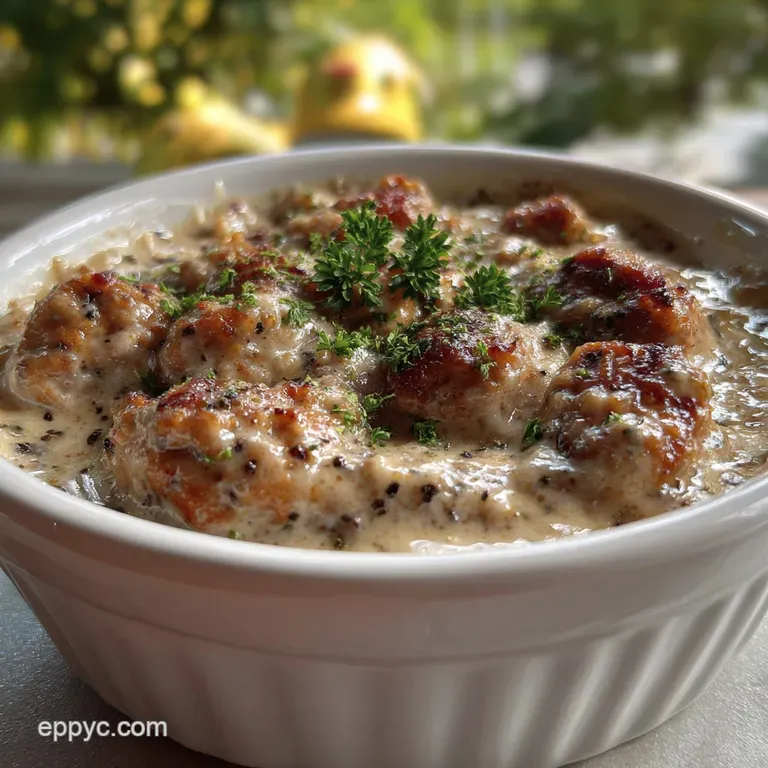
Mastering the Sear
- Place 1 lb breakfast sausage into a cold Lodge Cast Iron Skillet. Note: Starting cold allows fat to render before the protein toughens.
- Crumble the meat with a wooden spoon for 8 minutes until no pink remains and a mahogany crust forms on the bottom.
- Monitor the fat levels; you need approximately 3 4 tablespoons of liquid fat in the pan the necessary foundation for the pioneer woman sausage gravy.
Achieving the Perfect Roux
- Add 1 tbsp unsalted butter to the center of the pan until it foams and hisses subsides.
- Sprinkle 1/3 cup all-purpose flour evenly over the sausage meat. Note: The meat acts as "whisking beads" to help break up flour clumps.
- Stir constantly for 2 minutes until the flour turns a pale straw color and smells like toasted nuts.
Developing the Velvety Texture
- Pour 1/2 cup of the whole milk into the pan until a thick, pasty "slurry" forms around the meat.
- Whisk in the remaining 3 cups of milk in a slow, steady stream until the liquid is fully incorporated and no white streaks remain.
- Simmer over medium heat for 5 minutes until bubbles break the surface slowly and the gravy coats the back of a spoon.
Seasoning for Impact
- Stir in 1.5 tsp black pepper, 1/2 tsp kosher salt, and a pinch of cayenne until the fragrance of the pepper fills the kitchen.
- Remove from heat immediately. Note: Carryover heat will continue to thicken the starch network by another 10%.
Chef's Note: If the gravy looks too thick after resting for 2 minutes, whisk in 2 tablespoons of warm milk. Starch molecules continue to absorb moisture even after the heat is off!
Solving Fluid Dynamics: How to Fix Common Sauce Problems
Why Your Gravy Turned into a Thick Paste
When starch outnumbers liquid, or when the simmer is too aggressive, moisture evaporates too quickly. This results in a "stiff" gravy that lacks the "shatter" of a perfect biscuits and gravy experience. This is often caused by measuring flour by volume (packed cup) rather than weight (42g).
For a perfect pioneer woman sausage gravy, precision matters.
| Problem | Root Cause | The Fix | Pro Protocol |
|---|---|---|---|
| Lumpy Texture | Flour hydrated too fast in hot milk | Whisk vigorously or use an immersion blender | Add cold milk to hot roux, not the other way around |
| Greasy Surface | Emulsion broke due to excessive heat | Add 1 tbsp of cold milk and whisk off-heat | Keep temp below a rolling boil to protect fat bonds |
| Bland Flavor | Under extracted spices/no fond | Add a dash of Worcestershire or more pepper | Ensure sausage is deeply browned (mahogany) before adding flour |
Architecting New Flavors: Creative Variations and Substitutions
Creating a Spicy Kick
For those who need a digital level "boost" to their morning, swap the standard breakfast sausage for "Hot" bulk sausage or add 1 tsp of red pepper flakes to the fat during the roux stage.
The capsaicin in the peppers is fat-soluble, meaning it will permeate the entire 3.5 cups of milk, providing a consistent heat that doesn't just sit on the tongue but warms the back of the throat. This variation makes for a much spicier version of pioneer woman sausage gravy.
Making it gluten-free
If you are catering to dietary restrictions, use a 1 to-1 gluten-free flour blend (like Cup4Cup). Note that gluten-free starches often hydrate faster and can become "slimy" if overcooked. Pull the gravy off the heat as soon as it reaches your desired thickness. Much like making a high-quality & How to recipe, the quality of your base protein will carry the dish even without the traditional wheat structure.
Comparison: Fresh vs. Shortcut
| Feature | Scratch (Pioneer Woman Style) | Canned/Mix Shortcut |
|---|---|---|
| Texture | Velvety with distinct meat chunks | Often gelatinous or homogenized |
| Flavor Profile | Peppery, pork forward, creamy | Metallic or overly salty (high sodium) |
| Customization | Full control over fat and spice | Pre-set ingredients and preservatives |
The Geometry of Growth: Proportional Scaling and Thermodynamics
⚗️ The Scaling Lab
Scaling the pioneer woman sausage gravy isn't as simple as doubling everything. When you move to a 2 lb sausage batch, the physics of your pan changes. The core principles of making the pioneer woman sausage gravy must be adapted to handle the increased volume.
- The Evaporation Paradox: If you double the milk to 7 cups but use the same 12 inch skillet, the surface area remains the same. Evaporation will happen slower. Reduce the milk by 1/2 cup initially, then add it at the end if needed.
- Flavor Saturation: Do not double the salt immediately. Scale salt to 1.5x (3/4 tsp) and taste. You can always add more, but the saltiness of the sausage varies by brand.
- Pan Crowding: Doubling the meat in one pan drops the temperature below 300°F (150°C), leading to "steaming" rather than "searing." Mandatory instruction: Brown the sausage in two batches to ensure the Maillard reaction occurs.
- The Square Cube Law: A larger volume of gravy retains heat longer. When doubling, pull the gravy off the heat when it is slightly thinner than you desire, as it will thicken significantly during the 5 minute "carryover" period.
Preserving the Sizzle: Freezing, Reheating, and Zero Waste Hacks
Storage Protocols
- Fridge: Store in an airtight container for up to 4 days. The starch will "set" into a firm block; this is normal.
- Freeze: 1 month in a heavy duty freezer bag. Note: Milk based sauces can "grain" upon thawing as the fat and water separate. Reheating properly is vital for salvaged pioneer woman sausage gravy.
- Reheat: Place in a small saucepan over low heat. Add 1/4 cup of whole milk and whisk constantly as it warms to re-emulsify the fats.
Zero Waste Philosophy
Don't discard leftover gravy! Transform: Use it as a base for a "Leftover Pot Pie" or a breakfast poutine over crispy potatoes. Science: The stabilized starch in the gravy acts as a thickener for stews, providing instant body and umami. If you have extra sausage grease, save it in a glass jar. Transform: Use it to sear vegetables or as the fat base for a Pioneer Woman Meatballs recipe to add a smoky depth. Science: Smoked animal fats have a higher flavor density than refined oils, elevating simple sautés with minimal effort.
The Final Flourish: Presentation Tips for Visual Impact
The "Signature Smother" is an art form. To prevent the gravy from looking like a monochromatic "beige-on-beige" plate, focus on contrast. Use a white plate to highlight the mahogany specks of the sausage and the black pepper.
Split your biscuits by hand rather than cutting them with a knife; the craggy, uneven surface of a hand torn biscuit creates "flavor pockets" where the gravy can pool, showcasing the texture of your pioneer woman sausage gravy.
- If you want a rustic look
- Leave the sausage in large, 1 inch chunks.
- If you want a refined sauce
- Crumble the meat into fine, pebble sized bits.
- If you want a "glossy" finish
- Whisk in 1 teaspoon of cold butter just before serving (the monter au beurre technique).
Mastering the Basics: Direct Answers for Home Cooks
Can I make this ahead of time?
Yes, you can make this gravy up to 24 hours in advance. Reheat it slowly on the stovetop with a splash of milk to restore the creamy "velvety" texture that defines successful pioneer woman sausage gravy.
Avoid the microwave if possible, as it can cause the fat to separate and create a greasy film.
Why is my gravy grainy?
Graininess usually occurs if the flour wasn't cooked long enough in the fat (the "raw" stage) or if the milk was added too quickly to a very hot pan, causing the proteins to seize. Always add milk gradually and whisk constantly to ensure a smooth transition from roux to sauce.
Achieving a perfect texture is the final hurdle in mastering this style of gravy.
What is the best sausage to use?
For a true pioneer woman sausage gravy experience, a "Breakfast" or "Country" style pork sausage in a bulk roll is best. These are specifically seasoned with sage and black pepper, which perfectly complements the creamy milk base.
Avoid links with casings, as they don't provide enough surface area for browning.
Is this recipe suitable for freezing?
While possible, it is not ideal. The emulsion of milk fat and starch is fragile. If you must freeze it, do so in a vacuum sealed bag. When reheating, you will likely need to "rescue" the sauce by whisking in a fresh tablespoon of flour and butter paste (beurre manié) to bring the emulsion back together for the best possible pioneer woman sausage gravy.

Recipe FAQs
What sausage fat-to-flour ratio creates the thickest gravy?
A 4:1 fat-to-flour ratio by volume ensures stability. Excess fat coats the starch molecules, preventing premature clumping when milk is added, which is the core principle behind any stable roux based sauce, including our Proper Job Country Sausage Gravy Foolproof Recipe for Biscuits.
Can I substitute whole milk with a dairy-free alternative?
Yes, but the mouthfeel will be significantly lighter. Oat milk works best due to its higher natural fat and stabilizer content, mimicking the body that whole milk provides for the emulsion.
If using thinner alternatives like almond, consider adding a tablespoon of cornstarch to compensate for the missing milk fat.
Is it necessary to "bloom" the black pepper in the hot fat?
Yes, blooming extracts oil-soluble flavors efficiently. Heating piperine (the active compound in pepper) in hot pork fat allows for maximum flavor penetration throughout the entire sauce matrix. This depth of flavor is critical when balancing the richness of the cream base.
- Fat dissolves aromatic compounds quickly
- Prevents gritty pepper texture
- Adds necessary warmth before milk addition
Should I use salted or unsalted butter for the roux base?
Unsalted butter for precision control. Salted brands vary widely in sodium content (often 80-200mg per tablespoon), making it impossible to standardize the final salt level against the salt in the sausage. Unsalted butter lets you control salinity based solely on the pork product.
Myth: You must use cold milk to avoid lumps.
Myth: Using cold milk guarantees a lump free gravy. Reality: Lumps form when flour is added to hot fat without enough liquid, or when milk is added too fast.
The technique of adding a small amount of cold milk first to create a slurry stabilizes the starch before introducing the bulk of the liquid.
What is the purpose of browning the sausage deeply?
Deep browning (Maillard reaction) builds flavor foundation. The dark brown bits, or fond, clinging to the pan contain concentrated savory compounds that dissolve into the fat, enriching the flavor of the final gravy. If you enjoy this deep flavor extraction technique, see how the same principle works in our Pot Roast: Ultimate Slow Braised Sunday Beef with Rich Gravy.
What is the ideal final internal temperature before removing from heat?
Remove the gravy at 180°F (82°C). This temperature ensures the starch chains have fully gelatinized, thickening the sauce, but is below a rolling boil, which protects the milk proteins from scorching or separating. Carryover heat will bring it to the perfect serving viscosity.
Pioneer Woman Sausage Gravy
Ingredients:
Instructions:
Nutrition Facts:
| Calories | 381 calories |
|---|---|
| Protein | 14.4 g |
| Fat | 29.3 g |
| Carbs | 13.4 g |
| Fiber | 0.4 g |
| Sugar | 7.2 g |
| Sodium | 712 mg |
