Beef Short Ribs: Ultimate Red Wine Braised Dinner
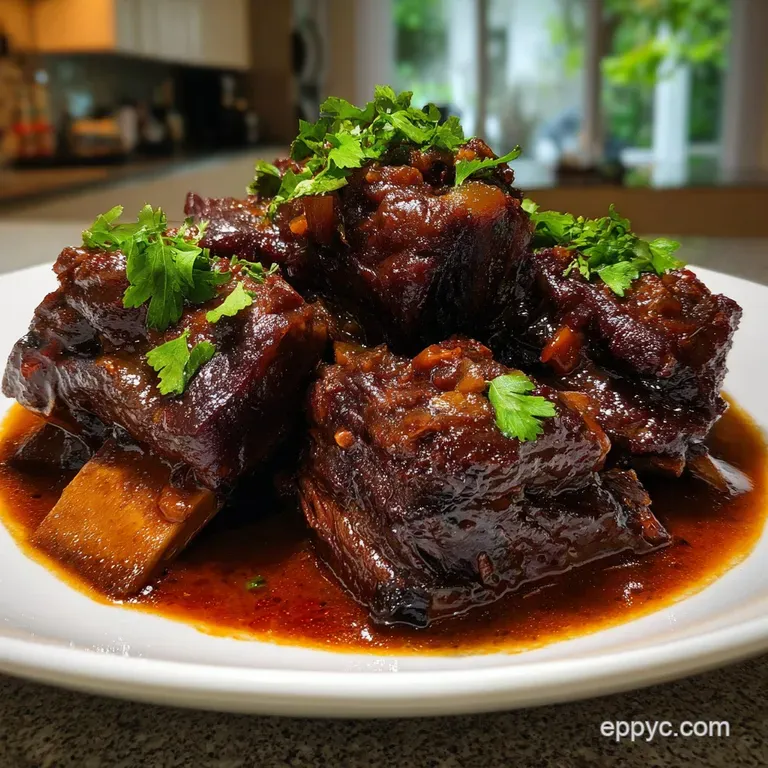
- Mastering The Ultimate Low & Slow Red Wine Braised Short Ribs
- The Science of Succulence: Why Braising Transforms Tough Cuts
- Essential Components: Gathering Your Ingredients (and Smart Substitutions)
- Detailed Method: How to Braise the Dish to Perfection
- Troubleshooting and Expert Secrets for Flawless Results
- Elevated Presentation: What to Serve Alongside Your Short Ribs
- Planning Ahead: Storage, Freezing, and Reheating Braised Beef
- Recipe FAQs
- 📝 Recipe Card
Mastering The Ultimate Low & Slow Red Wine Braised Short Ribs
When that first incredible smell hits you deep, savory, and rich with red wine you know the several hours of gentle waiting were worth it. This recipe for Beef Short Ribs is pure comfort, the kind of meal that makes everyone at the table sigh happily.
We are aiming for that fall apart texture, where the meat is so tender it’s almost melting, leaving behind a thick, glossy, unforgettable sauce. It takes a little patience, but the active cooking time is surprisingly short.
This dish is my culinary security blanket, perfect for when the weather outside is miserable and you need robust flavor without fuss. It’s an easy win for dinner parties because almost all the work is done by the oven, leaving you free to actually enjoy your friends.
The high fat content of this specific cut means it stays incredibly moist, even if you slightly overshoot the short ribs cooking time —a huge relief for nervous cooks!
So, ditch the quick stovetop braises and commit to the low and slow method. Trust me, dedicating four hours to these incredible Beef Short Ribs transforms them from tough cuts into fork tender luxury.
Let’s crack on and get the oven preheated, because mastering the Best Beef Short Rib Recipe starts right now.
Defining the Perfect Braise: Texture Expectations
The goal here isn't merely cooked meat; the goal is structural surrender. We want the Beef Short Ribs to achieve that point where the collagen has fully dissolved into luscious gelatin, creating a mouthfeel that is simultaneously rich and sticky.
If you poke the meat with a fork after three hours, you shouldn't have to saw at it.
If your short ribs resist the fork, that simply means they need more time. Toughness isn't a sign of overcooking; it's a sign of under braising! We use a low oven temperature and a tightly sealed environment to ensure the liquid stays just below a boil, guaranteeing gentle conversion of that tough connective tissue.
This specific technique is the core of any great Beef Short Ribs Oven Recipe .
Why Red Wine Is the Foundation of This Flavor Profile
Red wine is much more than just liquid; it’s an essential flavor acid and tenderizer. The tannins and fruit acids in the wine help break down the meat fibers gently during the initial simmering stage.
More importantly, when the wine reduces (Step 6!), it concentrates a complex layer of flavor that pure stock simply can't replicate.
Overview of the 4 Hour Cooking Timeline
This isn't a race, it's a marathon. You spend 20 minutes getting a glorious sear (the most important part!), 10 minutes building the base, and then 3. 5 hours letting the oven do all the heavy lifting.
The low and slow approach is what separates a decent braise from transcendent Beef Short Ribs .
The Science of Succulence: Why Braising Transforms Tough Cuts
Why choose this cut over, say, flank steak? Because Beef Short Ribs have incredible internal marbling and connective tissue that requires long cooking. When you expose this tissue to moderate heat (325°F/160°C) over an extended period in a liquid bath, you trigger two amazing reactions.
The first reaction is the Maillard reaction, which happens during the searing step. The second, and most crucial, is the conversion of tough, stringy collagen into smooth, wobbly gelatin.
This gelatin is what gives the sauce body and coats the mouth with richness, making your Red Wine Braised Beef Short Ribs feel luxurious.
Essential Components: Gathering Your Ingredients (and Smart Substitutions)
Don't panic if you’re missing something from the pantry! Great food should be adaptable. If you can’t get high-quality Beef Short Ribs , try something similar, but adjust the cook time.
The Maillard Reaction: Searing for Deep Umami
Searing is non-negotiable! You need that dark, deeply browned crust on the meat before it even meets the liquid. If your pot isn't hot enough, or if you crowd the pan, the meat will steam. Steamed short ribs are sad short ribs, and you'll miss out on that intense, nutty, savory layer of flavor that the sear creates.
Converting Collagen to Gelatin: Achieving the Fall Apart Texture
This transformation is why we braise in the oven, rather than on the stovetop. Oven heat surrounds the pot completely, ensuring an even, gentle temperature. If you try to do this on the burner, the bottom always scorches or the heat spikes too high, rushing the process and leaving your Beef Short Ribs dry and chewy.
Choosing the Right Cut: Bone-in vs. Boneless Beef Short Ribs
I am a bone-in girl all the way for this recipe. The bone adds an incredible depth of flavor and richness to the braising liquid as it cooks. Boneless cuts work fine, but they lack that depth and tend to break down a little too fast, so check them early.
When buying the Beef Short Ribs , ask your butcher for English style cuts, which are nice thick squares, rather than the thinner Flanken style.
Selecting the Best Red Wine for Braising
Go dry, bold, and tannic. Cabernet Sauvignon or Merlot are always winners because they stand up to the richness of the meat. But whatever you do, please follow the rule: If you wouldn’t drink it, don’t cook with it. If the wine tastes like sour socks, your sauce will, too.
Stock vs. Water: Maximizing the Liquid Flavor
Water is useless here; we need flavor depth immediately. Use high-quality, low-sodium beef stock. Since the braising liquid will reduce down to almost half its volume, every ingredient's flavor is massively concentrated. Using a rich, well flavored stock ensures your final gravy is stellar.
| Ingredient | My Recommendation | Smart Substitute |
|---|---|---|
| Short Ribs | Bone-in English cut | Boneless chuck roast or beef stew meat (increase cook time slightly) |
| Red Wine | Cabernet Sauvignon/Merlot | 2/3 cup low-sodium beef stock + 1/3 cup high-quality balsamic vinegar |
| Tomato Paste | Standard paste | Ketchup (only 1 Tbsp, as it’s sweeter) or roasted red pepper paste |
| Mirepoix | Onion, Carrot, Celery | Leeks, parsnips, and maybe a few sweet potatoes for bulk |
Detailed Method: How to Braise the Dish to Perfection
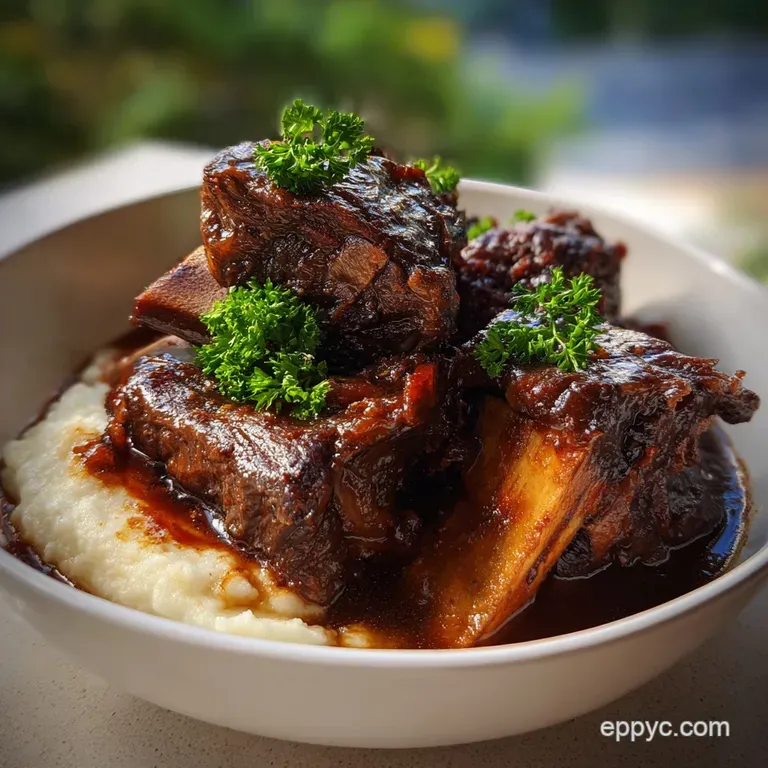
Step 1: Prepping the Ribs and Initial over High heat Sear
First things first: pat those short ribs down! Seriously, use half a roll of paper towels if you need to. A dry surface is the only way to get that glorious, crunchy crust. Season them like you mean it, because this salt needs time to penetrate the thick cut.
Heat your oil until it shimmers, then drop the ribs in without crowding. You should hear that satisfying sizzle immediately. Sear until they are deep mahogany brown, removing them to a clean plate as you go.
Step 2: Developing the Red Wine Sauce and Deglazing
Once the ribs are out, reduce the heat and add your chopped aromatics. Let them soften until your kitchen smells sweetly savory about 5- 7 minutes. Then, stir in the garlic and tomato paste.
Cook the paste for 60 seconds until it deepens in color; this step, called pincage , removes that raw tomato flavor. Pour in the red wine and grab a wooden spoon. Scrape aggressively!
That beautiful brown residue (the fond) at the bottom of the pot is pure flavor gold, and dissolving it into the wine creates the base of your rich sauce.
Step 3: Low and Slow: Oven Braising Setup and Timing
Return the seared Beef Short Ribs to the pot, nestling them among the vegetables. Pour in the beef stock and add your herbs. It should just about cover the meat. Bring the liquid up to a gentle simmer on the stove do not put a cold pot in the oven!
Cover it tightly, transfer it to the 325°F oven, and walk away. Don't peek for at least two hours.
Chef's Note: The magic happens when the heat is constant and gentle. If you constantly lift the lid, you drop the internal temperature, which extends the Short Ribs Cooking Time and potentially results in less tender meat.
Finishing Touches: Skimming Fat and Reducing the Sauce for Consistency
When the Beef Short Ribs are fall apart tender, take the pot out. Carefully remove the meat and set it aside, covered. Let the pot sit for 10 minutes; the fat will float to the top. Use a spoon to skim off the visible fat layer.
If the sauce isn't thick enough for you, strain the liquid into a separate saucepan and rapidly boil it until it reduces to your desired consistency. Stir in that tiny bit of balsamic vinegar right at the end for brightness it cuts through the richness beautifully.
Troubleshooting and Expert Secrets for Flawless Results
Common Mistake: Why Your Beef Short Ribs Are Still Tough
The biggest failure point is impatience, plain and simple. If your meat is tough, it’s undercooked. My very first attempt at easy beef short ribs years ago was a disaster because I pulled them out after only two hours. I thought they were done! Wrong.
If you poke them with a fork and they don't disintegrate gently, put the lid back on and give them another 30 minutes. Toughness means collagen hasn't broken down yet. This is true whether you're using the oven or a short ribs crock pot .
The Day-Ahead Advantage: Resting the Dish for Better Flavor
This is my biggest secret: Make them the day before. Seriously. The Red Wine Braised Beef Short Ribs benefit immensely from chilling completely overnight in their sauce. The flavors meld, deepen, and concentrate while resting.
Plus, when they are cold, all the fat solidifies into a perfect cap, making it effortless to skim off 99% of the excess before reheating.
Elevated Presentation: What to Serve Alongside Your Short Ribs
These rich, flavorful Beef Short Ribs need a sturdy side dish to soak up all that incredible red wine gravy.
Classic Starchy Pairings (Mashed Potato Variations)
You simply cannot go wrong with mashed potatoes or creamy polenta. The sauce acts as the most luxurious gravy imaginable. If you want to get fancy, try celeriac mash for a slightly nutty, cleaner flavor that balances the beef.
For another hearty beef option, you might also love my recipe for [Pot Roast: Ultimate Slow Braised Sunday Beef with Rich Gravy], which shares some similar flavor profiles.
Cutting Through the Richness: Essential Acidic Sides
Because the Beef Short Ribs are so rich, you need something bright and slightly acidic to lift the palate.
- Blanched green beans tossed with olive oil and lemon zest.
- A simple salad of arugula and shaved Parmesan with a sharp vinaigrette.
- Glazed carrots or parsnips for sweetness and texture contrast.
Planning Ahead: Storage, Freezing, and Reheating Braised Beef
These are great for batch cooking! You can absolutely freeze them.
Immediate Cooling and Separation of Fat
As mentioned, cooling the entire pot in the fridge overnight is the gold standard for easy fat removal. If you don’t have time, let the sauce sit on the counter for 20 minutes before skimming, then store the ribs and sauce together in an airtight container for up to 4 days.
If you prefer the short ribs crock pot method, the skimming process is just as crucial after cooking.
Best Techniques for Reheating Without Drying Out the Meat
Reheating is best done gently, in the oven or on the stove. Place the short ribs and sauce back into a pot, cover, and reheat at 300°F (150°C) for about 30 minutes, or until bubbling hot.
If you prepared this recipe using the slow cooker method or the beef short ribs crock pot variation reheating them gently in the same device for an hour on low works perfectly too. Do not try to microwave them unless you like dry, rubbery edges!
These Beef Short Ribs are truly a labor of love, but they prove that time is the best ingredient you can add to any dish. Go make some magic!
Recipe FAQs
Why are my short ribs still tough after the recommended cooking time?
Toughness is usually a sign that the short ribs simply need more time to break down the connective tissue (collagen). Braising time is a guideline, but the true indicator of readiness is fork tenderness.
Continue simmering them, covered, until they yield easily to a fork, which may take up to 4 or 5 hours depending on your oven and the thickness of the meat.
Is the searing step truly necessary before braising?
Yes, searing is essential for building the deep flavor base of this dish, a process known as the Maillard reaction. This caramelization creates complex, savory notes that cannot be achieved during the braising process alone. Skipping the sear results in a less flavorful and visually less appealing final dish.
What kind of red wine should I use, and can I substitute it?
Use a dry, robust red wine that you would enjoy drinking, such as a Cabernet Sauvignon, Merlot, or Pinot Noir. If you must substitute, replace the volume with strong beef stock and add 1-2 tablespoons of balsamic or red wine vinegar to provide the necessary acidity that balances the richness of the meat.
How can I fix the sauce if it turns out too thin or too oily?
If the sauce is too thin, remove the meat and reduce the liquid by simmering it rapidly on the stovetop until thickened. If it is too oily, the best solution is to chill the finished dish overnight; the fat will solidify on the surface, making it easy to skim off before reheating.
Can I make these short ribs ahead of time?
Absolutely, short ribs are famously better when made a day in advance, as the flavors deepen and meld overnight. Prepare the entire recipe, cool it completely, and store it in the refrigerator. Reheat gently on the stovetop or in a low oven before serving.
What is the difference between bone-in and boneless short ribs for braising?
Bone-in short ribs are preferred because the bone releases gelatin and marrow during the long braise, resulting in a richer, more flavorful sauce and juicier meat. While boneless ribs can be used, they often require slightly less cooking time and benefit from using extra high-quality beef stock to make up for the lack of bone richness.
What is the proper way to store and freeze leftover short ribs?
Store leftovers refrigerated in an airtight container for up to 4 days, making sure they are covered in the sauce to prevent drying out. Short ribs freeze excellently; place them with the sauce in a freezer safe container for up to 3 months, thawing overnight in the refrigerator before reheating gently.
Red Wine Braised Beef Short Ribs
Ingredients:
Instructions:
Nutrition Facts:
| Calories | 366 kcal |
|---|---|
| Protein | 35.7 g |
| Fat | 22.8 g |
| Carbs | 4.7 g |
