Roast Beef Sliders
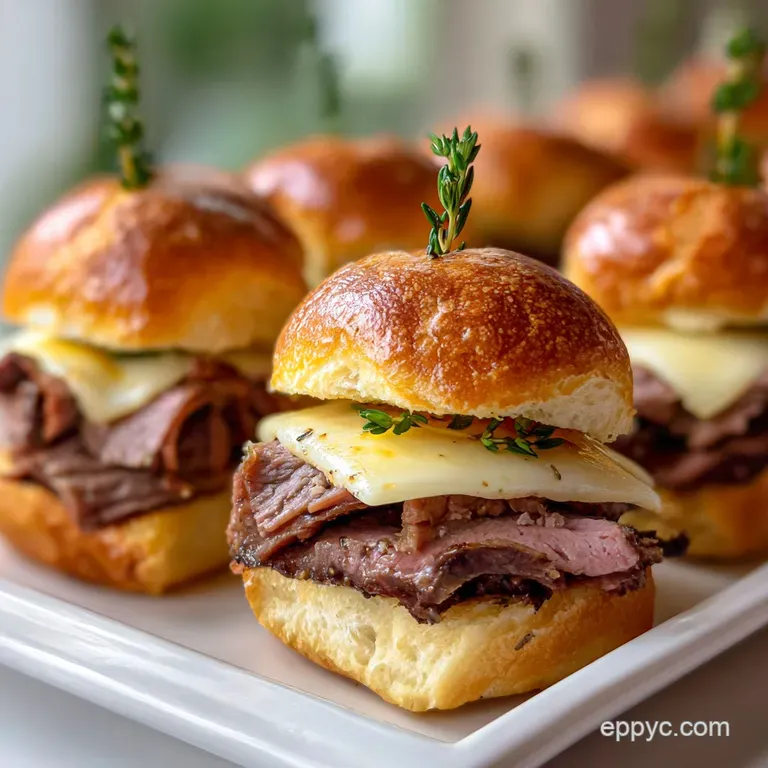
- Time: Active 15 minutes, Passive 20 minutes, Total 35 minutes
- Flavor/Texture Hook: Shatter crisp buttery tops with a velvety horseradish finish
- Perfect for: Game day crowds or quick weeknight family meals
- A Savory Twist on Roast Beef Sliders
- Why These Sliders Win
- Ingredient Deep Dive
- Budget Friendly Ingredient Guide
- Basic Tools for Success
- How to Assemble and Bake
- Pro Tips for Results
- Easy Flavor Variations
- Storage and Warming Instructions
- Best Sides to Serve
- Kitchen Myths Debunked
- Recipe FAQs
- 📝 Recipe Card
A Savory Twist on Roast Beef Sliders
I remember the first time I hosted a big game day party and tried to make fancy sandwiches for twelve people. It was a disaster. I spent way too much on premium cuts, and by the time everyone sat down, the bottom buns were like wet sponges.
I almost gave up on the idea until I started looking at these little sandwiches through the lens of kitchen technology and basic physics.
This roast beef sliders recipe is my heartfelt solution for anyone who wants to empower their inner chef without draining their bank account. We're using budget friendly deli meat and smart layering to create something that tastes like it came from a high end bistro.
You'll get that incredible sizzle from the herb butter and a tangy kick from the horseradish that cuts right through the richness.
Trust me, once you see how the balsamic glaze transforms these humble rolls into a savory masterpiece, you'll never go back to basic ham and cheese. We've optimized every layer to ensure the bread stays crusty while the inside remains tender and juicy. It's a total win for your wallet and your taste buds.
Why These Sliders Win
- Lipid Barrier Strategy: Placing the cheese directly against the bread creates a fat based shield that prevents meat juices from migrating into the roll fibers.
- Maillard Reaction Boost: The balsamic vinegar in the glaze contains sugars that caramelize rapidly under heat, giving the rolls a deep mahogany color and complex sweetness.
- Emulsion Stability: Using Greek yogurt instead of just mayo in the horseradish crema provides a thicker, more stable sauce that doesn't "break" or become oily when it hits the warm beef.
- Acetic Acid Balance: The vinegar and lemon juice act as brighteners, cutting through the heavy fats of the butter and cheese to keep the palate refreshed.
| Method | Time | Texture | Best For |
|---|---|---|---|
| Standard Oven | 20 minutes | Shatter crisp tops | Maximum crowd pleasing crunch |
| Air Fryer | 8 minutes | Deeply toasted edges | Small batches or quick lunches |
| Toaster Oven | 15 minutes | Evenly melted centers | Single pan convenience |
The secret to why this works so well lies in the thermal conductivity of the pan combined with the steam trapped inside the foil. We want the center to get warm and gooey without the outside turning into a brick.
By starting with foil and finishing with a over high heat "uncovered" blast, we manage the moisture perfectly.
Ingredient Deep Dive
| Ingredient | Science Role | Pro Secret |
|---|---|---|
| Hawaiian Rolls | Starch structure | Use savory butter rolls instead of sweet ones for a more complex profile. |
| Deli Roast Beef | Protein foundation | Ask for "rare" or "medium rare" deli slices; they won't overcook during the bake. |
| Horseradish | Pungency agent | Always drain the liquid from the jarred horseradish to keep the crema thick. |
| Balsamic Vinegar | Caramelization catalyst | This provides the dark, "umami" look that makes the sliders look professional. |
Budget Friendly Ingredient Guide
We're all about being budget smart here, so don't feel like you need the most expensive items on the shelf. You can get incredible results by picking lean, thinly sliced roast beef from the deli counter rather than the pre packaged stuff. It's often fresher and you can control the thickness.
- Hawaiian Rolls (12 count): Savory butter or wheat versions work best. Why this? They provide a soft, pull apart structure that's easy to handle.
- Lean Deli Roast Beef (1 lb): Thinly sliced is non negotiable. Why this? Thin ribbons of meat create air pockets for the sauce to cling to.
- Sharp Provolone (8 slices): Provides a smoky, salty kick. Why this? Provolone melts beautifully without becoming excessively greasy.
- White Onion (1/2): Sliced into paper thin rings.
- Unsalted Butter (3 tbsp): Melted for the glaze.
- Balsamic Vinegar (1 tbsp): For that deep, savory tang.
- Dijon Mustard (1 tbsp): Adds a sharp, vinegary punch to the glaze.
- Garlic Powder (1/2 tsp): Essential for that classic savory aroma.
- Dried Thyme (1/2 tsp): Earthy notes that pair perfectly with beef.
- Cracked Black Pepper (1/4 tsp): For a bit of textural heat.
- Greek Yogurt (1/4 cup): Plain and non fat. Why this? It adds creaminess with more protein and less fat than mayo.
- Prepared Horseradish (1 tbsp): Drained well.
- Lemon Juice (1 tsp): To brighten the horseradish sauce.
- Salt (1/4 tsp): To tie all the flavors together.
If you happen to have leftovers from another meal, this is a great way to use them. For instance, if you followed my Melt in-Your Mouth Beef Tenderloin recipe, those thin end cuts would be legendary in these sliders.
| Original Ingredient | Substitute | Why It Works |
|---|---|---|
| Provolone Cheese | Low moisture Mozzarella | Similar melting point. Note: Flavor will be milder than provolone. |
| Greek Yogurt | Sour Cream | Same tangy acidity and thick texture for the horseradish sauce. |
| Balsamic Vinegar | Worcestershire Sauce | Deep umami and saltiness. Note: It won't glaze as thickly as balsamic. |
Basic Tools for Success
You don't need a high tech kitchen to pull this off, but a few basics make it easier. A 9x13 inch baking dish (like a glass Pyrex) is the gold standard for a 12 pack of rolls. It keeps them snug so the edges don't dry out.
A serrated knife is your best friend here. It allows you to slice through the entire block of rolls in one smooth motion without crushing the delicate bread. I also highly recommend using a small whisk for the glaze to ensure the Dijon and balsamic are fully emulsified into the butter.
If the glaze separates, you'll get greasy spots on your rolls instead of that even, velvety coating we're after.
How to Assemble and Bake
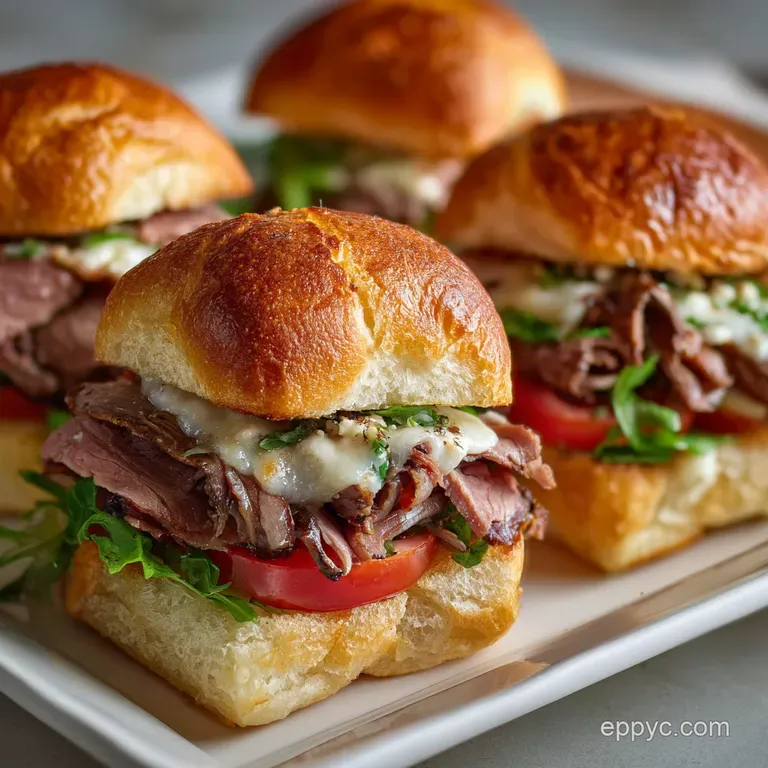
Preparing the Roll Foundation
Preheat your oven to 350°F and lightly grease your baking dish. Take the entire block of Hawaiian rolls out of the package and use a serrated knife to slice them in half horizontally. Place the bottom half into the dish.
Layering the Savory Ingredients
Lay 4 slices of provolone across the bottom rolls. Pile the roast beef in loose ribbons rather than flat sheets until the surface is completely covered. This adds height and better texture. Top the beef with the onion rings and the remaining 4 slices of cheese.
Applying the Vinegar Glaze
Whisk the melted butter, balsamic, Dijon, garlic powder, thyme, and pepper. Put the top half of the rolls back on the sandwich stack. Brush the glaze evenly over the tops until every inch of bread is soaked.
Getting the Perfect Crisp
Cover the dish tightly with foil. Bake for 15 minutes until the cheese is visibly drooping. Remove the foil and bake for another 5 minutes until the tops are mahogany and crackling.
While it bakes, stir the yogurt, horseradish, lemon juice, and salt in a small bowl.
Chef's Tip: Let the sliders sit for 3 minutes before cutting. This allows the cheese to set slightly so the layers don't slide apart when you slice them.
Pro Tips for Results
Preventing Soggy Bun Bases
The biggest culprit of a bad slider is the bottom bun. If you find yours are still a bit soft, try pre toasting the bottom half of the rolls for 3 minutes in the oven before adding any ingredients. This creates a "crust" that is much harder for moisture to penetrate.
Yogurt Sauce Flavor Profile
Don't skip the lemon juice in the horseradish crema. It's the technology that "unlocks" the flavor of the yogurt. Without that hit of acid, the sauce can taste a bit flat. If you want more heat, add an extra teaspoon of horseradish, but be sure to taste as you go.
High Protein Satisfaction
By using lean roast beef and Greek yogurt, we're actually making a sandwich that keeps you full longer. Protein denaturation during the bake ensures the beef stays tender, but the high protein content of the yogurt provides a heartfelt, satisfying meal that isn't just empty calories.
| Problem | Root Cause | Solution |
|---|---|---|
| Dry Beef | Overcooking | Keep the foil on for the first 15 minutes to trap steam. |
| Burnt Tops | Sugar in rolls | Move the oven rack to the middle position, not the top. |
| Separated Glaze | Cold butter | Ensure butter is warm and whisked vigorously with the mustard. |
Common Mistakes Checklist: ✓ Don't forget to drain the horseradish (prevents a watery sauce). ✓ Layer cheese on the bottom and top of the meat (the "double barrier"). ✓ Use a serrated knife for the final cuts (prevents squishing).
✓ Cover with foil initially (essential for melting the center).
Easy Flavor Variations
If you're feeling adventurous, you can easily pivot this recipe. For a "French Dip" style, skip the horseradish crema and serve these with a side of warm au jus. If you want something a bit more substantial, you can use the beef from a Crock Pot Beef recipe — just shred it well and drain any excess liquid before layering.
Slow Cooker Adaptation Method
You can make a "shortcut" version by using pre cooked pot roast. Just make sure the meat is cold when you layer it so it doesn't overcook in the oven while the cheese is melting.
Picnic Ready Cold Sliders
These are actually great cold too! Just skip the butter glaze and bake the rolls separately for 5 minutes to get them crisp. Assemble with the cold beef, cheese, and a generous smear of the horseradish sauce.
dairy-free Substitutions
Swap the butter for a neutral oil like avocado oil and use a dairy-free provolone. For the sauce, a cashew based yogurt or a vegan mayo works as a solid stand in.
Storage and Warming Instructions
Keep any leftovers in an airtight container in the fridge for up to 3 days. To reheat, I suggest using the air fryer at 320°F for about 4 minutes. It brings back that "shatter" crunch on the bun that the microwave just can't replicate.
If you must use a microwave, wrap the slider in a paper towel and heat in 20 second bursts.
For zero waste, don't throw away those onion scraps! Toss them in a freezer bag for your next stock. If you have extra horseradish sauce, it makes a killer dip for roasted potatoes or a spread for a steak sandwich later in the week.
Best Sides to Serve
These sliders are rich and savory, so you want something to balance that out. A crisp green salad with a vinaigrette or some simple salt and vinegar chips works wonders. If you're looking for a more hearty pairing, they go beautifully with a warm bowl of vegetable soup.
If you have some extra time, I love serving these alongside a big batch of Beef Short Ribs recipe for a massive meat lover's feast. The acidity in the slider sauce really helps cut through the richness of the ribs. It's an empowering way to host a dinner where everyone leaves feeling completely satisfied.
Kitchen Myths Debunked
One common myth is that you need to use expensive prime rib for good sliders. In reality, deli roast beef is often better because it’s sliced so thin that it creates more surface area for the sauce and cheese to cling to. Another myth is that the rolls will always get soggy.
As we've seen, using a cheese barrier and pre toasting can completely eliminate that issue.
Finally,, many people think you have to marinate the beef. With a strong balsamic glaze and a punchy horseradish sauce, the beef gets plenty of flavor during the 20 minute bake. There's no need for extra prep time when the physics of the oven does the work for you.
Recipe FAQs
What is the best meat for beef sliders?
Thinly sliced deli roast beef is best. It creates more surface area for sauces and cheese to cling to, and it doesn't overcook during the short bake time. Ask for "rare" or "medium rare" slices for optimal tenderness.
What do you serve with roast beef sliders?
Balance richness with lighter sides. Crisp green salads with vinaigrette, salt and vinegar chips, or a hearty vegetable soup are excellent choices. For a meat lover's feast, pair them with something like Beef Short Ribs recipe.
What cheese goes on roast beef sliders?
Sharp provolone offers the best flavor and melt. Its smoky, salty profile complements the beef well and it melts beautifully without becoming excessively greasy. Low-moisture mozzarella is a decent substitute if provolone isn't available.
Can roast beef sliders be made ahead of time?
Yes, but with a slight modification. You can assemble them with cold beef and cheese, then bake separately for 5 minutes for crispness before assembling with sauce. They are also excellent served cold, skipping the bake entirely.
How do I prevent my slider buns from getting soggy?
Create a cheese barrier and pre-toast the bottoms. Placing cheese directly against the bottom bun prevents meat juices from penetrating. Lightly toasting the bottom half of the rolls before assembling adds an extra layer of protection against moisture.
What is the secret to a flavorful glaze for the buns?
Whisk together butter, balsamic vinegar, and Dijon mustard. The balsamic provides sugars for caramelization, while the Dijon adds a sharp tang. Garlic powder, thyme, and pepper enhance the savory notes for a deep, complex flavor.
Is deli roast beef always the best option for sliders?
For ease and texture, yes. While premium cuts like prime rib are great, thinly sliced deli roast beef is often superior for sliders due to its delicate texture and ability to absorb flavors. If you have leftover cooked beef, such as from a Slow Cooker Beef Stew, shredded and well drained, it can also work well.
Roast Beef Sliders
Ingredients:
Instructions:
Nutrition Facts:
| Calories | 232 kcal |
|---|---|
| Protein | 16.8 g |
| Fat | 11.2 g |
| Carbs | 16.4 g |
| Fiber | 0.6 g |
| Sugar | 4.2 g |
| Sodium | 445 mg |
