Sheet Pan Steak Fajitas: Tender and Roasted
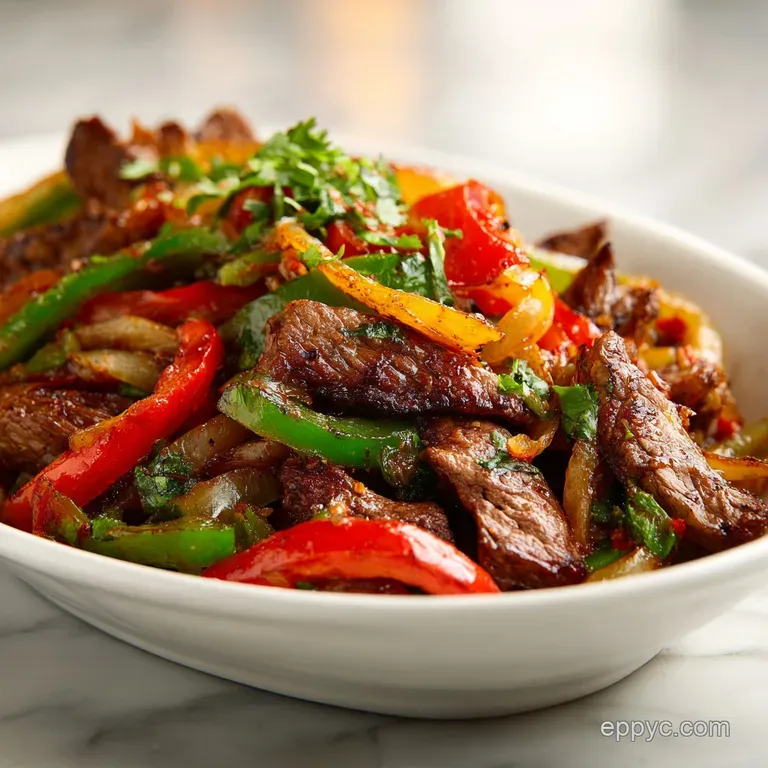
- Time: Active 15 minutes, Passive 12 minutes, Total 27 minutes
- Flavor/Texture Hook: Smoky, charred, and zesty
- Perfect for: Busy weeknights or budget-friendly family dinners
- Creating the Sizzle with My Favorite Sheet Pan Steak Fajitas
- How High Heat and Acid Transform Simple Steak and Peppers
- Choosing Your Path to the Perfect Weeknight Dinner
- Gathering the Elements for a Budget Friendly Flavor Explosion
- Tools That Empower Your Kitchen Success and Results
- Following the Simple Steps to Fajita Perfection Every Time
- Solving Common Roadblocks for the Best Sheet Pan Results
- Adjusting the Recipe for Crowds or Quiet Nights
- Debunking the Ideas That Hold Your Cooking Back
- Smart Ways to Keep and Reuse Your Heartfelt Leftovers
- Simple Sides That Pair Effortlessly With This Healthy Meal
- Recipe FAQs
- 📝 Recipe Card
Creating the Sizzle with My Favorite Sheet Pan Steak Fajitas
Picture this: It is 6:00 PM on a Tuesday, the kids are asking about dinner for the tenth time, and you really do not want to stand over a splattering frying pan for twenty minutes. I have been there more times than I can count.
Then, the smell hits you, that smoky, earthy aroma of paprika and cumin mingling with the sharp sweetness of roasting onions. You slide the tray out of the oven, and the sound is what gets you first, that faint, rhythmic crackle of steak strips hitting their peak sear against a hot rimmed sheet pan.
It is a moment of pure kitchen victory that costs way less than takeout.
We are making these Sheet Pan Steak Fajitas tonight because they bridge the gap between "I'm too tired to cook" and "I want something that tastes incredible." I remember the first time I tried this method; I was skeptical that an oven could actually mimic the intense heat of a cast iron fajita platter.
But when I saw those charred, curled edges on the bell peppers and tasted the lime brightened steak, I was sold. This is about working smarter, using your oven as a high powered tool to empower your evening rather than letting the kitchen run you.
You can expect a meal that feels heartfelt and substantial without the heavy price tag of premium ribeye. We are using top sirloin here, a lean but flavorful cut that, when treated with the right marinade, becomes impressively tender.
This dish is vibrant, colorful, and packed with enough protein to keep everyone satisfied. Plus, the cleanup is basically non existent, which is the ultimate gift to yourself. Let's get that oven cranked up and show you how a single sheet pan can change your entire weeknight rotation.
How High Heat and Acid Transform Simple Steak and Peppers
The Thermal Shock Factor: By placing an empty pan in a 450°F oven, you create a conductive heat surface that mimics a grill. When the cold steak hits that hot metal, it sears the bottom instantly, preventing the meat from steaming in its own juices.
Acidic Fiber Breakdown: The lime juice in the marinade does more than add a bright tang. Citric acid acts as a gentle denaturant, breaking down the tough connective tissues in the sirloin strips during those few minutes of marinating and the rapid cook time.
Sugar Caramelization: At 450°F, the natural sugars in the red onions and bell peppers undergo a rapid transformation. This creates those dark, sweet, charred spots that provide a bitter sweet contrast to the savory spices.
Moisture Management: Slicing the vegetables into uniform half moons and strips increases the surface area. This allows moisture to evaporate quickly in the high heat, ensuring your Sheet Pan Steak Fajitas are crispy rather than soggy.
| Aspect | Fresh Approach | Shortcut Method | Impact on Results |
|---|---|---|---|
| Vegetables | Hand sliced fresh peppers | Pre cut frozen pepper mix | Fresh stays crisp; frozen can get watery |
| Steak Prep | Hand sliced against the grain | Pre sliced "stir fry" meat | Home cut allows for better thickness control |
| Spice Mix | Individual toasted spices | store-bought fajita packet | Homemade is lower in sodium and more vibrant |
When you are looking to save a bit of money, using top sirloin is a brilliant move. It is often half the price of flank or skirt steak but carries a deep, beefy flavor that stands up well to bold spices.
The key to making it work is that thin slice against the grain, which shortens the muscle fibers and makes every bite feel velvety.
Choosing Your Path to the Perfect Weeknight Dinner
Deciding how to approach this recipe depends on your schedule and your budget. If you have the extra ten minutes, slicing your own peppers and onions is always going to yield a better texture.
Fresh vegetables have a higher cell integrity, meaning they won't collapse and turn into mush when they hit the intense heat of the oven. However, if you are truly strapped for time, a bag of pre sliced fresh peppers from the produce aisle is a digital age lifesaver that keeps the quality high while reducing your active work.
| Component | Science Role | Pro Secret |
|---|---|---|
| Top Sirloin | Lean Protein Structure | Slice it while partially frozen for perfect 1/2 inch strips |
| Avocado Oil | High Smoke Point Fat | It stays stable at 450°F, preventing acrid flavors |
| Lime Juice | Acidic Tenderizer | Use fresh lime only; the bottled stuff lacks the essential oils |
| Smoked Paprika | Flavor Catalyst | This provides the "grilled" aroma without an actual grill |
The choice of oil here is actually a bit of kitchen technology. We use avocado oil because its smoke point is around 520°F. If you were to use extra virgin olive oil at 450°F, it might start to break down and smoke, which can leave a bitter film on your beautiful Sheet Pan Steak Fajitas.
It is these small choices that empower a home cook to produce professional level results.
Gathering the Elements for a Budget Friendly Flavor Explosion
- 1.5 lbs Top Sirloin steak: Sliced into 1/2 inch strips. Why this? It is affordable, lean, and takes on marinade flavors beautifully.Substitute: Flank steak for a slightly chewier, more traditional texture.
- 3 large bell peppers: Sliced into strips. Why this? They provide sweetness and a necessary crunch.Substitute: Mini sweet peppers for a pop of extra color.
- 1 large red onion: Sliced into half moons. Why this? Red onions caramelize better than white ones in high heat.Substitute: Yellow onion for a milder, sweeter flavor profile.
- 2 tbsp avocado oil: For over high heat roasting. Why this? Ensures the steak sears without the oil burning.Substitute: Grapeseed oil or refined sunflower oil.
- 2 tbsp fresh lime juice: For acidity. Why this? Essential for tenderizing the beef and balancing the fat.Substitute: Lemon juice, though it will be less traditional.
- Spices (Chili powder, smoked paprika, cumin, garlic powder, onion powder): The flavor base. Why these? They create a complex, smoky profile that mimics outdoor cooking.Substitute: 2 tablespoons of a high-quality pre made taco seasoning.
- Sea salt and black pepper: To enhance everything. Why this? Sea salt has a cleaner finish than table salt.Substitute: Kosher salt.
- 8 small corn tortillas: The vessel. Why this? Corn adds a nutty depth that flour tortillas lack.Substitute: Flour tortillas or lettuce wraps for a low carb version.
- Toppings (Greek yogurt, avocado, cilantro, lime): The finishing touches. Why these? Greek yogurt is a high protein, lower fat swap for sour cream.Substitute: Sour cream or Cashew cream for a dairy-free option.
Using non fat Greek yogurt is one of my favorite healthy swaps. It has that same cooling, creamy effect as sour cream but adds a boost of protein that makes this meal feel even more empowering. If you're feeling adventurous with your flavors, you could even try roasting garlic earlier in the day and mashing it into the yogurt for a deeply savory topping.
Tools That Empower Your Kitchen Success and Results
You don't need a lot of fancy technology to make this work, but the quality of your sheet pan matters. A heavy duty, rimmed aluminum baking sheet (often called a half sheet pan) is the gold standard here.
Thin, flimsy pans can warp at 450°F, causing your oil and juices to pool in one corner, which leads to uneven cooking. A sturdy pan distributes heat evenly, ensuring that the steak on the edges of the tray cooks at the same rate as the pieces in the middle.
A sharp chef's knife is your other essential tool. Slicing steak thinly and cutting peppers into uniform strips is much safer and more satisfying with a well honed blade. I also highly recommend a large stainless steel mixing bowl.
You want enough room to really toss the ingredients together so every single strip of beef and sliver of onion is glistening with that smoky marinade. It's that total coverage that ensures every bite of your Sheet Pan Steak Fajitas is packed with flavor.
Following the Simple Steps to Fajita Perfection Every Time
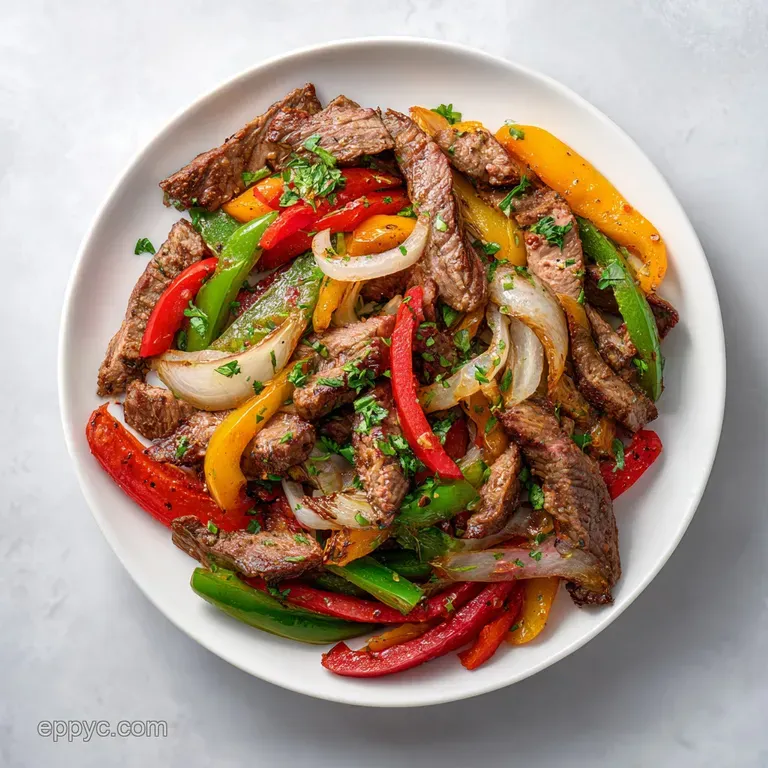
- Preheat the environment. Set your oven to 450°F (230°C) and slide your empty rimmed baking sheet inside immediately. Note: This preheating of the metal is what creates the sear on the bottom of the meat.
- Whisk the marinade base. In your largest mixing bowl, combine the avocado oil, fresh lime juice, and all the spices until it forms a thick, fragrant paste.
- Prep the protein. Slice the top sirloin into 1/2 inch strips, making sure to cut across the grain. Add the steak to the bowl.
- Incorporate the vegetables. Add your sliced bell peppers and red onion half moons to the steak and marinade.
- Toss thoroughly. Use your hands or large tongs to mix everything until every surface is coated in the spice mixture.
- Transfer to heat. Carefully pull the hot baking sheet from the oven. Spread the mixture out quickly in a single layer. You should hear a distinct sizzle as the meat hits the pan.
- Roast for intensity. Place the pan back in the oven and cook for 10-12 minutes.
- Monitor for doneness. Check the steak at the 10 minute mark; it is done when the edges are browned and the peppers have dark, charred spots.
- Warm the tortillas. While the steak rests for a minute, wrap your tortillas in damp paper towels and microwave for 30 seconds until pliable.
- Assemble and serve. Plate the Sheet Pan Steak Fajitas immediately, topping with avocado slices, a dollop of Greek yogurt, and fresh cilantro.
Chef's Note: If your oven has a convection setting, use it! The circulating air will help evaporate the moisture from the vegetables even faster, giving you even more of those coveted charred bits on the onions. Just keep an eye on it, as it might cook a minute or two faster.
Solving Common Roadblocks for the Best Sheet Pan Results
One of the biggest hurdles people face with this recipe is the "steaming" effect. If you pile the ingredients too high on the pan, the moisture released by the vegetables has nowhere to go. Instead of roasting, the food ends up boiling in its own juice, resulting in gray meat and limp peppers.
The solution is simple: use a large enough pan to keep everything in a single layer. If you're doubling the recipe, use two pans!
Why Your Steak Feels Chewy
Sometimes, despite your best efforts, the steak can feel a bit tough. This usually happens if the strips are cut too thick or if they are sliced with the grain rather than against it. When you slice against the grain, you are cutting through the long muscle fibers, making them easier to chew.
Also, don't overcook the meat! Top sirloin is best at a medium rare to medium doneness.
Why Your Vegetables Are Soggy
If your peppers are watery, it might be because the oven temperature wasn't high enough or the pan wasn't preheated. That initial blast of heat is crucial for searing the outside of the vegetables before the inside turns to mush.
Also, make sure you don't skimp on the oil; it helps the heat transfer from the pan to the food.
| Problem | Root Cause | Solution |
|---|---|---|
| Gray, un seared meat | Pan wasn't preheated | Leave the pan in the oven for at least 10 minutes while it preheats |
| Excess liquid on pan | Overcrowding the tray | Use a second sheet pan or cook in two batches |
| Lack of smoky flavor | Under seasoning | Ensure you're using smoked paprika, not just regular sweet paprika |
Common Mistakes Checklist
- ✓ Always preheat the baking sheet for at least 10 minutes before adding food.
- ✓ Pat the steak strips dry with a paper towel before tossing in the marinade to remove excess moisture.
- ✓ Slice the onions and peppers to roughly the same width as the steak for even cooking.
- ✓ Don't skip the resting period; let the pan sit for 2 minutes before serving to let the juices redistribute.
- ✓ Use a metal spatula to scrape up the "fond" (the brown bits) from the pan that is where the flavor lives!
Adjusting the Recipe for Crowds or Quiet Nights
If you are cooking for a larger group, say eight people for a casual Friday night gathering, simply double everything. However, the technology of your oven has limits. Do not try to cram two pounds of meat and six peppers onto one tray.
Use two separate sheet pans and switch their positions (top to bottom) halfway through the 12 minute cook time. This ensures both pans get equal exposure to the heating elements.
When scaling down for just one or two people, you might be tempted to use a smaller toaster oven pan. While this works, be careful not to reduce the spice amounts too much. Spices don't always scale linearly; you still want that bold impact.
Use the same 450°F temperature and keep a close eye on the clock, as a smaller volume of food may reach that perfect char a few minutes earlier.
Debunking the Ideas That Hold Your Cooking Back
There is a common misconception that you need a roaring hot outdoor grill or a screaming cast iron skillet to make "real" fajitas. This simply isn't true. While those methods provide great flavor, a modern oven set to 450°F is more than capable of creating the Maillard reaction that beautiful browning of proteins and sugars.
The sheet pan method is actually more consistent for most home cooks because it provides steady, surrounding heat.
Another myth is that you must marinate the steak for hours. Because we are slicing the meat so thinly, the surface area to volume ratio is very high. The marinade coats the exterior so effectively that even a 15 minute soak while the oven preheats is enough to penetrate the meat with flavor.
Long marinating times with lime juice can actually start to "cook" the meat (like ceviche), which can sometimes make the texture of the beef a bit mealy once it is roasted.
Smart Ways to Keep and Reuse Your Heartfelt Leftovers
Leftover Sheet Pan Steak Fajitas are a gift to your future self. They keep beautifully in the fridge for up to 3 days when stored in an airtight container. When you're ready to eat them again, avoid the microwave if possible, as it can turn the steak rubbery.
Instead, throw them back onto a hot pan for 5 minutes or into a skillet for a quick flash fry to revive those crispy edges.
For zero waste enthusiasts, the leftover steak and peppers are incredible when repurposed. I love tossing the cold leftovers into a morning omelet or a breakfast hash. You can even use the scraps to top a hearty salad for lunch the next day. If you find yourself with extra tortillas, try cutting them into triangles and baking them with a little oil and salt to make homemade chips for your leftover Greek yogurt "sour cream." If you have leftover steak but no more peppers, it actually works surprisingly well alongside some creamy twice baked potatoes for a repurposed steakhouse style meal.
Simple Sides That Pair Effortlessly With This Healthy Meal
To round out this meal, you don't need much. The fajitas are quite filling on their own, but a side of cilantro lime rice or some simple black beans can stretch the meal even further.
If you are looking to keep things low carb, serving the steak and peppers over a bed of shredded romaine lettuce with an extra squeeze of lime is a fantastic way to feel light and empowered after dinner.
If you have a bit of extra time, a fresh pico de gallo made with diced tomatoes, onions, and jalapenos adds a cooling, crunchy contrast to the smoky heat of the Sheet Pan Steak Fajitas.
For those who want a bit of sweetness, a simple corn salad with a touch of chili lime seasoning is a budget friendly addition that uses frozen corn to great effect. The beauty of this recipe is its flexibility it can be a quick 27 minute meal or the centerpiece of a larger, heartfelt family feast.
- 1. Oven Temp
- Must be a true 450°F (use an oven thermometer if yours is finicky).
- 2. Steak Cut
- Exactly 1/2 inch strips to ensure they don't dry out before the peppers char.
- 3. Resting Time
- 120 seconds of rest on the pan before moving to the tortillas to keep the juices inside the meat.
Right then, you are all set. This recipe is designed to empower you to get a high-quality, flavorful meal on the table with minimal stress and maximum flavor. Trust the high heat, don't be afraid of those charred edges, and enjoy the sizzle!
Recipe FAQs
What is the best steak for sheet pan fajitas?
Top sirloin is the best choice. It is a lean, flavorful cut that holds up exceptionally well to the high heat roasting required to get that restaurant style char.
What temperature do you cook fajitas in a sheet pan?
Set your oven to 450°F (230°C). Preheating an empty rimmed baking sheet inside the oven is essential, as it creates a hot surface that sears the meat and vegetables instantly upon contact.
Are fajitas ok for diabetics?
Yes, this recipe is a suitable option. It uses lean top sirloin, plenty of fresh vegetables, and non-fat Greek yogurt as a nutrient dense topping instead of sour cream.
How long to cook beef fajitas in the oven at 450 degrees?
Roast the mixture for 10-12 minutes. This timeframe ensures the steak reaches optimal doneness while the peppers and onions develop perfectly charred edges.
How to ensure the steak stays tender and juicy?
Slice the sirloin into uniform 1/2 inch strips to ensure even cooking. If you enjoyed mastering high heat roasting here, the same principle of not overcrowding the pan applies to other cuts of beef to prevent steaming.
Is it necessary to use a different temperature for the veggies than the meat?
No, this is a common misconception. Cooking the steak and vegetables together at 450°F on a preheated pan allows the vegetables to roast and char in the savory juices released by the meat.
How to serve these fajitas effectively?
Serve immediately while the tray is hot. Use warmed corn tortillas topped with fresh avocado, cilantro, and a dollop of Greek yogurt for a complete, balanced meal.
Sheet Pan Steak Fajitas
Ingredients:
Instructions:
Nutrition Facts:
| Calories | 582 kcal |
|---|---|
| Protein | 46 g |
| Fat | 27 g |
| Carbs | 38 g |
| Fiber | 9 g |
| Sugar | 6 g |
| Sodium | 485 mg |
