Beef Fajita: Sizzling Skirt Steak Perfection
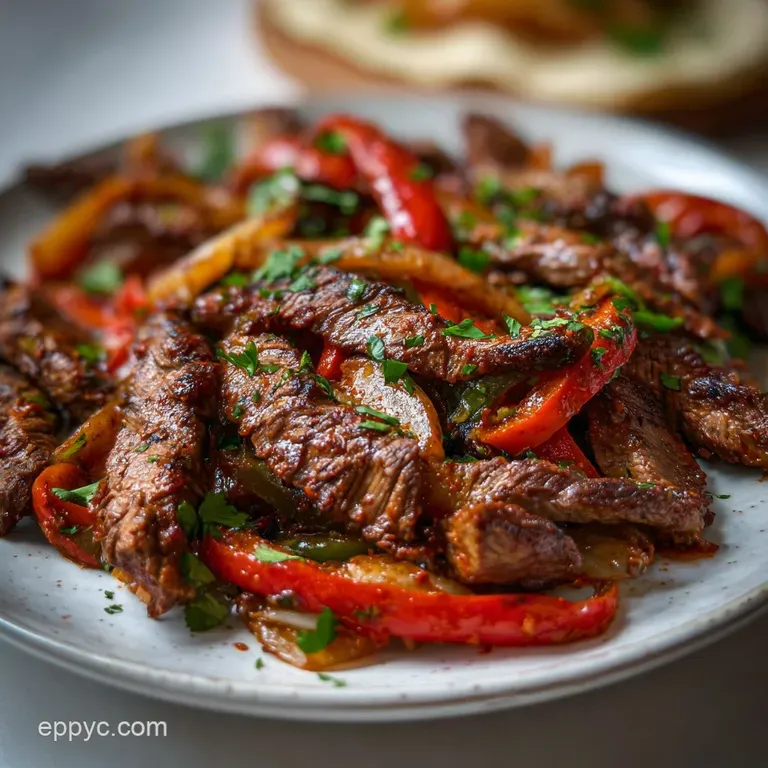
- The Ultimate Sizzling Beef Fajita Experience
- Achieving the Perfect Fajita Flavour: Science of the Sear
- What You'll Need: Key Components for Authentic Tex-Mex Strips
- Master the Method: Sizzling Your Steak to Perfection
- Expert Fajita Tips and Troubleshooting
- Make Ahead and Storage Solutions
- Essential Sides and How to Build the Perfect Wrap
- Recipe FAQs
- 📝 Recipe Card
The Ultimate Sizzling Beef Fajita Experience
If there is one weeknight dinner that delivers pure culinary theater, it has to be the sizzling Beef Fajita . Seriously, the scent of smoky chipotle, lime, and caramelized peppers hitting the air is instant happiness.
It’s that glorious hiss when the pan hits the table that just makes everyone sit up straight.
This recipe isn't fussy or complicated, but it uses a few key tricks to guarantee tender steak, not chewy leather. Trust me, I made tough fajitas for years before I figured out the secret. It’s incredibly fast, super satisfying, and far cheaper than ordering takeout.
So grab your skirt steak and crank up the heat. We are going to ditch the mediocre versions forever and dive deep into making the absolute best, most flavor packed, perfect sizzle Beef Fajita you've ever had. Let’s crack on!
Achieving the Perfect Fajita Flavour: Science of the Sear
This isn't just chopping meat and throwing it in a pan; this is an exercise in heat management and smart slicing. Every single element of this specific Beef Fajita preparation has a purpose. We aren't just looking for cooked steak; we are demanding flavor and tenderness.
The Theatre of the Sizzle: Why Presentation Matters
That iconic sizzle isn't just for show (though it is amazing). It confirms your pan was hot enough to create an instant crust on the steak, sealing in those juices. If the food doesn't sizzle when you add it, the temperature is too low, and you'll end up steaming your meat instead of searing it.
Steamed meat is sad and tough.
The History of Faja: Understanding the Cut and Origin
The term faja translates roughly to "belt" or "strip," which references the cut of meat traditionally used: skirt steak. Skirt steak is flavorful because it’s a working muscle, but that flavor comes at a cost it’s prone to toughness.
That's why high heat and precise slicing are non-negotiable for this authentic Beef Fajita experience.
Flavor Deep Dive: What Makes This Marinade Unique?
This Beef Fajita marinade focuses on two things: smoke and brightness. We use chipotle powder and smoked paprika for deep, earthy flavor that stands up to the high heat. We skip the sugar entirely, because sugar burns quickly on a hot skillet, messing up the perfect sear we are aiming for.
The Role of Acidity: Tenderizing the Steak
The lime juice is not just for flavor; it’s essential for texture. The acid starts to break down the tough muscle fibers in the skirt steak, tenderizing the meat slightly before cooking. But this is a delicate balance!
Marinating too long like overnight will turn the outside of your steak mushy, so stick to that 1 to 4 hour window.
Heat Management: Maximizing the Maillard Reaction
The Maillard reaction is just a fancy term for caramelization. It's the process that turns pale pink raw meat into deeply browned, flavorful strips. To achieve this crucial reaction, you need a over high heat oil (like canola) and a smoking hot cast iron pan.
The pan should be hot enough that a drop of water evaporates instantly.
Why Resting the Meat is Non-Negotiable
After all that searing, the juices inside the meat are running wild, concentrated right near the surface. If you slice it right away, all that beautiful flavor floods your cutting board a cooking crime!
A quick five minute rest under foil allows those juices to redistribute throughout the meat, making every single strip of your Beef Fajita tender and juicy.
What You'll Need: Key Components for Authentic Tex-Mex Strips
Choosing the Right Cut: Skirt vs. Flank Steak Notes
For the ultimate flavor profile in your Beef Fajita , I always choose outside skirt steak. It has more marbling and flavor than flank steak. If skirt steak is too pricey or unavailable, flank is a great second choice, just be extra diligent about slicing against the grain and limiting the marinating time. For very tough cuts, consider recipes like my Pot Roast: Ultimate Slow Braised Sunday Beef with Rich Gravy which use low and slow methods instead of high heat.
Marinade Essentials: Chipotle Powder and Citrus Zest
We are skipping dried seasoning packets here. Our custom Beef Fajita seasoning uses smoky chipotle for heat and a vibrant dose of fresh lime juice. If you don't have fresh lime, bottled is fine, but please grate a little zest into the marinade if you can it adds a huge layer of aromatic flavor that is often missing from simple recipes.
| Ingredient | My Recommendation | Viable Substitution |
|---|---|---|
| Skirt Steak | Outside Skirt (most flavor) | Flank Steak or Tri-Tip |
| Lime Juice | Freshly squeezed | Lemon juice or Red Wine Vinegar |
| Chipotle in Adobo | Sauce only, or minced pepper | Cayenne pepper + extra smoked paprika |
| Canola Oil (for searing) | High smoke point oil | Grapeseed or Sunflower Oil |
| Dried Oregano | Mexican Oregano | Standard Mediterranean Oregano |
Preparing the Produce: Slicing Onions and Peppers for Maximum Flavor
Slice the onions and peppers into strips slightly thicker than the steak think 1/4 inch to 1/3 inch thick. This ensures they cook quickly and evenly without turning to mush before the steak is done.
Using different colored peppers (red and green) adds visual appeal, which is essential for a beautiful presentation.
Master the Method: Sizzling Your Steak to Perfection
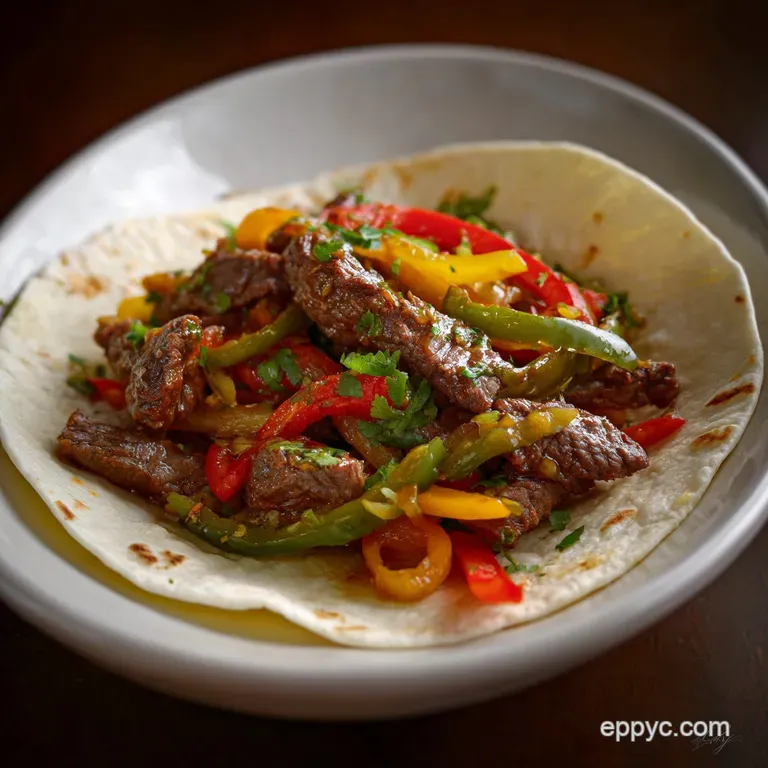
This technique is focused on maximizing sear and preventing steaming. Remember: the high heat is your friend!
Step 1: Marinating Duration and Technique
First, slice your steak against the grain . If you look closely, you’ll see long muscle fibers running down the meat; you need to cut perpendicular to them. Mix the sliced steak with the marinade ingredients in a sturdy zip-top bag.
Cook's Tip: Press all the air out of the bag before sealing it. This ensures maximum contact between the marinade and the meat. Chill for 1- 4 hours.
Step 2: over High heat Searing for the Steak Strips
Remove the steak from the marinade and shake off any excess liquid wet meat won't sear. Heat your skillet over raging high heat with the searing oil until it’s shimmering, almost smoking. Add the steak in a single layer, or work in two batches. This is a very quick cook!
Sear for about 90 seconds per side until you get those gorgeous browned edges.
Crucial Chef’s Note: Do not move the steak for the first 90 seconds. Let it develop that rich, deep brown crust. That’s where the best flavor lives in your Beef Fajita .
Step 3: Cooking the Vegetables Separately for Crunch
Why cook them separately? Because the steak requires nuclear level heat and 3 minutes total time, while the vegetables need medium high heat and about 6 minutes to soften without burning.
Sauté the peppers and onions until they are tender crisp they should still have a little snap to them. Remove them immediately and keep them covered while you sear the steak.
Step 4: The Final Combination and Serving Prep
Once the steak has rested (did you remember to rest it?), return the vegetables and the steak strips to the skillet. Toss them together over medium heat for about 30 seconds to reheat and combine the flavor. Serve immediately in the smoking hot cast iron pan alongside warm tortillas and your favorite toppings.
Expert Fajita Tips and Troubleshooting
Even the best cooks mess up occasionally. I once sliced my flank steak the wrong way and spent the whole evening chewing! Here are the most common pitfalls and how to avoid them when making homemade Beef Fajita .
Preventing Tough Steak: The Secret to Slicing Against the Grain
This is the number one mistake people make. If you slice parallel to the muscle fibers, you get long, tough strings of meat that require serious chewing. Slicing against those lines shortens the fibers, ensuring the final strips are tender enough to cut with a fork. If you need a refresher on cutting beef, check out my guide on Beef and Broccoli Slow Cooker: Tender Takeout Flavor, Easy Prep — it has great diagrams on meat preparation.
Avoiding Watery Vegetables on the Pan
If you overcrowd the skillet when cooking the peppers and onions, the temperature drops instantly, causing the vegetables to release all their water. They end up stewed, not seared. Use a large pan, or work in batches if necessary, to maintain that crucial high heat.
Fixing an Over Salty Marinade
Oops. If you taste your marinade and realize you went heavy on the salt, don't panic. You can quickly add a tablespoon of sugar (brown or white) to balance it out, or, if you have time, slice a raw potato thinly and add it to the marinade. The starch in the potato will absorb some of the excess salt.
make-ahead and Storage Solutions
A great Beef Fajita recipe easy enough for a Tuesday night often means prepping ahead. You absolutely can get most of the work done in advance.
Can You Freeze the Marinaded Steak? (Pre-cooking)
Absolutely! This is a great freezer trick. Place the sliced steak and the marinade into a freezer safe zip-top bag, squeeze out the air, and freeze flat. The freezing process actually helps the tenderization! Thaw it completely in the fridge overnight and cook immediately according to the instructions.
Storing Cooked Steak and Vegetable Mix Safely
Once cooked, the steak and vegetable mix should be stored in an airtight container in the refrigerator for up to 3 days. Do not leave the cooked fajitas at room temperature for more than two hours.
Reheating Fajitas Without Drying Out the Meat
Reheating can be tricky. Skip the microwave; it will dry out the steak immediately. The best method is to reheat the leftovers in a lightly oiled pan over medium heat for 3– 5 minutes, stirring constantly. If the steak looks dry, add a splash of water or lime juice to the pan as it heats.
Essential Sides and How to Build the Perfect Wrap
You’ve mastered the sizzle and the sear; now let's build the perfect delivery system for this incredible Beef Fajita .
Warm tortillas are mandatory cold tortillas ruin the whole experience. Layer the warm tortillas, then pile on that hot, savory mix of steak and peppers. Add a spoonful of cooling sour cream or Greek yogurt to cut the spice, and a generous dollop of homemade guacamole.
A sprinkle of fresh cilantro and a final squeeze of lime juice make it perfection.
I love a classic approach, but sometimes I turn this entire glorious mix into a Beef Fajita bowl recipe over seasoned rice. No matter how you serve it, this particular Beef Fajita technique ensures smoky flavor and perfectly tender steak every single time. Enjoy!
Recipe FAQs
Why is my beef tough or dry, even after using the marinade?
Skirt steak requires extremely high heat and very fast cooking; typically no more than 3-4 minutes per side is needed for medium rare to medium. If the steak feels tough, it was likely either severely over cooked, causing moisture loss, or improperly sliced.
Always ensure you slice the cooked steak thinly against the grain to maximize tenderness.
I don't have skirt steak. What is the best substitute?
Flank steak is the most recommended substitute, as it is a similar cut that requires the same high heat and quick cooking method. If using a thicker cut like sirloin, ensure you slice it thinly against the grain before marinating to allow maximum flavour penetration and faster searing.
Do not use very thick stewing cuts.
How long should I marinate the beef for the best results?
Marination is crucial for both flavor infusion and tenderizing; aim for a minimum of 30 minutes, but ideally 4 to 8 hours. However, do not marinate for longer than 12 hours. The acid (citrus juice) in the marinade will begin to "cook" the beef if left too long, potentially resulting in a slightly mushy or mealy texture.
My peppers and onions are steaming instead of getting that desired sear. What am I doing wrong?
This is a common issue caused by overcrowding the skillet. Ensure your pan is screaming hot before adding the vegetables and cook them in batches if necessary. Overcrowding lowers the overall temperature, causing the moisture released by the vegetables to steam them rather than caramelize their edges.
Can I prepare the components of the fajitas ahead of time?
Yes, you can chop all your vegetables up to 24 hours in advance and store them sealed in the refrigerator. The beef can also be marinated up to 12 hours ahead, but for the authentic dining experience, the searing of the meat and vegetables should be done just before serving.
How should I store and reheat leftover fajitas?
Leftover cooked fajitas (meat and vegetables) can be stored in an airtight container in the refrigerator for up to 3 days. Reheat gently in a lightly oiled skillet over medium heat to warm through quickly. Be careful not to reheat the steak for too long, as this will dry it out significantly.
Can I adapt this recipe for vegetarian or vegan guests?
Absolutely; large, thick sliced portobello mushrooms or firm tofu are excellent substitutions. Tofu should be pressed well to remove excess water, then tossed in the exact same chipotle marinade for at least one hour before being pan-seared until golden brown and crispy.
Sizzling Skirt Steak Beef Fajita
Ingredients:
Instructions:
Nutrition Facts:
| Calories | 400 kcal |
|---|---|
| Fat | 22 g |
| Fiber | 3 g |
