Slow Cooker Chicken and Gravy: Velvety and Tender
- Time: Active 15 minutes, Passive 360 minutes, Total 375 minutes
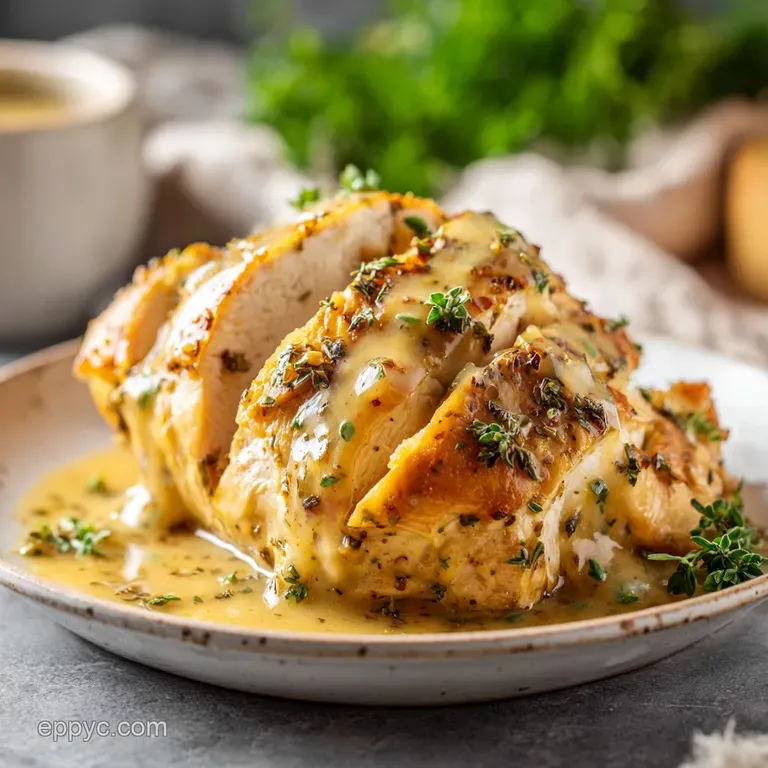
- Flavor/Texture Hook: Velvety, herb flecked gravy with fork tender shredded chicken
- Perfect for: Stress free Sunday dinners, meal prep, or cozy rainy day comfort
- Cozy Slow Cooker Chicken and Gravy Comfort
- Why This Cooking Method Works
- Component Analysis and Ingredient Depth
- Elements Required for Success
- Mandatory Tools for the Home Cook
- Building the Slow Cooker Chicken and Gravy
- Navigating Common Preparation Hurdles
- Adjusting for Different Yields
- Method Comparison: Fresh vs. Shortcut
- Debunking Slow Cooker Misconceptions
- Storage, Freezing, and Zero Waste
- Perfect Side Dish Pairings
- Recipe FAQs
- 📝 Recipe Card
Cozy Slow Cooker Chicken and Gravy Comfort
The first thing you notice isn't even the taste, it's that specific, heart warming aroma of dried sage and thyme hitting the warm air as the steam escapes the lid. It fills the hallway and tells everyone in the house that a serious meal is on the way.
I remember the first time I ditched the "dump and go" canned soup method for this Scratch Made version. The difference was night and day, the gravy was vibrant and silky, not muted and salty.
For this specific recipe, the chicken thigh is the absolute hero of the show. I've tried using chicken breasts before, but honestly, don't even bother if you want that melt in-your mouth texture. Breasts tend to get stringy and dry when they sit in a slow cooker for six hours.
Thighs, however, have enough internal fat and connective tissue to stay succulent and rich, even after a long braise. They absorb the Worcestershire and bone broth like a sponge, ensuring every bite is packed with savory moisture.
We're aiming for a dish that feels like it took all day at the stove, but we're letting technology do the heavy lifting. By layering our aromatics at the bottom, we create a flavor trivet that perfumes the meat from the underside while it simmers.
It's a simple trick that completely changes the profile of the final sauce. You're going to love how the lemon juice at the end just wakes everything up, cutting through the richness of the heavy cream and chicken fat.
Why This Cooking Method Works
Understanding how our slow cooker interacts with these specific ingredients helps us troubleshoot on the fly and ensures a consistent result every single time you cook.
- Connective Tissue Breakdown: The long, low temperature cook converts tough collagen in the thighs into gelatin, which naturally thickens the sauce and creates a luxurious mouthfeel.
- Aromatic Trivet Effect: Placing onions and garlic at the bottom prevents the meat from scorching and ensures the aromatics are fully submerged, allowing their essential oils to infuse the broth.
- Starch Gelatinization: The cornstarch slurry requires a specific temperature window at the end to "bloom," which is why we add it to the hot liquid to create that characteristic velvety gravy texture.
- Acid Brightening: Adding lemon juice at the final stage acts as a flavor "highlighter," balancing the heavy fats from the cream and chicken skin.
| Chicken Thickness | Internal Temp | Rest Time | Visual Cue |
|---|---|---|---|
| 0.5 inch | 165°F | 5 mins | Opaque throughout |
| 1.0 inch | 165°F | 5 mins | Fibers separate easily |
| 1.5 inch | 165°F | 10 mins | Juices run completely clear |
Using a slow cooker is essentially a lesson in patience and thermodynamics. Because the heat comes from the sides of the ceramic insert rather than the bottom, the liquid never reaches a rolling boil. This gentle environment is exactly what chicken thighs need to reach that specific stage where the muscle fibers begin to loosen without becoming mushy. If you've ever had Slow Baked Chicken Thighs, you know that slow heat is the secret to moisture retention.
Component Analysis and Ingredient Depth
Every single item in the pot serves a functional purpose beyond just tasting good. We are building a chemical foundation for a sauce that needs to be stable for several hours.
| Ingredient | Science Role | Pro Secret |
|---|---|---|
| Chicken Thighs | Fat & Gelatin Source | Leave them whole to preserve moisture during the long cook. |
| Bone Broth | Liquid Base & Body | Use low sodium to control the final seasoning perfectly. |
| Cornstarch | Thickening Agent | Always mix with cold liquid first to prevent "lumping." |
| Heavy Cream | Emulsifier | Adds fat solids that help the herbs cling to the meat. |
When we talk about the bone broth, I'm not just being fancy. Bone broth has a much higher protein and gelatin content than standard chicken stock. As it simmers for 360 minutes with the chicken, it creates a "sticky" quality that helps the gravy coat a spoon.
If you use a regular thin broth, you might find the gravy feels a bit thin even after adding the slurry.
The Worcestershire sauce is our secret weapon for umami. It contains fermented anchovies and tamarind, which provide a background depth that salt alone can't achieve. It’s that "something something" people can't quite put their finger on but makes them go back for seconds.
Elements Required for Success
Gather these ingredients before you start. Having everything measured out, especially your dry herbs, makes the 15 minutes of prep feel like a breeze.
- 2 lbs boneless, skinless chicken thighs: Why this? Essential for fat content and staying juicy through the long 6 hour cook.
- Substitute: Chicken drumsticks (skin removed) for a similar fat profile.
- 1 large yellow onion, finely diced: Why this? Provides the aromatic base and dissolves into the gravy for natural sweetness.
- Substitute: White onion or two large shallots for a milder bite.
- 4 cloves garlic, smashed: Why this? Smashed garlic releases flavor slowly without burning over 6 hours.
- Substitute: 1 tsp garlic powder, though fresh is significantly more vibrant.
- 2 cups low sodium chicken bone broth: Why this? Adds collagen and depth that makes the gravy feel "expensive."
- Substitute: Standard chicken stock + 1 tsp unflavored gelatin.
- 1 tsp Kosher salt: Why this? Large grains make it easier to season the meat evenly without over salting.
- Substitute: 0.5 tsp table salt (it’s more dense, so use less).
- 1 tsp cracked black pepper: Why this? Freshly cracked provides a floral heat that pre ground pepper lacks.
- Substitute: White pepper for a smoother, more hidden heat profile.
- 1 tsp dried thyme: Why this? Thyme holds its flavor exceptionally well during long braises.
- Substitute: 1 tbsp fresh thyme leaves added in the last hour.
- 1 tsp rubbed sage: Why this? Gives that classic "holiday" or "pot pie" aroma we crave.
- Substitute: Poultry seasoning blend if you're in a pinch.
- 3 tbsp cornstarch: Why this? Creates a glossier, clearer gravy than flour does.
- Substitute: Arrowroot powder for a grain free alternative.
- 0.5 cup heavy cream: Why this? Adds the necessary fat to create a velvety, rich mouthfeel.
- Substitute: Full fat coconut milk (note: will add a subtle tropical hint).
- 1 tsp Worcestershire sauce: Why this? The ultimate umami booster for poultry dishes.
- Substitute: Soy sauce or tamari for a similar salty depth.
- 1 tsp fresh lemon juice: Why this? Brightens the heavy fats and wakes up the dried herbs.
- Substitute: Apple cider vinegar for a similar acidic "pop."
- 0.25 cup fresh parsley, chopped: Why this? Adds a pop of color and a fresh, grassy finish.
- Substitute: Fresh chives for a subtle oniony brightness.
Mandatory Tools for the Home Cook
You don't need a kitchen full of gadgets for this, but a few specific items make the process much smoother and the results more consistent.
- 6 Quart Slow Cooker: A standard size (like a Crock Pot or Hamilton Beach) provides enough surface area for the onions to sit flat.
- Small Whisk: Essential for getting the cornstarch slurry perfectly smooth.
- Two Forks: These are your best tools for shredding the chicken into large, rustic chunks rather than a fine mush.
- Chef's Knife: For finely dicing that onion; the smaller the dice, the better it melts into the sauce.
Building the Slow Cooker Chicken and Gravy
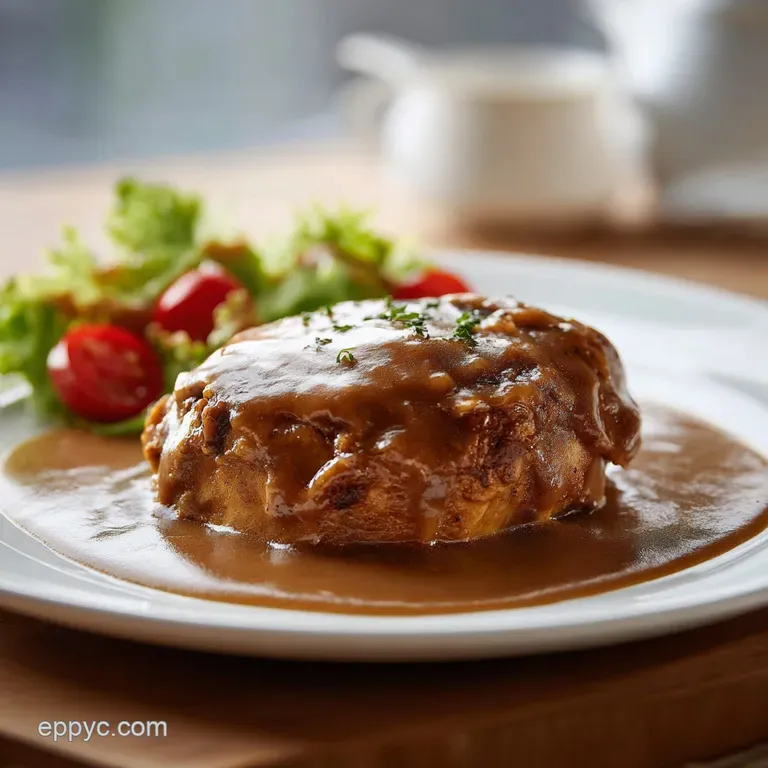
Follow these steps closely. The order in which we layer the ingredients is the difference between a muddy sauce and a clear, flavorful gravy.
- Prep the base. Place the diced yellow onions and smashed garlic at the bottom of the 6 quart slow cooker. Note: This creates a "flavor trivet" that prevents the chicken from sticking to the ceramic.
- Season the meat. Season the chicken thighs thoroughly on all sides with salt, black pepper, dried thyme, and rubbed sage. Ensure every inch is covered for maximum flavor.
- Layer the ingredients. Arrange the seasoned chicken over the onion layer and pour in the chicken bone broth. Do not stir yet; let the chicken sit on top of the aromatics.
- The slow simmer. Cover and cook on Low for 6 hours (or High for 3 hours) until the chicken is fork tender and falling apart.
- Shred the chicken. Remove the chicken from the pot and shred into large chunks using two forks. Note: Shredding outside the pot prevents you from accidentally scratching your slow cooker liner.
- Create the slurry. In a small bowl, whisk together the cornstarch and heavy cream to create a smooth slurry. Whisk until no white lumps remain.
- Thicken the sauce. Whisk the slurry into the slow cooker liquid along with the Worcestershire sauce and lemon juice. The liquid should begin to turn opaque and glossy.
- The final meld. Return the shredded chicken to the pot and stir to coat in the thickening gravy. Let it sit for 5-10 minutes to allow the heat to fully activate the cornstarch.
- Garnish and serve. Stir in the fresh parsley right before serving. The greens should stay vibrant and not wilt into brown.
Navigating Common Preparation Hurdles
Even with the best intentions, things can sometimes go sideways in a slow cooker. Here is how to handle the most common issues that might pop up.
Gravy Lacks Body or Thickness
If your gravy looks more like soup than a sauce after adding the slurry, the most likely culprit is temperature. Cornstarch needs to reach nearly 200°F to fully thicken. If your slow cooker has been sitting on "warm" or you've had the lid off too long, it might not be hot enough.
Turn the setting to High for 15 minutes to kickstart the thickening process.
| Problem | Root Cause | Solution |
|---|---|---|
| Thin Gravy | Low Temp or Too Much Broth | Switch to High for 15 mins or add another 1 tbsp slurry. |
| Tough Chicken | Used Breast Meat | Stick to thighs next time; breasts dry out over 6 hours. |
| Bland Sauce | Broth was under salted | Add a splash more Worcestershire or a pinch of salt at the end. |
Another factor could be the water content in your onions. Some onions are more watery than others, which can dilute your broth. If it's still thin, don't just add dry cornstarch (it will clump!). Always mix another tablespoon of cornstarch with a tablespoon of cold water before whisking it in.
Common Mistakes Checklist
- ✓ Don't skip the onion base: It’s tempting to just toss everything in, but the onions prevent the chicken from drying out against the hot ceramic.
- ✓ Check your herb freshness: If your sage or thyme has been in the pantry for three years, it will taste like dust. Rub a little between your fingers; if you don't smell anything, toss it.
- ✓ Whisk the slurry thoroughly: Any lumps of cornstarch you see in the bowl will turn into "jelly balls" in your gravy.
- ✓ Wait for the lemon juice: Adding acid too early can sometimes interfere with the chicken's texture; always add it at the very end.
Adjusting for Different Yields
Scaling this recipe is straightforward, but you need to be mindful of the liquid ratios.
Scaling Down (2-3 Servings): Use a smaller 3 quart slow cooker if possible. If you use a 6 quart for a half batch, the liquid will be very shallow and might evaporate too quickly. Reduce the cook time by about an hour on the "Low" setting.
For the seasonings, keep the ratios the same, but be extra careful with the salt.
Scaling Up (10-12 Servings): You can double the chicken and onions easily in a 7 or 8 quart cooker. However, do not double the liquid (bone broth).
Only increase the broth by 50% (3 cups total) because the chicken will release its own juices, and too much liquid will result in a weak gravy. Increase the cornstarch to 5 tablespoons to compensate for the extra volume.
If you love this flavor profile but want something a bit more refined for a dinner party, you might enjoy my Classic Chicken Francaise. It uses similar lemon and herb notes but with a pan seared technique.
Method Comparison: Fresh vs. Shortcut
It is always worth looking at how our Scratch Made method stacks up against the "packet" or "canned soup" versions many of us grew up with.
| Feature | Scratch Made (This Recipe) | Canned "Cream of" Soup Method |
|---|---|---|
| Sodium Levels | Controlled (Low Sodium Broth) | Extremely High (Often >1000mg) |
| Texture | Velvety and Natural | Often Thick and "Gloppy" |
| Flavor Profile | Fresh Herbs and Umami | Muted, Salty, and Artificial |
Debunking Slow Cooker Misconceptions
There are a few "rules" floating around the internet that actually do more harm than good when making slow cooker chicken and gravy.
"You must sear the chicken first to lock in juices." This is a classic myth. Searing creates flavor (the Maillard reaction), but it does nothing to "lock in" moisture. In a slow cooker, the moist heat environment handles the juiciness.
We get our flavor depth from the aromatics and bone broth instead, saving you a messy pan to wash.
"High heat is always faster and better." Not quite. While you can cook this on High for 3 hours, the texture of the chicken is notably different. The Low setting for 6 hours allows the connective tissues to melt gradually.
High heat can sometimes "shock" the protein, making it slightly more rubbery. If you have the time, Low is the way to go.
Storage, Freezing, and Zero Waste
One of the best things about this recipe is how well it holds up. In fact, many people (myself included) think it tastes better on day two once the herbs have had more time to mingle with the cream.
Storage: Keep leftovers in an airtight container in the fridge for up to 4 days. When reheating, you might notice the gravy has thickened into a jelly like consistency. This is the gelatin from the bone broth doing its job!
Just add a splash of water or broth when reheating on the stove or in the microwave to loosen it back up.
Freezing: This dish freezes beautifully. Place it in a freezer safe bag, squeeze out the air, and it will stay good for 3 months. To reheat, thaw in the fridge overnight and warm gently on the stovetop. Avoid high heat during reheating to prevent the cream from breaking.
Zero Waste Tip: Don't throw away those onion ends or the garlic skins! Keep a "stock bag" in your freezer for all your veggie scraps. Once it's full, you can simmer them with water to make your own veggie broth for the next time you make this dish. Also, if you have leftover gravy but no chicken, it makes an incredible base for a quick Broccoli Casserole recipe.
Perfect Side Dish Pairings
The beauty of a saucy dish like this is that it begs for a starch to soak up all that goodness.
The classic choice is always mashed potatoes. I like to fold in a little extra garlic and butter to match the richness of the chicken. If you're looking for something lighter, a simple bed of quinoa or even roasted cauliflower works wonders. The lemon in the gravy makes it surprisingly versatile.
For a crunchier contrast, serve this alongside a crisp green salad with a sharp vinaigrette. The acidity of the salad cuts through the creaminess of the chicken and gravy, making for a perfectly balanced meal.
If you're feeling adventurous, try serving the shredded chicken and gravy over split biscuits for a "chicken and waffles" vibe without the frying. It's a total crowd pleaser for brunch or a late night comfort meal!

Recipe FAQs
How to make chicken and gravy in the slow cooker?
Layer diced yellow onion and smashed garlic at the bottom of your 6-quart slow cooker, then top with seasoned chicken thighs. Pour in 2 cups of chicken bone broth and cook on Low for 6 hours. Finally, stir in a slurry of cornstarch and heavy cream to thicken the sauce before returning the shredded chicken to the pot.
Is it okay to put raw chicken in a slow cooker?
Yes, it is perfectly safe. Slow cookers are designed to bring poultry to a food safe temperature safely, provided you follow the recommended cook time of 6 hours on Low.
Do I need to put liquid in a slow cooker with chicken?
Yes, liquid is essential. Using 2 cups of chicken bone broth ensures the chicken stays succulent and creates the necessary base for the gravy.
What are some common chicken gravy mistakes?
Adding cornstarch directly to hot liquid without a slurry is a common error. Always whisk your cornstarch with the heavy cream in a separate bowl first to avoid lumps. If you enjoy achieving a perfectly smooth consistency, you can apply this same thickening roux technique to other hearty dishes.
Is it true I must use chicken breasts for this recipe?
No, this is a common misconception. Breasts often turn stringy or dry in a slow cooker, whereas boneless, skinless thighs remain tender and juicy throughout the 6-hour braise.
How to ensure the chicken is fork tender?
Cook on the Low setting for the full 6 hours. Using a lower, gentler heat allows the collagen in the chicken thighs to break down properly, resulting in a melt-in-your mouth texture.
Can I prepare this in advance?
Yes, you can shred the chicken and store it in the gravy for up to 3 days. The flavors actually meld and deepen further when reheated, making it an ideal choice for effortless meal prep.
Slow Cooker Chicken Gravy
Ingredients:
Instructions:
Nutrition Facts:
| Calories | 291 kcal |
|---|---|
| Protein | 32.1 g |
| Fat | 13.9 g |
| Carbs | 7.1 g |
| Fiber | 0.8 g |
| Sugar | 1.9 g |
| Sodium | 472 mg |
