Smoky Queso Dip: Silky, Molten, and Bold

- Time: Active 15 minutes, Passive 60 minutes, Total 75 minutes
- Flavor/Texture Hook: Silky, molten cheese base with a bold, hickory kissed finish and spicy chorizo bite.
- Perfect for: Tailgating, backyard BBQs, or high energy game day gatherings.
- How to Make the Ultimate Smoky Queso Dip
- Science Behind the Velvety Texture
- Component Analysis and Pro Secrets
- Necessary Elements for the Recipe
- Essential Tools for Best Results
- Mastering the Low Slow Cook Method
- Troubleshooting Texture and Flavor Issues
- Scaling for Huge Parties
- Debunking Kitchen Folklore
- Safe Storage and Reheating Methods
- Perfect Pairings for Dipping Success
- High in Sodium
- Recipe FAQs
- 📝 Recipe Card
How to Make the Ultimate Smoky Queso Dip
We’ve all been there: you’re at a party, hovering over a bowl of what should be liquid gold, only to find a gritty, oily puddle of separated fats. It’s frustrating because cheese should be simple, right?
My biggest kitchen heartbreak happened three years ago when I tried to melt expensive, aged cheddar directly over high heat for a crowd. It seized into a rubbery ball, leaving a pool of orange grease behind. I learned the hard way that high-quality aged cheese hates direct, aggressive heat.
This recipe is the technology driven fix for that specific failure. We aren’t just melting cheese; we are empowering the ingredients to work together through a controlled smoke environment.
By using a cast iron skillet and a pellet grill or smoker set to exactly 225°F (107°C), we allow the fats to stay suspended in the proteins. The result is a Smoky Queso Dip that stays fluid and velvety even as it starts to cool on the table.
Trust me, once you see how the heavy cream stabilizes the final emulsion, you’ll never go back to those chalky, store-bought jars. We are combining the nostalgic melt of American cheese with the sharp, sophisticated profile of white cheddar and Monterey Jack.
It’s a heartfelt approach to comfort food that utilizes modern temperature control to ensure success every single time you fire up the grill.
Science Behind the Velvety Texture
Understanding how proteins and fats interact at a molecular level allows us to manipulate the final texture of the dip. Most home cooks struggle because they treat all cheese the same, but the moisture content and age of the cheese dictate how it behaves when heated.
In this recipe, we use a specific strategy to keep everything silky.
- Emulsification Stability: American cheese contains sodium citrate, a melting salt that acts as a bridge between water and fat, preventing the cheese from "breaking" or becoming oily.
- Thermal Buffering: The high fat content of cream cheese acts as a thermal buffer, slowing down the heat transfer to the more sensitive cheddar proteins.
- Smoke Adhesion: Smoke particles are attracted to cool, moist surfaces; by keeping the cheese in a cubed, un melted state for the first phase, we maximize the surface area available for smoke to cling to.
- Viscosity Control: Adding heavy cream at the end provides a final hit of milk solids that keeps the dip fluid even as the temperature drops toward room temperature.
Cook Method Comparison
| Method | Time | Texture | Best For |
|---|---|---|---|
| Smoker (225°F) | 60 minutes | Velvety & Infused | Authentic deep flavor |
| Oven (225°F) | 60 minutes | Silky & Consistent | Indoor convenience |
| Slow Cooker | 2 hours | Ultra soft | Long term parties |
Adding the smoke element isn't just about flavor; it's about the slow, indirect heat that prevents the bottom of the dip from scorching. If you don't have a smoker, you can achieve a similar base by following my seriously easy queso dip on the stovetop, though you'll miss that signature wood fired aroma.
Component Analysis and Pro Secrets
Choosing the right ingredients is the difference between a dip that people "like" and a dip that people talk about for weeks. We aren't just grabbing blocks off the shelf; we are selecting specific textures and moisture profiles to build a balanced bite.
| Ingredient | Science Role | Pro Secret |
|---|---|---|
| American Cheese | Primary Emulsifier | Use "Deli style" American, not individual plastic wrapped singles. |
| White Cheddar | Flavor Depth | Grate it yourself; pre shredded cheese is coated in cellulose which makes dips gritty. |
| Heavy Cream | Moisture Balance | Warm the cream slightly before stirring it in to avoid shocking the cheese. |
When we talk about empowering the home cook, it starts with knowing that the "undrained" tomatoes are a feature, not a bug. That liquid contains acidity and moisture that helps the Monterey Jack stay fluid. For those who love a bit of extra texture on top, my cheddar dip with bacon offers a great comparison on how to incorporate crispy proteins into a molten base.
Necessary Elements for the Recipe
To execute this plan perfectly, ensure you have every component measured out before you head to the grill. This is a high volume recipe designed to feed a crowd of 15 people.
- 16 oz American melting cheese: Cubed into 1 inch pieces for even melting.
- 8 oz sharp white cheddar: Freshly grated (this is non negotiable for texture).
- 8 oz full fat cream cheese: Cubed and brought to room temperature if possible.
- 8 oz Monterey Jack cheese: Cubed to provide a mild, buttery stretch.
- 1 lb ground chorizo: Pre cooked and browned until crispy.
- 20 oz diced tomatoes with green chiles: Two standard cans, kept undrained for moisture.
- 1 cup pickled jalapeños: Chopped (adjust based on your heat tolerance).
- 1 small white onion: Finely diced for subtle crunch and sweetness.
- 1 tbsp garlic powder: Provides a savory baseline without the risk of burning fresh garlic.
- 1 tsp cumin: Adds an earthy, smoky undertone that complements the grill.
- 0.5 cup heavy cream: The final adjustment tool for perfect consistency.
Substitution Table
| Original Ingredient | Substitute | Why It Works |
|---|---|---|
| Chorizo | Breakfast Sausage | Similar fat content but much milder spice profile. |
| Monterey Jack | Pepper Jack | Adds extra capsaicin kick without changing the melt. |
| White Cheddar | Gouda | Extremely low melting point; adds a buttery sweetness. |
Using a high moisture cheese like Gouda can make the dip even richer, but it may require a touch more heavy cream to keep it from becoming too thick as it sits.
Essential Tools for Best Results
Having the right hardware is just as important as the software (the ingredients). To handle the volume and the heat of the smoker, you need tools that can distribute energy evenly.
- 12 inch Cast Iron Skillet: This is the gold standard. Cast iron has high thermal mass, meaning it holds heat and keeps your dip warm long after you take it off the smoker.
- Pellet Grill or Smoker: Set to 225°F (107°C). I prefer hickory or pecan wood pellets for this recipe to complement the savory chorizo.
- Long handled Stiff Spatula: You’ll need to stir the dense cheese mixture halfway through; a flimsy silicone spatula won't cut it once that American cheese starts to get thick.
- Box Grater: For the white cheddar. Remember, pre shredded cheese is the enemy of a smooth Smoky Queso Dip.
Mastering the Low Slow Cook Method
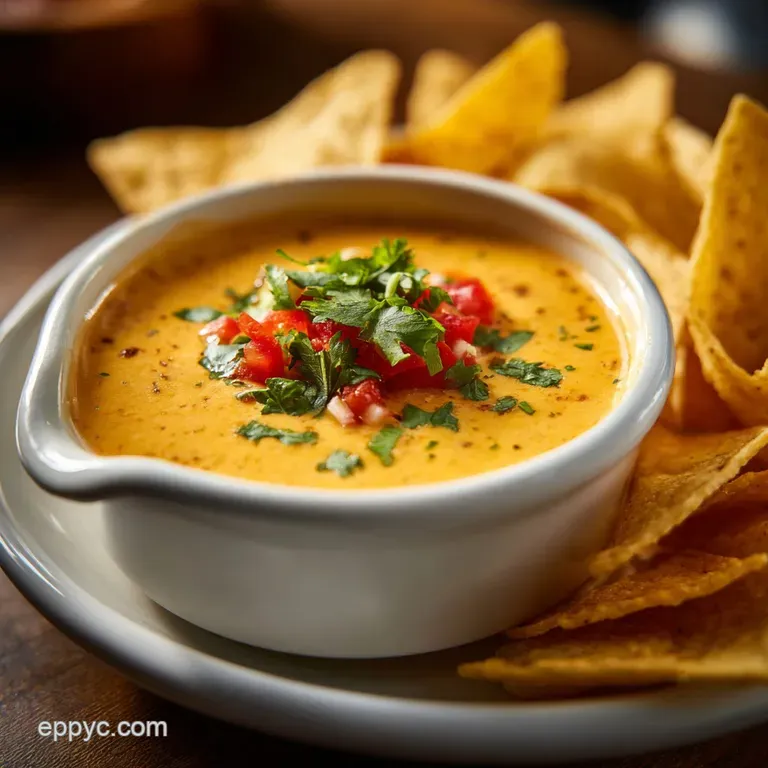
The cooking flow here is designed to be low stress. We spend 15 minutes on the "set up" and then let the technology of the smoker do the heavy lifting for 60 minutes.
- Build the Foundation: Place the cubed American cheese, Monterey Jack, and cream cheese directly in the center of your 12 inch cast iron skillet. This central "island" of cheese ensures even melting from the inside out.
- Add the Aromatics: Surround the cheese island with your browned chorizo, diced white onion, chopped jalapeños, and the undrained tomatoes. The liquid from the tomatoes will pool at the bottom, creating a steam buffer that prevents the cheese from sticking.
- Season the Top: Evenly sprinkle the garlic powder and cumin across the entire surface. Note: Do not stir yet. Keeping the layers separate allows the smoke to penetrate the individual components before they merge.
- Ignite the Smoker: Preheat your grill to 225°F (107°C). Ensure you have a clean smoke rolling before adding the skillet.
- The First Smoke Phase: Place the skillet on the grates. Close the lid and let it sit undisturbed for 30 minutes. You’ll see the edges of the cheese starting to slump and the onions turning translucent.
- The Great Merge: Open the lid and use your spatula to thoroughly stir everything together. By now, the cheese should be soft enough to incorporate the chorizo and tomatoes.
- The Second Smoke Phase: Close the lid and smoke for another 15 to 30 minutes. This is where the flavors truly marry and the "smoky" profile deepens.
- The Finish: Once the dip is bubbling gently at the edges, gradually pour in the 0.5 cup of heavy cream.
- Emulsify: Stir vigorously until the cream is fully incorporated and the dip is glossy and smooth.
- Final Check: If it’s too thick, add a splash more cream. Serve immediately while it's hot and molten.
Troubleshooting Texture and Flavor Issues
Even with the best plan, cheese can be temperamental. If things aren't looking quite right, don't panic. Most issues with Smoky Queso Dip are easily fixed with a bit of heat or liquid.
Solving Gritty Texture
If your dip feels "sandy" on the tongue, it’s usually because the cheddar was heated too quickly or you used pre shredded cheese. The proteins have tightened into little clumps. To fix this, stir in a tablespoon of lemon juice or a splash more heavy cream and whisk vigorously over very low heat.
The acid or extra fat can sometimes help the proteins relax.
Managing the "Cheese Skin"
When queso sits out, a skin forms on top. This is just evaporation. To prevent this, keep the dip in a small slow cooker on the "warm" setting or leave it in the cast iron skillet on the edge of the grill. If a skin forms, just stir it back in; the fat will re integrate.
| Problem | Root Cause | Solution |
|---|---|---|
| Oil on top | Temperature was too high | Stir in 2 tbsp warm milk to re emulsify. |
| Too thick to dip | Evaporation or too much cheddar | Whisk in heavy cream 1 tbsp at a time. |
| Bland flavor | Not enough salt or acidity | Add a splash of the pickled jalapeño brine. |
Common Mistakes Checklist
- ✓ Never use "Fat Free" cream cheese; the lack of lipids will cause the dip to break.
- ✓ Ensure the chorizo is fully browned and drained of excess grease before adding to the skillet.
- ✓ Don't skip the American cheese; it provides the essential melting salts for the entire batch.
- ✓ Keep the smoker temperature strictly at 225°F (107°C) to avoid scorching the milk solids.
- ✓ Stir the heavy cream in last; boiling cream for too long can cause it to thin out too much.
Scaling for Huge Parties
If you’re hosting a massive tailgating event, you can easily double this recipe. However, you shouldn't just double everything and hope for the best.
- Scaling Up: When doubling to 30 servings, use two separate 12 inch skillets rather than one giant one. This ensures the smoke can reach the center of the mixture effectively. Reduce the total liquid (tomato juice) by about 10% to ensure it doesn't become a soup.
- Scaling Down: For a small family night, halve all ingredients. Use a 9 inch skillet or a small foil pan. Reduce the smoke time to 45 minutes total, as the smaller mass will heat through much faster.
Recipe Scaling Guide
| Servings | Skillet Size | Smoker Time | Cream Amount |
|---|---|---|---|
| 8 People | 9 inch | 45 minutes | 1/4 cup |
| 15 People | 12 inch | 60 minutes | 1/2 cup |
| 30 People | Two 12 inch | 70 minutes | 1 cup |
Debunking Kitchen Folklore
There's a lot of bad advice out there regarding cheese dips. Let's clear up the most common misconceptions so you can cook with confidence.
"Processed cheese is plastic and shouldn't be used in 'real' cooking." This is a misunderstanding of food technology. high-quality American cheese is simply cheese blended with emulsifiers (melting salts).
In the context of a dip, it is a functional ingredient that allows traditional cheeses like Cheddar to behave themselves under heat.
"You must drain the tomatoes to prevent a watery dip." In a smoker, you actually want that extra moisture. Between the dry heat of the grill and the absorbent nature of the cheese proteins, a "drained" dip often turns into a thick, un dippable paste within 20 minutes of serving.
The tomato juice provides the necessary hydration for a long lasting melt.
Safe Storage and Reheating Methods
This dip makes incredible leftovers, provided you handle the cooling process correctly. Because of the high protein and fat content, it needs to be chilled quickly to remain safe and tasty.
Storage: Place leftovers in an airtight glass container. It will stay fresh in the fridge for up to 4 days. I don't recommend freezing this dip; the emulsion of the cream cheese and heavy cream often breaks during the thawing process, resulting in a grainy texture that is almost impossible to fix.
Zero Waste Tip: If you have leftover dip that you don't want to eat with chips, use it as a sauce for "loaded" broccoli or stir it into cooked macaroni for the most intense mac and cheese you've ever had.
You can even use the leftover scraps of the white onion and jalapeño to start a base for a spicy omelet the next morning.
Reheating: Avoid the microwave if possible. Instead, place the dip in a small saucepan over low heat. Add a splash of milk or cream and stir constantly until it returns to its original molten state. If you must use a microwave, do it in 30 second bursts, stirring well between each interval.
Perfect Pairings for Dipping Success
A Smoky Queso Dip is only as good as what you dip into it. While standard tortilla chips are the classic choice, I like to empower my guests with a variety of textures.
- Sturdy Totopos: Look for "restaurant style" chips that are thick enough to hold the weight of the chorizo and melted cheese without snapping.
- Soft Pretzel Bites: The salt and chew of a warm pretzel are the perfect foil to the sharp white cheddar.
- Fresh Radishes: Believe it or not, the peppery crunch of a raw radish cuts through the heavy fat of the dip beautifully.
- Pork Rinds: For those looking for a low carb option, pork rinds offer a massive crunch and add even more smoky depth to the experience.
If you find yourself with extra white beans in the pantry, you can also whip up a side of velvety white bean dip to provide a lighter, nutty contrast to this heavy, cheesy masterpiece. Having a variety of dips on the table makes for a much more interesting spread!

High in Sodium
873 mg 873 mg of sodium per serving (38% 38% of daily value)
The American Heart Association recommends limiting sodium intake to no more than 2,300mg per day, with an ideal limit of less than 1,500mg for most adults.
Tips to Reduce Sodium
-
Choose Low-Sodium Chorizo-25%
Opt for low-sodium or no-salt added chorizo. Pre-cooked chorizo is often a significant source of added salt. This can lead to a substantial reduction in sodium.
-
Rinse Canned Tomatoes-20%
Select diced tomatoes with green chiles (no salt added) if available. If not, thoroughly rinsing and draining the regular canned diced tomatoes with green chiles can remove some of the excess sodium from the canning liquid.
-
Select Lower Sodium Cheeses-15%
When purchasing American melting cheese, sharp white cheddar, and Monterey Jack, look for options labeled 'reduced sodium' or 'low sodium'. Freshly grated cheese generally has less sodium than pre-shredded varieties which contain anti caking agents.
-
Drain and Rinse Jalapeños-10%
Drain the brine from the pickled jalapeños and rinse them under cold water before chopping. This will help remove some of the sodium absorbed from the pickling liquid.
-
Enhance Flavor with Herbs and Spices
While the recipe already includes garlic powder and cumin, consider adding other fresh or dried herbs and spices like onion powder, chili powder, or a pinch of smoked paprika to boost flavor without adding sodium.
Recipe FAQs
Is it necessary to use a double boiler to melt these cheeses?
No, this is a common misconception. You should smoke the ingredients directly in a 12 inch cast iron skillet at 225°F to achieve the intended flavor profile and texture.
How to ensure the dip reaches the perfect consistency?
Stir in the heavy cream gradually after the cheeses have fully softened. This allows you to control the thickness until it reaches your preferred dipping state.
Can I use breakfast sausage instead of chorizo?
Yes, you can swap it for a milder profile. Similar to how you would master the blend of spices to customize flavor, using breakfast sausage provides the same fat content while dialing back the heat.
How to achieve the best smoke flavor?
Maintain a constant smoker temperature of 225°F for the full 60 minutes. Avoiding temperature spikes ensures the cheese melts evenly without separating, and stirring halfway through properly incorporates the smoke into the dip.
Is it possible to use pre-shredded cheese for this recipe?
No, avoid pre-shredded bags. They are coated in anti caking starches that prevent a smooth, velvety melt and can result in a grainy texture.
How to prevent the dip from becoming too thick while serving?
Keep the skillet on a low-heat source or serve immediately after removing from the smoker. If it cools down and thickens too much, simply whisk in a splash more heavy cream to restore the texture.
Should I stir the ingredients before placing the skillet in the smoker?
No, keep the ingredients layered. Place the cubes of American cheese, Monterey Jack, and cream cheese in the center, surround them with the chorizo, onion, jalapeños, and tomatoes, then finish with the seasonings before smoking undisturbed.
Smoky Queso Dip Recipe
Ingredients:
Instructions:
Nutrition Facts:
| Calories | 381 kcal |
|---|---|
| Protein | 18.5 g |
| Fat | 31.6 g |
| Carbs | 5.9 g |
| Fiber | 0.8 g |
| Sugar | 3.2 g |
| Sodium | 873 mg |
