Smoky Southern Fried Cabbage
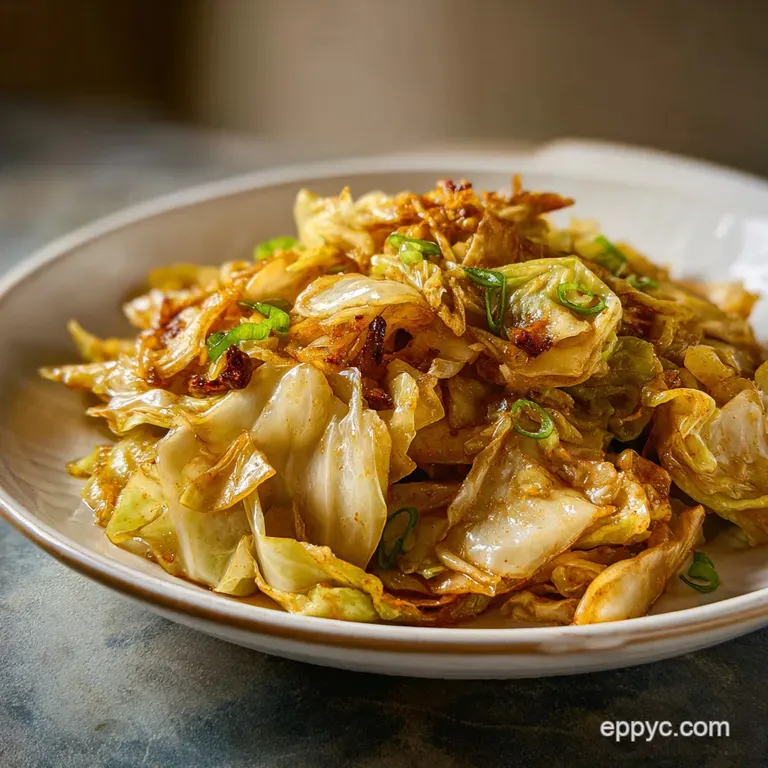
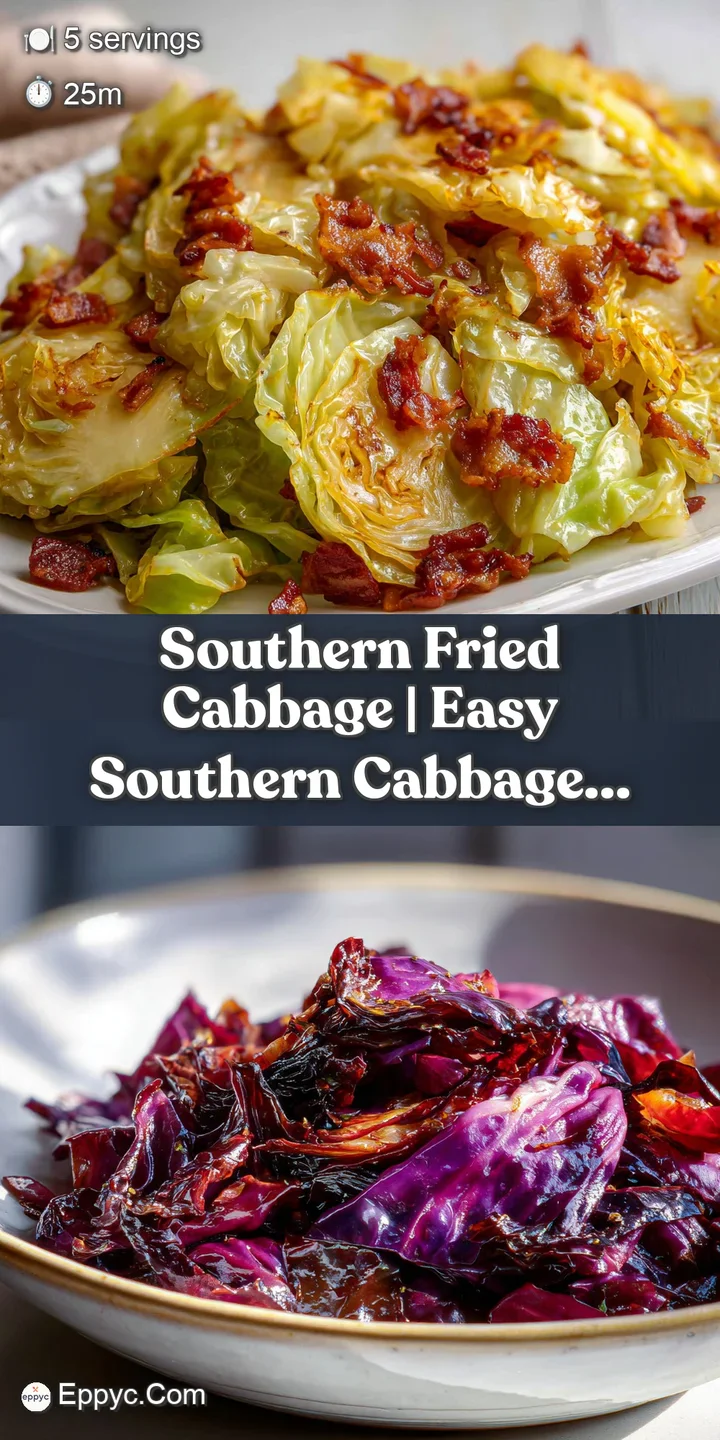
- Time: Active 10 minutes, Passive 15 minutes, Total 25 minutes
- Flavor/Texture Hook: Smoky, tender crisp, and buttery
- Perfect for: Busy weeknights, holiday side dishes, or Budget-Friendly meal prep
- The Chemistry of High Heat Searing
- Components for Balanced Flavor
- Minimal Tools for Best Results
- Step by Step Heat Control
- Fixing Texture and Seasoning Issues
- Creative Ways to Customize Flavors
- Storing and Reheating for Freshness
- Final Touches for Great Plates
- Kitchen Wisdom and Myths
- Recipe FAQs
- 📝 Recipe Card
You know that specific sound when cold, crisp greens hit a hot, bacon slicked skillet? That sharp, energetic hiss is the sound of a boring vegetable turning into something you'll actually want to eat straight out of the pan.
I used to think cabbage was just for coleslaw or those sad, boiled wedges people serve once a year, but everything changed when I stopped boiling and started searing. The smell of the rendered bacon mixing with the sweetness of the onions is enough to make anyone a convert.
I remember making this for a friend who claimed they "hated all things green." I didn't tell them what it was, just set a bowl of this smoky, charred goodness on the table next to some roast chicken. By the time I finished the dishes, the pan was scraped clean.
It’s heartfelt cooking at its simplest, using just a few digital tools like a reliable kitchen scale to get the bacon to cabbage ratio just right. We're going to use high heat and smart timing to make sure we get those charred edges without losing the crunch.
This isn't your grandma's soggy, overcooked side dish. We’re going to empower you to treat cabbage like a steak. We want color, we want texture, and we definitely want that hit of acid at the end to wake everything up.
Trust me, once you see how those ribbons wilt and caramelize in the fat, you’ll never look at a head of cabbage the same way again. It’s brilliant, it’s fast, and it’s honestly one of the most reliable recipes in my digital recipe box.
The Chemistry of High Heat Searing
Understanding the "how" behind this Fried Cabbage recipe makes you a better cook instantly. When we talk about "frying" cabbage, we are really talking about two simultaneous chemical reactions: the Maillard reaction and the breakdown of cellulose.
Cabbage is packed with water, and if we cook it slowly over low heat, it just steams in its own juices. By using a wide pan and higher heat, we evaporate that moisture as it's released, allowing the surface temperature of the cabbage ribbons to climb high enough to create those brown, nutty tasting edges.
- Sulfur Reduction: High heat and a short cook time prevent the breakdown of isothiocyanates into smelly sulfur compounds, keeping the flavor sweet instead of "funky."
- Fat Emulsification: The apple cider vinegar at the end doesn't just add tang; it helps cut through the heavy bacon lipids, creating a balanced mouthfeel.
- Cellular Tension: Slicing the cabbage into 1 inch ribbons (about 2.5 cm) provides enough surface area for browning while keeping the core of the ribbon "al dente."
- Sugar Caramelization: The sugar and onion work together to speed up the browning process, ensuring the cabbage looks as good as it tastes.
| Method | Time | Texture | Best For |
|---|---|---|---|
| High Heat Sauté | 15 minutes | Tender crisp with charred edges | Quick weeknight dinners |
| Slow Braise | 45 minutes | Silky, meltingly soft | Sunday roasts and comfort meals |
| Air Fryer | 12 minutes | Shatter crisp and very dry | Small batches or snacks |
If you're into quick cabbage meals that pack a punch, you should definitely check out my Egg Roll Bowl recipe. It uses similar over high heat principles but adds a sesame soy twist that is just as fast for those nights when the digital clock is ticking faster than you'd like.
Components for Balanced Flavor
| Ingredient | Science Role | Pro Secret |
|---|---|---|
| Green Cabbage | Structural Base | Use a heavy, dense head for the best moisture to crunch ratio. |
| Thick cut Bacon | Lipid & Umami Source | Start in a cold pan to render the maximum amount of liquid gold fat. |
| Apple Cider Vinegar | pH Balancer | Adds a "bright" note that prevents the dish from feeling too heavy. |
| Smoked Paprika | Flavor Depth | Provides a wood fired aroma without needing a literal smoker. |
For this Fried Cabbage, we aren't just tossing things in a pot. We are building layers. You'll need 1 medium Green Cabbage (approx. 900g), cored and sliced into ribbons. For the fat and flavor base, get 6 strips of Thick cut Bacon (approx. 170g).
You can use standard bacon, but the thick cut variety gives you those meaty bits that don't just disappear.
We also need 1 large Yellow Onion (approx. 200g) for sweetness and 3 cloves of Garlic (approx. 15g) for that essential aromatic hit. The seasonings are simple: 1 tsp Smoked Paprika, 1/2 tsp Crushed Red Pepper Flakes, 1 tsp Granulated Sugar, and 0.5 tsp each of Salt and Black Pepper.
Finally, 1 tbsp Apple Cider Vinegar to finish.
- Green Cabbage: You can use Savoy cabbage for a more velvety texture, but it wilts faster. Why this? It holds its shape better under high heat than thinner leaf varieties.
- Thick cut Bacon: Pancetta is a great swap if you want a saltier, less smoky vibe. Why this? Provides both the cooking medium (fat) and a crunchy texture contrast.
- Yellow Onion: Red onion works too, though it turns a slightly muddy purple when fried. Why this? Higher sugar content leads to better caramelization during the sauté.
- Apple Cider Vinegar: Rice vinegar is a milder substitute if you want less "zing." Why this? The malic acid mimics the natural sweetness of the cabbage.
- Smoked Paprika: Regular paprika is fine, but you'll lose that "camp fire" depth. Why this? Adds a visual "glow" and deepens the smoky profile of the bacon.
Minimal Tools for Best Results
You don't need a kitchen full of gadgets to empower your cooking. Honestly, I'm a big fan of using a digital kitchen scale for this. Weighing the cabbage (aiming for 900g) ensures your seasoning ratios are always spot on. You’ll also need a very wide skillet or a Dutch oven.
Surface area is your best friend here; if the cabbage is piled too deep, the bottom layers will turn mushy before the top layers even see the heat.
A sharp chef's knife is non negotiable for getting those clean 1 inch ribbons. If the cabbage is shredded too thin (like for slaw), it will dissolve into a watery mess. I also recommend a sturdy wooden spoon or a flat edged spatula.
You want to be able to scrape up the "fond" those little brown bits of bacon and onion stuck to the bottom of the pan because that is where all the concentrated flavor lives.
step-by-step Heat Control
Phase 1: Render and Crisp
- Slice the bacon into small pieces and place them in a cold, wide skillet. Note: Starting cold lets the fat melt slowly without burning the meat.
- Turn the heat to medium and cook the bacon until the fat is bubbly and the bits are golden.
- Use a slotted spoon to remove the crispy bacon, leaving all that glorious liquid fat in the pan.
Phase 2: The Sauté and Sear
- Toss the sliced onions into the hot bacon fat. Note: Onions take longer to brown than cabbage, so they go first.
- Sauté for about 4 minutes until the edges are translucent and starting to turn mahogany.
- Add the minced garlic, smoked paprika, and red pepper flakes. Cook for just 30 seconds until the kitchen smells like a smokehouse.
Phase 3: The Golden Finish
- Increase the heat to medium high and add the cabbage ribbons in two batches. Note: Adding all at once drops the pan temp too fast.
- Stir every 2 minutes. Cook for about 10 minutes until the cabbage is wilted but still has a firm bite.
- Sprinkle the sugar, salt, and pepper over the top. The sugar helps with that final bit of browning.
- Pour in the apple cider vinegar and stir vigorously to scrape up the bits from the pan.
- Fold the crispy bacon back in and serve immediately while it's still sizzling.
This dish is a classic side, but if you want to turn it into a full, hearty meal, it goes beautifully alongside my Garlic Fried Rice recipe. The savory garlic in the rice plays off the smoky bacon in the cabbage perfectly.
Fixing Texture and Seasoning Issues
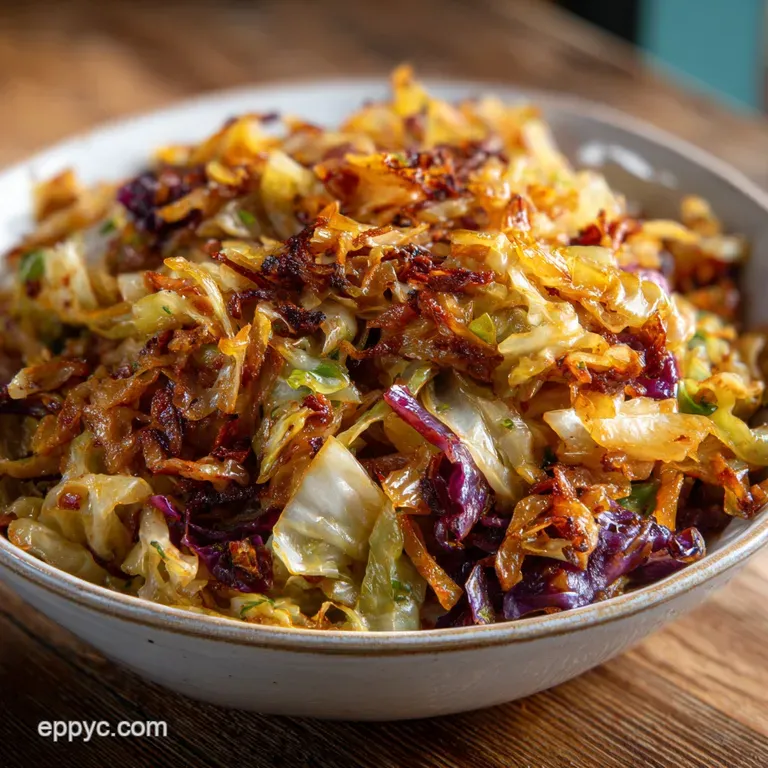
The most common heartbreak with this dish is the "soggy cabbage" syndrome. It usually happens because the pan was too small or the heat was too low. If you see liquid pooling at the bottom of the pan, your cabbage is steaming, not frying. Crank that heat up!
Why Your Cabbage is Bland
If it tastes "flat," it’s likely a salt or acid issue. Cabbage is a heavy hitter and needs more seasoning than you think. The apple cider vinegar is there to brighten the flavors, but if it still feels dull, add a tiny extra pinch of salt.
Salt doesn't just make things salty; it unlocks the natural sweetness of the vegetable.
Why the Bacon is Chewy
If you add the cabbage while the bacon is still in the pan, the moisture from the greens will turn your crispy bacon into rubbery bits. Always remove the bacon once it's crisp and only add it back at the very end. This preserves that "shatter" texture we're after.
| Problem | Root Cause | Solution |
|---|---|---|
| Soggy Cabbage | Pan overcrowding | Use a larger skillet or cook in two separate batches. |
| Burnt Garlic | Added too early | Only add garlic once onions are nearly finished. |
| Tough Ribbons | Core included | Make sure to remove the hard white core before slicing. |
Common Mistakes Checklist:
- ✓ Pat the cabbage completely dry after washing (excess water equals steam).
- ✓ Do not use a lid! Cover the pan and you'll end up with boiled cabbage.
- ✓ Keep the heat at medium high once the cabbage goes in.
- ✓ Wait to add the salt until the end to prevent the cabbage from releasing water too early.
- ✓ Use a wide bottomed pan to maximize the sear on every ribbon.
Creative Ways to Customize Flavors
If you want a Southern Fried Cabbage vibe, you can add a pinch of Cajun seasoning or even a splash of hot sauce at the end. For those who want Fried Cabbage without Bacon, you can substitute the bacon fat with butter and a dash of liquid smoke to keep that aromatic profile.
It won't be quite as rich, but it’s a solid alternative for those avoiding pork.
For a Hearty Main Dish
You can easily turn this side into a full meal by slicing up some smoked sausage or kielbasa and browning it right along with the onions. The extra fat from the sausage adds even more depth to the greens. If you're looking for a different spin on cabbage as a main, my Egg Roll Bowl recipe is a fantastic way to use up a whole head of cabbage with ground protein.
Budget Friendly Swaps
Cabbage is already one of the cheapest things in the produce aisle, but you can stretch this even further by playing with the proteins.
| Premium Ingredient | Budget Substitute | Flavor Impact |
|---|---|---|
| Thick cut Bacon | Salt Pork or Lard | Very salty, lacks the meaty bits but adds great fat. |
| Apple Cider Vinegar | White Vinegar + Pinch of Sugar | Sharp and acidic; needs the sugar to mimic the cider flavor. |
| Smoked Paprika | Cumin + Chili Powder | Earthy and spicy, but lacks the specific wood smoke note. |
Storing and Reheating for Freshness
Fried Cabbage is one of those rare dishes that actually tastes better the next day as the flavors meld. You can keep it in an airtight container in the fridge for up to 4 days. When you're ready to eat, don't use the microwave if you can avoid it it will make the cabbage limp.
Instead, toss it back into a hot skillet with a tiny bit of butter for 3 minutes. This will re crisp the bacon and keep the cabbage from getting mushy.
I don't recommend freezing this dish. Cabbage has high water content, and once frozen and thawed, the cellular structure collapses completely. You'll end up with a watery mess that no amount of frying can save. If you have leftovers you can't finish, chop them up and toss them into a vegetable soup or a quick stir fry.
The smoky bacon flavor will act as a "seasoning" for the whole pot.
Final Touches for Great Plates
When it comes to presentation, color is key. Since cooked cabbage can look a bit muted, that final dusting of smoked paprika and a handful of fresh parsley can make it look like a restaurant quality dish. Serve it in a wide, shallow bowl rather than a deep one so the crispy bacon bits don't all sink to the bottom.
A final crack of fresh black pepper right before it hits the table adds a sharp aroma that hits you before you even take a bite. It’s these small, heartfelt details the sizzle, the smoke, and the bright pop of vinegar that empower a simple home cook to turn basic ingredients into a meal everyone remembers.
Decision Shortcut: If you want maximum crunch, slice the cabbage into 2 inch squares instead of ribbons. If you want deepest flavor, let the onions get almost dark brown before adding the cabbage.
If you want kid friendly, double the sugar and skip the red pepper flakes.
Kitchen Wisdom and Myths
One big myth is that you need to soak cabbage in water before frying. Actually, that’s the worst thing you can do! You want the cabbage as dry as possible so it sears. Adding moisture just encourages steaming. Another misconception is that the "core" is inedible.
While the very center is tough, the area just around it is incredibly sweet. If you slice it very thin, it adds a lovely textural contrast to the softer leaves.
Finally,, some people think you have to use a cast iron skillet for this. While cast iron is great for heat retention, any heavy bottomed stainless steel pan will do the job perfectly well as long as you don't overcrowd it.
The goal is consistent, high heat, and that’s achievable with almost any quality gear you have on hand. Stick to the science of the sear, and you'll get great results every single time.
Recipe FAQs
Can you cook cabbage by frying it?
Yes, frying is ideal for texture. High heat sautéing allows the cabbage to caramelize and develop charred edges before the internal moisture turns it soft.
What are some common mistakes to avoid when making fried cabbage?
Overcrowding the pan is the primary error. If you pile the cabbage too high, it will steam instead of sear, resulting in a soggy texture.
What seasonings go in fried cabbage?
Smoked paprika, salt, black pepper, and a touch of sugar are essential. The sugar aids in caramelization, while smoked paprika enhances the bacon's flavor profile.
Is it healthy to fry cabbage?
Generally, yes, especially when using bacon fat sparingly. Cabbage is low in calories and high in fiber, and quick frying retains more nutrients than boiling.
How do I prevent my fried cabbage from tasting too sulfurous?
Cook quickly over high heat and add acid at the end. High heat minimizes the release of sulfur compounds, and a splash of apple cider vinegar balances the flavor profile.
How to get crispy bacon bits when frying cabbage?
Render the bacon completely in a cold pan before adding any vegetables. Remove the crispy bacon pieces with a slotted spoon and only add them back right before serving.
Can I substitute the bacon fat with oil?
Yes, but you sacrifice depth of flavor. If substituting, use butter or a neutral oil and add a teaspoon of liquid smoke to mimic the richness, similar to how we balance flavor in my Cracking Cold Sesame recipe.
Southern Fried Cabbage
Ingredients:
Instructions:
Nutrition Facts:
| Calories | 161 calories |
|---|---|
| Protein | 8.9 g |
| Fat | 7.4 g |
| Carbs | 15.8 g |
| Fiber | 4.4 g |
| Sugar | 6.2 g |
| Sodium | 465 mg |
