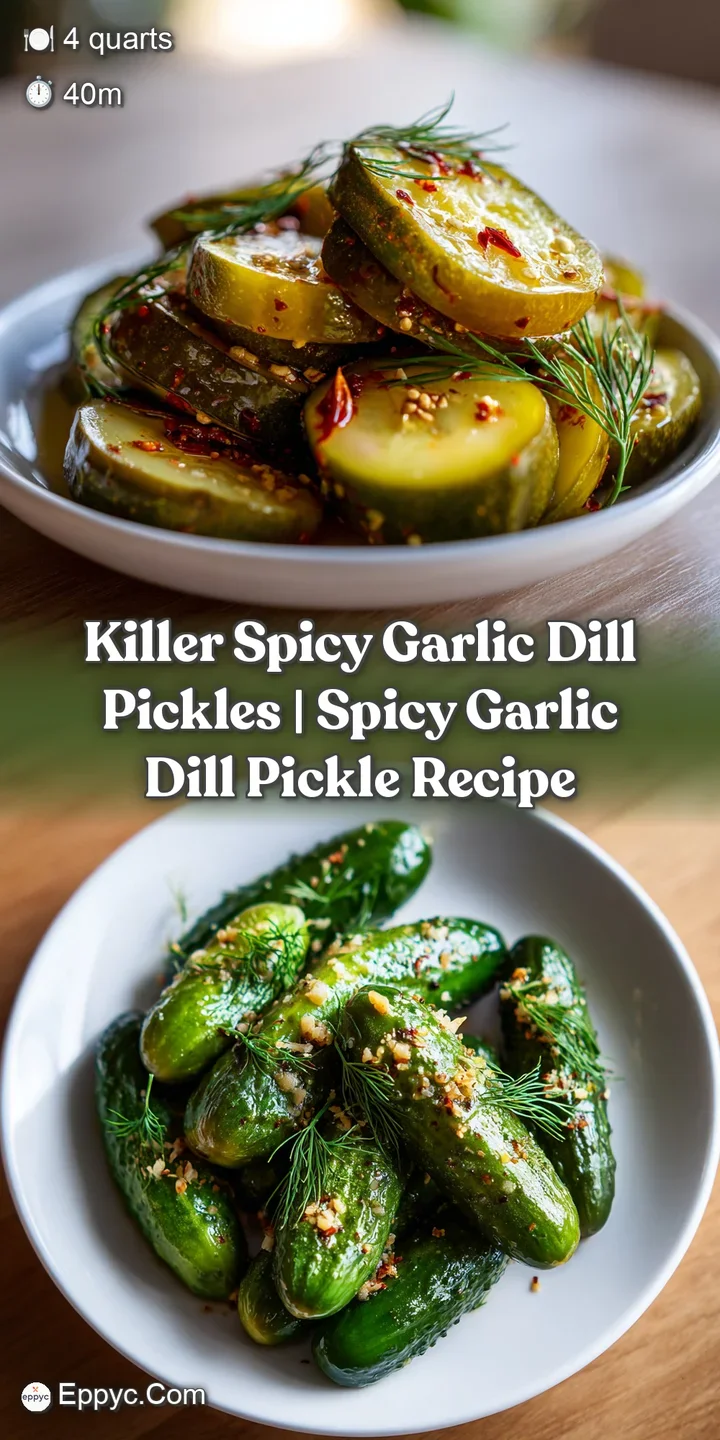
Killer Spicy Garlic Dill Pickles Recipe
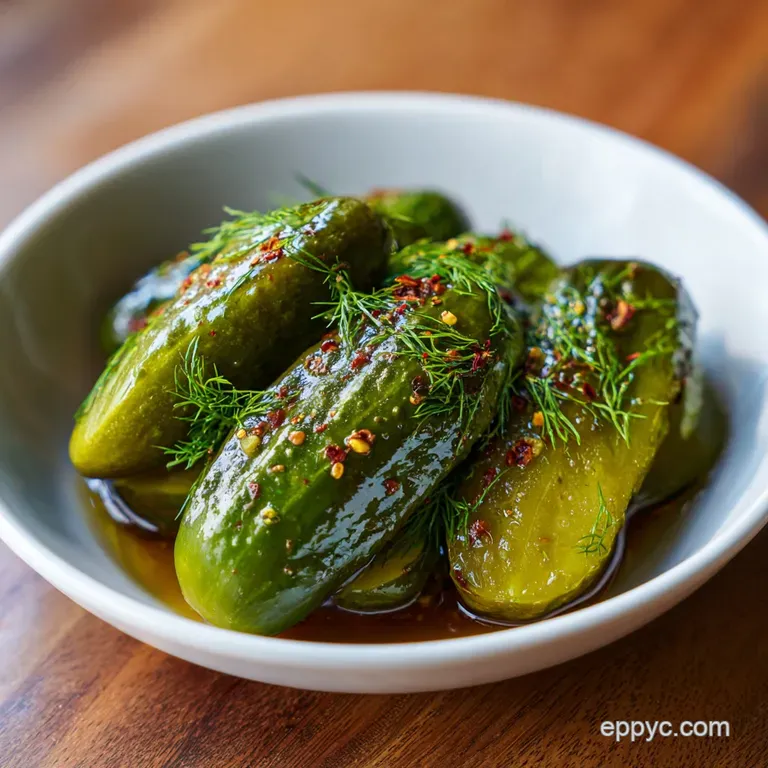
- Time: Active 30 minutes, Passive 10 minutes, Total 40 minutes
- Flavor/Texture Hook: Sharp, vinegar forward snap with a lingering jalapeño burn.
- Perfect for: Summer harvests, spice lovers, and beginner canners.
- Crafting Killer Spicy Garlic Dill Pickles
- Comparing Homemade Pungency to Standard Grocery Brands
- The Molecular Mechanics of Maintaining Crunch
- Precision Measurements for a Balanced Batch
- Curating High Quality Ingredients for Maximum Flavor
- Essential Hardware for a Streamlined Pickling Process
- Step by Step Guide to Packing and Brining
- Expert Troubleshooting for Common Brining and Texture Issues
- Bold Flavor Variations for Every Heat Level
- Kitchen Myths and Pickling Folklore
- Safe Preservation Methods and Zero Waste
- Delicious Ways to Feature Your Spicy Pickles
- Recipe FAQs
- 📝 Recipe Card
Crafting Killer Spicy Garlic Dill Pickles
The first time I heard the distinct, sharp "pop" of a properly sealed jar, I knew I was hooked. There is something incredibly grounding about seeing rows of vibrant green cucumbers submerged in a sea of garlic and dill, standing like little soldiers in the pantry.
I remember my first attempt years ago I was so excited, but I skipped the ice bath and ended up with what I can only describe as garlic flavored sponges. It was heartbreaking, but it empowered me to find the tech and the techniques that actually work.
Now, whenever I crack open a jar of these killer spicy garlic dill pickles, the aroma of white vinegar and crushed garlic fills the kitchen instantly. You get that first hit of acidity, followed by the slow, creeping heat of the jalapeño rings.
It is a heartfelt process that turns a simple garden haul into a snack that people actually beg for at every barbecue.
This recipe is designed for the home cook who wants results without the guesswork. We're using a mix of traditional wisdom and smart, modern additives to ensure that "shatter crisp" texture we all crave.
You don't need a massive garden or a degree in food science to get this right you just need a bit of patience and the right ratio of salt to vinegar.
Comparing Homemade Pungency to Standard Grocery Brands
Most store-bought options rely on yellow dyes and heavy preservatives to mimic the look and feel of a fresh pickle. When you make these at home, you control the "punch." We use fresh jalapeños for a natural, grassy heat rather than the oily extracts found in commercial "hot" pickles.
The Pectin Protector: Calcium chloride, often sold as "Pickle Crisp," reinforces the pectin in the cucumber cell walls, preventing them from breaking down during the heating process. It is a tiny addition that makes a massive difference in the final mouthfeel.
Osmotic Balance: By using a 1:1 ratio of water to vinegar, we create an environment harsh enough to preserve the vegetables while maintaining enough hydration to keep the pickles plump and juicy.
Capsaicin Infusion: Slicing the jalapeños into rings increases the surface area, allowing the spicy compounds to migrate into the brine and eventually the core of the cucumber.
| Selection Priority | Best Choice | Texture Result | Heat Level |
|---|---|---|---|
| High Heat | 6 Jalapeños + Seeds | Firm | Intense |
| Medium Heat | 3 Jalapeños (seeded) | Firm | Lingering |
| Budget Friendly | Dried Chili Flakes | Slightly Softer | Immediate Sharpness |
Whether you are looking for a quick kitchen project or a way to preserve a massive harvest, this method scales beautifully. If you find yourself with extra herbs after packing your jars, they are a fantastic addition to a Vibrant Green Goddess Salad recipe to keep that fresh, herbaceous theme going throughout your meal prep week.
The Molecular Mechanics of Maintaining Crunch
| Component | Science Role | Pro Secret |
|---|---|---|
| Kirby Cucumbers | Low moisture vessel | Use fruit under 4 inches for the tightest seed cavity. |
| Pickling Salt | Electrolyte balance | Avoid table salt; anti caking agents turn the brine cloudy. |
| White Vinegar | pH Regulator | Ensure 5% acidity to safely inhibit bacterial growth. |
| Calcium Chloride | Structural integrity | Add to the jar last to prevent it from clumping in the hot brine. |
The relationship between the salt and the cellular structure of the cucumber is the most vital part of this entire operation. When we submerge the cucumbers in the salt heavy brine, it draws out excess water through osmosis, which is why we want to start with the densest cucumbers possible.
Using a digital kitchen scale to measure your salt ensures you hit that 3 tbsp mark perfectly, which is safer than relying on the variability of different measuring spoons.
Precision Measurements for a Balanced Batch
This recipe yields 4 quarts of pickles. If you are using pint jars, you'll simply double the jar count and split the spices accordingly. It is a heartfelt way to share your kitchen successes with neighbors or friends.
- Yield: 4 quart jars
- Active Prep:30 minutes
- Processing Time:10 minutes
- Curing Time: 7 to 10 days for peak flavor
If you're tight on time and don't want to deal with the water bath canning process, these work excellently as refrigerator pickles. You'll still get that incredible flavor, though the texture will be slightly more "fresh" than "canned." For those who love a bit of heat in every meal, these pickles are a great bridge to other spicy favorites like a Homemade Sriracha Sauce Recipe that brings that same vibrant, fermented energy to the table.
Curating high-quality Ingredients for Maximum Flavor
Selecting the right produce is half the battle when you want killer spicy garlic dill pickles. If the cucumber feels soft in your hand at the market, it will be mush in the jar. Look for "Kirby" or "Persian" varieties that have a bumpy, thick skin.
- 3 lbs Kirby cucumbers: These are the gold standard for pickling because of their thick skins and minimal seeds.
- 12 cloves garlic, smashed and peeled: Smashing releases the oils, giving you that deep, pungent flavor.
- 6 fresh jalapeños, sliced into rings: Keep the seeds for the full "killer" experience. Why this? Fresh peppers provide a brighter, more complex heat than dried flakes alone.
- 1 large bunch fresh dill: Use the heads, stems, and leaves for the most traditional aroma.
- 3 cups white distilled vinegar (5% acidity): This provides the necessary pH for safety and that classic sharp tang.
- 3 cups filtered water: Using filtered water prevents chlorine from affecting the taste of your brine.
- 3 tbsp pickling salt: Fine grain salt that dissolves instantly without clouding the liquid.
- 1 tbsp cane sugar: Just enough to balance the harshness of the vinegar without making it a "sweet" pickle.
- 4 tsp yellow mustard seeds: Adds a subtle earthy backnote and helps with preservation.
- 4 tsp black peppercorns: Provides a woody, floral heat that sits on the back of the tongue.
- 2 tsp red pepper flakes: For an immediate spice hit when the pickle first touches your palate.
- 1 tsp calcium chloride: The secret weapon for a permanent, industrial strength crunch.
| Original Ingredient | Substitute | Why It Works |
|---|---|---|
| White Vinegar | Apple Cider Vinegar | Adds a fruity, mellow undertone. Note: Brine will be darker. |
| Pickling Salt | Kosher Salt | Pure salt flavor. Note: Use 1.5x the volume as it is less dense. |
| Cane Sugar | Honey | Adds a floral sweetness. Note: May slightly cloud the brine. |
Essential Hardware for a Streamlined Pickling Process
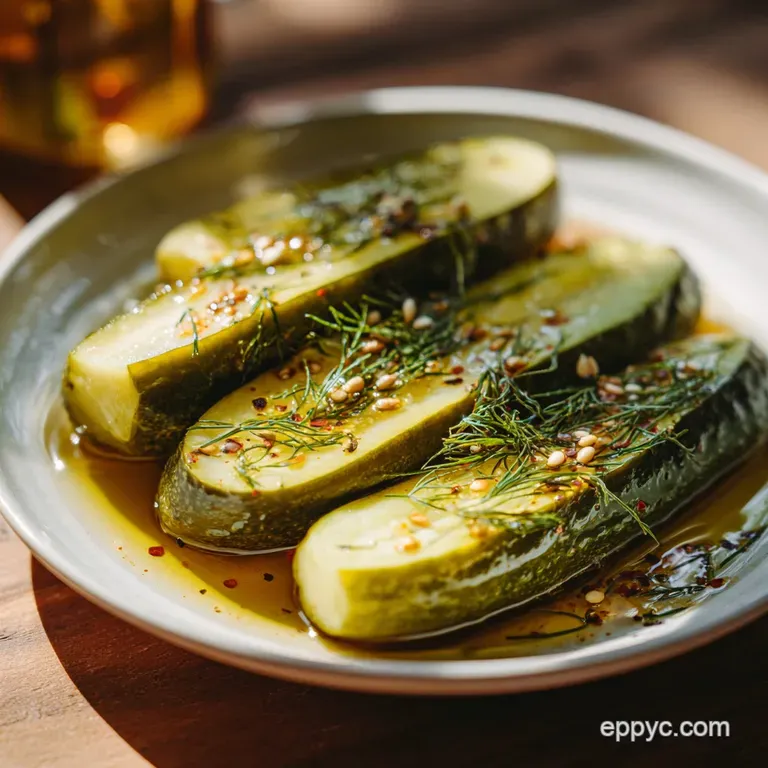
You don't need a high tech lab, but a few specific tools will empower you to work faster and more safely. I always recommend a digital thermometer (like a Thermapen) to check your brine temperature and ensure your canning water is at a rolling boil.
- Large canning pot: Needs to be deep enough to cover the jars by at least one inch of water.
- 4 quart sized Mason jars: Ensure they are free of cracks or chips on the rims.
- New lids and bands: Never reuse lids, as the sealing compound degrades after one use.
- Jar lifter: Essential for moving hot jars without burning yourself or dropping them.
- Non reactive saucepan: Stainless steel or enamel coated works best for boiling the vinegar brine.
step-by-step Guide to Packing and Brining
- Prep the cucumbers. Wash the 3 lbs of Kirby cucumbers in ice cold water. Note: This firms up the flesh before they hit the hot brine.
- Trim the ends. Slice off 1/8th of an inch from the blossom end of each cucumber. until you see the pale green flesh. Note: The blossom end contains enzymes that can soften the pickle.
- Sterilize the jars. Place your clean jars in boiling water for 10 minutes. until they are hot to the touch.
- Create the aromatics layer. Drop 3 smashed garlic cloves, 1.5 sliced jalapeños, and a generous sprig of dill into the bottom of each hot jar.
- Pack the cucumbers. Stand the cucumbers vertically in the jars, wedging them in tightly. until they don't move when shaken.
- Simmer the brine. Combine 3 cups vinegar, 3 cups water, 3 tbsp salt, and 1 tbsp sugar in a saucepan and bring to a boil.
- Add the spice pack. Distribute the mustard seeds, peppercorns, red pepper flakes, and calcium chloride evenly across the 4 jars.
- Pour the liquid. Ladle the hot brine over the cucumbers, leaving 1/2 inch of headspace at the top. until the tops of the pickles are fully submerged.
- Remove air bubbles. Run a thin spatula or plastic knife down the sides of the jars. until no more bubbles rise to the surface.
- Process the jars. Wipe the rims, apply lids, and process in a boiling water bath for 10 minutes. until the lids ping and seal as they cool.
Expert Troubleshooting for Common Brining and Texture Issues
Why Your Pickles Are Soft
The most common heartbreak in pickling is the "squish." This usually happens if the cucumbers were sitting on the counter too long after being picked, or if the blossom end wasn't trimmed. High temperatures during processing can also cook the cucumber rather than preserving it, so keep a close eye on your timer.
Avoiding Cloudy Brine
If your brine looks like a science experiment gone wrong, don't panic immediately. Sometimes it is just the minerals in your water reacting with the salt. However, if the cloudiness is accompanied by a foul smell or a bulging lid, toss it immediately. Safety first, always.
| Problem | Root Cause | Solution |
|---|---|---|
| Shriveled Pickles | Too much salt or sugar | Follow the ratio exactly; don't "eyeball" the brine. |
| Bitter Flavor | Using the cucumber skins | Peel strips of skin off or use smaller, younger fruit. |
| Floating Jars | Loose packing | Wedge the cucumbers in so tightly they can't move. |
Common Mistakes Checklist
- ✓ Never use "soft" or "wilted" cucumbers; they will never crisp back up in the jar.
- ✓ Ensure your vinegar is at least 5% acidity (check the label!).
- ✓ Don't skip the "bubble removal" step; trapped air can lead to spoilage.
- ✓ Let the jars sit undisturbed for 24 hours after canning to ensure a solid seal.
- ✓ Always use a non reactive pot (no aluminum) to avoid a metallic aftertaste.
Bold Flavor Variations for Every Heat Level
If you want to push the boundaries of this recipe, the brine is a fantastic canvas for experimentation. I've found that adding a teaspoon of horseradish can give these killer spicy garlic dill pickles a "nasal" heat that clears the sinuses and keeps you coming back for more.
The Habanero Honey Burn
Swap the jalapeños for 2 habaneros and increase the sugar to 2 tablespoons. The honey like sweetness of the pepper pairs beautifully with the extra cane sugar, creating a "hot honey" vibe that is incredible on fried chicken sandwiches.
Smoked Paprika & Horseradish
Add 1 teaspoon of smoked paprika and 1 tablespoon of freshly grated horseradish to the brine. This creates a deep, smoky flavor profile that tastes like it has been aging in a wooden barrel for months.
Scaling the Recipe
If you find yourself with only a pound of cucumbers, you can easily divide this recipe by three. Just remember that for smaller batches, you should still use a whole egg's worth of spices (or round up) to ensure the flavor remains intense. When scaling up for a massive harvest, work in batches of 4 quarts at a time.
It prevents the brine from cooling down too much and ensures your processing times stay accurate.
| Batch Size | Vinegar/Water | Salt | Garlic |
|---|---|---|---|
| 1 Quart | 3/4 cup each | 2.25 tsp | 3 cloves |
| 4 Quarts | 3 cups each | 3 tbsp | 12 cloves |
| 8 Quarts | 6 cups each | 6 tbsp | 24 cloves |
Kitchen Myths and Pickling Folklore
There is a long standing myth that you need to add a grape leaf to every jar to keep the pickles crunchy. While grape leaves do contain tannins that can help, our use of calcium chloride is a much more reliable, modern method for achieving that same result.
It's about using technology to empower our traditional recipes.
Another common misconception is that you can use any salt you have in the pantry. Using table salt with iodine will turn your pickles a strange, unappetizing gray color and make your brine look muddy. Stick to pickling or sea salt to keep things looking as heartfelt and professional as they taste.
Safe Preservation Methods and Zero Waste
Once processed, these jars will stay shelf stable for up to 12 months in a cool, dark place. However, for the best texture, I recommend eating them within 6 months. Once a jar is opened, it must live in the refrigerator and should be consumed within 4 weeks.
Don't toss that leftover brine once the pickles are gone! That "liquid gold" is packed with garlic and jalapeño essence. I love using it as a marinade for chicken or as a secret ingredient in a potato salad. You can even use a splash of it when making a Jalapeno Popper Recipe to add an extra layer of fermented tang to the filling. If you have extra cucumber scraps, toss them into a blender with some vinegar and salt for a quick "relish" that can be used immediately.
Delicious Ways to Feature Your Spicy Pickles
These aren't just for eating straight out of the jar (though no judgment here!). They are the perfect acidic counterpoint to rich, fatty foods. Try dicing them finely and folding them into a tartar sauce, or topping a spicy smash burger with thick, diagonal slices.
The heat from the jalapeños makes these a standout addition to a charcuterie board, especially when paired with a sharp cheddar or a creamy goat cheese. Because they are so vibrant and heartfelt, they also make incredible gifts.
A jar of homemade killer spicy garlic dill pickles with a hand written label is a digital age way to show someone you truly care about the craft of cooking. For a full spread experience, serve them alongside some spicy chicken wraps or a hearty sandwich to let that garlic dill aroma shine.
Recipe FAQs
What is the 321 rule for pickles?
No, this specific rule doesn't universally apply here. The 3-2-1 ratio is most often associated with smoking brisket (3 hours smoke, 2 hours wrap, 1 hour rest), not standard water bath pickling.
What are the common mistakes when pickling garlic?
The primary mistake is processing the garlic too long. Over processing in the water bath can cause the garlic cloves to turn mushy and leach a sulfuric bitterness into the brine.
What is the spiciest pickle in the world?
The spiciest is generally undefined, but likely involves Ghost or Carolina Reaper peppers. These pickles use jalapeños for a bright, lingering heat that complements the dill.
What is the number one pickle in America?
Sweet gherkins or bread and butter varieties usually hold the top sales spot. However, for shelf stable, shelf stable shelf stability, our recipe focuses on a savory, acidic snap, similar in style to high end deli varieties.
Should I use table salt instead of pickling salt?
No, stick with pickling or fine sea salt. Table salt contains anti caking agents that will inevitably make your brine look cloudy and give the pickles a gritty texture.
How do I ensure my cucumbers stay crunchy after canning?
Add 1/4 teaspoon of calcium chloride to each quart jar before adding the brine. This mineral reinforces the cucumber's cell walls, preventing pectin breakdown during heating; this technique is similar to how we manage structural integrity in complex baked goods.
Why are my finished pickles turning a faded, dull green color?
Prolonged exposure to high heat during the water bath process destroys chlorophyll. Keep your processing time precisely to 10 minutes for quart jars to maintain that vibrant, appealing green color.
Spicy Garlic Dill Pickles
Ingredients:
Instructions:
Nutrition Facts:
| Calories | 12 kcal |
|---|---|
| Protein | 0.3 g |
| Fat | 0.1 g |
| Carbs | 2.3 g |
| Fiber | 0.4 g |
| Sugar | 0.9 g |
| Sodium | 442 mg |
