Stanley Tucci Creamy Lemon Pasta: the 15-Minute Classic
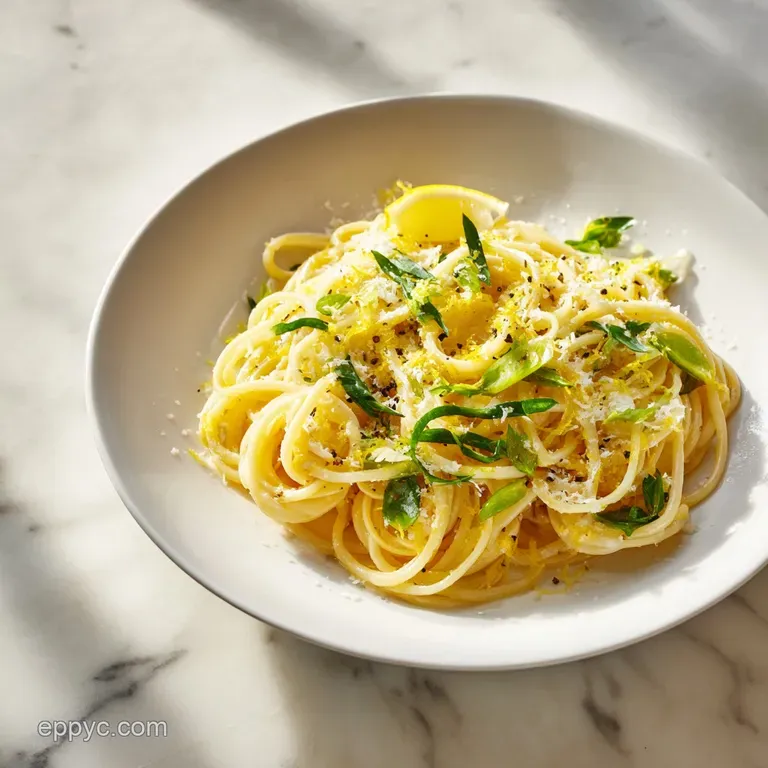
- Time: Active 5 minutes, Passive 10 minutes, Total 15 minutes
- Flavor/Texture Hook: Silky, zesty, and surprisingly light
- Perfect for: Stressful weeknights or a sophisticated date night
- Mastering Stanley Tuccis Creamy Lemon Recipe
- How Fat and Starch Create Magic
- Key Stats for Your Kitchen
- Choosing the Right Lemon Elements
- Tools You Need for Success
- Making the Stanley Tucci Recipe
- Avoiding Common Pasta Saucery Errors
- Adjusting for a Crowd or Couple
- Pasta Truths and Misconceptions
- Storing Your Creamy Lemon Pasta
- Perfect Pairings for This Dish
- Recipe FAQs
- 📝 Recipe Card
Mastering Stanley Tuccis Creamy Lemon Recipe
You know that feeling when you're standing in front of an open fridge at 6:00 PM, staring at a half empty tub of ricotta and two lonely lemons? That was me last Tuesday. I wanted something that tasted like a summer evening in Positano but felt as easy as boiling a pot of water.
I whipped out my whisk, remembered the simple elegance of this method, and within 15 minutes, the kitchen smelled like a sun drenched citrus grove.
This isn't just another pasta dish; it’s a masterclass in using what you have. We aren't relying on heavy creams or fancy reductions here. Instead, we’re empowering simple ingredients lemon, garlic, and cheese to do the heavy lifting.
The first time I made this, I was skeptical about the cold cheese mixture meeting the hot pasta, but the way it transforms into a velvety coating is nothing short of brilliant.
We’ve all been there: making a sauce that breaks or ends up clumpy. Trust me, I’ve made those mistakes so you don't have to. We're going to use a few digital age kitchen tricks and heartfelt techniques to ensure every strand of spaghetti is perfectly glossed.
It’s about the marriage of heat and whisking, creating a meal that feels expensive but costs less than a fancy coffee.
How Fat and Starch Create Magic
I’ve spent a lot of time thinking about why some pasta sauces feel oily while others feel like silk. It comes down to how we treat the liquid gold otherwise known as pasta water.
In this specific dish, we aren't just dumping water in; we’re using it to build a structure that holds the fat from the olive oil and ricotta together.
- Starch Suspension: The cloudy water from the boiled pasta acts as a natural binder, preventing the oil and cheese from separating into a greasy mess.
- Aeration Power: Whisking the ricotta and oil before adding heat introduces tiny air bubbles that make the final sauce feel lighter on the tongue.
- Heat Residuals: We don't cook the sauce on the stove; we let the residual heat of the pasta gently melt the Parmigiano Reggiano for a smoother finish.
- Acid Balance: The lemon juice doesn't just add flavor; it actually helps break down the proteins in the cheese so they incorporate into the water more easily.
| Cook Method | Active Time | Texture Result | Best For |
|---|---|---|---|
| Traditional Stovetop | 10 minutes | Silky and light | Maximum citrus brightness |
| One Pot Method | 12 minutes | Thicker, starchier | Busy weeknights, less cleanup |
| Baked Version | 25 minutes | Set and custardy | Feeding a crowd, leftovers |
The choice of method really depends on your mood. If you want that classic, vibrant punch that makes this lemon recipe famous, the stovetop method is your best friend. The one pot version is great if you're low on energy, but you lose a bit of that distinct, fresh lemon "pop" because the juice cooks for longer.
Key Stats for Your Kitchen
When you're looking for a quick win, you need to know exactly what you're getting into. This dish is designed for speed without sacrificing the heartfelt quality of a home cooked meal.
We use technology like a microplane to ensure the garlic and zest are fine enough to disappear into the sauce, creating a seamless flavor profile.
| Component | Role in Dish | Pro Secret |
|---|---|---|
| Pasta Water | Structural Binder | Use more salt than you think; it's the sauce's only seasoning. |
| Whole Milk Ricotta | Creamy Foundation | Always use full fat; low-fat versions grain up under heat. |
| Lemon Zest | Aromatic Punch | Zest before juicing; it’s nearly impossible to do it the other way. |
| Extra Virgin Oil | Flavor Carrier | Use the good stuff here; the peppery notes balance the lemon. |
If you find yourself missing an ingredient, don't panic. You can find a similar vibe in my Zesty Creamy Lemon Pasta Sauce which uses slightly different ratios for a bolder kick. The key is maintaining that balance between the fat and the acid to keep the palate excited.
Choosing the Right Lemon Elements
Selecting your ingredients is where the technology of taste meets heart. For this dish, the lemons are the star. I prefer heavy, thin skinned lemons because they usually harbor more juice. If yours feel like rocks, give them a 10 second zap in the microwave to get the juices flowing.
- 1 lb Spaghetti: I recommend a high-quality bronze cut pasta. Why this? The rough texture holds onto the creamy sauce much better than smooth pasta.
- Sub: Linguine or Fettuccine.
- 1 cup Whole milk Ricotta: This provides the "cream" without the heavy feeling. Why this? It adds a subtle sweetness and a fluffy, aerated texture.
- Sub: Mascarpone for a richer, more decadent finish.
- 1/2 cup Parmigiano Reggiano: The salty backbone of the dish. Why this? It melts seamlessly into the ricotta to create a savory depth.
- Sub: Pecorino Romano for a tangier, saltier bite.
- 2 large Lemons: Both zest and juice are required. Why this? The zest provides the scent while the juice provides the "zing".
- Sub: Meyer lemons if you want a sweeter, floral note.
- 1/4 cup Extra virgin olive oil: Use cold pressed if possible. Why this? It emulsifies with the pasta water to create a glossy sheen.
- Sub: Avocado oil (though you lose the classic Mediterranean flavor).
- 2 cloves Garlic: Grated finely to avoid raw chunks. Why this? Grating turns it into a paste that distributes evenly.
- Sub: 1/2 tsp garlic powder in a pinch.
- 2 cups Fresh baby arugula: Adds a peppery crunch. Why this? It wilts perfectly in the residual heat without becoming slimy.
- Sub: Baby spinach for a milder flavor.
- 2 tbsp Kosher salt: For the pasta water. Why this? This is your primary source of seasoning for the noodles.
- Sub: Sea salt (use slightly less).
Tools You Need for Success
You don't need a professional kitchen, but a few specific tools will empower you to get that velvety texture. I always reach for my microplane first. It’s the best way to get that garlic and lemon zest so fine that they melt away.
A large, stainless steel mixing bowl is also crucial because you need space to toss the pasta aggressively.
If you don't have a whisk, a large fork works, but you really want to incorporate air into that ricotta. A pair of sturdy tongs (like the silicone tipped ones) is better than a spoon for the final tossing phase. They allow you to lift and swirl the pasta, which is how you build that glossy emulsion.
Honestly, don't even bother with a small bowl; you'll just end up with sauce on your shirt.
Making the Stanley Tucci Recipe
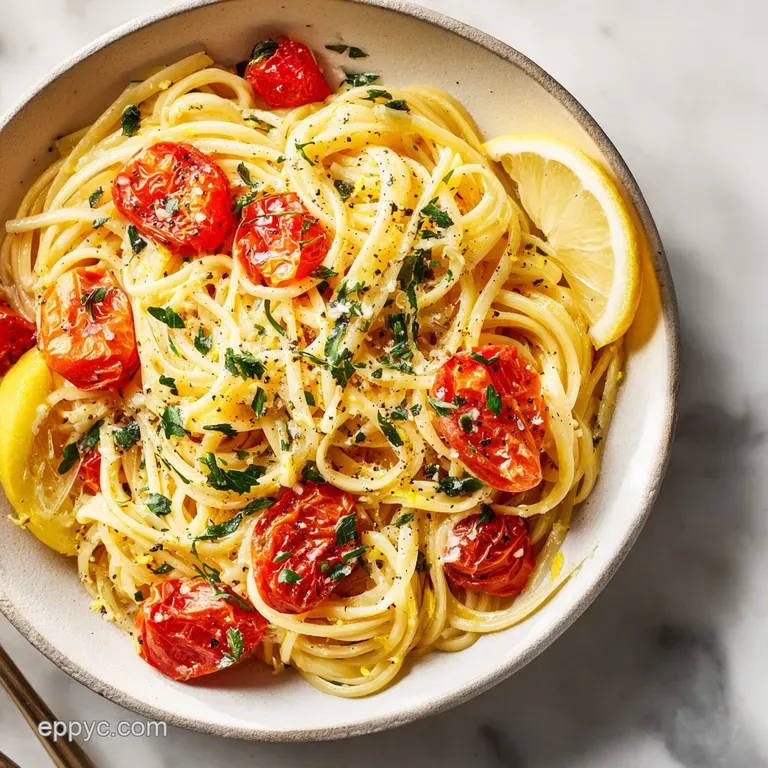
- Bring a large pot of water with 2 tbsp salt to a boil. Add the pasta and cook until al dente and firm to the bite. Note: Taking the pasta out 1 minute early allows it to finish cooking in the sauce.
- Reserve 1.5 cups of starchy pasta water before draining. Don't forget this step or your sauce will be dry.
- While pasta boils, combine ricotta, Parmigiano Reggiano, lemon juice, lemon zest, grated garlic, and olive oil in a large mixing bowl.
- Whisk the mixture vigorously until it looks pale and fluffy. Note: This aeration is what makes the sauce feel light.
- Transfer the hot, drained pasta directly into the bowl with the ricotta mixture.
- Add 1/2 cup of the reserved pasta water immediately.
- Toss aggressively with tongs until the sauce turns glossy and coats every strand.
- Fold in the fresh baby arugula and black pepper.
- Toss for 30 seconds until the arugula is barely wilted and vibrant green.
- Adjust the consistency with more pasta water if the sauce looks too thick. It should look like a thin glaze before it sets.
Avoiding Common Pasta Saucery Errors
One of the biggest mistakes I see people make is letting the pasta sit in the colander. If the pasta gets cold or dry, it won't bond with the sauce. You want those noodles screaming hot. If they’re too dry, they’ll just soak up the moisture from the ricotta and turn into a sticky clump.
Why Your Sauce Is Clumpy
If your cheese isn't melting into a smooth liquid, your pasta water might not have been hot enough, or your parm was pre shredded. Pre shredded cheese is coated in potato starch to prevent sticking in the bag, which is a total vibe killer for a smooth sauce. Always grate your own cheese for that velvety result.
Why the Lemon Flavor is Bitter
If you get too much of the white pith when zesting, your sauce will have a sharp, bitter aftertaste. Only take the very top yellow layer. Also, never use the bottled lemon juice here; it lacks the essential oils found in fresh fruit that make this recipe sing.
| Problem | Root Cause | Solution |
|---|---|---|
| Sauce is "broken" or oily | Not enough whisking or cold pasta water | Whisk the base longer; use boiling hot pasta water only. |
| Pasta is bland | Under salted water | Add a full 2 tbsp of salt to the boiling pot. |
| Arugula is mushy | Added too early or cooked on stove | Fold it in at the very end using only residual heat. |
Common Mistakes Checklist
- ✓ Using pre shredded cheese (it contains starches that prevent a smooth melt).
- ✓ Draining the pasta water down the sink (the starch is the secret to the sauce).
- ✓ Overcooking the pasta in the water (it should be "al dente" as it continues to cook in the bowl).
- ✓ Forgetting to zest the lemons before you juice them.
- ✓ Using a bowl that is too small for aggressive tossing.
Adjusting for a Crowd or Couple
Scaling this recipe is fairly straightforward, but there are a few technical things to keep in mind. If you're cutting the recipe in half for a solo dinner, use a smaller bowl so the sauce doesn't just smear across the sides. You can also use a smaller pot for the pasta to save on energy and water.
When doubling the recipe for a dinner party, work in batches if your mixing bowl isn't massive. It's better to toss two separate half batches than to have a bowl so full you can't properly emulsify the sauce. For the spices and garlic, I usually only go to 1.5x the amount when doubling, as they can become overwhelming in large quantities. If you're looking for another citrus heavy starch to round out a menu, consider my Luscious Lemon Herb Risotto as a sophisticated alternative.
| Feature | Fresh Ingredients | Shortcut Ingredients | Flavor Impact |
|---|---|---|---|
| Lemon | Freshly zested & juiced | Bottled juice | High; lose the aromatic oils |
| Cheese | Block Parmigiano | Pre shredded bag | Medium; sauce becomes grainy |
| Garlic | Grated fresh cloves | Jarred minced garlic | High; jarred tastes "tinny" |
Pasta Truths and Misconceptions
There is a common myth that you need heavy cream to make a sauce "creamy." In reality, fat (oil/cheese) combined with a starch (pasta water) creates a far superior texture that doesn't mask the flavor of the lemon. Cream often dulls the bright acidity we are looking for in this specific dish.
Another misconception is that you should rinse your pasta after cooking. Never do this! Rinsing washes away the very starch we need to make the sauce stick. Also, don't add oil to your pasta water; it just makes the noodles slippery, which prevents the sauce from clinging to them.
The "sizzle" of the water should be pure, salty, and starchy.
Storing Your Creamy Lemon Pasta
This dish is definitely best served immediately while the emulsion is at its peak. However, if you have leftovers, they’ll keep in the fridge for about 2 days. The sauce will thicken and look "set" when cold, but don't worry it’s fixable.
To reheat, add a splash of water or a tiny bit of milk to a pan over low heat. Toss the pasta gently until the sauce relaxes back into its silky state. I don't recommend freezing this dish, as the ricotta texture can become grainy and the arugula will turn into a dark green smear.
For a zero waste tip: don't throw away those squeezed lemon halves! Toss them into a jar of white vinegar for a week to make a natural, citrus scented kitchen cleaner, or use them to scrub your wooden cutting boards with a bit of coarse salt.
Perfect Pairings for This Dish
Since this pasta is bright and acidic, it pairs beautifully with protein that has a bit of char or smoke. A simple grilled chicken breast or seared scallops would be fantastic. If you want to keep it vegetarian, a side of roasted asparagus or a crisp fennel salad provides a nice textural contrast.
If you’re in the mood for something sweet after this zingy main, you might enjoy a contrast like a Condensed Milk Caramel Sauce drizzled over some simple vanilla bean gelato. The deep, cooked sugar notes are a wonderful way to ground the palate after all that citrus.
I honestly think this is the most empowering recipe in my repertoire. It proves that you don't need a pantry full of specialty items to make something that feels truly heartfelt and professional. Just remember: save that water, whisk like you mean it, and let the lemons shine. You’ve got this!
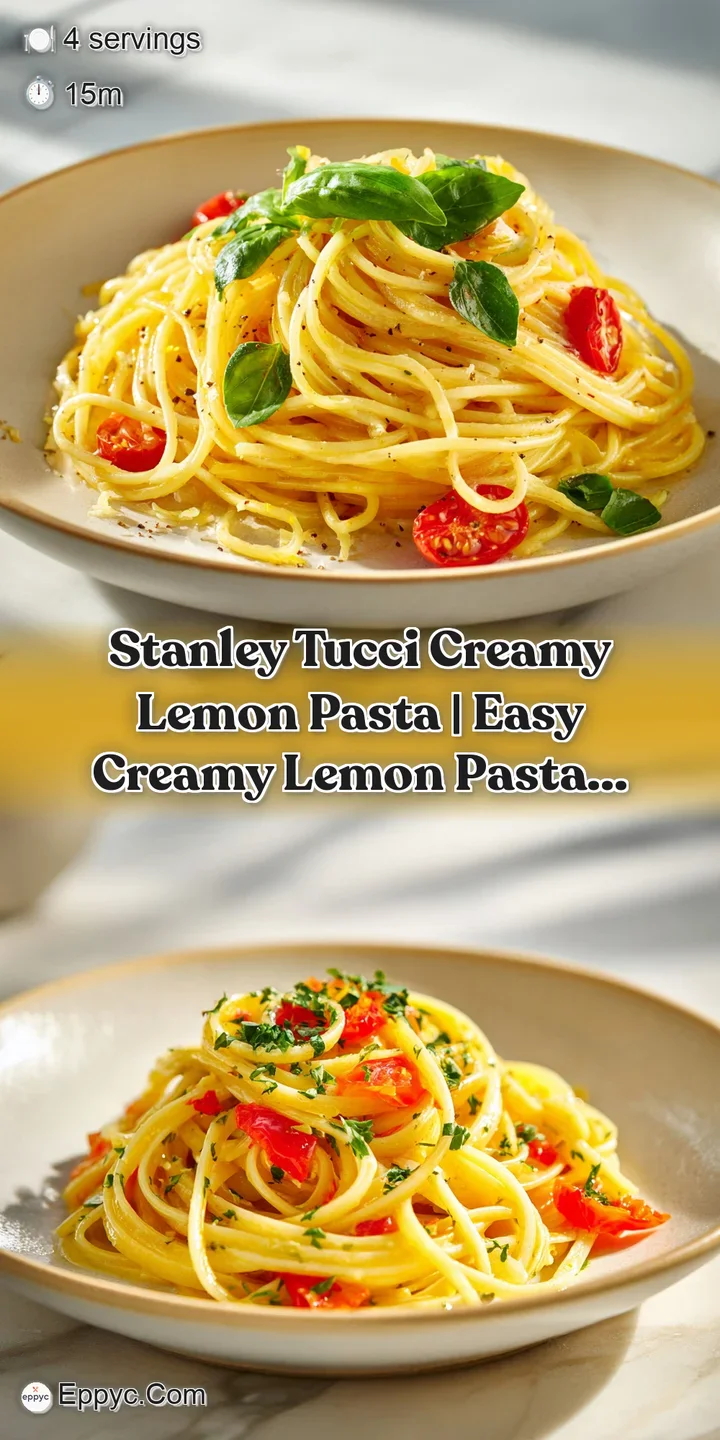
Recipe FAQs
Is it possible to use pre-shredded cheese for this sauce?
No, avoid pre-shredded cheese. It contains anti caking starches that prevent the cheese from melting into a smooth, emulsified sauce.
How to ensure the sauce becomes perfectly glossy?
Reserve 1.5 cups of starchy pasta water and toss aggressively. The combination of the hot pasta, reserved water, and constant movement creates a stable emulsion; if you enjoyed this technique, see how the same principle works in our creamy red potato salad.
What should I do if my pasta is too dry after sitting?
Add a small splash of water over low heat. Toss the pasta gently in a pan until the ricotta mixture relaxes back into a silky consistency.
Is it mandatory to zest the lemons before juicing them?
Yes, always zest first. Zesting a lemon after it has been cut or squeezed is physically difficult and will likely result in damaged skin or wasted zest.
Can I freeze the leftovers of this dish?
No, freezing is not recommended. The ricotta texture becomes unpleasantly grainy and the fresh arugula turns into a dark, unappealing smear.
How to avoid overcooking the pasta?
Cook only until al dente. The pasta continues to soften slightly when tossed with the hot sauce and pasta water, so it should retain a firm bite when drained.
Why is my bowl size important for this recipe?
A large bowl allows for vigorous tossing. You need enough physical space to coat every strand of pasta thoroughly without the ingredients spilling over the sides.
Stanley Tucci Creamy Lemon Pasta
Ingredients:
Instructions:
Nutrition Facts:
| Calories | 695 kcal |
|---|---|
| Protein | 25 g |
| Fat | 27 g |
| Carbs | 89 g |
| Fiber | 4 g |
| Sugar | 3 g |
| Sodium | 420 mg |
