Stuffed Butternut Squash with Sausage
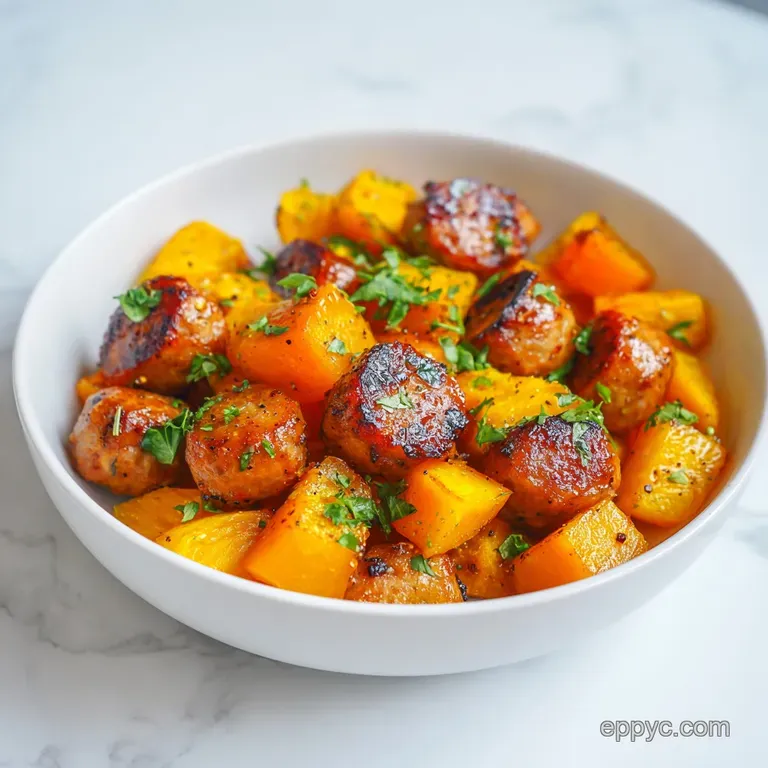
- Time: Active 20 minutes, Passive 45 minutes, Total 65 minutes
- Flavor/Texture Hook: Velvety roasted squash with a crispy, golden pecan and cheddar topping
- Perfect for: Autumn dinner parties, meal prep, or a cozy Sunday night meal
- Master the Ultimate Stuffed Butternut Squash
- The Science of Caramelized Squash Edges
- Classic Versus High Speed Cooking Results
- Essential Components for Balanced Flavor
- Ingredients & Substitutes
- Digital Tools for Kitchen Success
- A Simple Three Step Execution Flow
- Troubleshooting Your Roasted Squash Texture
- Smart Swaps for Dietary Needs
- Storage and Reheating Strategy
- Pairing Suggestions and Presentation Tips
- Recipe FAQs
- 📝 Recipe Card
Master the Ultimate Stuffed Butternut Squash
The kitchen currently smells like a crisp October morning, and honestly, it is the best kind of aromatherapy. There is a specific, heady aroma that happens when fresh sage hits a hot pan of sizzling turkey sausage and diced apples.
It is that "sit down and stay a while" scent that makes everyone wander into the kitchen. We are diving into a dish that is basically autumn on a plate, but with a tech forward approach to ensure we never end up with a soggy mess.
I still remember the first time I attempted a version of this years ago. I thought I could just throw everything into a raw squash and bake it all at once. Big mistake. I ended up with a crunchy, undercooked squash "bowl" filled with dried out meat. It was a texture nightmare.
I have learned since then that the secret lies in the foundation roast, empowering the vegetable to become the star rather than just a container.
Today, we are moving past those basic kitchen blunders. We are using digital precision like checking internal temps and using specific roasting times to create something truly special.
This is the kind of heartfelt cooking that bridges the gap between a simple weeknight meal and a dinner party showstopper. You get the sweetness of the roasted squash, the savory punch of the sausage, and that satisfying shatter from the toasted pecans.
The Science of Caramelized Squash Edges
Starch Transformation: over High heat roasting converts the complex starches in the butternut squash into maltose, creating a natural sweetness that pairs with savory sausage. This Maillard reaction provides the deep mahogany color and complex flavor profile that raw or steamed squash lacks.
Acidic Balance: Adding apple cider vinegar at the end of the sauté process breaks down the heavy fats from the sausage and cheese. This ensures the flavor remains vibrant on the palate rather than feeling overly weighed down by the richness of the squash.
Moisture Management: Scoring the flesh before the initial roast allows steam to escape and olive oil to penetrate deep into the fibers. This prevents the "steaming" effect, ensuring a velvety texture rather than a watery one.
Classic Versus High Speed Cooking Results
| Method | Total Time | Texture Result | Best Use Case |
|---|---|---|---|
| Classic Oven Roast | 65 minutes | Deep caramelization, tender flesh | Best for flavor depth and weekend hosting |
| Air Fryer Hybrid | 35 minutes | Crispy edges, slightly firmer center | Great for quick weeknight meal prep |
| Microwave Start | 25 minutes | Soft and pale, lacks browning | Only for emergency time crunched nights |
Finding the right balance between speed and quality is vital. If you are looking for a complete seasonal menu, this squash pairs beautifully with a Winter Salad Recipe to add some fresh, raw crunch to the table. The contrast between the warm, roasted elements and the cold, tart greens is exactly what a modern dinner needs.
Essential Components for Balanced Flavor
| Component | Science Role | Pro Secret |
|---|---|---|
| Butternut Squash | Structural Base & Sugar Source | Choose squashes with long necks; they have more usable flesh and fewer seeds. |
| Lean Turkey Sausage | Protein & Umami Foundation | Use a digital meat thermometer to ensure it hits 74°C without drying out the lean meat. |
| Honeycrisp Apples | Texture & Acidity | Dice them small (0.5 cm) so they soften slightly but retain a distinct "snap" in the bite. |
| Sharp White Cheddar | Fat & Emulsification | Grate your own from a block to avoid anti caking agents that prevent a silky melt. |
Ingredients & Substitutes
- 3 Medium Butternut Squashes (approx. 900g each): The foundation of the dish. Why this? Provides the perfect ratio of sweet flesh to savory filling for six people.
- Substitute: Acorn squash (use 4-6 smaller ones).
- 2 tbsp Extra Virgin Olive Oil: For roasting and sautéing.
- Substitute: Avocado oil for a higher smoke point.
- 1 tsp Smoked Paprika: Adds a hint of "fire roasted" depth.
- Substitute: Liquid smoke (2 drops) mixed with regular paprika.
- 1 lb Lean Turkey or Chicken Sausage: The savory heart of the filling.
- Substitute: Ground pork or a plant based sausage crumble.
- 2 large Honeycrisp or Granny Smith apples: Adds tartness. Why this? These varieties hold their shape under heat and don't turn into mush.
- Substitute: Pink Lady or Fuji apples.
- 1 small Yellow Onion: Provides the aromatic base.
- Substitute: 2 large shallots for a milder, sweeter flavor.
- 3 cloves Garlic: Infuses the sausage with depth.
- Substitute: 1 tsp garlic powder in a pinch.
- 2 cups Finely Ribboned Lacinato Kale: For color and nutrients.
- Substitute: Baby spinach (add at the very last second).
- 0.5 cup Dried Cranberries: For chewy, tart bursts of flavor.
- Substitute: Dried cherries or golden raisins.
- 1 tbsp Fresh Sage & 1 tsp Thyme: The essential "autumn" herb profile.
- Substitute: 1.5 tsp dried poultry seasoning.
- 0.5 cup Toasted Pecans: Provides the essential "shatter" texture.
- Substitute: Walnuts or pumpkin seeds (pepitas).
- 0.5 cup Sharp White Cheddar or Gruyère: The salty finish.
- Substitute: Nutritional yeast for a dairy-free version.
- 1 tbsp Apple Cider Vinegar: To brighten the entire profile.
- Substitute: Fresh lemon juice.
Digital Tools for Kitchen Success
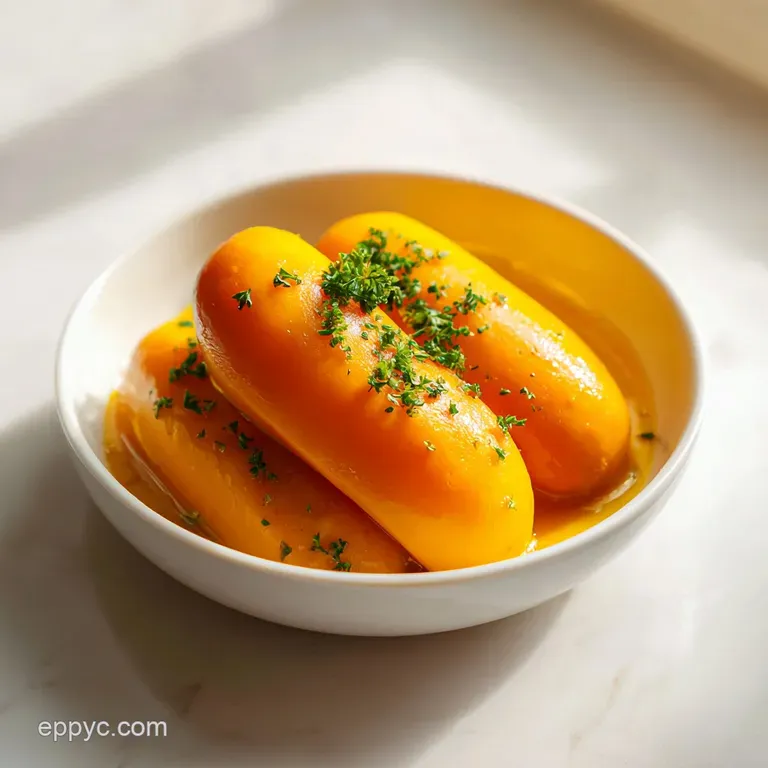
For this recipe, I highly recommend using a digital kitchen scale to ensure your squash are roughly the same size, which guarantees even roasting. A heavy duty rimmed baking sheet (like a half sheet pan) is necessary to catch any juices and allow for proper air circulation.
I also find that a sharp Y peeler is useless here because we are roasting in the skin, but a sturdy metal spoon is your best friend for scraping out seeds. If you have a digital probe thermometer, use it to check the thickest part of the squash neck; it should glide through at about 93°C for that perfectly velvety texture.
A Simple Three Step Execution Flow
Phase 1: The Foundation Roast
- Preheat your oven to 200°C (400°F).
- Prep the 3 Medium Butternut Squashes by halving them and removing seeds. Score the flesh in a diamond pattern. Note: This increases surface area for caramelization.
- Rub with 1 tbsp olive oil, 1 tsp sea salt, 0.5 tsp pepper, and 1 tsp smoked paprika.
- Roast cut side down for 40 minutes until the skin is blistered and the flesh is tender.
Phase 2: Sautéing the Filling
- Brown 1 lb turkey sausage in a large skillet over medium high heat with the remaining olive oil until no pink remains and it sizzles.
- Add the chopped yellow onion and 2 diced apples. Cook for 5 minutes until the onions are translucent and the apples soften slightly.
- Stir in 3 cloves minced garlic, 1 tbsp fresh sage, and 1 tsp thyme. Cook for 1 minute until fragrant.
- Deglaze the pan with 1 tbsp apple cider vinegar, scraping up any browned bits from the bottom.
Phase 3: Final Assembly and Melt
- Toss in 2 cups ribboned kale, 0.5 cup cranberries, and 0.5 cup toasted pecans. Stir until the kale is wilted and vibrant green.
- Stuff the roasted squash halves generously with the filling. Top with 0.5 cup shredded cheddar.
- Bake for an additional 5-8 minutes until the cheese is bubbling and golden.
Troubleshooting Your Roasted Squash Texture
For a Watery Squash Base
If your squash seems to be swimming in liquid after the first roast, it is usually because the squash had high water content or was under seasoned. Salt helps draw out moisture during the roasting process so it can evaporate.
| Problem | Root Cause | Solution |
|---|---|---|
| Soggy Bottoms | Squash steamed in its own juices | Roast cut side down on a wire rack or ensure the pan isn't overcrowded. |
| Filling is Dry | Sausage was overcooked before stuffing | Add a splash of chicken broth or apple cider to the skillet before stuffing. |
| Burnt Topping | Pecans/Cheese too close to heating element | Move the oven rack to the middle position and watch closely during the last 5 minutes. |
Common Mistakes Checklist
- ✓ Never skip the initial roast; raw squash will not cook through once the filling is added.
- ✓ Pat the sausage dry before hitting the pan to ensure it sears rather than steams.
- ✓ Don't over process the kale; ribboning it thinly ensures it integrates into the filling.
- ✓ Check the "neck" of the squash for doneness, as it is denser than the bulbous seed area.
- ✓ Let the stuffed squash rest for 5 minutes before serving to allow the juices to redistribute.
Smart Swaps for Dietary Needs
When you need to adjust this recipe for a crowd, the scaling is quite simple. If you are cutting the recipe in half, use one large squash and half a pound of meat. If you are doubling it for a big harvest party, work in batches for the sauté phase to avoid crowding the pan, which leads to steaming instead of browning.
For a completely different vibe, you might want to try my MaplePecan Baked Acorn recipe which leans more into the dessert adjacent side of the squash family. However, for a savory main, the turkey sausage version we are making today is the gold standard.
The Low Carb Adjustment
If you want to reduce the sugar content, swap the dried cranberries for fresh ones (sautéed with the apples) and use a granny smith apple specifically for its lower sugar profile. You can also increase the kale to 4 cups to add more bulk without adding carbohydrates.
The Plant Based Swap
To make this entirely vegetarian or vegan, swap the sausage for a mix of cooked lentils and chopped mushrooms (cremini work best). Use a vegan feta or a sprinkle of nutritional yeast instead of the cheddar. The mushrooms provide that essential umami that makes the dish feel substantial.
Storage and Reheating Strategy
Storage: These keep beautifully in the fridge for up to 4 days. Store them in an airtight container once they have cooled to room temperature. The flavors actually deepen over time as the sage and thyme infuse into the squash flesh.
Freezing: I don't recommend freezing the fully assembled dish as the squash can become quite mushy upon thawing. However, you can freeze the sausage and apple filling for up to 3 months. When ready to eat, just roast a fresh squash and top with the thawed filling.
Zero Waste Tip: Don't toss those seeds! Clean them, toss them with a bit of the smoked paprika and sea salt, and roast them at 160°C for 15 minutes. They make a fantastic crunchy snack or a topping for a future salad.
Pairing Suggestions and Presentation Tips
To really make this meal feel complete, serve it alongside some hearty bread. I am a huge fan of how a Pioneer Woman Garlic Bread recipe works here; the buttery, garlicky crunch is the perfect tool for scooping up every last bit of the roasted squash.
To Achieve Caramelized Mahogany Edges
When you are doing the initial roast, don't be afraid of the dark brown spots. That is where the flavor lives. If your oven has a convection setting, use it for the last 10 minutes of the squash roast to really drive off the surface moisture.
For Maximum Flavor Depth
Always toast your pecans before adding them to the mix. It only takes 5 minutes in a dry pan, but it changes the flavor from "raw nut" to "toasted buttery goodness." It is a small step that distinguishes a good cook from a great one.
Debunking Squash Myths
One common misconception is that you need to peel the butternut squash before stuffing it. You absolutely don't! The skin acts as a natural bowl that holds everything together. Once roasted, the flesh pulls away from the skin easily with a fork, making for a much cleaner presentation and less prep work for you.
Another myth is that turkey sausage is always dry. By sautéing it with the moisture rich apples and onions, we are essentially "self basting" the meat, keeping it succulent and flavorful without the high fat content of pork.
Trust the process, and let technology and technique do the heavy lifting in your kitchen today.
Recipe FAQs
What spices pair well with butternut squash?
Sage, thyme, and smoked paprika are ideal. These warm, earthy herbs complement the squash's natural sweetness beautifully. Adding a touch of cayenne offers a nice heat contrast to the richness.
Can you make stuffed butternut squash ahead of time?
Yes, the filling can be made up to 48 hours in advance. Sauté the sausage, apple, and aromatics mixture and store it covered in the refrigerator. Only stuff and top the pre-roasted squash halves right before the final bake.
What are the best apples for sausage filling?
Honeycrisp or Granny Smith apples are recommended. You need varieties that hold their shape during cooking and offer high acidity to cut through the richness of the sausage and cheese. If you're enjoying this flavor profile, you might also appreciate the structure and tartness balance in our Apple Pastry recipe.
What to eat with apple sausage filling?
A simple bitter green salad or roasted Brussels sprouts pair excellently. The squash is rich, so you need something fresh and slightly bitter to balance the plate. For a heartier side, try our classic recipe for Stuffed Bell Peppers recipe if you want more savory substance.
How do I prevent the squash from getting watery during roasting?
Score the flesh and roast cut-side down initially. Scoring creates fissures for steam to escape, preventing the flesh from collapsing inward and holding excessive moisture. Also, ensure you salt the flesh before the initial roast to draw out some water content.
Is it true that I must use the same type of squash for even cooking?
No, this is a common misconception, but size matters more than shape. For even cooking, all squash halves should be as close to the same size as possible, regardless of whether you use butternut or acorn squash. Use a digital scale to portion them if necessary.
How do I ensure my squash flesh is perfectly velvety, not hard?
Test doneness with a digital probe thermometer at 93°C (200°F). The flesh must yield completely when poked; if you feel resistance, continue roasting until the internal temperature is reached.
Mastering sensory doneness cues like this applies to many roasting applications, similar to how we check internal temperature in a roast chicken.
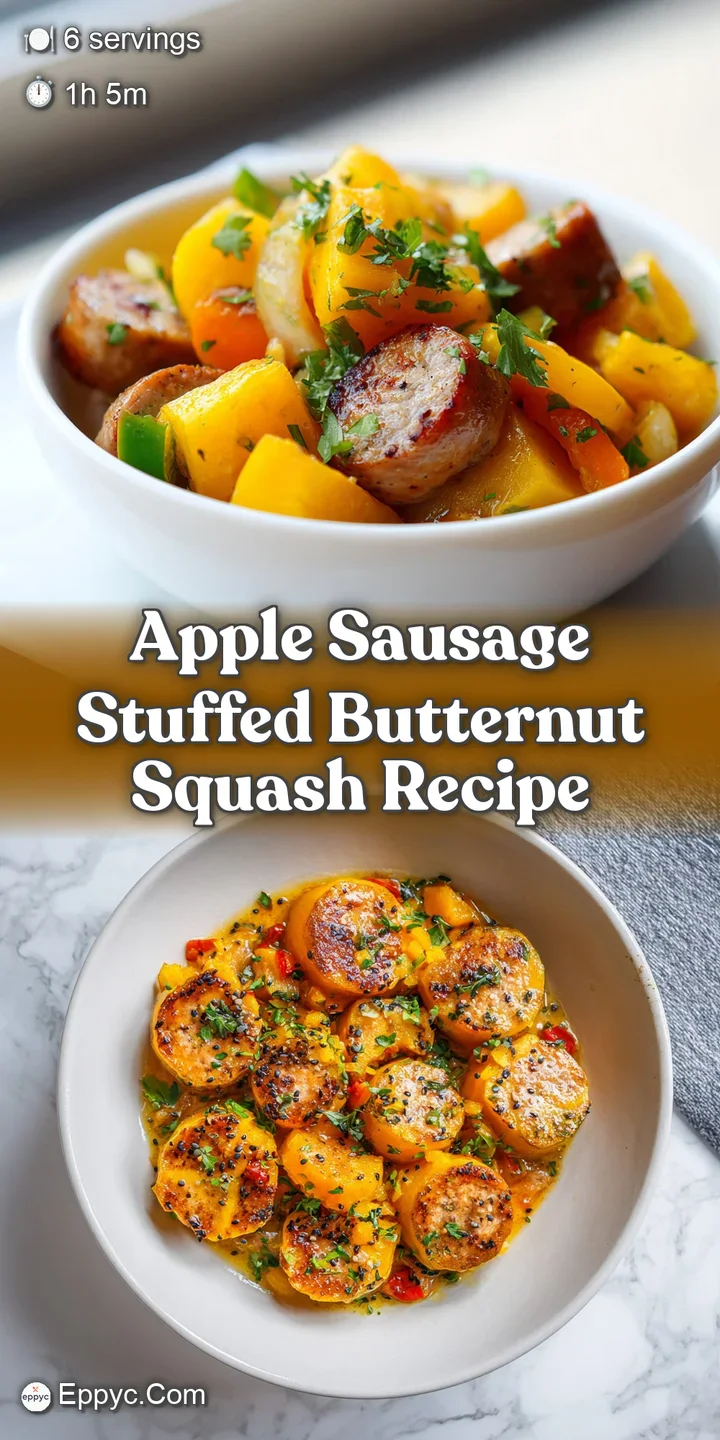
Stuffed Butternut Squash Recipe

Ingredients:
Instructions:
Nutrition Facts:
| Calories | 568 kcal |
|---|---|
| Protein | 23 g |
| Fat | 26 g |
| Carbs | 74 g |
| Fiber | 12 g |
| Sugar | 27 g |
| Sodium | 795 mg |
