Turkey Brine: Concentrated Aromatic
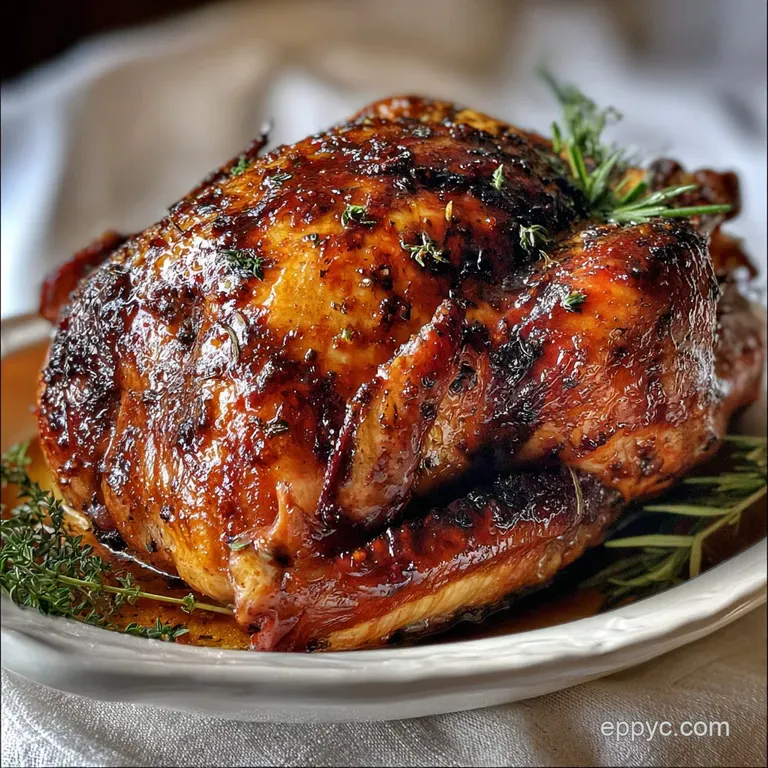
- Time: Active 15 minutes, Passive 10 minutes, Total 25 minutes
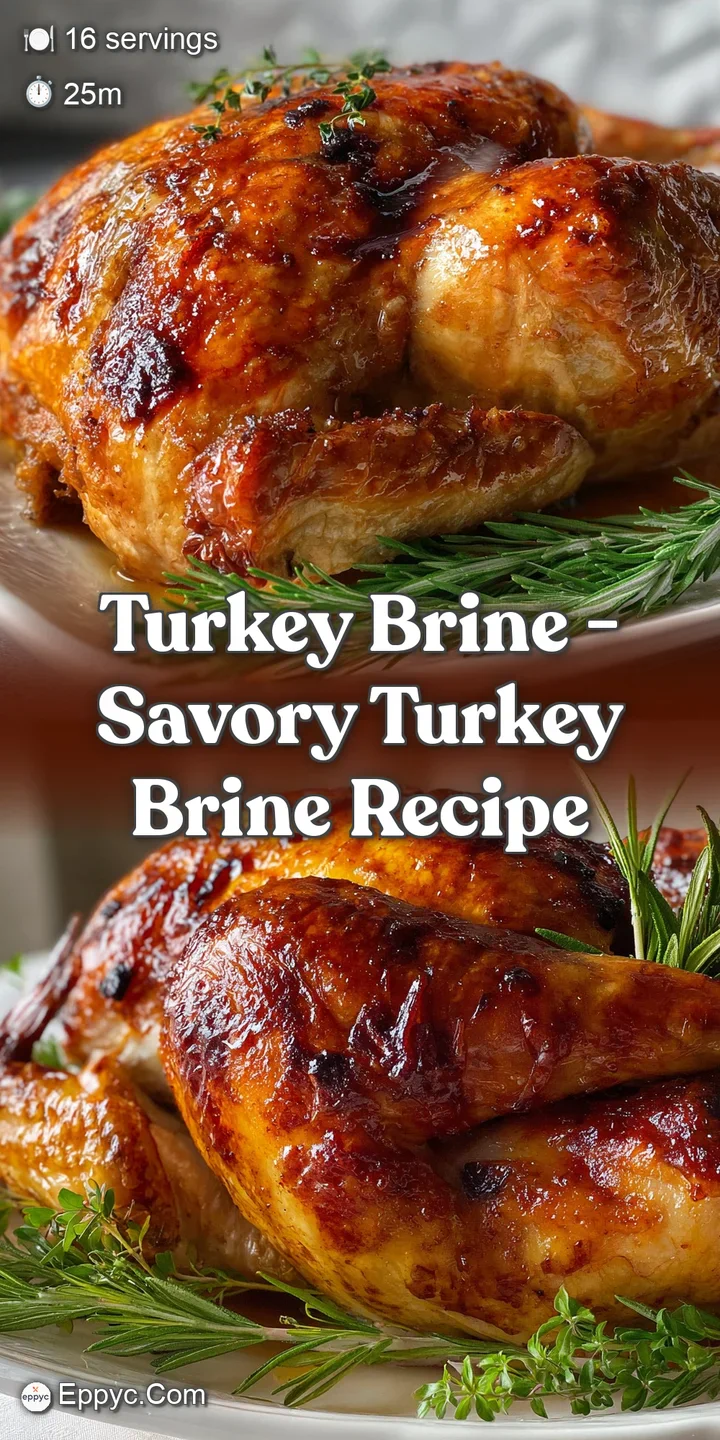
- Flavor/Texture Hook: Succulent meat with shatter crisp skin and hints of citrusy warmth.
- Perfect for: High stakes holiday hosting where "good enough" isn't an option.
- Achieve the Juiciest Holiday Bird with this Turkey Brine
- The Precision Science of a Successful Turkey Brine
- Optimized Time and Temperature Control for Planning
- Component Breakdown for Maximum Aromatic Infusion
- Digital and Hardware Requirements for Bird Submersion
- Step by Step Execution for Flavor Saturation
- Mitigating Risks and Fixing Brining Failures
- Customizing the Formula for Specialized Health Needs
- Long Term Storage and Food Safety Protocols
- Strategic Menu Coordination for Your Main Course
- Very High in Sodium
- Turkey Brine FAQs
- 📝 Recipe Card
Achieve the Juiciest Holiday Bird with this Turkey Brine
Ever wonder why Grandma's turkey was always a total coin flip between "okay" and "literal cardboard"? I've lived that stress, staring through the oven glass, praying the breast meat wouldn't dry out before the thighs hit temperature.
The solution isn't a fancier oven or more butter; it's about building a digital age strategy for moisture. That's where a high performance turkey brine comes in.
This isn't just a bucket of salty water. It’s a targeted aromatic delivery system. By boiling a concentrated "tea" of peppercorns, allspice, and halved garlic, we unlock the volatile oils that usually just sit on the surface. We're talking about a bird that actually tastes like rosemary and orange, not just salt.
If you've been burned by dry poultry before, this is the heartfelt pivot your holiday menu needs.
The curiosity usually starts with the "why." Why bother with the bucket and the ice? Because we’re using technology in this case, basic physics to force flavor where it naturally doesn't want to go. When you pull that bird out of the liquid, it's visibly heavier.
That extra weight is seasoned moisture that stays trapped inside while the skin roasts to a beautiful, mahogany finish. Let's empower your kitchen skills and get this right.
The Precision Science of a Successful Turkey Brine
Before we get into the bucket, we need to understand the molecular "how" of this process. It isn't just soaking; it's an active exchange between the liquid and the protein fibers.
- Osmotic Pressure: Salt concentrations naturally seek equilibrium, pulling the seasoned liquid deep into the cellular structure of the meat.
- Protein Denaturation: The saline solution gently unravels tightly wound muscle fibers, creating tiny "pockets" that trap moisture during the heat of roasting.
- Aromatic Solubility: Heat extracting oils from 1 tbsp allspice berries and 2 tbsp whole black peppercorns ensures those flavors are small enough to travel with the water into the bird.
| Method | Total Time | Resulting Texture | Best For |
|---|---|---|---|
| Classic Wet Brine | 12-24 hours | Plump, velvety, and exceptionally juicy | Traditional whole birds over 12 lbs |
| Fast "Concentrate" Brine | 4-6 hours | Well seasoned but slightly less moisture gain | Turkey breasts or smaller 10 lb birds |
| Dry Brining | 24-48 hours | Very crispy skin, denser meat texture | Smaller fridges with limited space |
The wet brine remains the gold standard for that classic, "gushing with juice" experience we want at the table. While it takes up more room in the fridge, the results are objectively more forgiving if you accidentally overshoot your pull temperature by a few degrees.
Optimized Time and Temperature Control for Planning
In my early days, I'd just wing it, but as an enthusiastic innovator, I've learned that precision wins. Using a digital kitchen scale for your 400g of Kosher salt is way more reliable than a measuring cup, especially since salt grain sizes vary wildly between brands.
If you're using a fine table salt instead of Kosher, you'll end up with an inedible salt lick always stick to the weight if you can.
The timeline is your best friend here. You need to plan for the "chill down." Adding a hot brine to a raw turkey is a recipe for a food safety disaster. That’s why we use 1 gallon cold water and 2 lbs ice to crash the temperature instantly.
It’s about being smart with your time so you aren't waiting three hours for a pot to cool on the counter while your bird sits out.
Component Analysis
| Ingredient | Science Role | Pro Secret |
|---|---|---|
| 1.5 cups Kosher salt | Denatures proteins and drives osmosis | Use Diamond Crystal for the most consistent "bloom" in water. |
| 1 cup Brown sugar | Counteracts salt harshness and aids browning | The molasses adds a deeper, mahogany color to the roasted skin. |
| 2 Large oranges | Provides acidity and bright citrus notes | Quarter them and squeeze the juice into the pot before dropping the rinds in. |
Component Breakdown for Maximum Aromatic Infusion
When gathering your elements, think of this as a flavor foundation. I once made the mistake of using "poultry seasoning" from a dusty jar. Never again. Fresh sprigs of rosemary and thyme are non negotiable for that aromatic hit that makes your house smell like a Five Star bistro.
- 1.5 cups Kosher salt (400g): The engine of the entire process. Why this? Essential for moisture retention and deep seasoning of the meat.
- 1 cup brown sugar, packed (200g): For the Maillard reaction. Why this? Encourages a beautiful brown skin without making the meat taste "sweet."
- 4 cups vegetable broth: Added depth. Why this? Provides a savory base that water alone lacks.
- 1 head garlic, halved: High tech flavor. Why this? Exposing the cloves ensures the maximum amount of allicin enters the brine.
- 5 dried bay leaves: Herbal complexity. Why this? Adds a subtle, tea like floral note that rounds out the spices.
For the liquid components, we’re using a mix of 4 cups water, 4 cups vegetable broth, and finally, 1 gallon cold water plus 2 lbs ice for the cooling phase. The 1 tbsp allspice berries and 2 tbsp whole black peppercorns provide that classic holiday warmth that pairs so well with the 3 sprigs fresh rosemary and 5 sprigs fresh thyme.
Digital and Hardware Requirements for Bird Submersion
Don't just grab any old bucket. I once tried to use a stock pot that was just a little too small, and I ended up with a turkey tail sticking out like a shark fin. Not ideal. You need a dedicated brining bag or a 5 gallon food grade bucket.
If you're tight on fridge space, a high-quality insulated cooler (like a Yeti or Coleman) works brilliantly. Just make sure you sanitize it first. Using technology like a dual probe thermometer will allow you to monitor the internal temperature of the bird and the ambient temperature of the brine simultaneously.
This ensures you stay below the 40°F safety zone throughout the long soak.
step-by-step Execution for Flavor Saturation
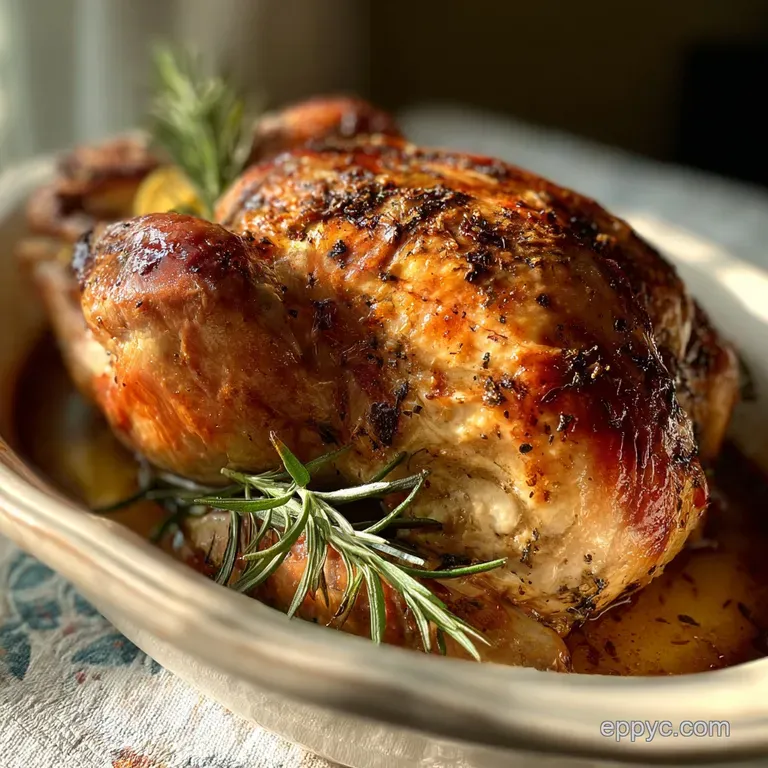
- Simmer the base. Combine 4 cups water, vegetable broth, salt, and brown sugar in a large pot. Note: This creates a super saturated solution that extracts flavors quickly.
- Infuse aromatics. Add peppercorns, allspice, garlic, bay leaves, rosemary, and thyme until the liquid begins to steam and smell fragrant.
- Extract citrus. Squeeze the orange quarters into the pot and drop them in. Note: The oils in the zest are just as important as the juice.
- Dissolve completely. Stir for 5 minutes over medium heat until no salt grains are visible at the bottom.
- Prepare the cooling bath. Place 1 gallon cold water and 2 lbs ice into your brining container.
- Combine and crash. Pour the hot aromatic concentrate into the ice water until the ice mostly melts and the liquid is cold to the touch.
- Submerge the turkey. Remove the giblets and neck, then lower the bird into the liquid until it is completely covered.
- Secure and weigh. If the bird floats, place a heavy ceramic plate on top until it stays fully submerged.
- Refrigerate and wait. Let it soak for 12 to 24 hours. Note: Don't exceed 24 hours or the meat can become mushy.
- Rinse and dry. Remove the bird, rinse with cold water, and pat it bone dry with paper towels until the skin feels tacky, not slippery.
Mitigating Risks and Fixing Brining Failures
One of the biggest hurdles is the "soggy skin" syndrome. Because we’re pumping the bird full of water, that moisture wants to steam the skin from the inside out. To fix this, you must pat the bird dry I mean really dry and let it sit uncovered in the fridge for an hour before roasting.
This allows the skin to air dry, which is the secret to that "shatter" crunch.
Why Your Turkey Skin is Rubbery
This usually happens because the skin was still damp when it hit the oven. If you don't rinse the salt off the surface, it can also draw moisture to the skin during the first hour of cooking, preventing it from crisping. Always rinse and then dry thoroughly.
What if I forgot to start the brine 24 hours ago?
Don't panic. You can do a "Quick Brine" by doubling the salt concentration and brining for only 3-4 hours. It won't penetrate as deep into the breast, but it's a massive improvement over no brine at all.
| Problem | Root Cause | Solution |
|---|---|---|
| Meat is too salty | Brined for longer than 24 hours | Soak the bird in plain cold water for 30 minutes to "reverse" some salt. |
| Skin won't brown | Too much residual sugar on the skin | Rinse the bird more thoroughly and brush with melted butter before roasting. |
| Brine is still warm | Didn't use enough ice | Add more ice immediately; never put the turkey in liquid above 40°F. |
Common Mistakes Checklist
- ✓ Always remove the "giblet bag" from the cavity before brining.
- ✓ Sanitize your sink or bucket thoroughly after the bird comes out.
- ✓ Use a heavy weight to keep the bird from bobbing above the liquid line.
- ✓ Don't salt your stuffing or gravy until the very end; the drippings will already be seasoned.
- ✓ Check the internal temperature early; brined birds often cook 10-15% faster.
Customizing the Formula for Specialized Health Needs
If you're managing a household with specific dietary requirements, you can still pull off a great bird. For a Keto friendly version, simply swap the brown sugar for a monk fruit erythritol blend. It provides the same browning properties without the glycemic spike.
When scaling this recipe down for just a turkey breast, reduce the salt and water by half, but keep the aromatics (garlic and herbs) the same. Smaller cuts have less surface area, so the flavor needs to be just as punchy. Use a smaller pot or even a heavy duty gallon sized freezer bag to save space.
Long Term Storage and Food Safety Protocols
You can actually make the brine concentrate (steps 1-4) up to three days in advance and keep it in a sealed jar in the fridge. This is a game changer for Thanksgiving morning when stovetop space is at a premium. Just remember to add the cold water and ice right before you're ready to soak the bird.
Leftover turkey from a brined bird is particularly good because it stays moist even after reheating. I highly recommend using the remains for a Turkey Ala King recipe — the velvety sauce perfectly complements the seasoned meat. Store leftovers in an airtight container for up to 4 days or freeze for up to 3 months. To reheat, add a splash of broth to the pan to maintain that hard earned juiciness.
Strategic Menu Coordination for Your Main Course
A bird this juicy needs sides that can handle the spotlight. I love pairing this with a sharp, cranberry orange relish to cut through the richness. Since the turkey will have subtle notes of allspice and rosemary, avoid sides that are overly sweet.
A savory sourdough stuffing or roasted root vegetables are the way to go.
If you're looking for a different approach for next time, you might want to compare this to a different Brine Turkey Recipe that focuses more on apple cider bases. But for a classic, foolproof result that empowers you to be the hero of the holiday, this aromatic wet brine is the heartfelt choice.
Myths About Brining
- Myth: Brining "seals in" juices. Truth: It actually changes the protein structure to hold more liquid; nothing is "sealed," it's just chemically held in place.
- Myth: You don't need to season the outside of a brined bird. Truth: While the meat is seasoned, the skin still needs a rub of butter and perhaps some cracked pepper for that final flavor punch.
- Myth: Any salt will do. Truth: Table salt is twice as "salty" by volume as Kosher salt. If you use table salt 1:1, you will ruin your dinner. Always measure by weight if switching salt types.
Very High in Sodium
940 mg mg of sodium per serving (41% % of daily value)
The American Heart Association recommends limiting sodium intake to about 2,300mg per day for most adults.
Tips to Reduce Sodium in Your Brine
-
Low-Sodium Broth-30%
Replace the regular vegetable broth with a low-sodium or no-sodium vegetable broth. This simple swap can significantly reduce the sodium content.
-
Reduce Kosher Salt-25%
Consider reducing the amount of Kosher salt by 25% to 50%. Taste the brine before adding the full amount to ensure the flavor remains balanced. You can start with using just under 1 cup.
-
Dilute with Water-15%
Increase the ratio of water to broth. For instance, use 6 cups of water and 2 cups of broth. This will dilute the sodium concentration without drastically affecting the overall flavor.
-
Enhance with Citrus-10%
Increase the amount of oranges (or add other citrus fruits like lemons or limes). The acidity can enhance the flavor, allowing you to use less salt without sacrificing taste.
-
Flavor Boost
Experiment with additional herbs and spices to enhance flavor without adding sodium. Consider adding more fresh rosemary, thyme, or even a pinch of red pepper flakes.
Turkey Brine FAQs
What is the best thing to brine your turkey in?
A large, food safe container like a 5-gallon bucket or a brining bag. Ensure it's big enough to fully submerge the turkey. If fridge space is limited, a clean, insulated cooler works too.
What are the three core ingredients in a basic turkey brine?
Water, salt, and sugar are the essential base. Water is the solvent, salt draws moisture into the meat via osmosis and denatures proteins, while sugar helps with browning and balances the saltiness.
What makes a good homemade turkey brine recipe?
A good homemade brine balances salt, sugar, and aromatics. Aim for roughly 1 cup of Kosher salt and 1/2 cup of brown sugar per gallon of water, plus herbs, garlic, citrus, and spices like peppercorns and allspice for depth.
Do you rinse turkey after brining?
Yes, always rinse the turkey after brining. This removes excess surface salt and any loose aromatics. After rinsing, pat the turkey thoroughly dry to ensure crispy skin during roasting.
Can I use table salt instead of Kosher salt for turkey brine?
No, it's best to stick with Kosher salt or measure table salt by weight. Table salt is much finer and about twice as "salty" by volume as Kosher salt. Using it 1:1 will make your brine far too salty and inedible.
How long should I brine a turkey?
For whole turkeys, 12 to 24 hours is ideal. Shorter times work for turkey parts or smaller birds. Over brining, especially beyond 24 hours, can lead to mushy meat textures.
What's the science behind how brining works?
Brining utilizes osmosis and protein denaturation. The salt in the brine creates a concentration gradient, pulling the seasoned liquid into the muscle fibers. It also gently unravels the protein structures, allowing them to hold more moisture during cooking.
Turkey Brine
Ingredients:
Instructions:
Nutrition Facts:
| Calories | 28 kcal |
|---|---|
| Protein | 0.3 g |
| Fat | 0.2 g |
| Carbs | 6.2 g |
| Fiber | 0.4 g |
| Sugar | 5.1 g |
| Sodium | 940 mg |
