Turkey Dressing: Shatter Crisp Sourdough
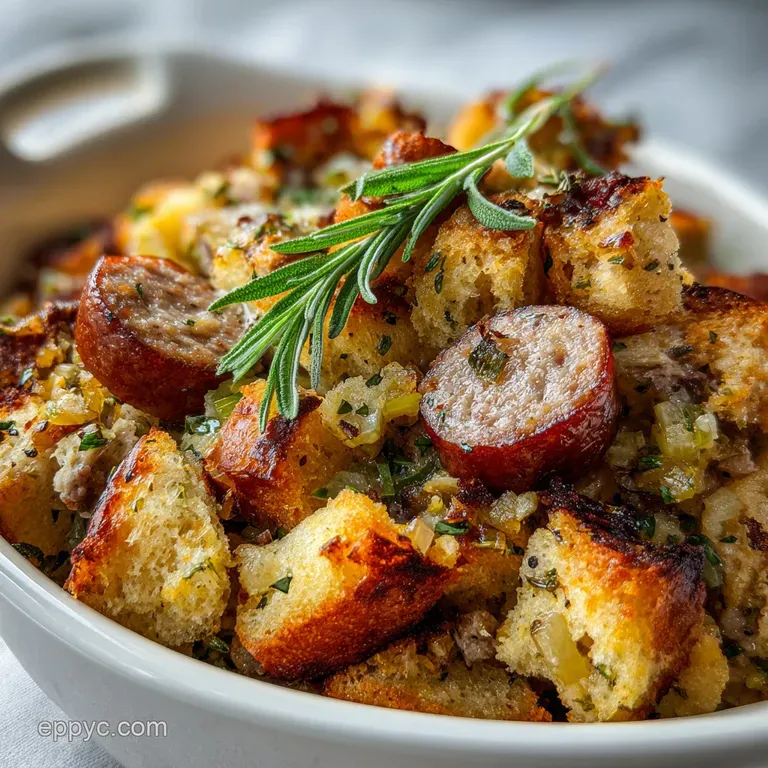
- Time: Active 30 minutes, Passive 45 minutes, Total 1 hours 15 mins
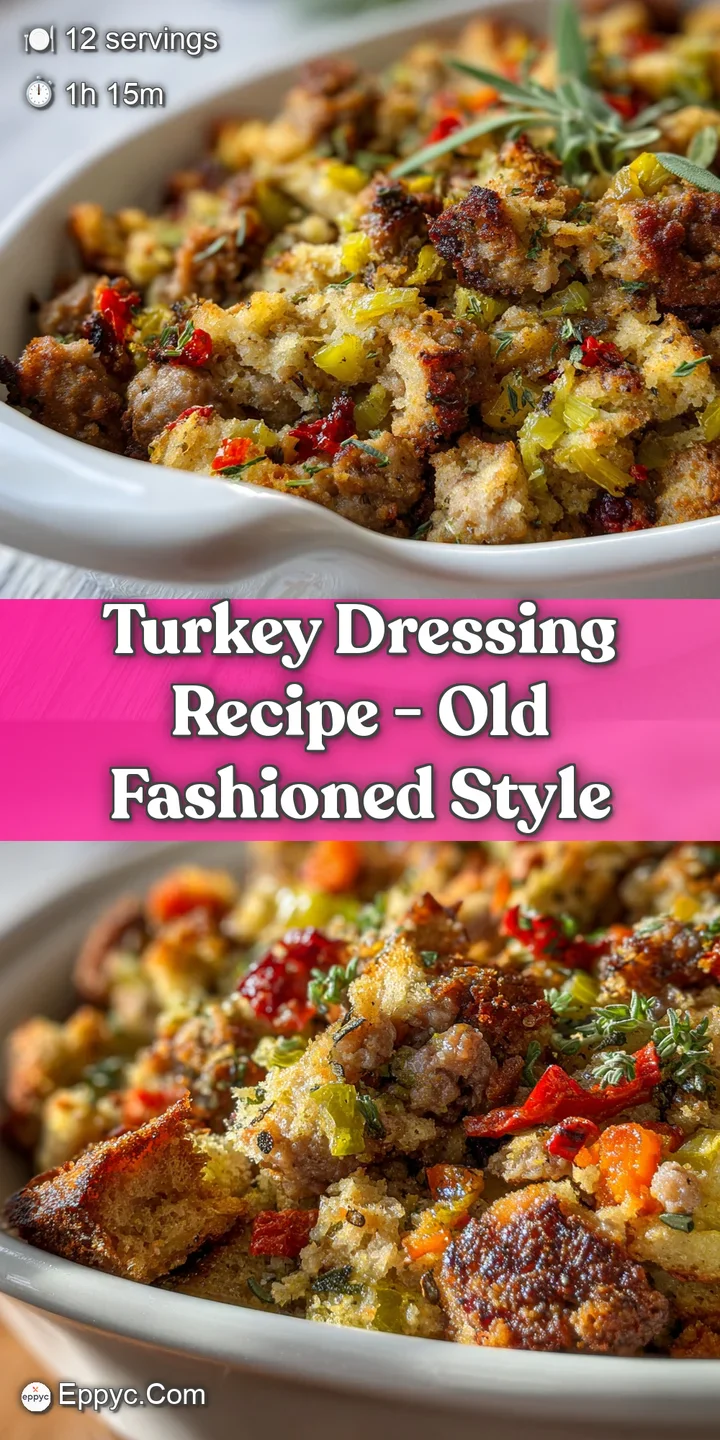
- Flavor/Texture Hook: Shatter crisp sourdough crust with a silky, herb infused center
- Perfect for: Stress free holiday hosting or budget-friendly Sunday roasts
- Crafting the Best Turkey Dressing Recipe
- Why This Texture Stays Perfect
- Essential Timing and Yield Data
- Selecting high-quality Pantry Elements
- Necessary Tools for Success
- Executing Each Cooking Step
- Solving Common Texture Issues
- Creative Seasonal Flavor Adaptations
- Saving Every Last Morsel
- Pairing Your Savory Side
- Turkey Dressing Recipe FAQs
- 📝 Recipe Card
Crafting the Best Turkey Dressing Recipe
The first time I tried making a traditional dressing, I followed a generic box instruction and ended up with something that looked more like savory gray pudding than a side dish. It was a disaster, honestly.
But then, I heard that sizzle of pork sausage hitting a hot skillet and smelled the earthy, piney aroma of fresh sage hitting the fat, and I knew I had to figure out the technology of the perfect bake.
We’ve all been there, staring at a soggy mess, but once you master the balance of moisture and structure, your holiday game changes forever.
We’re going to use sourdough for this turkey dressing recipe because its natural tang and sturdy crumb can handle the broth without collapsing. This isn't just about throwing things in a bowl, it's about empowering you to use what’s in your pantry to create something heartfelt.
We are swapping the standard yellow onions for leeks to get a more sophisticated, mellow sweetness that doesn't overpower the herbs. It’s a small digital age tweak to a classic that makes a massive difference in the final flavor profile.
This guide is designed to be your digital companion, walking you through the exact moments when the bread is "just right" and how to tell if your custard base has set properly. We've focused on budget friendly wins, like using leeks and celery hearts, which often get tossed but hold the most flavor.
You won’t find any complicated "chef only" jargon here, just practical, real world advice that works every single time you preheat that oven.
Why This Texture Stays Perfect
The Starch Gelatinization Factor: Sourdough’s high protein content creates a stronger "mesh" that holds its shape when liquid is added, preventing that dreaded mushy texture.
The Emulsion Bond: Whisking the eggs into the warm broth creates a light custard that binds the bread cubes together, resulting in a lift that mimics a savory soufflé.
The Fat Infusion: Rendering the pork sausage fat first allows it to coat the bread, creating a moisture barrier that keeps the inside tender while the outside crisps up.
The Allium Synergy: Using leeks instead of onions provides a higher sugar content which caramelizes faster, adding deep golden notes and a silky mouthfeel to every forkful.
| Method | Time | Texture | Best For |
|---|---|---|---|
| Oven Baked | 45 minutes | Crispy top, moist middle | Traditional holiday texture |
| Slow Cooker | 4 hours | Uniformly soft and pudding like | Saving oven space |
| Stovetop Finish | 25 minutes | Crumbly and very browned | Quick weeknight meals |
Choosing your method depends entirely on your available technology in the kitchen. If you are tight on space, you might find the Crockpot Dressing recipe more convenient, but for that specific "shatter" on the top layer, the oven is your best friend. The oven method allows the Maillard reaction to work its magic across the entire surface area of the bread cubes.
Essential Timing and Yield Data
| Component | Science Role | Pro Secret |
|---|---|---|
| Sourdough (450g) | Structural Base | Use bread that feels like a rock; stale is better than fresh. |
| Pork Sausage (450g) | Umami & Fat | Don't drain the fat that's where the liquid gold lives. |
| Leeks (2 large) | Flavor Depth | Only use the white and light green parts for a velvety finish. |
| Eggs (2 large) | Protein Binder | Beat them until no streaks remain to ensure a smooth "lift." |
The key to this turkey dressing recipe is the interaction between the dry bread and the warm broth. If the broth is too cold, the eggs won't begin to thicken; if it's too hot, you'll scramble them. Aim for a "bathwater warm" temperature to get the perfect hydration without any textural surprises.
Selecting high-quality Pantry Elements
- 1 lb (450g) Sourdough or French bread: Diced into 2.5cm cubes. Why this? The crusty exterior provides essential structural integrity against the broth.
- Substitute: Stale white bread or even savory muffins (denser result).
- 1 lb (450g) Pork sausage: high-quality bulk sausage. Why this? Adds essential fat and seasoning that permeates the entire dish.
- Substitute: Turkey sausage with an extra tablespoon of butter.
- 4 tbsp (60g) Unsalted butter: To sauté the aromatics. Why this? Controls the salt level while adding a rich, creamy mouthfeel.
- Substitute: Ghee or olive oil (slightly less rich flavor).
- 2 large Leeks: Sliced thin (whites and light greens). Why this? Sweeter and more delicate than standard white onions.
- Substitute: 1 large yellow onion, finely diced.
- 3 stalks Celery: Including the leafy hearts. Why this? The hearts contain the most concentrated "celery" flavor.
- Substitute: 1 tsp celery seed if you're in a pinch.
- 2 cloves Garlic: Minced fine.
- 3 cups (710ml) Low sodium turkey or chicken broth: Warmed.
- 2 large Eggs: Lightly beaten.
- 1/4 cup Fresh parsley: Chopped.
- 1 tbsp Fresh sage: Minced.
- 1 tsp Fresh thyme: Leaves only.
- 1/2 tsp Sea salt & 1/4 tsp Black pepper.
Chef Tip: Freeze your butter for 10 minutes before dicing it into the pan. It melts more slowly, allowing the leeks to soften without the milk solids in the butter browning too quickly.
Necessary Tools for Success
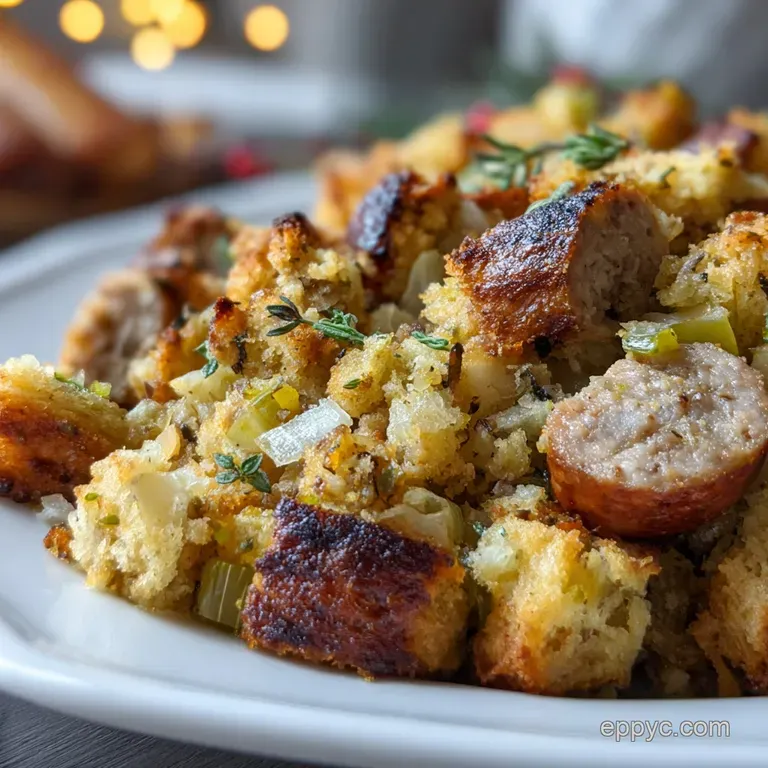
To get that specific golden brown finish, I always reach for a heavy 9x13 inch ceramic or glass baking dish. Metal pans heat up faster but can sometimes scorch the bottom before the middle is set. You'll also need a large skillet cast iron is brilliant here to render that sausage properly.
Don't forget a large mixing bowl; you need plenty of space to toss the bread cubes without crushing them into dust.
If you are looking to empower your kitchen with more digital precision, a simple probe thermometer is a game changer. You’re looking for an internal temperature of 71°C (160°F) to ensure the eggs are safely cooked and the center is set.
This takes the guesswork out of the "is it done?" mystery.
Executing Each Cooking Step
- Toast the bread. Spread the sourdough cubes on a baking sheet and bake at 150°C for 15 minutes until they feel bone dry and sound like marbles when tossed. Note: This removes moisture so they can soak up the broth later.
- Brown the sausage. In a large skillet over medium high heat, cook the pork sausage until deeply browned and crumbly.
- Sauté aromatics. Add the butter, leeks, and celery to the sausage drippings. Cook for 8 minutes until the leeks are translucent and silky.
- Add garlic and herbs. Stir in the garlic, sage, thyme, and parsley. Cook for 1 minute until the kitchen smells like a holiday morning.
- Combine ingredients. Place the dried bread in a massive bowl and pour the sausage and leek mixture over the top. Toss gently.
- Temper the liquids. Whisk the beaten eggs into the warmed broth. The broth should be warm, not boiling.
- Hydrate the bread. Pour the liquid over the bread mixture in three stages, tossing between each. The bread should look moist but not be sitting in a pool of liquid.
- Season well. Fold in the salt and pepper. Taste a small piece of bread to ensure the seasoning is punchy.
- Transfer and bake. Butter your 9x13 dish and spoon the mixture in. Cover with foil.
- Final crisp. Bake at 175°C for 20 minutes covered, then remove the foil and bake for another 25 minutes until the top is golden brown and the edges are crackling.
Why is my dressing dry?
Usually, this happens because the bread was too thirsty or the oven was too hot. If you notice it looks parched halfway through baking, drizzle an extra 60ml of warm broth over the top.
The sourdough specifically can be a bit of a sponge, so don't be afraid to add a splash more if the cubes look matte instead of glossy.
What if the top browns too fast?
Every oven has its own digital personality. If the top is getting too dark before the 45 minute mark, simply tent it loosely with aluminum foil. This allows the center to continue steaming and setting while protecting the delicate herbs and bread peaks from burning.
Solving Common Texture Issues
Why Your Dressing Is Mushy
If your result is more like porridge, the bread was likely too fresh or you added too much liquid too quickly. Fresh bread has too much internal moisture to absorb the savory broth properly. The bread should be dry enough to "clink" against the side of the bowl.
| Problem | Root Cause | Solution |
|---|---|---|
| Soggy Bottom | Too much liquid pooled at the bottom. | Bake uncovered for the last 15 minutes on a lower oven rack. |
| Dry/Crumbly | Not enough egg binder or broth. | Whisk an extra egg into 1/2 cup broth and pour over; rebake 10 mins. |
| Greasy Texture | Sausage fat wasn't incorporated well. | Toss bread more thoroughly to ensure fat coats every cube. |
Common Mistakes Checklist: ✓ Never use "soft" sandwich bread; it lacks the structure needed for a proper turkey dressing recipe. ✓ Don't skip the bread toasting step, even if the bread feels day old. ✓ Ensure the broth is warm to help the bread fibers open up and absorb flavors.
✓ Resist the urge to smash the dressing into the pan; keep it light and airy for the best texture. ✓ Use low sodium broth so you can control the final saltiness with sea salt.
Creative Seasonal Flavor Adaptations
If you want to lean into a Southern Turkey Dressing Recipe, you can swap half of the sourdough for crumbled cornbread. The texture will be much softer and more "spoonable," but it carries that beautiful corn sweetness.
Just be sure to reduce the broth by about 10% as cornbread doesn't absorb quite as much liquid as sourdough does.
For those who need a Healthy ish Version, you can replace the pork sausage with sautéed mushrooms and use a high-quality vegetable broth. The mushrooms provide that earthy umami that we usually get from the meat.
If you go this route, add an extra tablespoon of butter or olive oil to make up for the missing sausage fat.
- For a fruit forward twist: Add 1/2 cup of dried cranberries or diced Granny Smith apples during the sauté step.
- For a smoky profile: Add 1/2 tsp of smoked paprika to the spice mix.
- For a crunchier finish: Top with 1/2 cup of toasted pecans before the final 15 minutes of baking.
Saving Every Last Morsel
You can keep this dressing in the fridge for up to 4 days. When reheating, I highly recommend avoiding the microwave it makes the bread rubbery. Instead, put a portion in a small oven safe dish, add a tiny splash of broth, and bake at 180°C until the edges get crispy again.
It’s almost better the second day once the herbs have had time to fully infuse the bread.
If you have a lot left over, consider making a Turkey Ala King recipe and serving it right over a hot scoop of the dressing. For freezing, wrap individual portions tightly in plastic wrap and then foil; they’ll stay fresh for up to 3 months. To reheat from frozen, let it thaw in the fridge overnight and then follow the oven reheating method.
Zero Waste Tip: Don't throw away the dark green tops of the leeks! Wash them thoroughly, slice them thin, and sauté them with a bit of salt for a crispy garnish, or toss them into a freezer bag for your next batch of homemade stock.
Pairing Your Savory Side
This dish is the ultimate companion for any roast. The tangy sourdough and savory sausage cut right through the richness of a roasted bird. Honestly, I could eat a bowl of this just on its own, but it really shines when it's swimming in a bit of gravy.
If you are looking for the perfect topper, this pairs beautifully with a Turkey Neck Gravy recipe. The deep, slow simmered flavors of the gravy sink into the nooks and crannies of the sourdough, creating a texture that is absolutely unrivaled. Add some roasted Brussels sprouts or a sharp cranberry sauce on the side, and you have a balanced plate that hits every single taste bud.
- 1. Bread Weight
- Exactly 450g of diced bread ensures the 710ml of broth won't overwhelm the structure.
- 2. Internal Temp
- 71°C (160°F) is the "magic number" where the eggs are set but the bread remains moist.
- 3. Toasting Time
- 15 minutes at 150°C is the sweet spot for removing moisture without browning the bread too much.
Turkey Dressing Recipe FAQs
What goes in turkey dressing?
Bread is the base, usually sourdough or stale white bread, along with aromatics like leeks or onions, celery, garlic, and herbs such as sage and thyme. Pork sausage is commonly added for richness and flavor, bound together with eggs and moistened with turkey or chicken broth.
What are common stuffing mistakes to avoid?
Avoid using fresh bread, not toasting the bread properly, and adding too much liquid. Fresh bread can become mushy, under toasted bread won't absorb liquid well, and excess moisture leads to a soggy outcome.
What is the difference between stuffing vs. dressing?
Technically, stuffing is cooked inside the bird, while dressing is baked separately in a dish. This separation allows dressing to achieve a crispier texture, as it's not steamed inside the cavity.
What's the secret to good stuffing?
The secret is the right balance of moisture and structure, achieved through stale, toasted bread and a well tempered liquid mixture. Properly toasting the bread prevents sogginess, and ensuring the broth is warm (not hot) helps the eggs bind without scrambling.
Can I make turkey dressing ahead of time?
Yes, you can prepare the bread and aromatics up to 2 days in advance. Combine all the components, but don't add the liquid mixture until just before baking to maintain the best texture.
How do I prevent my dressing from being dry?
Ensure you're using enough liquid, and if it seems dry during baking, drizzle a little extra warm broth over the top. The type of bread also matters; sourdough can absorb more liquid than other types, so don't be afraid to add a splash more if needed.
What can I serve with turkey dressing?
This dressing pairs perfectly with a rich gravy, like a Turkey Giblet Gravy. It also complements roasted meats and vegetables beautifully.
Turkey Dressing Recipe
Ingredients:
Instructions:
Nutrition Facts:
| Calories | 258 calories |
|---|---|
| Protein | 9.8g |
| Fat | 14.2g |
| Carbs | 21.4g |
| Fiber | 1.8g |
| Sugar | 2.1g |
| Sodium | 585mg |
