Turkey Sage Thyme Gravy: Velvety Herb Umami
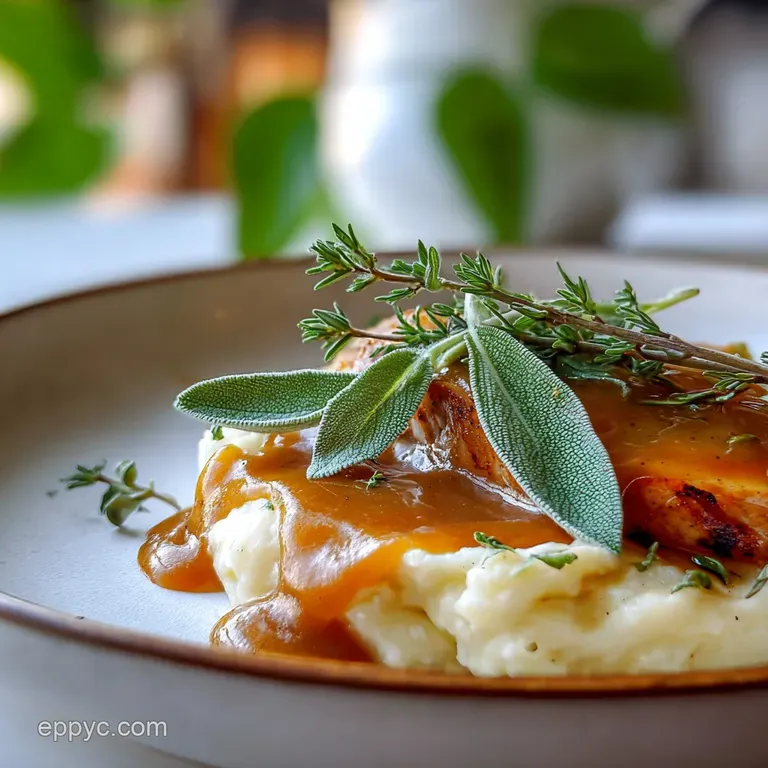
- Time: Active 5 minutes, Passive 15 minutes, Total 20 minutes
- Flavor/Texture Hook: Velvety herb infused umami
- Perfect for: Holiday dinners and Sunday roasts
- Create the Perfect Turkey Sage Thyme Gravy
- The Physics of the Velvety Pour
- Scientific Breakdown of Key Components
- Essential Pantry and Fridge Elements
- Minimal Tools for Maximum Results
- Step-by-Step Gravy Construction
- Fixing Common Texture Issues
- Customizing Your Flavor Profile
- Myths Regarding Homemade Gravy
- Storage and Waste Reduction
- Pairing Your Final Sauce
- Recipe FAQs
- 📝 Recipe Card
Create the Perfect Turkey Sage Thyme Gravy
That sizzle when you scrape the bottom of a roasting pan is honestly the best sound in the world. It is the smell of Thanksgiving, but for years, I would panic as soon as the bird came out. I used to end up with either a salty puddle or something with the texture of wallpaper paste.
No one wants that on their holiday plate. This guide teaches you to make unforgettable Gravy from Turkey Drippings with Sage and Thyme.
We have all been there, hovering over a hot stove while the family waits, trying to whisk away stubborn lumps. It’s stressful. But once I figured out that the secret isn’t just about stirring, but about the science of the fat and the timing of the herbs, everything changed.
This is the recipe that finally made me the designated gravy maker in my family, and I am excited to show you why it works every single time.
It is all about capturing that "liquid gold" from the roasting pan. By the time you finish this, you will have a sauce that is velvety, deeply savory, and carries the earthy notes of sage and thyme in every spoonful. Let's get into the details so you can stop worrying about the sauce and start enjoying the meal.
The Physics of the Velvety Pour
Starch Gelatinization: Flour granules swell and burst at 175°F, creating a network that traps liquid and thickens the sauce. Fat in-Water Emulsion: Vigorous whisking suspends tiny fat droplets within the stock, resulting in a silky mouthfeel rather than a greasy film.
| Method | Time | Texture | Best For |
|---|---|---|---|
| Stovetop | 15 minutes | Silky and smooth | Immediate serving |
| Oven (Finish) | 20 minutes | Concentrated, thick | Deeply browned flavor |
| Slow Cooker | 2 hours | Very thin, light | Keeping warm for crowds |
Using the stovetop method allows you to control the evaporation and thickness in real time. It is the most reliable way to ensure you don't over reduce your liquid. When you use the drippings from Turkey Drippings with Sage and Thyme, the stovetop heat helps the flour cook out its raw taste much faster than a low simmering oven environment.
Scientific Breakdown of Key Components
| Ingredient | Science Role | Pro Secret |
|---|---|---|
| Turkey Drippings | Flavor Concentrate | Strain through a fine mesh sieve to remove charred bits that cause bitterness. |
| All Purpose Flour | Thickening Agent | Toast the flour in fat until it smells like "baked pie crust" for maximum flavor. |
| Fresh Sage | Volatile Oils | Mince finely to maximize surface area, releasing oils directly into the fat. |
| Turkey Stock | Hydration Base | Use warm stock to prevent the roux from seizing and forming lumps. |
The foundation of any great sauce from Turkey Drippings with Sage and Thyme is the "fond," which are the browned bits stuck to your pan. These bits are the result of the Maillard reaction, and they provide a depth of flavor that a bouillon cube could never hope to achieve.
Essential Pantry and Fridge Elements
- 1/2 cup turkey drippings: The concentrated essence of the bird, separated from the fat.
- 4 tablespoons unsalted butter: Or reserved turkey fat for a more intense poultry flavor.
- 1/4 cup all purpose flour: The structural backbone that provides the thickness. Why this? AP flour has the right protein balance for a stable, smooth emulsion.
- 3 leaves fresh sage: Finely minced for a piney, peppery aroma.
- 2 teaspoons fresh thyme: Stripped from the stem to provide earthy, floral notes.
- 2 cups turkey stock: Warm this first to ensure a smooth integration.
- 0.5 teaspoon kosher salt: Adjust at the very end after tasting the drippings.
- 0.5 teaspoon cracked black pepper: Provides a subtle heat and visual interest.
- 1 teaspoon Worcestershire sauce: Adds a fermented, savory complexity.
| Original Ingredient | Substitute | Why It Works |
|---|---|---|
| Turkey Drippings | Salted Chicken Stock | Provides moisture but lacks the deep, roasted turkey essence. |
| All Purpose Flour | Cornstarch (half amount) | Makes a translucent, glossy sauce that is gluten-free but less creamy. |
| Fresh Thyme | Dried Thyme (1/3 amount) | More concentrated and "dusty" flavor; add earlier to hydrate. |
| Butter | Vegan Butter | Similar fat to water ratio; ensures the roux still binds properly. |
If you find yourself with more leftovers than you can handle later, my Turkey Ala King recipe is a great way to use the extra sauce. It utilizes the same savory base to create a completely different meal the next day.
Minimal Tools for Maximum Results
You don't need a kitchen full of gadgets for this. A heavy bottomed saucepan is your best friend here because it distributes heat evenly, preventing the flour from scorching. A flat whisk (sometimes called a roux whisk) is a secret weapon for getting into the "corners" of the pan where flour likes to hide and clump.
If you don't have a fat separator, you can use a large glass measuring cup and a spoon to skim the fat off the top after the drippings settle for a few minutes. This is a crucial step because too much fat will make the Turkey Sage Thyme Gravy separate, leaving an oily sheen on your mashed potatoes.
step-by-step Gravy Construction
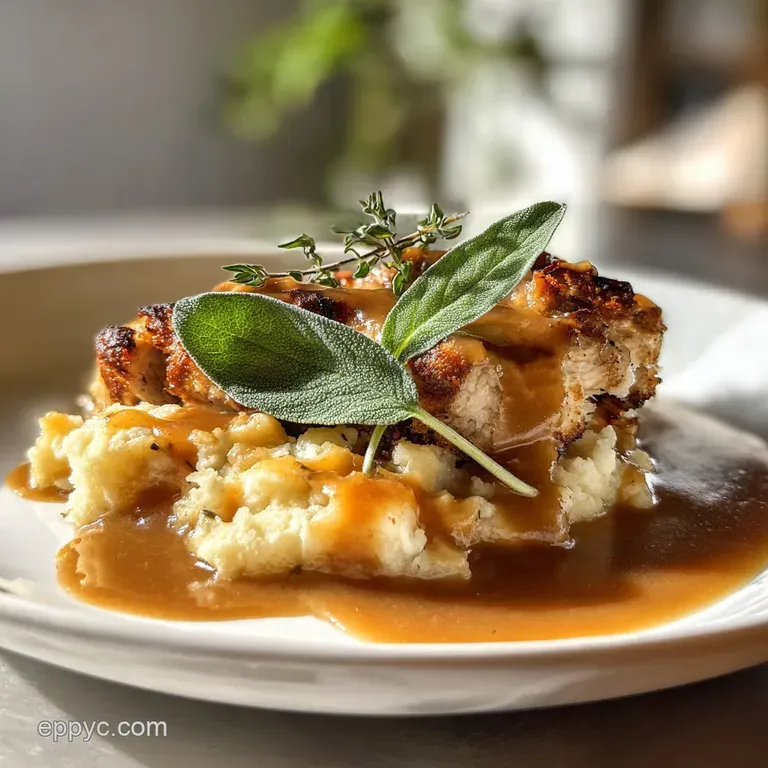
- Prepare the drippings. Pour the pan juices into a glass jar and let them settle for 5 minutes until the fat rises.
- Separate the liquid. Measure out 1/2 cup of the dark liquid from the bottom, discarding or saving the excess fat.
- Melt the fat. Place 4 tablespoons of butter (or turkey fat) in a saucepan over medium heat until it begins to foam and sizzle.
- Bloom the herbs. Add the minced sage and thyme to the melted fat. Note: This releases the aromatic oils into the fat, scenting the whole sauce.
- Create the roux. Whisk in 1/4 cup of flour until it forms a smooth, sandy paste.
- Toast the flour. Cook the paste for 2 minutes, whisking constantly, until it smells like toasted bread and turns golden.
- Temper the stock. Slowly pour in 2 cups of warm turkey stock while whisking vigorously to prevent lumps from Turkey Drippings with Sage and Thyme.
- Incorporate the drippings. Stir in the 1/2 cup of reserved pan drippings and 1 teaspoon of Worcestershire sauce.
- Simmer to thicken. Reduce heat to low and simmer for 5-7 minutes until the sauce coats the back of a spoon.
- Season and finish. Add 0.5 teaspoon salt and 0.5 teaspoon pepper, tasting first to ensure it isn't too salty from the pan juices.
Chef Tip: If your gravy looks a bit pale, don't just add salt. A tiny splash of soy sauce or browning liquid can add both color and a hidden layer of savory depth without making it taste like "soy."
Fixing Common Texture Issues
The problem of persistent lumps
Lumps usually happen when cold liquid is dumped too quickly into a hot roux. The outer layer of flour hydrates and seals, leaving dry flour inside. If this happens, don't panic. You can run the whole mixture through a fine mesh strainer or give it a quick pulse with an immersion blender to save the texture.
Dealing with excessive saltiness
Since pan drippings are a concentrate of everything that seasoned the bird, they can sometimes be salt heavy. This is especially true if you used a salty rub or brine. To fix this, increase the volume of stock or add a teaspoon of heavy cream to mellow out the sodium perception on your palate.
| Problem | Root Cause | Solution |
|---|---|---|
| Greasy surface | Poor emulsion/too much fat | Whisk in a tablespoon of warm stock or skim the top. |
| Too thin | Under cooked starch | Simmer longer or add a "beurre manié" (equal parts butter/flour paste). |
| Floury taste | Under toasted roux | Simmer for at least 5 minutes after the liquid is added. |
Common Mistakes Checklist
- ✓ Never skip straining the drippings - those charred bits will ruin the "velvety" finish.
- ✓ Always warm your stock before adding it to the roux to prevent thermal shock and clumping.
- ✓ Don't add all the salt at the beginning; the salt in the drippings concentrates as it simmers.
- ✓ Whisk constantly during the first two minutes of adding liquid - this is the "danger zone" for lumps.
- ✓ Use a heavy bottomed pan to avoid "hot spots" that can burn the flour and create a bitter taste.
Customizing Your Flavor Profile
If you want a thicker, heartier sauce, you can reduce the stock by 1/4 cup and increase the drippings. This results in a very "meat forward" flavor. For a lighter, more floral version, increase the thyme and add a squeeze of fresh lemon juice at the very end.
The acid cuts through the richness of the turkey fat beautifully.
This savory pour is also the perfect partner for my Turkey dressing recipe. The sage in the gravy mirrors the herbs in the stuffing, creating a cohesive flavor profile across the entire plate. Trust me, the harmony between the two is what makes a meal feel truly professional.
Adjusting for different crowds
- Scaling Down (1/2 recipe): Use 2 tbsp fat and 2 tbsp flour. Reduce the simmering time by 3 minutes as it will thicken faster in a smaller pan.
- Scaling Up (2x recipe): Double the drippings and stock, but only increase the salt and pepper by 1.5x. You can always add more, but you can't take it out.
- gluten-free Needs: Use a high-quality 1 to-1 gluten-free flour blend. Note that it may require 2-3 extra minutes of simmering to lose the "gritty" texture sometimes found in rice based flours.
Myths Regarding Homemade Gravy
Some people claim that you must use cornstarch for a "clear" gravy. While cornstarch does result in a more translucent sauce, it lacks the rich, buttery mouthfeel that a flour based roux provides. A flour roux creates an opaque, creamy finish that holds onto the meat much better.
Another common myth is that you need hours to "develop" the flavor. Because we are using the concentrated drippings from the roasting pan, the flavor is already developed. The 15 minute cook time is simply to cook the flour and achieve the right consistency.
Longer cooking can actually make the herbs taste bitter or "muddy."
Storage and Waste Reduction
Fridge: Store in an airtight container for up to 4 days. It will firm up into a jelly like consistency due to the natural gelatin in the drippings - this is a sign of a great sauce! Freezer: You can freeze this for up to 3 months.
Thaw in the fridge overnight and reheat slowly on the stove, whisking in a splash of water to bring back the emulsion.
Zero Waste Tip: Don't throw away the turkey neck or giblets! Simmer them in your turkey stock for an hour before making the gravy to add even more depth. You can also use any leftover gravy as a base for a turkey pot pie or a shepherd’s pie the next day.
It’s basically a flavor packed starter for your next meal.
Pairing Your Final Sauce
This Turkey Sage Thyme Gravy is designed to be the star, so pair it with sides that can soak it up. Think fluffy mashed potatoes, roasted root vegetables, or even a thick slice of sourdough bread. The woodsy aroma of the with Sage and Thyme should be the first thing people smell when they sit down.
When serving, I like to pour it into a pre warmed gravy boat. If the boat is cold, it will suck the heat right out of your sauce, causing it to thicken too much before it hits the plate. A little attention to these small details is what transforms a simple meal into something truly heartfelt and memorable.
Enjoy the sizzle and the smell - you have earned it!

Recipe FAQs
Should I use chicken stock if I don't have turkey stock?
Yes, but expect a flavor shift. Chicken stock works well as a substitute, but you will lose the deep, roasted essence unique to turkey drippings.
How to prevent the gravy from separating into an oily layer on top?
Whisk vigorously while adding the liquid. This creates a stable emulsion, suspending the fat droplets evenly throughout the sauce.
How to fix gravy that is too thin after simmering?
Create a beurre manié and whisk it in. Mix equal parts softened butter and flour into a smooth paste, then whisk small bits into the simmering gravy until desired thickness is reached.
Is it true that I must use fresh herbs exclusively for this recipe?
No, dried herbs are an acceptable substitute. If using dried sage and thyme, reduce the total amount by two-thirds and add them earlier so they have time to hydrate in the hot fat.
How to incorporate the drippings properly for the best flavor base?
Strain the drippings first, then measure the liquid component. Use the dark liquid from the bottom of the separated jar and whisk it into the finished roux, not the fat alone, to avoid adding too much oil.
Can I make this gravy completely gluten-free?
Yes, by substituting the flour with cornstarch. If you enjoyed controlling the texture using flour here, see how the same thickening principle works when using cornstarch for sauces like Rich & Rich How recipe for giblet gravy.
How long can I safely store leftover Turkey Sage Thyme Gravy?
Up to four days in the refrigerator. Because it uses natural gelatin from the pan juices, it will solidify; simply reheat slowly with a splash of water or stock to restore its pourable consistency.
Turkey Sage Thyme Gravy

Ingredients:
Instructions:
Nutrition Facts:
| Calories | 124 calories |
|---|---|
| Protein | 2.4 g |
| Fat | 10.2 g |
| Carbs | 5.8 g |
| Fiber | 0.3 g |
| Sugar | 0.4 g |
| Sodium | 345 mg |
