Authentic Egg Drop Soup Recipe

- Time: Active 5 minutes, Passive 5 minutes, Total 10 minutes
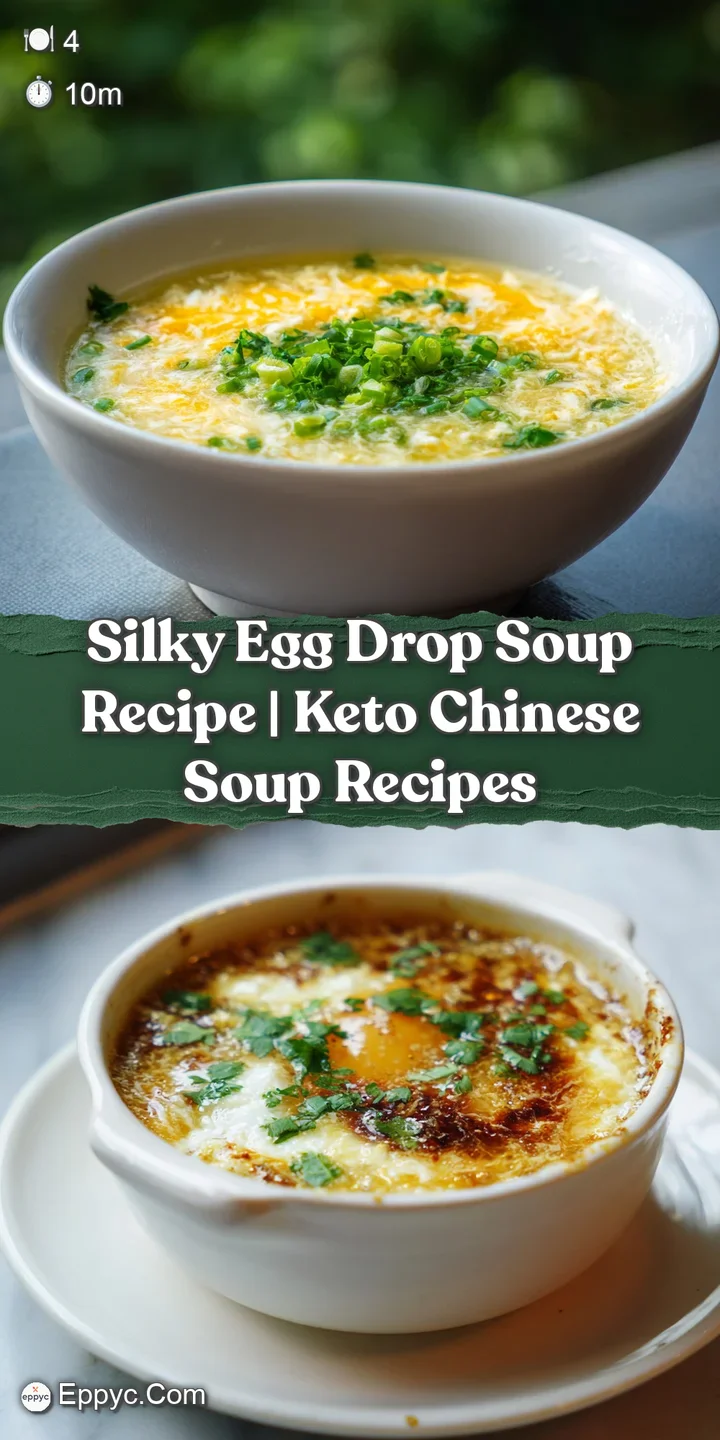
- Flavor/Texture Hook: Silky, savory ribbons in a translucent golden broth
- Perfect for: Quick weeknight comfort or an easy appetizer for home cooked takeout
- Mastering This Silky Authentic Egg Drop Soup Recipe
- The Molecular Magic Behind Every Golden Ribbon
- Essential Timing and Nutrition for a Successful Soup Experience
- Gathering the Elements for Authentic Restaurant Flavor
- The Simple Tools for Achieving Culinary Precision
- The Perfect Flow for Creating Silky Ribbons
- Avoiding Common Pitfalls for a Velvety Finish
- Customizing the Base for Every Unique Dietary Need
- Preserving Texture During Careful Storage and Reheating
- The Best Pairings for a Complete Comfort Meal
- High in Sodium
- Recipe FAQs
- 📝 Recipe Card
Mastering This Silky Authentic Egg Drop Soup Recipe
I still remember the first time I tried making this at home. I thought, "It's just eggs and broth, how hard can it be?" Ten minutes later, I was staring at a pot of gray dishwater with rubbery yellow chunks floating in it. It was tragic.
I realized then that while the ingredients are simple, the technique is everything. This wasn't about cooking; it was about physics.
We've all had that lackluster bowl where the eggs are clumped together or the broth feels thin and watery. After months of testing, I discovered the secret isn't in some expensive gadget, but in how we manage the starch and the "swirl." I want to empower you to skip the trial and error I went through so you can produce a bowl that looks like pulled silk draped in a golden shimmer.
Right then, let's get into the heart of it. We are going to use a digital first mindset to prep our ingredients meaning we measure everything before the heat even touches the pan.
This is a fast moving dish, and having your 0.125 tsp of turmeric and 1 tsp of grated ginger ready to go is the difference between a relaxing cook and a frantic mess. Trust me on this one.
The Molecular Magic Behind Every Golden Ribbon
Understanding the "how" helps you troubleshoot on the fly. When we make an egg drop soup recipe, we are essentially managing protein denaturation and liquid viscosity simultaneously. It sounds complex, but it's what makes the difference between a "good" soup and a "best" soup.
- Starch Viscosity: The 2 tbsp of cornstarch creates a thick liquid environment that physically prevents the egg proteins from bonding too tightly into large, rubbery clumps.
- Thermal Buffering: Adding 3 tbsp of cold water to the eggs before whisking (though our recipe uses the water for the slurry) or ensuring eggs are room temperature prevents them from seizing the moment they hit the hot stock.
- Pigment Suspension: The 0.125 tsp of turmeric powder provides a natural, vibrant yellow that mimics the high end restaurant look without altering the delicate flavor profile.
- The Whirlpool Effect: Moving the liquid in a circular motion creates centrifugal force, stretching the egg into those characteristic thin, translucent wisps.
| Method | Total Time | Texture | Best For |
|---|---|---|---|
| Traditional Stovetop | 10 minutes | Silky, long ribbons | Ultimate restaurant quality |
| Instant Pot | 12 minutes | Denser, thicker broth | Set and forget stock base |
| Slow Cooker | 4 hours | Deeply infused flavor | Meal prepping the broth base |
Adding a starch slurry is a technique I also use when perfecting the base for my Broccoli Casserole recipe, where maintaining a silky mouthfeel is just as critical as it is here.
Essential Timing and Nutrition for a Successful Soup Experience
When you're dealing with a dish this fast, precision is your best friend. I love using digital kitchen tools to track my timing because a 30 second delay in adding the eggs can change the texture from "velvety" to "overcooked." We are looking for an internal broth temperature that is just below a rolling boil around 190°F to 200°F to ensure the eggs cook instantly but gently.
The nutritional profile of this dish is surprisingly balanced for something so light. With 5.9 g of protein per serving and only 98 kcal, it’s a fantastic way to start a meal without feeling weighed down.
The 5.1 g of fat comes mostly from the eggs and that tiny splash of toasted sesame oil, which provides most of the aromatic "soul" of the dish.
Gathering the Elements for Authentic Restaurant Flavor
The alchemy of a great soup recipe lies in the quality of your stock and the freshness of your eggs. I always recommend using large eggs at room temperature; cold eggs can drop the temperature of your broth too quickly, leading to those dreaded clumps.
| Ingredient | Science Role | Pro Secret |
|---|---|---|
| Chicken Stock | Flavor Foundation | Use low sodium to control the 0.5 tsp salt precisely |
| Cornstarch | Viscosity Agent | Mix with cold water ONLY to avoid gelatinous lumps |
| Ground White Pepper | Subtle Heat | Provides "back of-the throat" warmth without black specks |
| Turmeric Powder | Natural Colorant | Use exactly 0.125 tsp for gold, not orange, broth |
- Chicken Stock (4 cups): The backbone. Why this? Provides the savory depth that water alone simply cannot achieve.
- Salt (0.5 tsp): Enhances the natural chicken flavor.
- Sugar (0.5 tsp): A tiny amount to balance the earthiness of the ginger.
- Ground White Pepper (0.25 tsp): Traditional for clear soups.
- Turmeric Powder (0.125 tsp): For that iconic visual appeal.
- Fresh Ginger (1 tsp, grated): Adds a bright, zingy top note.
- Cornstarch (2 tbsp): Thickens the broth so eggs "float."
- Cold Water (3 tbsp): For the slurry.
- Large Eggs (3): The star. Room temperature is non negotiable for silkiness.
- Toasted Sesame Oil (1 tsp): Added at the very end for aroma.
- Scallions (2): For a fresh, crunchy contrast.
The Simple Tools for Achieving Culinary Precision
You don't need much, but the right equipment empowers you to execute this egg drop soup recipe with confidence. I usually reach for a heavy bottomed saucepan because it retains heat more evenly, preventing "hot spots" that might scorch the cornstarch.
A fine mesh grater (like a Microplane) is essential for that 1 tsp of fresh ginger; you want a pulp that dissolves into the broth, not woody chunks. For the eggs, a simple fork works better than a whisk. A whisk incorporates too much air, which can make the egg ribbons float and foam.
A fork gives you those beautiful, irregular "flower" shapes that look so authentic. Finally, a digital thermometer helps you hit that 190°F sweet spot for the egg drop.
The Perfect Flow for Creating Silky Ribbons
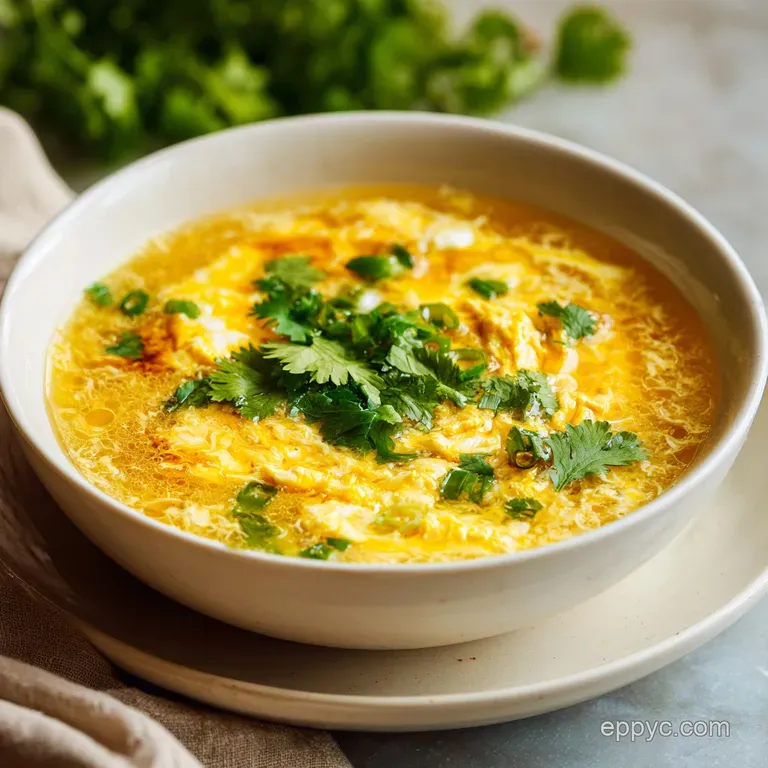
- Infuse the Broth: Combine the 4 cups chicken stock, 0.5 tsp salt, 0.5 tsp sugar, 0.25 tsp white pepper, 0.125 tsp turmeric, and 1 tsp grated ginger in a saucepan. Note: Bringing these to a simmer first allows the ginger and pepper to fully bloom.
- Prepare the Slurry: In a small bowl, whisk 2 tbsp cornstarch with 3 tbsp cold water until smooth. Wait until the broth is simmering before adding this, or it will settle at the bottom.
- Thicken the Base: Pour the slurry into the simmering broth. Stir constantly until the liquid turns from cloudy to clear and slightly glossy.
- Whisk the Eggs: Lightly beat the 3 large eggs in a measuring cup with a spout. Avoid creating bubbles; you want a uniform, smooth liquid.
- Set the Temp: Turn the heat down to low. The broth should be barely shimmering, not aggressively bubbling.
- The Whirlpool: Use a spoon to stir the broth in one direction, creating a gentle circular current.
- The Drop: Slowly drizzle the eggs in a thin stream into the outer edge of the whirlpool. Note: Do not stir for 10 seconds to let the ribbons set.
- The Breakup: Gently stir once or twice to separate the strands. Stop when you see translucent ribbons floating effortlessly.
- The Finish: Remove from heat immediately. Stir in the 1 tsp toasted sesame oil and top with the sliced scallions.
- Final Check: Taste for seasoning and serve immediately while the texture is at its peak.
Avoiding Common Pitfalls for a Velvety Finish
One mistake I once made was adding the eggs while the soup was at a rolling boil. The result? The eggs shattered into tiny, gritty pieces instead of long ribbons. It’s all about that gentle simmer.
If your soup feels too thick, don't panic; just whisk in a tablespoon of extra stock at a time until it reaches your desired consistency.
Why Your Soup Turned Into "Egg Scramble"
This usually happens if the broth isn't thickened enough with cornstarch or if the heat is too high. Without the "resistance" of the thickened broth, the eggs just cook in place rather than stretching out.
| Problem | Root Cause | Solution |
|---|---|---|
| Rubbery Egg Chunks | Eggs were added to a boiling broth | Drop heat to low and use a gentle swirl |
| Thin, Watery Base | Cornstarch slurry wasn't cooked long enough | Simmer for 1 min after adding slurry to "activate" |
| Cloudy, Muddy Color | Too much pepper or old ginger | Use white pepper and strain ginger pulp if needed |
Common Mistakes Checklist
- ✓ Always use room temperature eggs to prevent thermal shock and clumping.
- ✓ Never skip the cornstarch; it’s the "safety net" that creates the ribbon texture.
- ✓ Drizzle the eggs slowly think of a thin thread of gold, not a waterfall.
- ✓ Add the sesame oil only after removing from heat to preserve its delicate aroma.
- ✓ Use a measuring cup with a spout for the egg drop for better flow control.
Customizing the Base for Every Unique Dietary Need
If you want a heartier version, you can easily turn this into an egg drop soup recipe with corn. Simply add 1/2 cup of sweet corn kernels (canned or frozen) when you are simmering the broth in step 1. The sweetness of the corn pairs beautifully with the white pepper.
For those following a specific lifestyle, a keto egg drop soup recipe is entirely possible. You'll need to swap the 2 tbsp of cornstarch for 1/2 tsp of xanthan gum.
Be careful though xanthan gum is much more powerful, so whisk it into a small amount of oil first to prevent clumping before adding it to the broth. The texture will be slightly different, but it keeps the carbs near zero.
| Servings | Ingredient Adjustments | Pan Size | Cook Time |
|---|---|---|---|
| 2 People | 2 cups stock, 1.5 eggs | Small Saucepan | 8 minutes |
| 4 People | 4 cups stock, 3 eggs | Medium Saucepan | 10 minutes |
| 8 People | 8 cups stock, 6 eggs | Large Stockpot | 15 minutes |
Chef's Note: When scaling up, only increase the white pepper to 1.5x the original amount. It can become overwhelmingly spicy if you simply double or triple it.
Preserving Texture During Careful Storage and Reheating
Honestly, don't even bother trying to freeze this. The structure of the egg ribbons and the cornstarch thickened broth will break down, leaving you with a watery, separated mess once thawed. This is a "cook and eat" kind of dish.
However, if you have leftovers, you can keep them in an airtight container in the fridge for up to 2 days.
When reheating, avoid the microwave if possible. It tends to rubberize the eggs. Instead, place it in a small saucepan over medium low heat. If the soup has thickened too much in the fridge (which it will!), add a splash of chicken stock or water to loosen it back up.
Heat it just until it's steaming; do not let it come back to a full boil, or the eggs will lose their delicate texture.
To reduce waste, if you find yourself with leftover egg whites from another project, you can use those instead of whole eggs! It creates "silver" ribbons rather than "gold," but it’s a brilliant way to use up ingredients.
You can also save your ginger peels in the freezer to flavor your next batch of homemade stock.
The Best Pairings for a Complete Comfort Meal
While this soup is a star on its own, I love serving it alongside something with a bit more "heft." It’s the perfect light starter for a meal featuring my Instant Pot Potato Soup recipe if you're doing a multi soup night (which is a total thing in my house!).
For a more traditional feel, pair it with crispy wonton strips or even a side of fried rice. The contrast between the velvety soup and a "shatter crisp" garnish is what makes the experience feel like a high end meal.
If you want to keep things authentic, a few drops of chili oil on top can add a gorgeous visual contrast against the yellow broth and a lovely hit of heat.
"But what about the sogginess of the scallions?" I hear you ask. Always add them at the very last second. The residual heat of the bowl is enough to soften them just enough to release their flavor without turning them into limp, flavorless strings.
It’s those small, digital age precision steps that empower you to take a simple 10 minute soup and turn it into a genuine kitchen win. Let's crack on and get that pot simmering!
High in Sodium
845 mg of sodium per serving (37% of daily value)
American Heart Association recommends limiting sodium intake to about 2,300mg per day.
Tips to Reduce Sodium in Your Egg Drop Soup
-
Low-Sodium Broth-30%
Replace regular chicken stock with low-sodium or no-sodium added chicken broth. This can significantly reduce the sodium content.
-
Reduce Added Salt-25%
Cut the added salt in half, or eliminate it entirely. Taste the soup after cooking and adjust seasoning as needed. Remember, you can always add more, but you can't take it away!
-
Water Down the Broth-15%
Use a 50/50 mix of regular broth and water to lower sodium intake. The other flavors will help to compensate for the change.
-
Flavor Boost
Enhance the flavor of your soup with sodium free herbs and spices such as garlic powder, onion powder, or dried parsley.
-
Add Veggies
Adding more fresh veggies such as carrots, celery, or mushrooms can enhance flavor and volume without increasing sodium.
Recipe FAQs
What are the ingredients in egg drop soup?
The core components are chicken stock, eggs, cornstarch, and seasonings. You will need stock for the base, whisked eggs for the ribbons, cornstarch mixed with cold water to create the slurry, and seasoning typically involving salt, white pepper, and a hint of turmeric for color.
Is Chinese egg drop soup healthy?
Yes, it can be very healthy, especially when homemade. It is low in calories and fat, while offering protein from the eggs, and it’s broth based which aids hydration. Keep the added sodium in check by using low-sodium stock.
What do Chinese restaurants use to thicken egg drop soup?
Restaurants primarily use a cornstarch and cold water slurry. This mixture is incorporated into the simmering stock, creating the necessary viscosity that allows the beaten eggs to stretch into those signature thin, silky ribbons rather than clumping.
What is the healthiest soup from a Chinese restaurant?
Egg drop soup is generally the lightest and healthiest option available. It avoids the high sodium and MSG often found in richer broths, and lacks the heavy starches or fried components of other soups.
How do I stop my egg drop soup eggs from becoming rubbery chunks?
Ensure the broth is simmering gently, not boiling rapidly, when the eggs are added. You must also stir the broth into a slow whirlpool effect just before drizzling the eggs in to ensure they stretch out thinly as they cook.
Can I use egg whites only for a leaner soup?
Yes, you can substitute whole eggs with just egg whites for a leaner result. This results in "silver" ribbons instead of the traditional golden ones, and you should still use the same gentle swirling technique for best texture.
How long should I cook the cornstarch slurry before adding the eggs?
Cook the cornstarch slurry until the broth turns clear and glossy, usually about one minute. This step is crucial to activate the thickening power; if it remains cloudy, the broth won't properly suspend the egg proteins when you drop them in.
Velvety Egg Drop Soup
Ingredients:
Instructions:
Nutrition Facts:
| Calories | 98 kcal |
|---|---|
| Protein | 5.9 g |
| Fat | 5.1 g |
| Carbs | 6.2 g |
| Fiber | 0.2 g |
| Sugar | 0.8 g |
| Sodium | 845 mg |
